VHIR研究中心 & Vall d’Hebron园区改造项目,巴塞罗那 / BAAS arquitectura
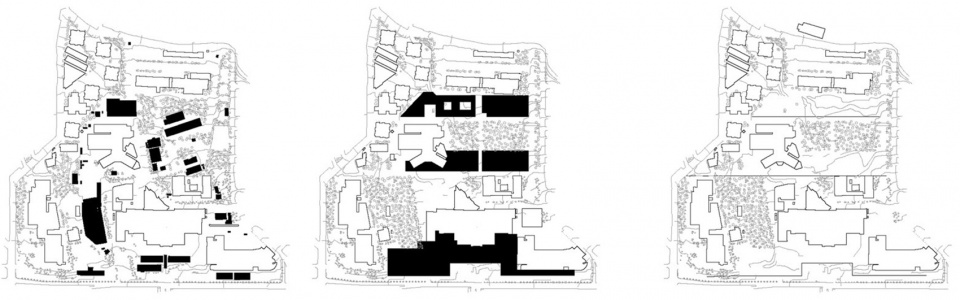
该项目源自对Vall d’Hebron医院园区整体状况的反思。当前园区内建筑杂乱无序,通达性严重不足。本提案旨在打造一个大型公园,与周边社区和城市紧密相连,从而提升园区的可达性与开放性。为实现这一目标,我们提出以下策略:
The project stems from a general reflection on the Hospital Campus, which is currently a chaotic collection of disordered buildings with serious accessibility problems. The proposal aims to create a large park connected to the surrounding neighborhoods and the city, improving both accessibility and permeability of the site. To achieve this, we propose a series of strategies:
▼鸟瞰,aerial view
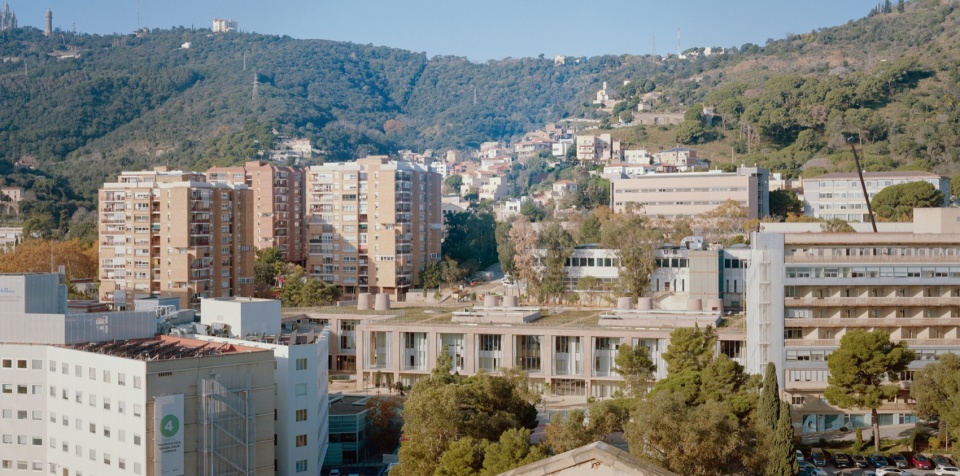
▼区位图,location
▼屋顶花园,roof garden
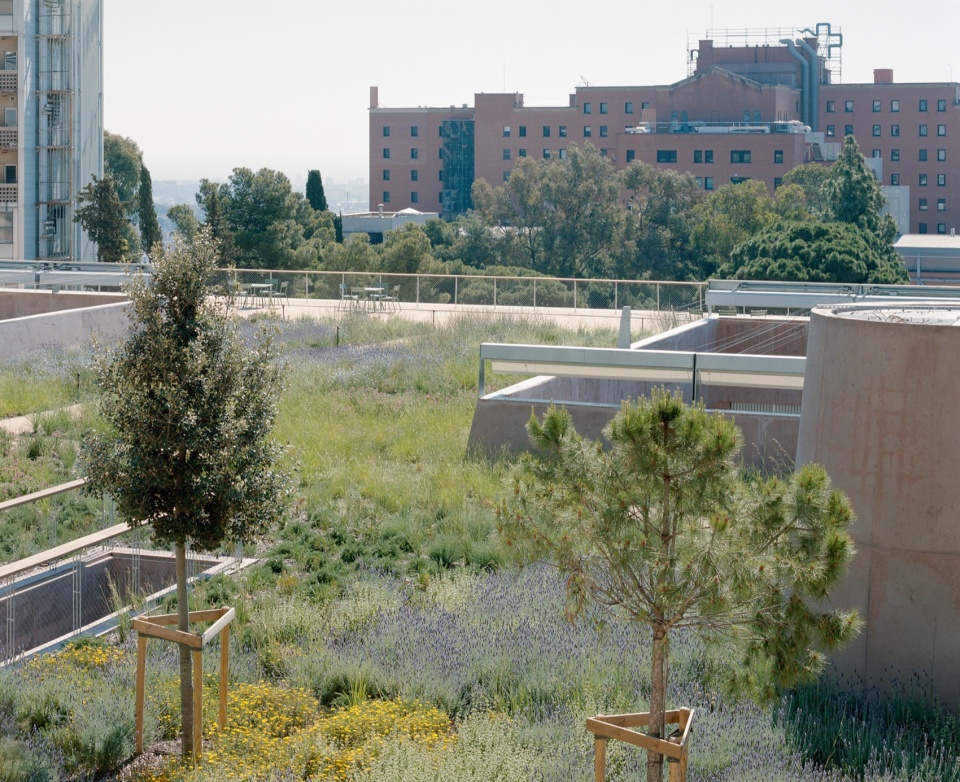
▼屋顶花园细部,details of the roof garden
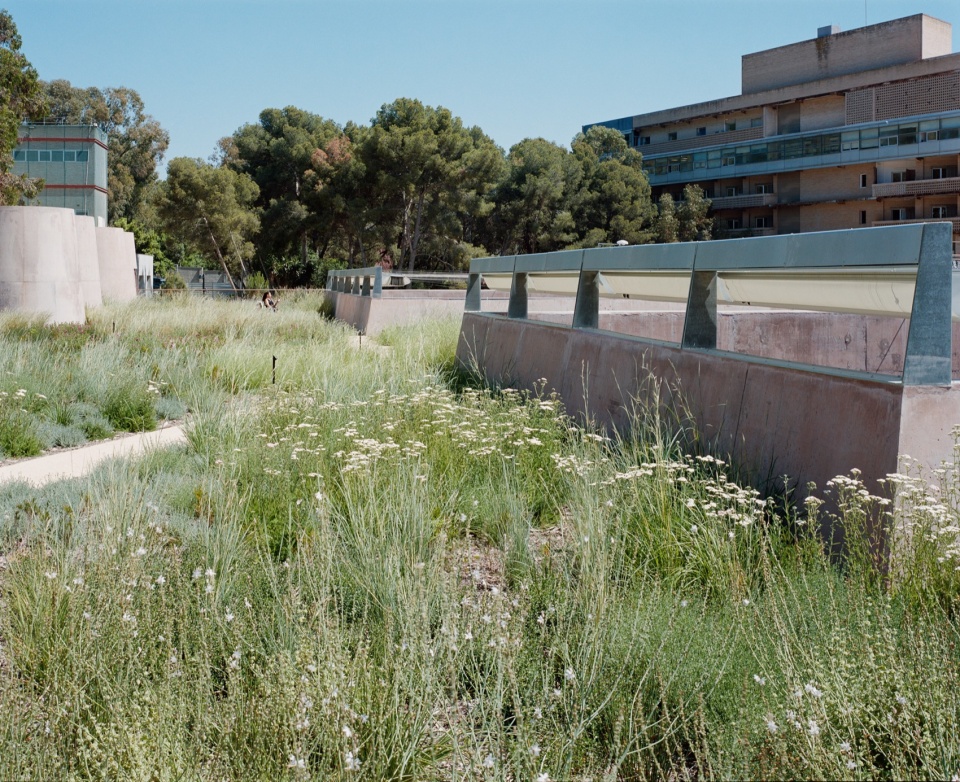
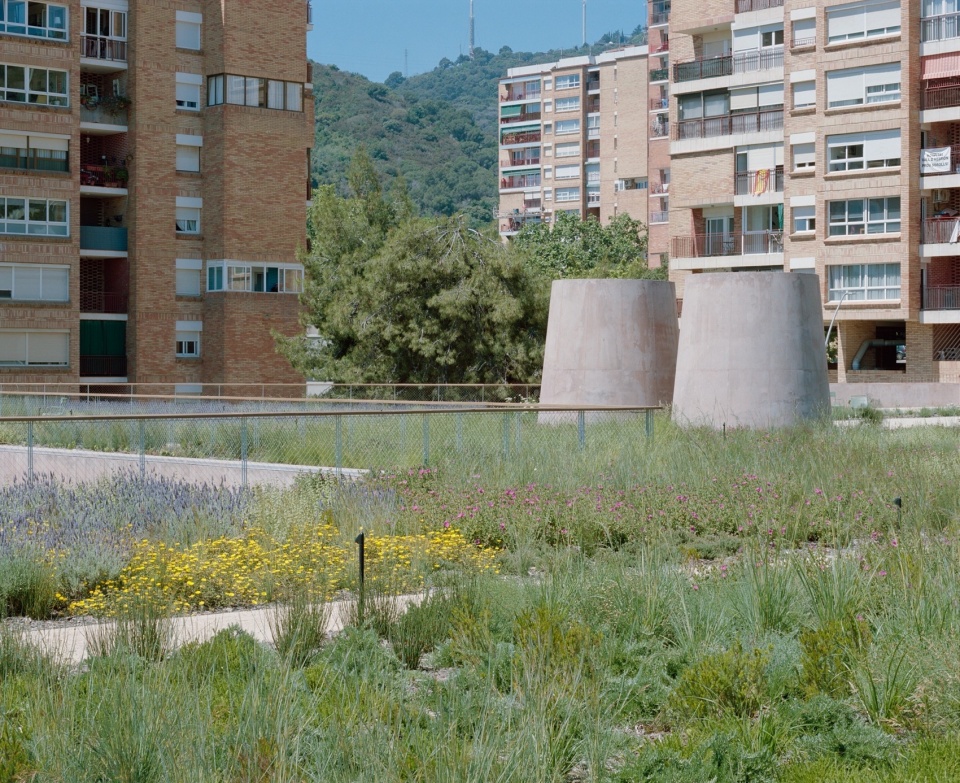
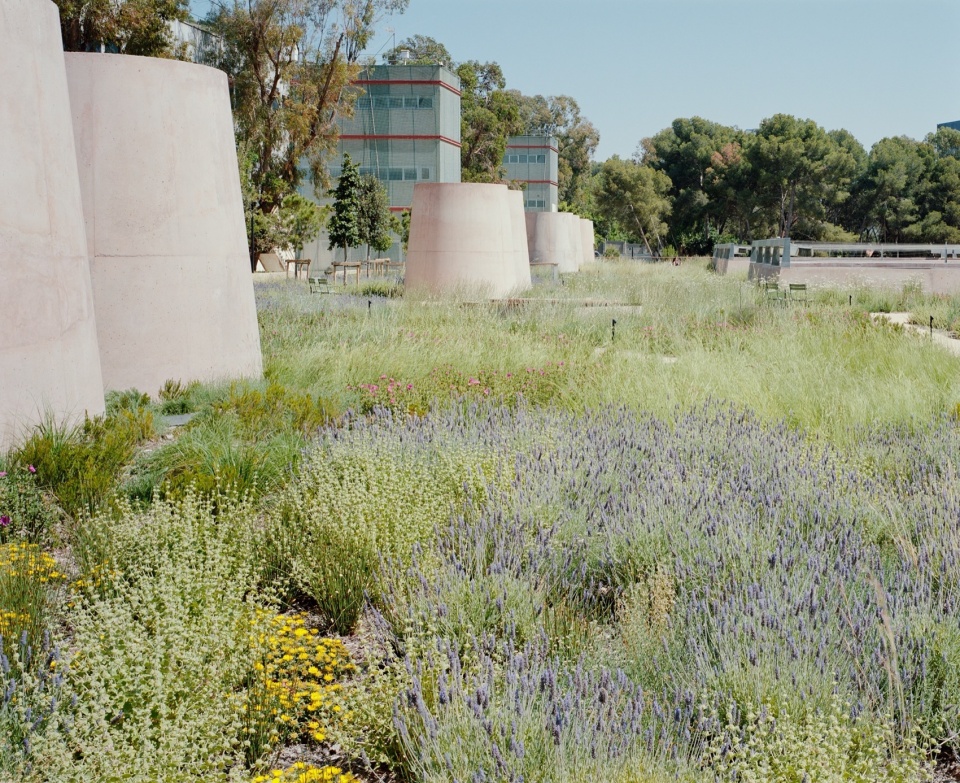
▼底层空间,ground floor space
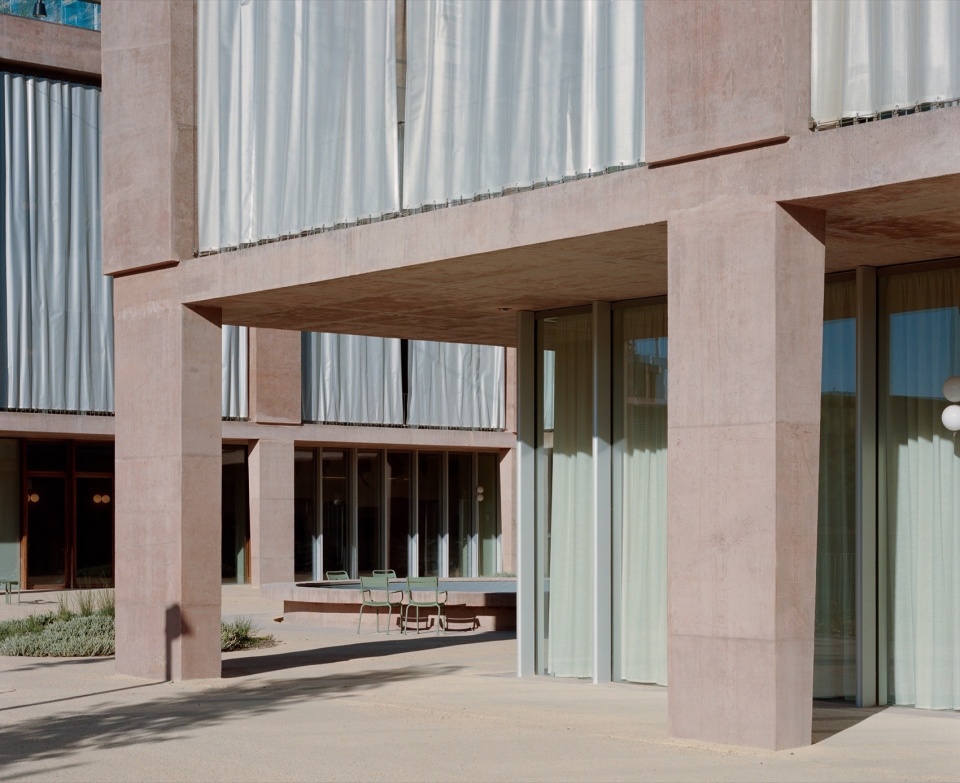
▼外观细部,details of exterior
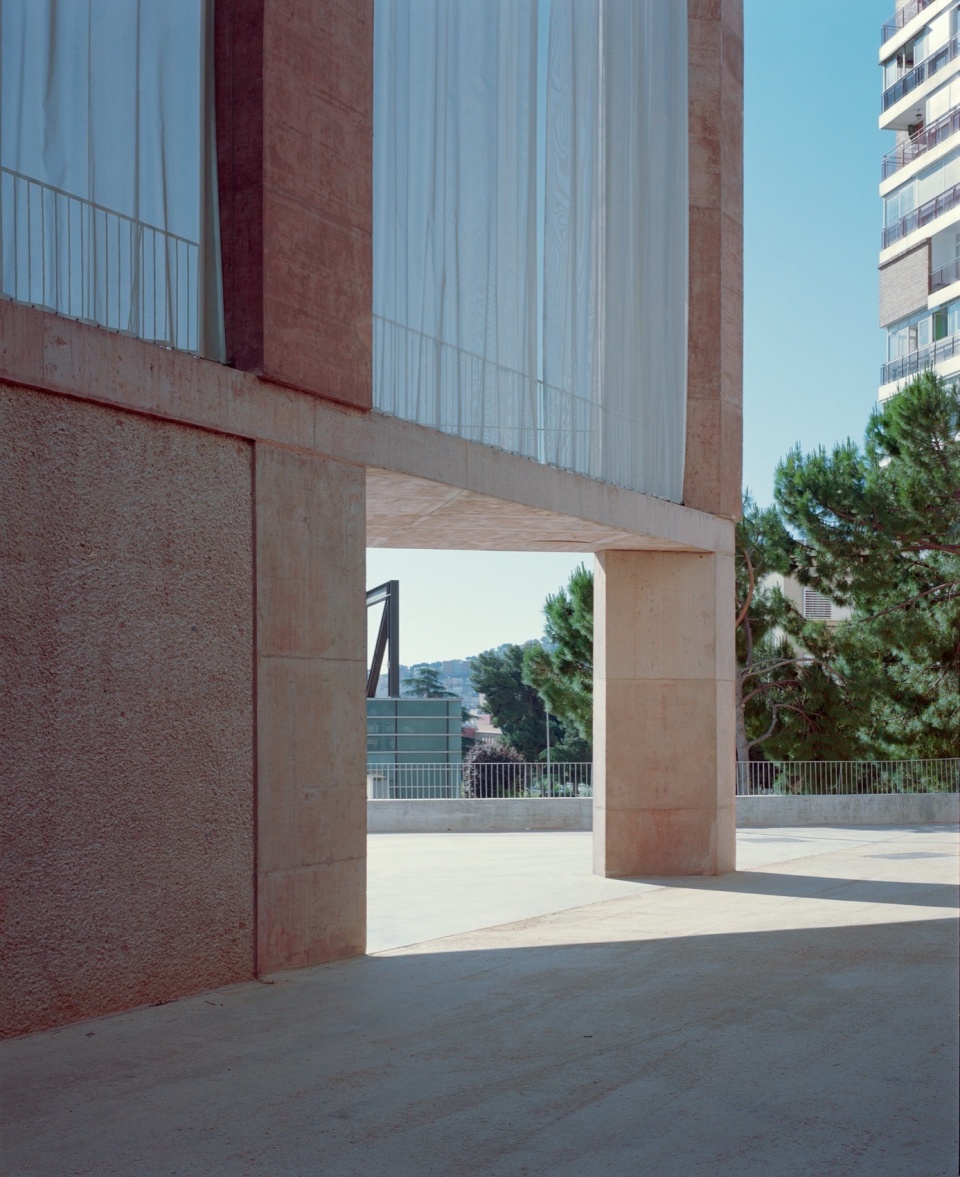
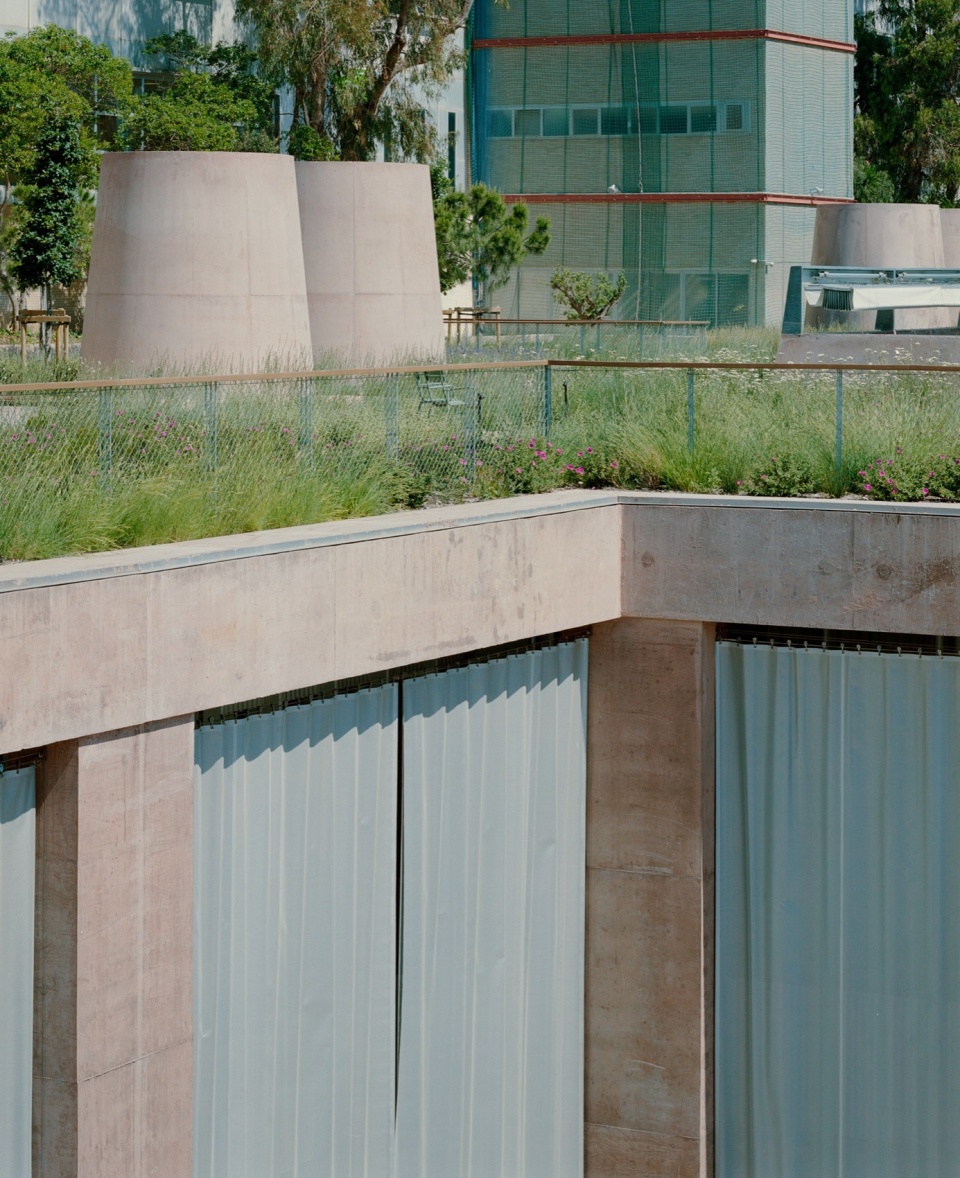
1. 拆除部分已过时的建筑,并将其功能重新安置于半地下建筑中,使园区回归最初“自然公园中嵌入建筑”的形态;
2. 建设两条横贯园区的大型平坦步道,将园区与Montbau和Sant Genís两个社区连接起来;
3. 建立一条新的垂直通达轴线,设置自动扶梯,提升园区与周边社区之间的可达性。
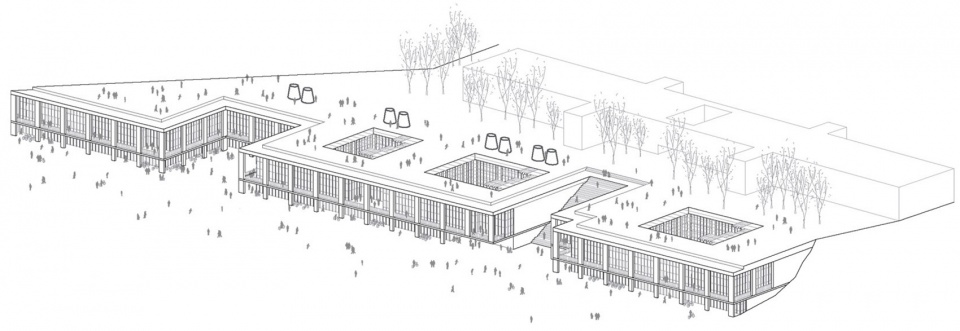
▼轴测图,axonometric drawing
1. Open up the site by demolishing some obsolete buildings and relocating their programs into semiunderground structures, thus restoring the Campus to its original condition as a natural park with buildings.
2. Build two large flat promenades that cross the site horizontally, linking it with the Montbau and Sant Genís neighborhoods.
3. Create a new vertical access axis using escalators to improve accessibility both to the Campus and the adjacent neighborhoods.
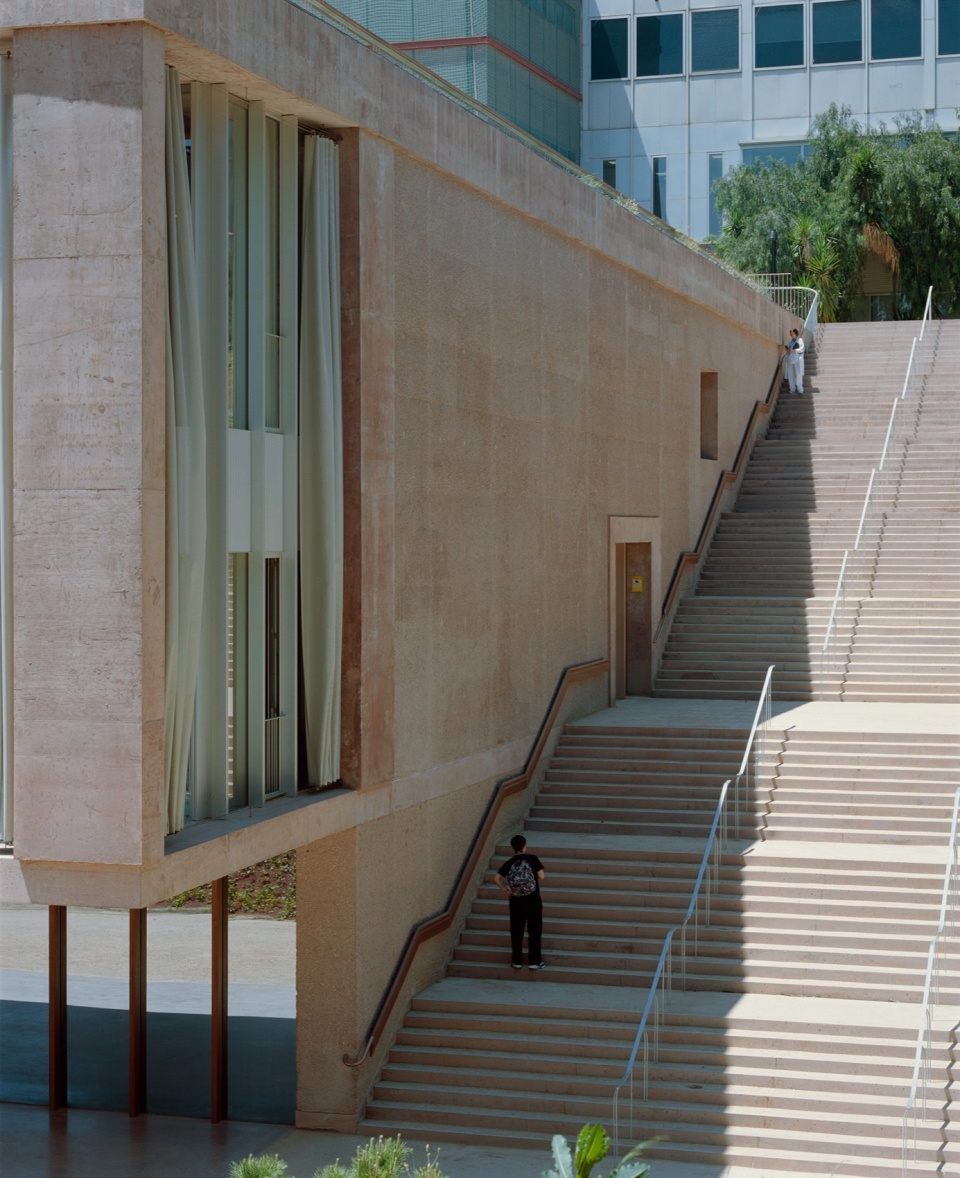
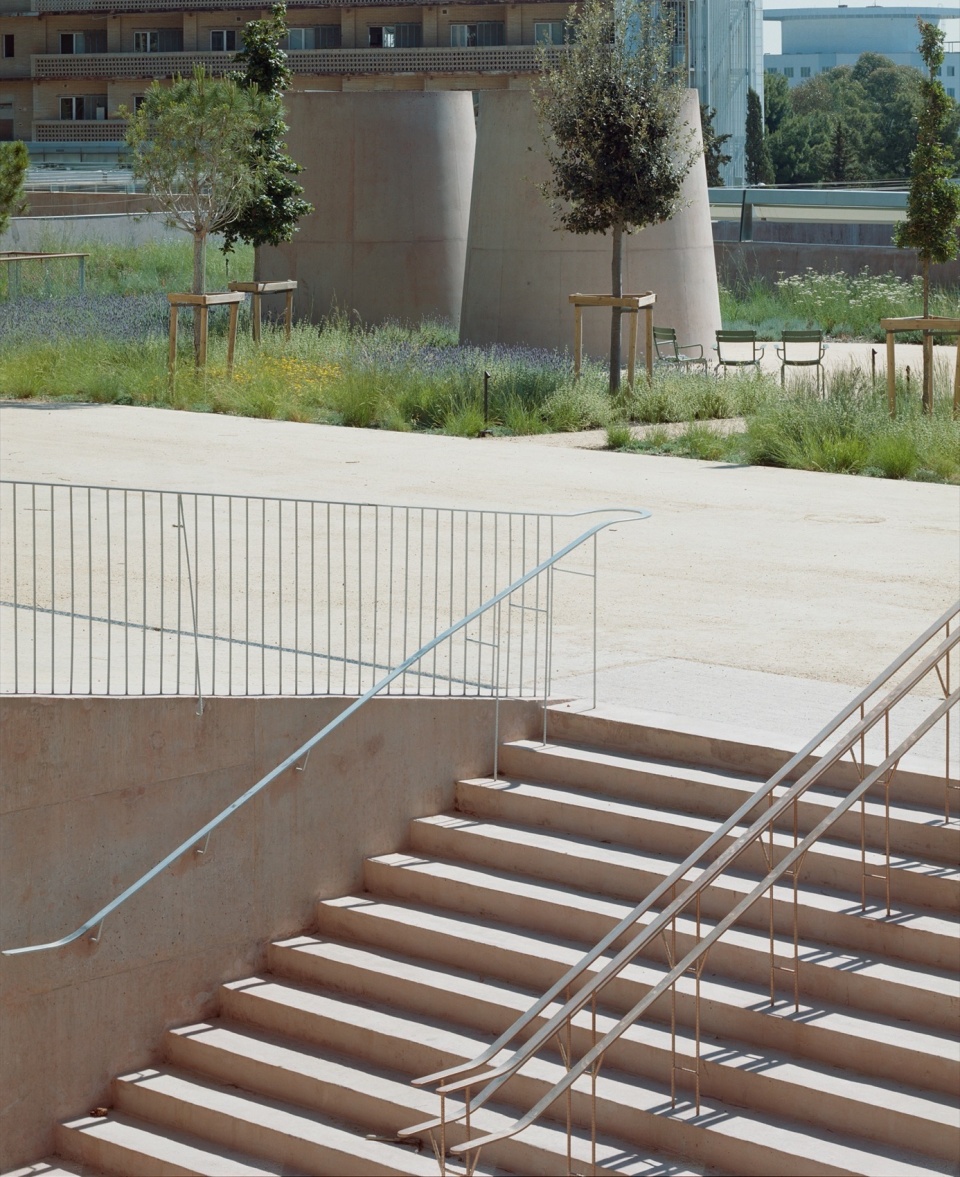
▼户外大楼梯,outdoor staircase
▼外观,exterior view
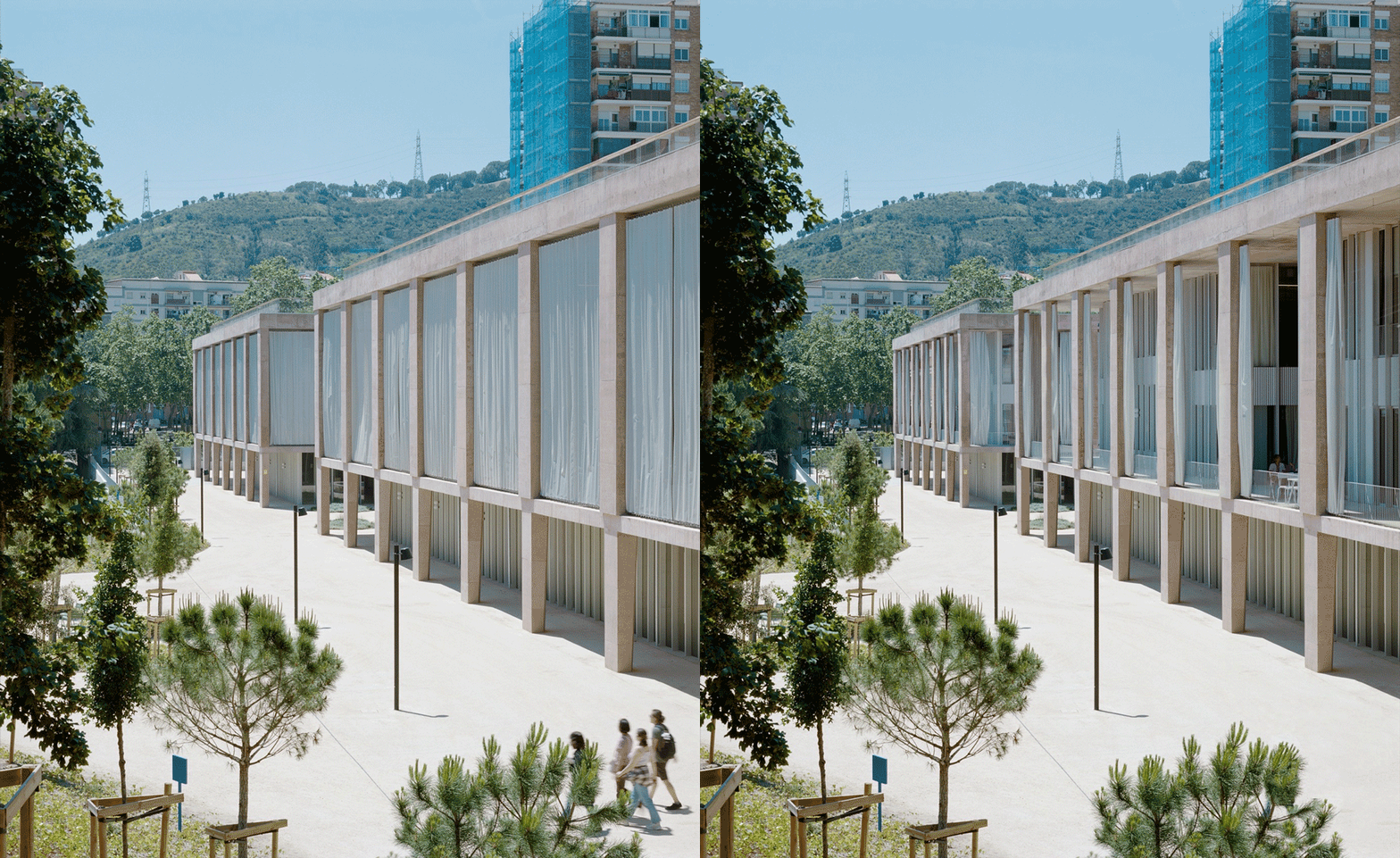
▼外观,exterior view
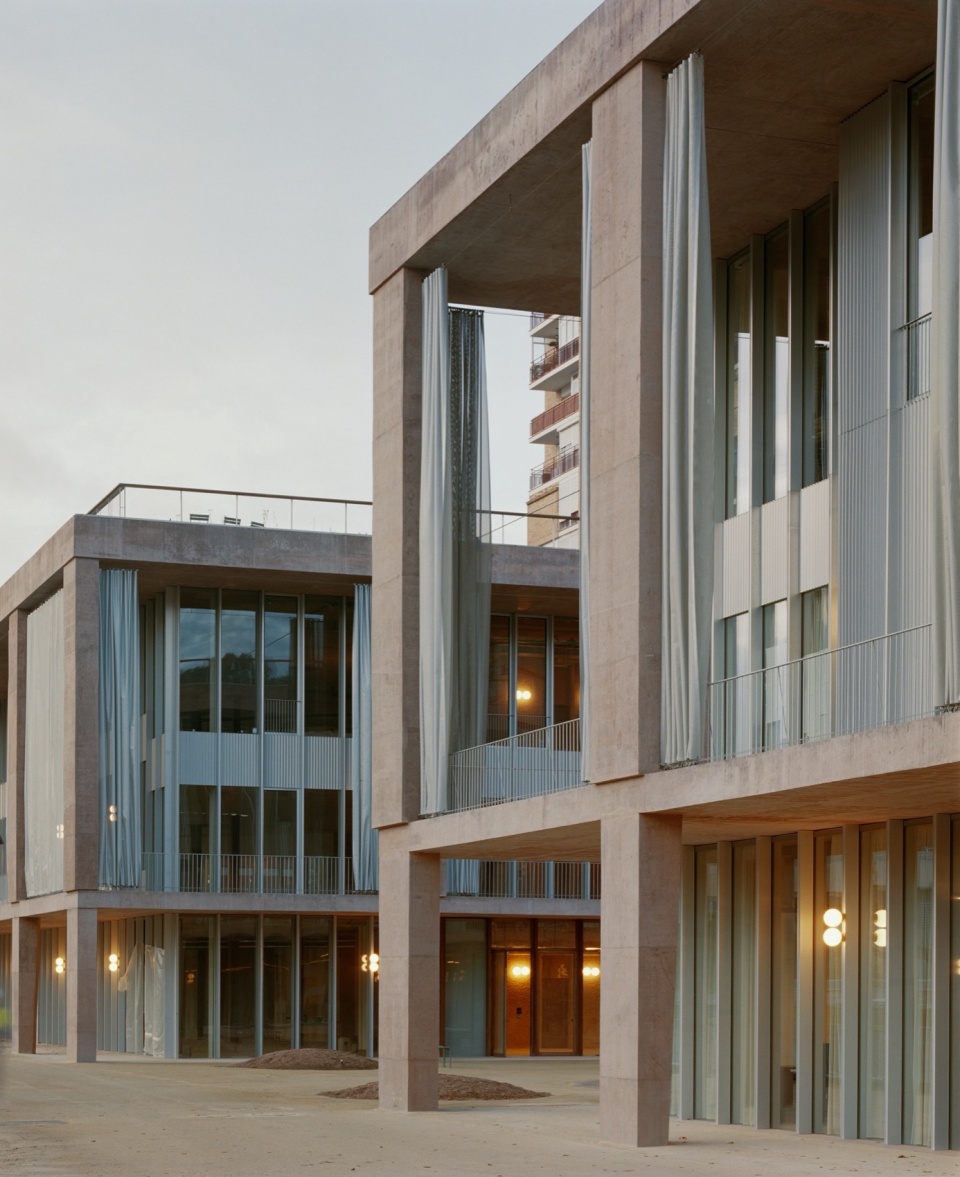
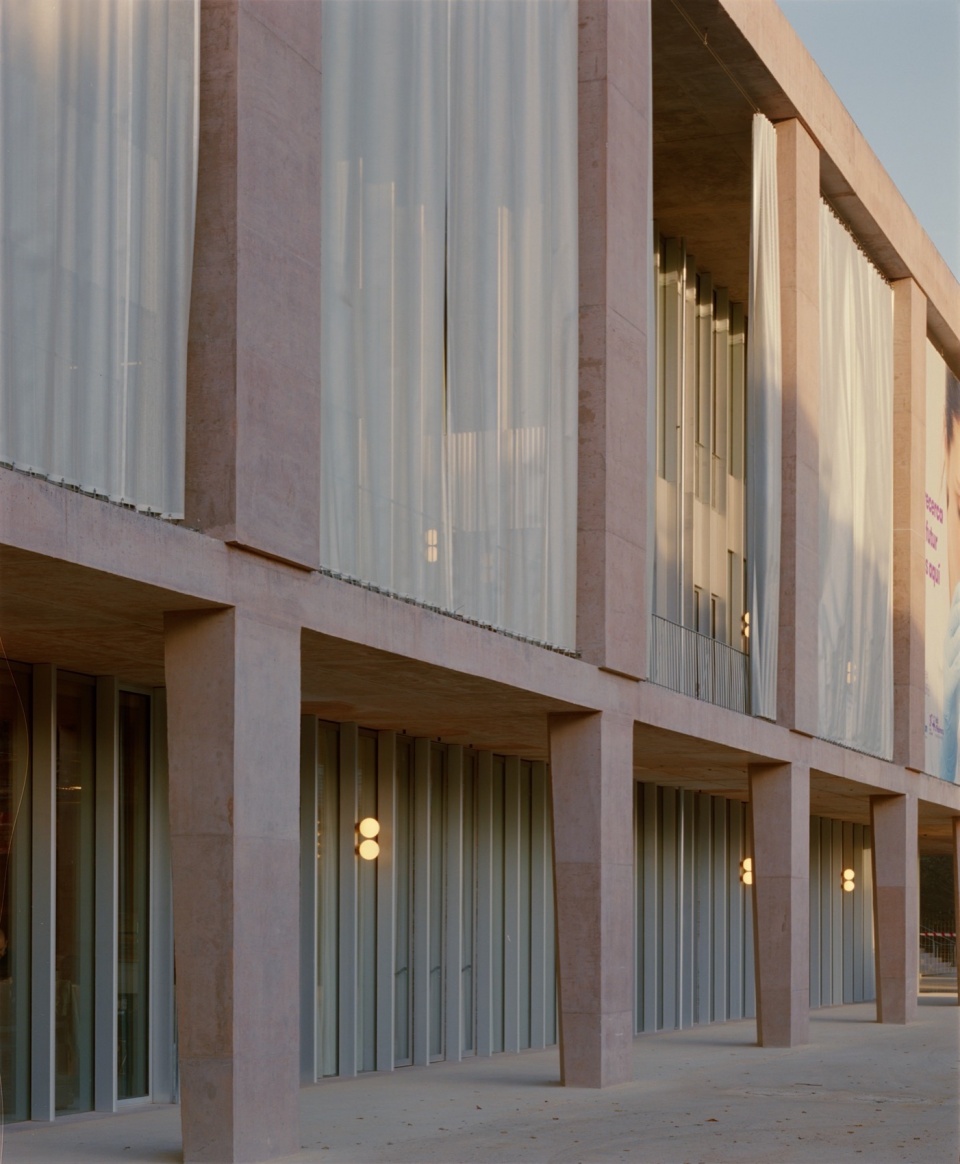
▼立面近景,closer view of exterior
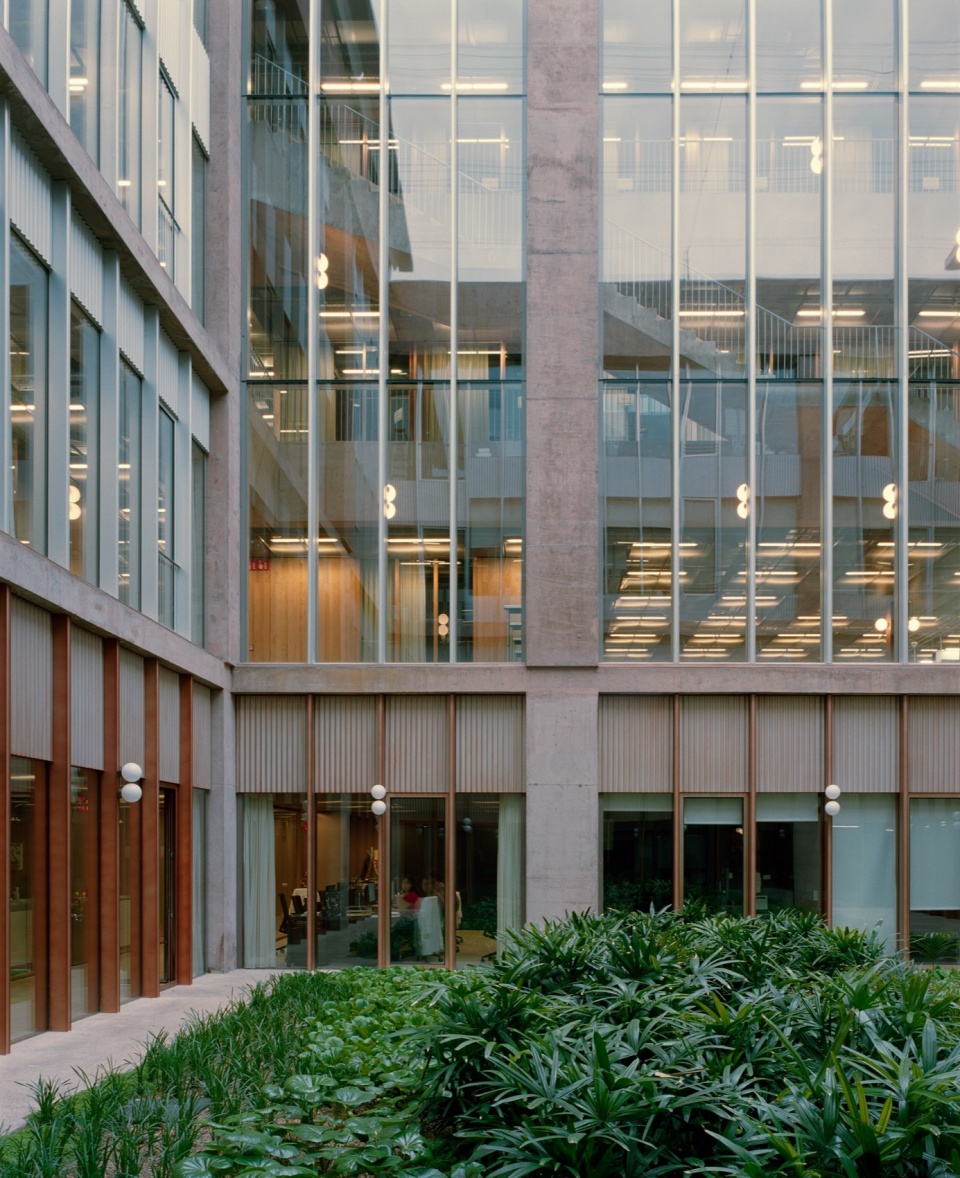
▼花园庭院,courtyard garden
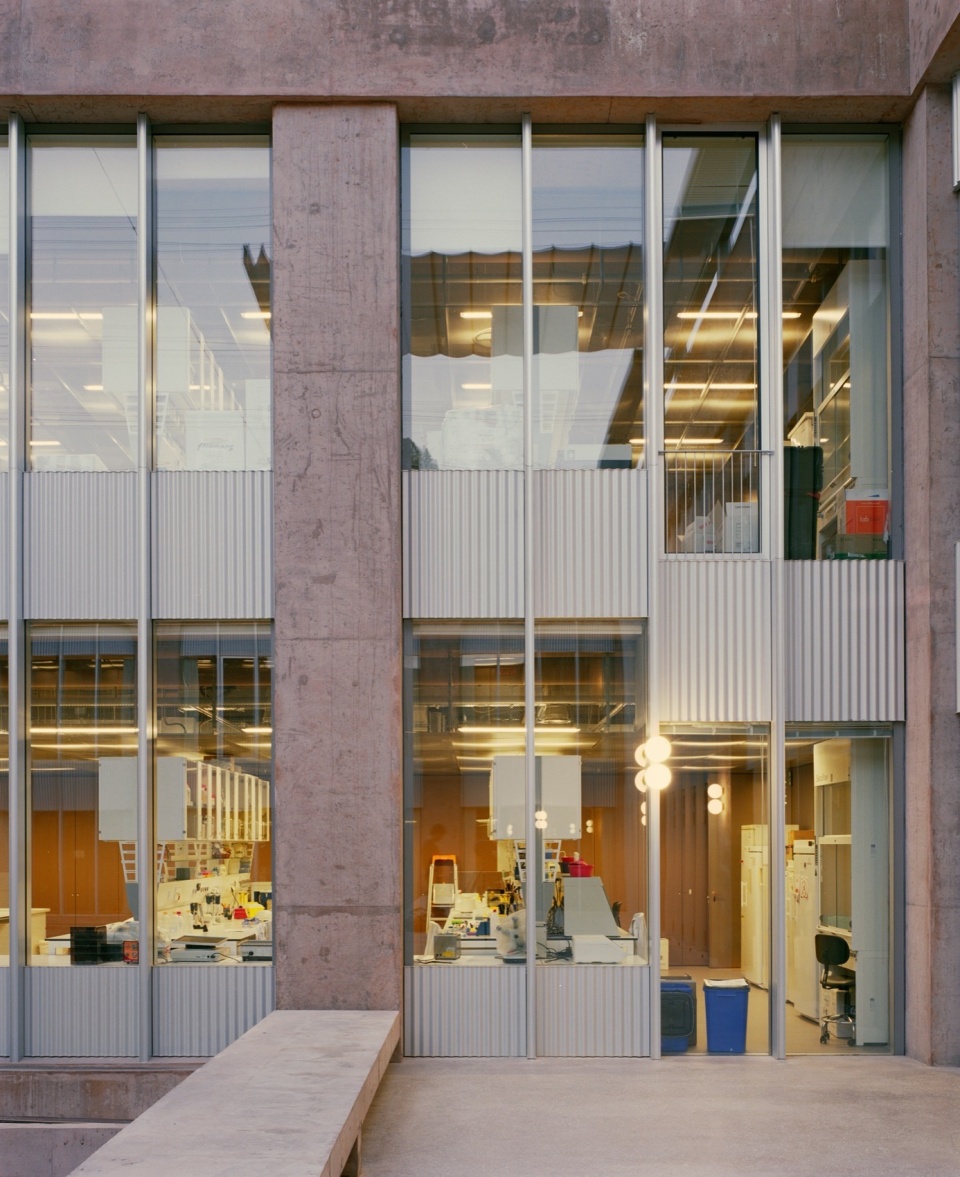
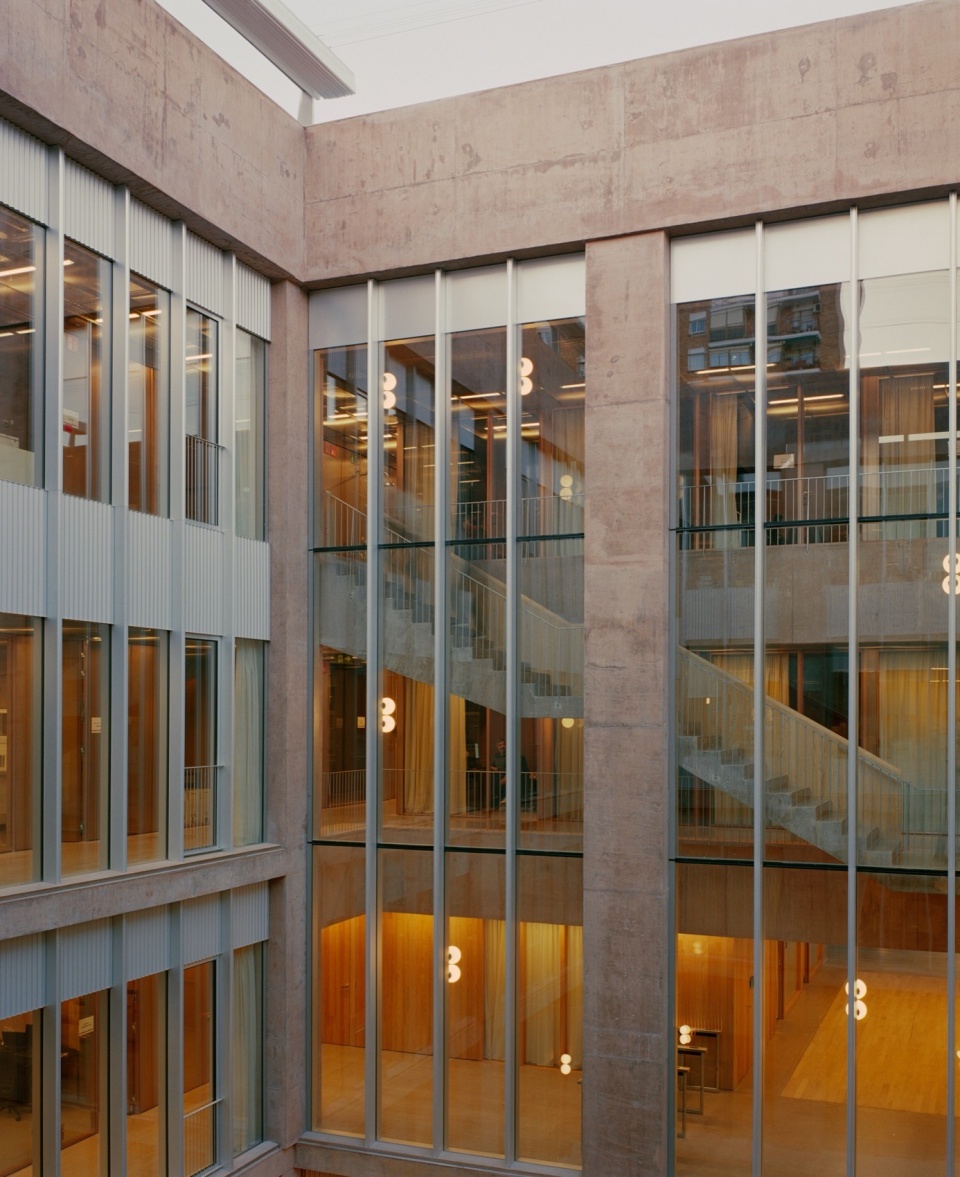
▼庭院立面,facade of the courtyard
作为这场重大改造的首个实施项目,Vall d’Hebron研究中心(VHIR)被嵌入山体,仅保留一个可见立面。建筑像是地形中的一道折线,构成下层平台的背景,并在上层几乎隐形,与Collserola山体自然景观融为一体。
The first building to kick-start this major transformation is the Vall d’Hebron Research Centre, VHIR. It is a building embedded in the mountainside with only one visible façade. It forms a fold in the topography, intended as a backdrop to the lower platform, and it literally disappears from the upper level, where it becomes an extension of the Collserola mountain landscape.
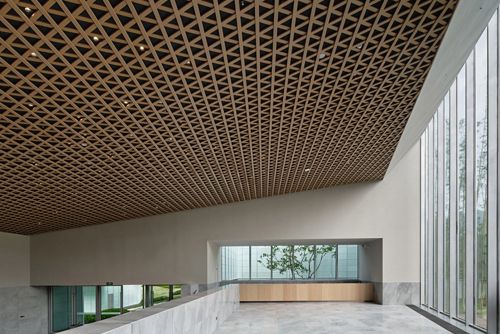
▼入口大堂,lobby
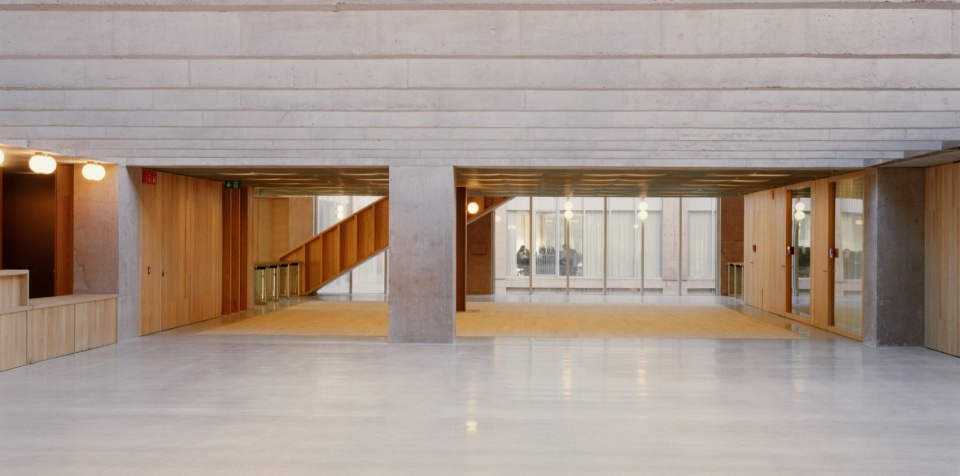
▼室内视角,interior view
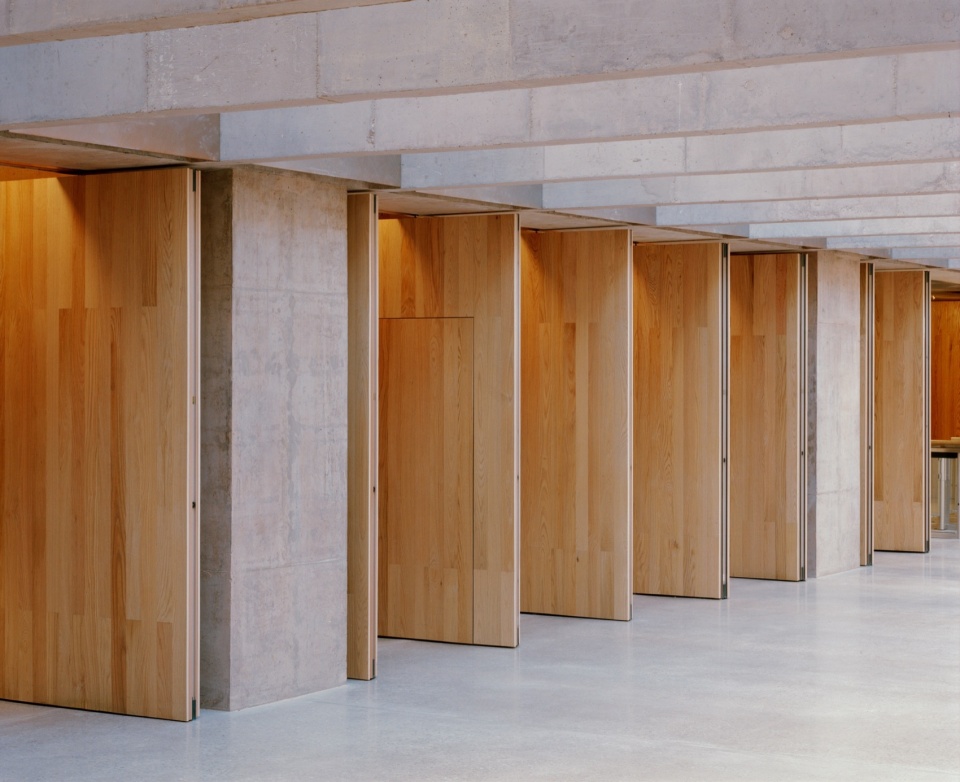
▼光影,light and shadow
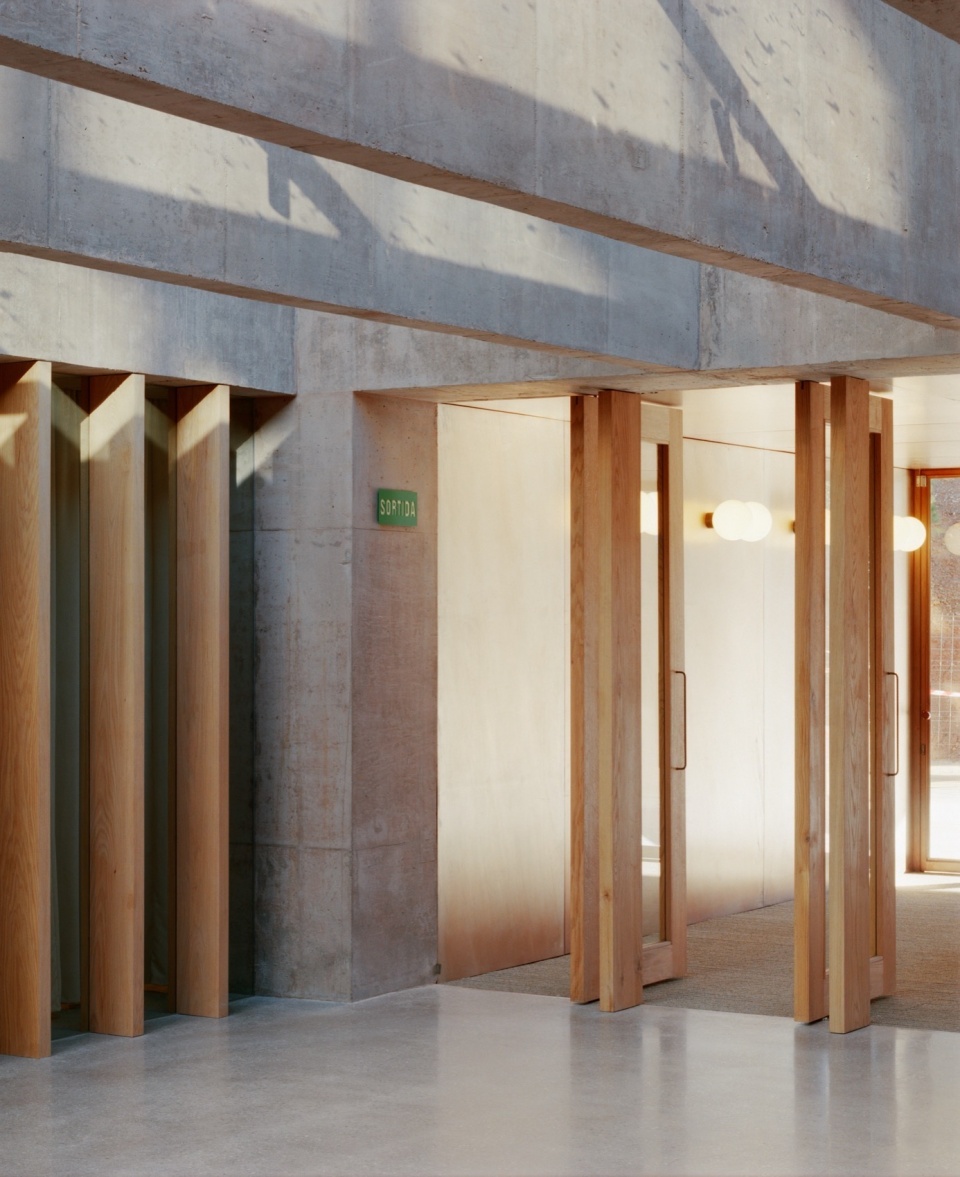
▼细部,details
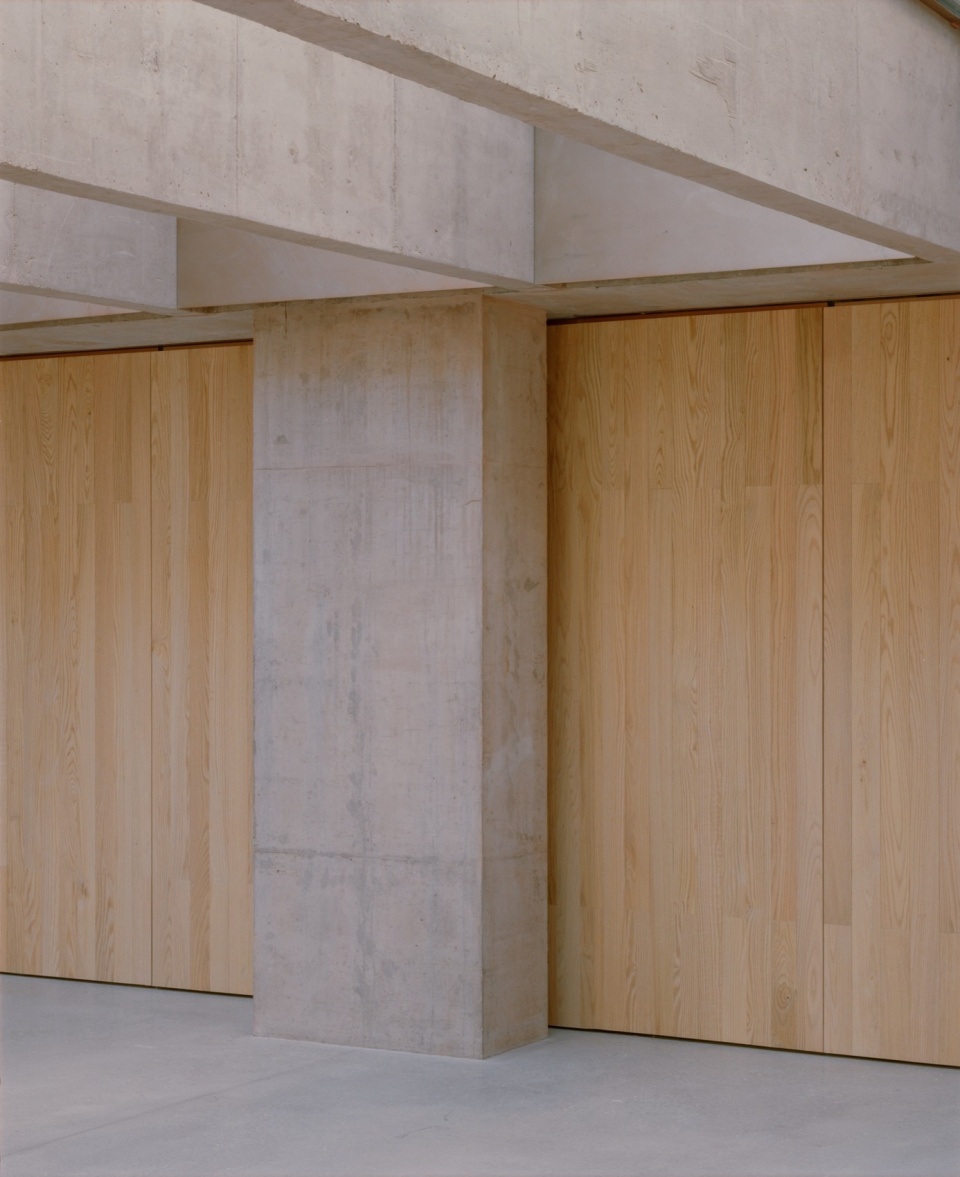
▼走廊,hallway
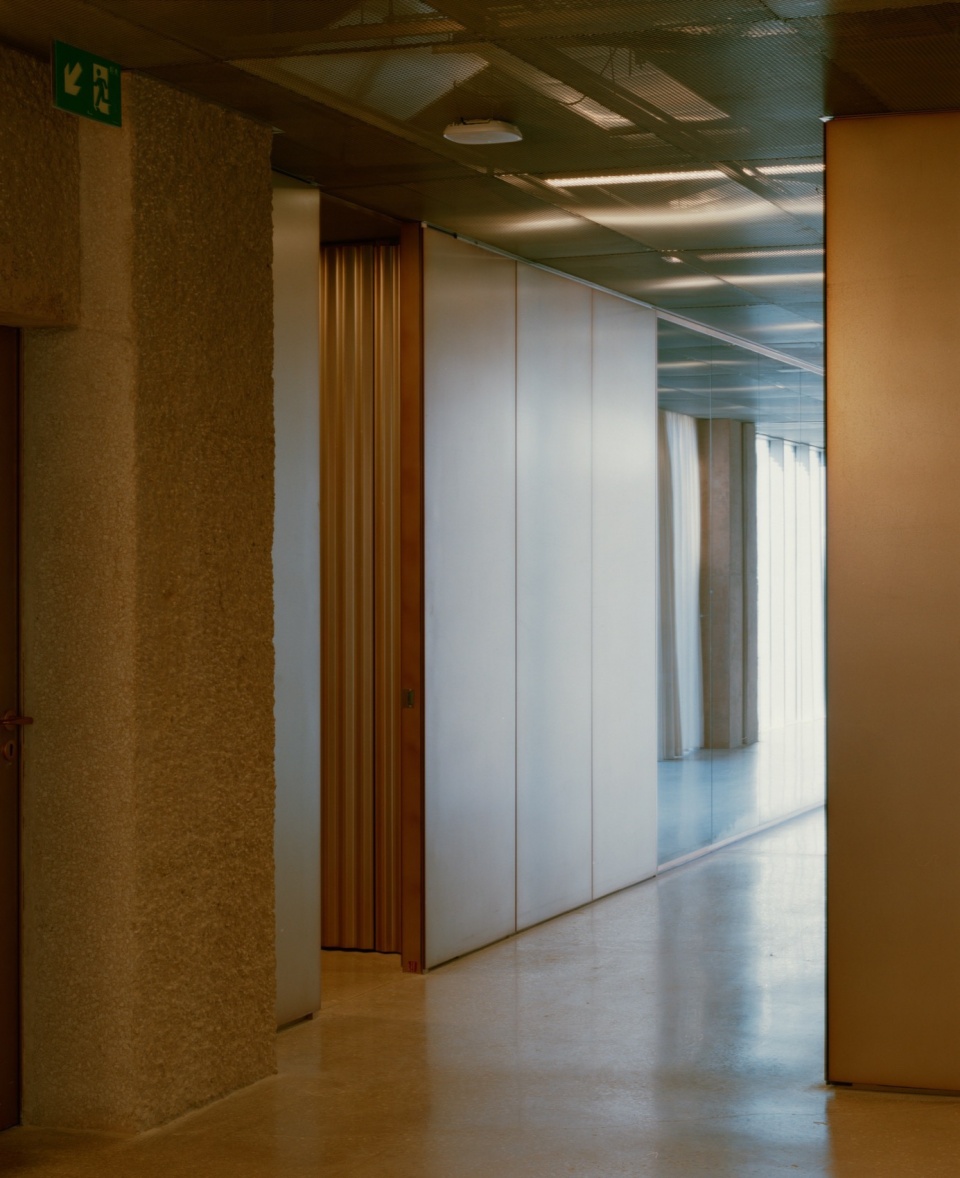
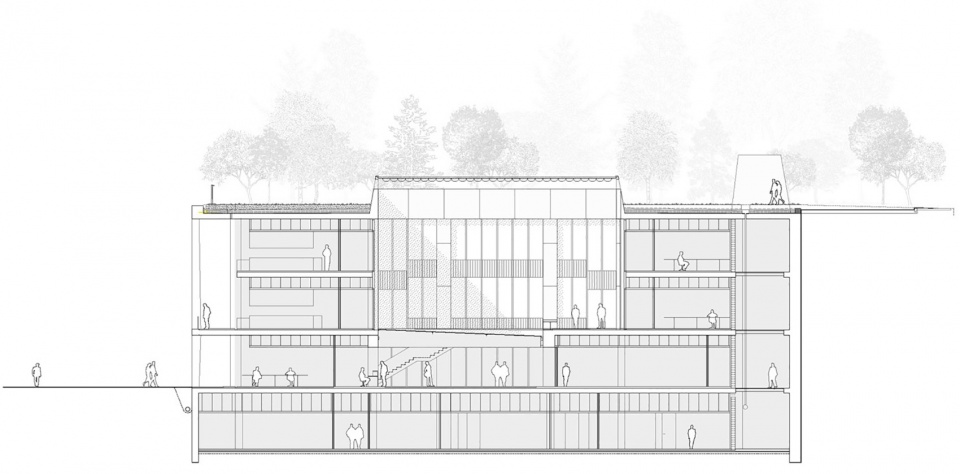
建筑平面由三个庭院组织,其中一个庭院与主立面相连,形成一个公共广场,立面上设置了纵向延展的露台,将实验室与室外空间相连。围绕庭院布置的实验室形成一张流线网络,融合室内与室外空间,营造出供休憩与社交的复合区域。
The floor plan is defined by three courtyards, one of which opens onto the façade to form a public square, along with terraces that run the length of the façade and link the laboratories with the outdoors. The laboratories, arranged around the three courtyards, create a network of routes that combine interior and exterior spaces, generating areas for leisure and social interaction.
▼办公区走廊,hallway
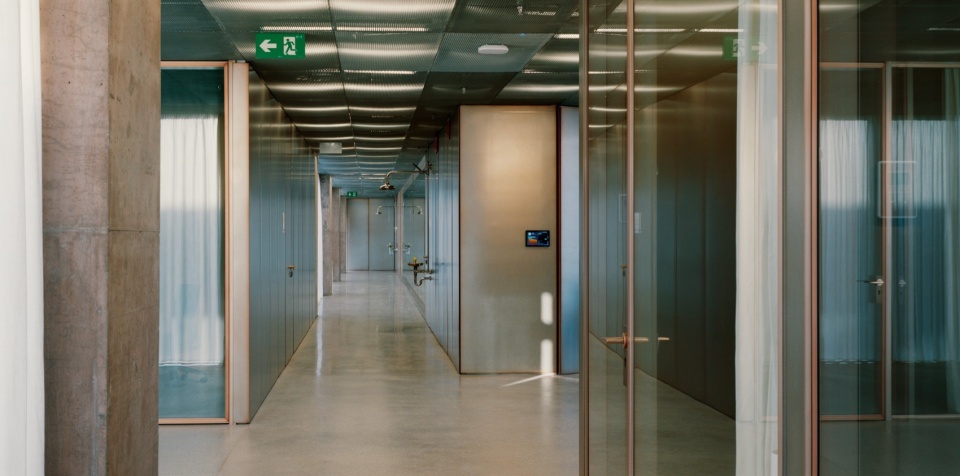
▼沿立面空间,space along the facade
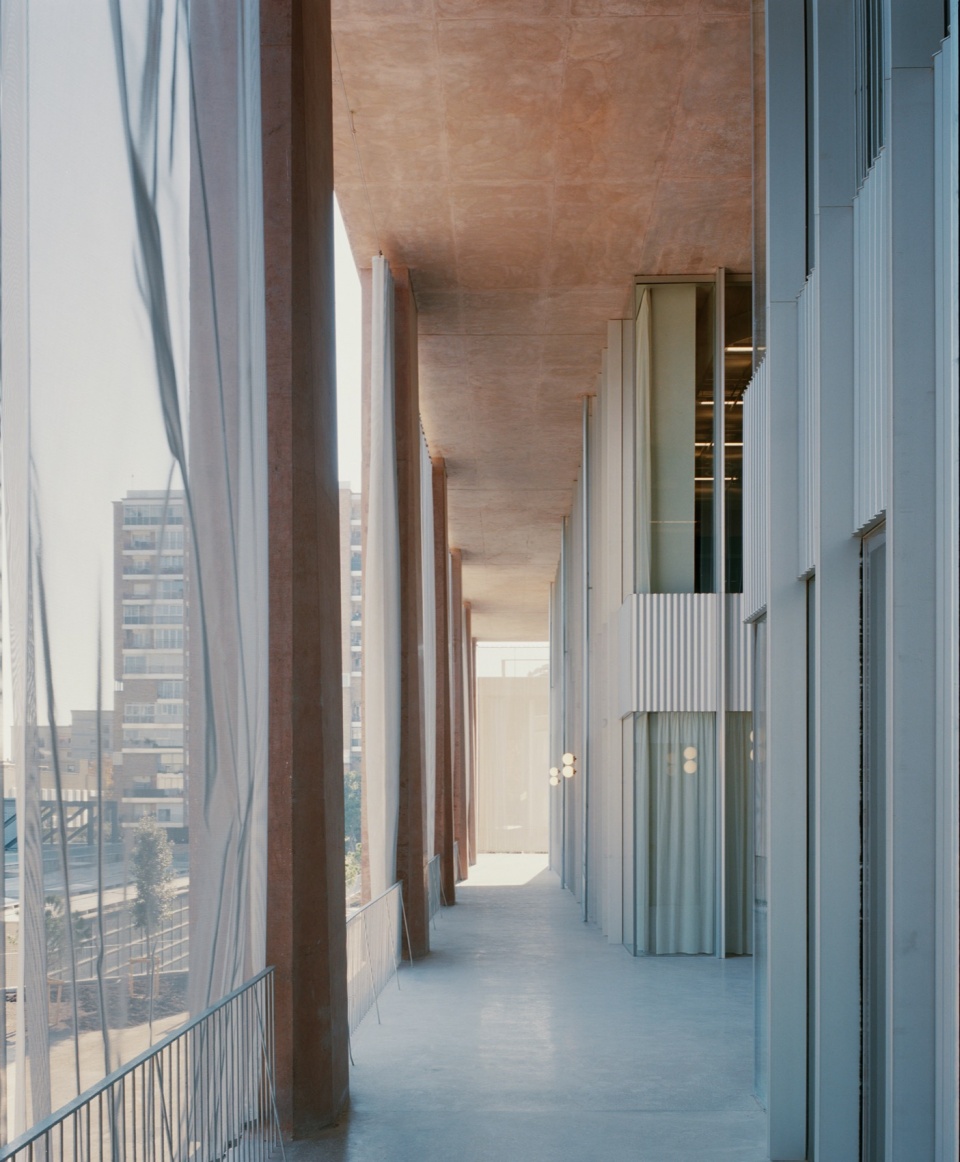
▼细部,details
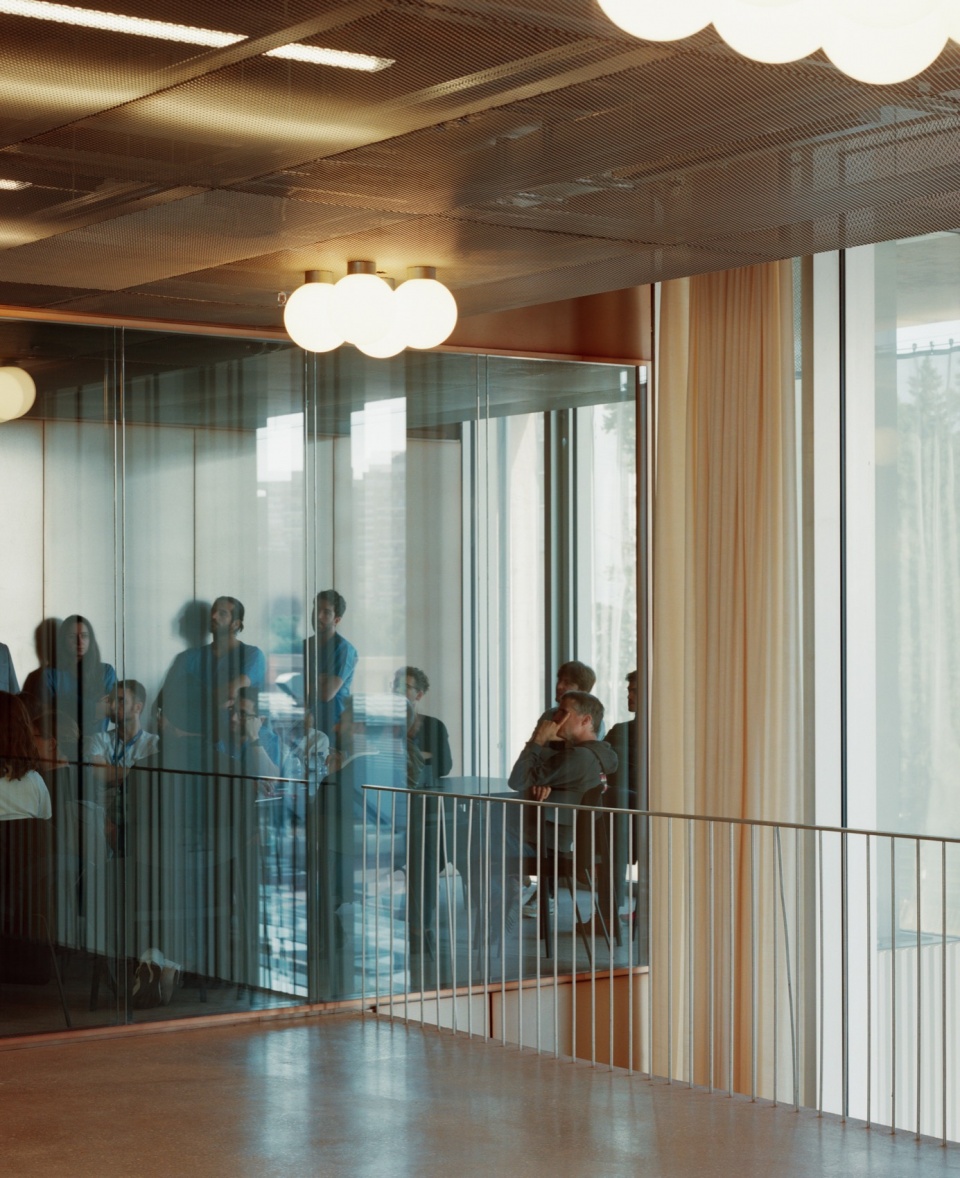
▼楼梯,staircase
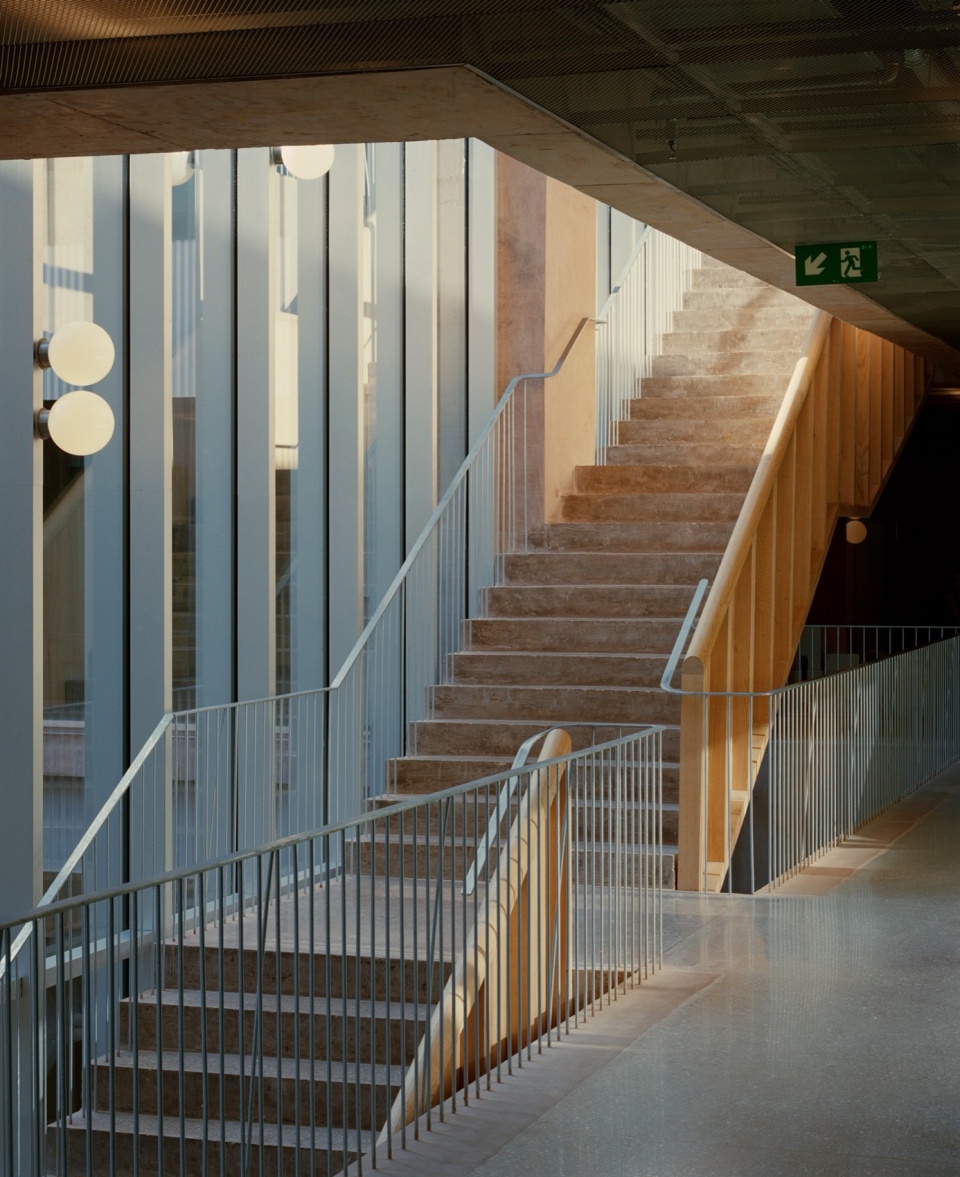
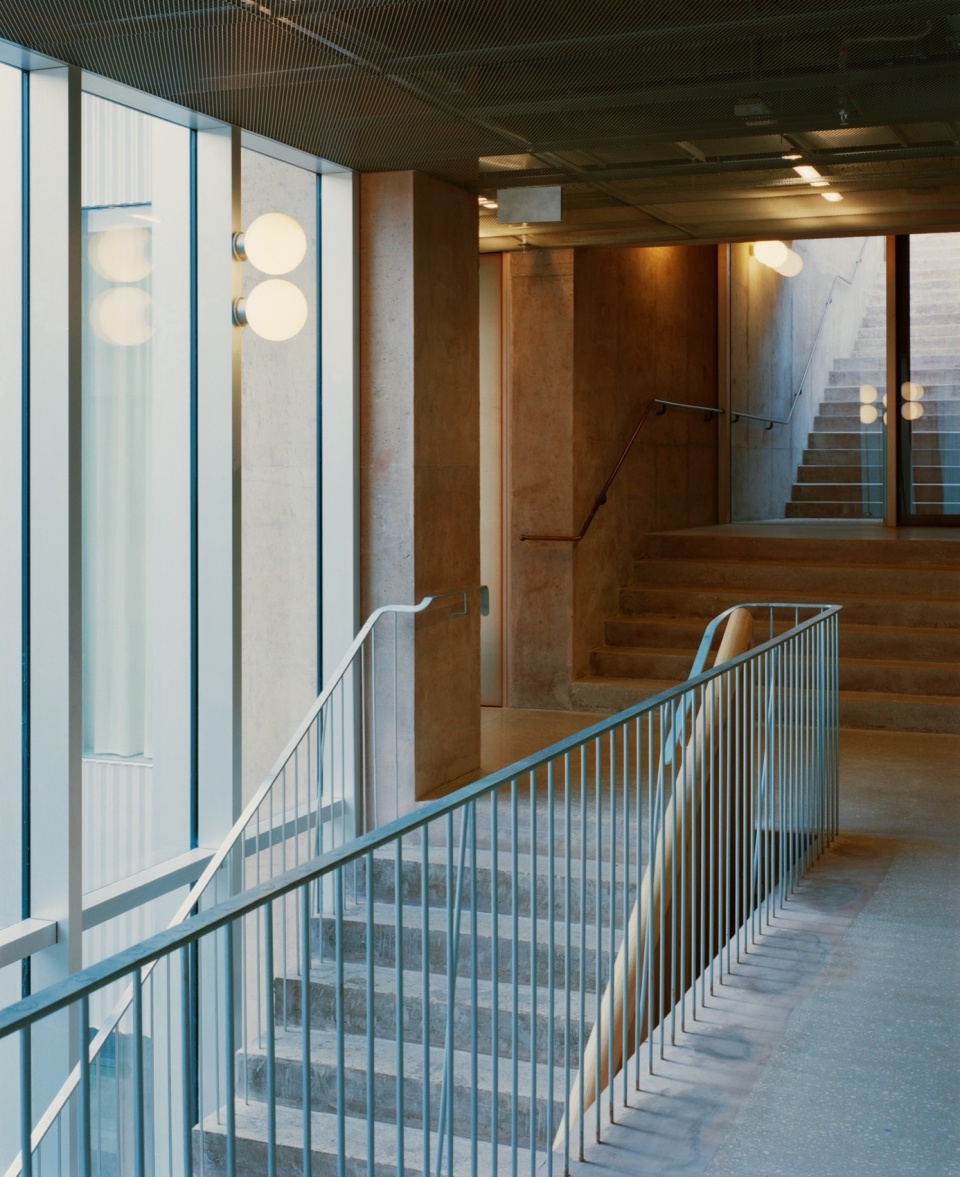
▼楼梯,staircase
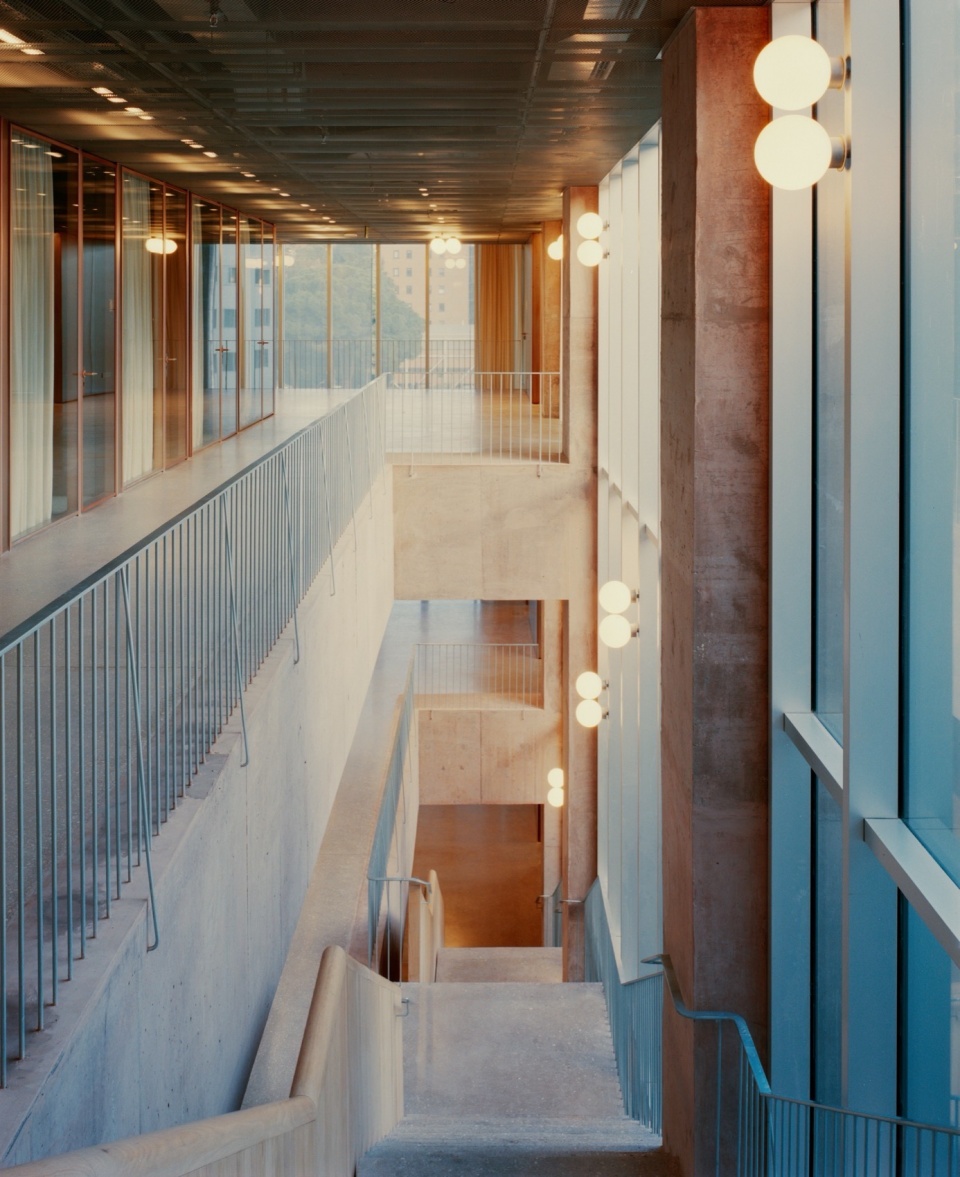
▼底层楼梯,top floor staircase
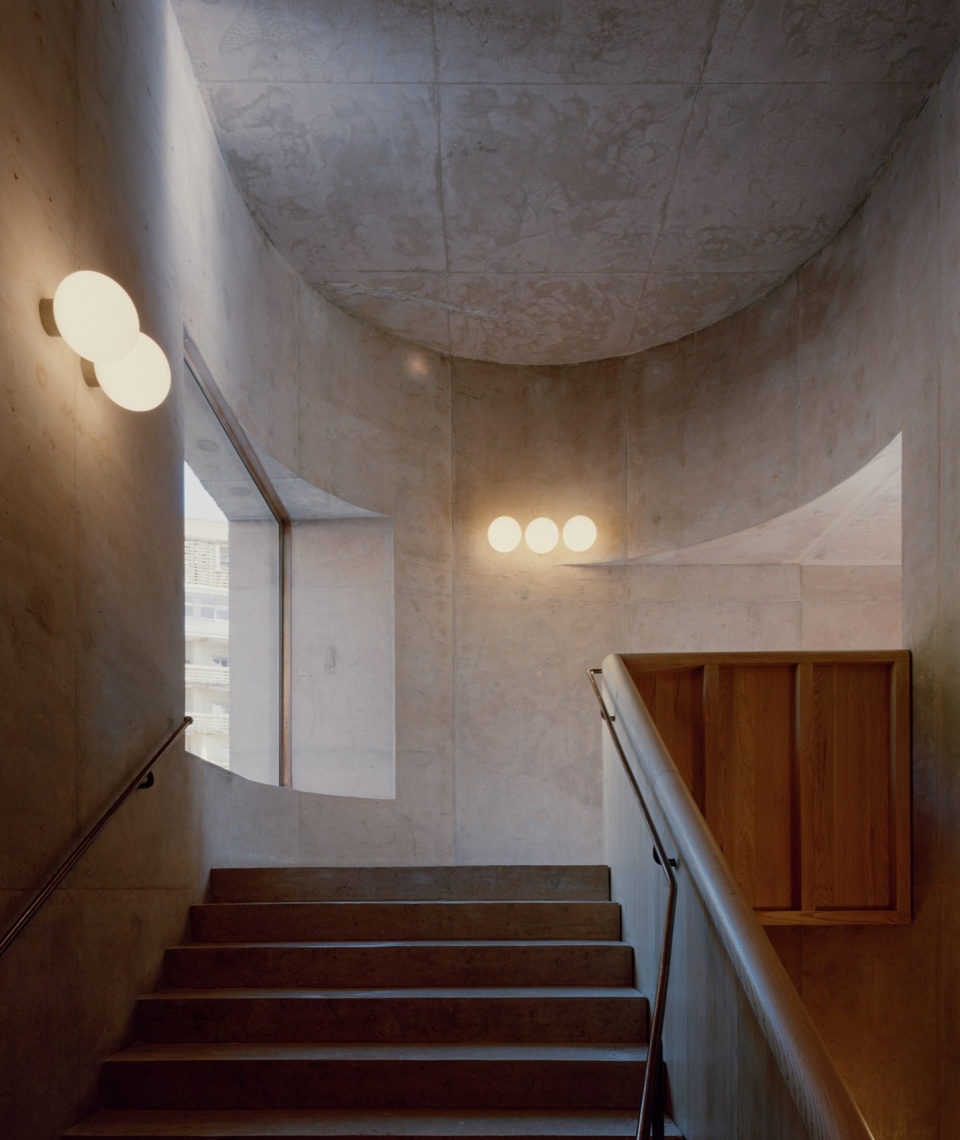
▼地下层平面图,basement floor plan
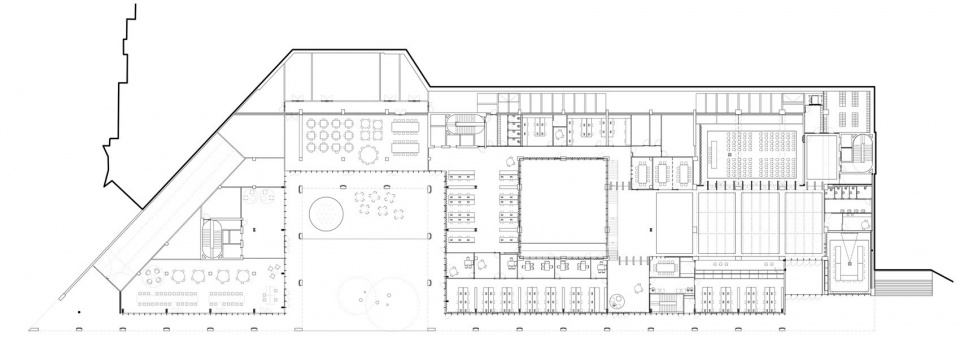
▼一层平面图,ground floor plan
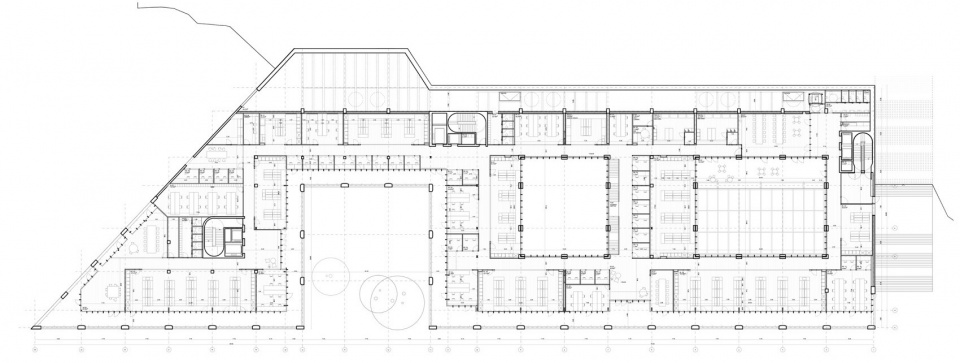
▼二层平面图,first floor plan
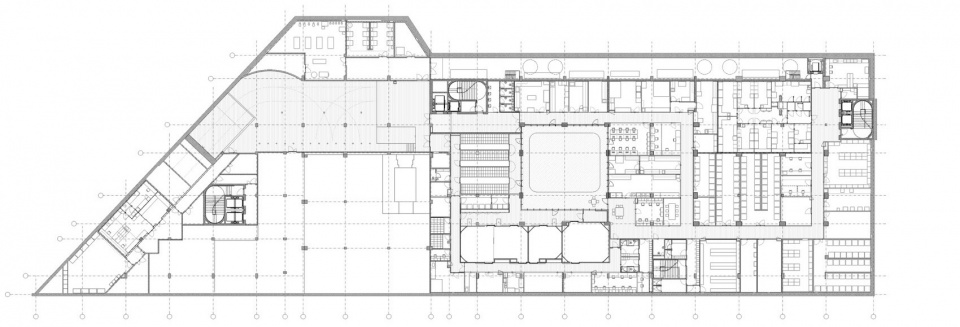
▼场地剖面图,site section

▼立面图与剖面图,elevation and section
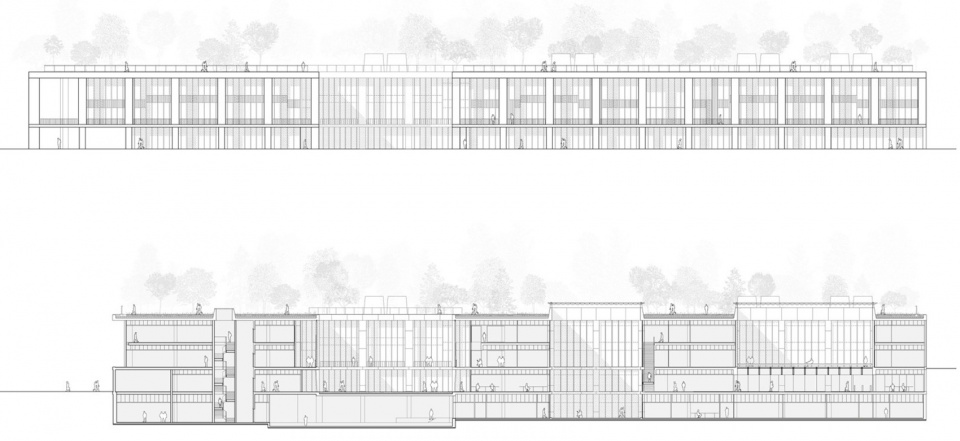
▼剖面图,section
Location: Vall d’Hebron Hospital Campus, Barcelona, Spain
Surface area: 17,000 m²
Authors: BAAS arquitectura (Jordi Badia, Jero Gutiérrez) + ESPINET/UBACH (Miquel Espinet)
Team: Eva Olavarria, Leandro Petrazzini, Laura Grau, Estela Roca, Eulàlia Martín
Collaborators: BIS (structures), PGI (installations), Ardèvols (budgeting), Jornet Llop Pastor (urban planning), Albert Bestard (green consultant), Virginia Otal + Enric Peña (site management)
Completion date: July 2024
Competition date: May 2017 (jury: David Chipperfield, Anne Lacaton, Carlos Ferrater, Beth Galí, Marta Thorne, and Jaume Plensa)
Developer: Vall d’Hebron Research Institute (VHIR), CatSalut, Vall d’Hebron Contractor: Calaf + Agefred
Photography: Gregori Civera
Awards: Finalist – La Casa de la Arquitectura Awards
Shortlisted – CSCAE Awards 2025 (ongoing)
FAD Award opinion 2025
FAD Award 2025