Guadalupe住宅,西班牙 / HANGHAR
Guadalupe体现了HANGHAR对于一种当代住宅形式的坚持:这种住宅扎根于工业化建造方式,能够在不失去与阿斯图里亚斯景观联系的前提下,将效率、可持续性与材料品质相结合。从类型学角度来看,这座住宅深植于当地语境之中,其原型来自两种深深嵌入阿斯图里亚斯地域文化的建筑形式:农业谷仓与“casa mariñana”传统住宅。在这一看似郊区、实则更偏乡村的环境中,这些类型仍然塑造着土地格局、尺度关系以及地块占用方式。Casa Guadalupe从中汲取了清晰的体量逻辑、与地面及气候之间的直接关系,以及一种克制的建造方式,并通过当代语言与干式预制建造体系重新加以诠释。
Guadalupe represents HANGHAR’s commitment to a contemporary form of housing grounded in industrialized construction, capable of combining efficiency, sustainability, and material quality without losing its connection to the Asturian landscape. From a typological standpoint, the house is rooted in the local context through two figures that are deeply embedded in Asturian territory: the agricultural shed and the casa mariñana. In a suburban environment that is in fact more rural than residential, these typologies continue to organize the territory, its scale, and the way plots are occupied. Casa Guadalupe draws from them its clear volumetric logic, its direct relationship to the ground and the climate, and a restrained way of building, all reinterpreted through a contemporary language and a dry, prefabricated construction system.
▼沿地形展开的线性体量,Linear volume extending along the terrain
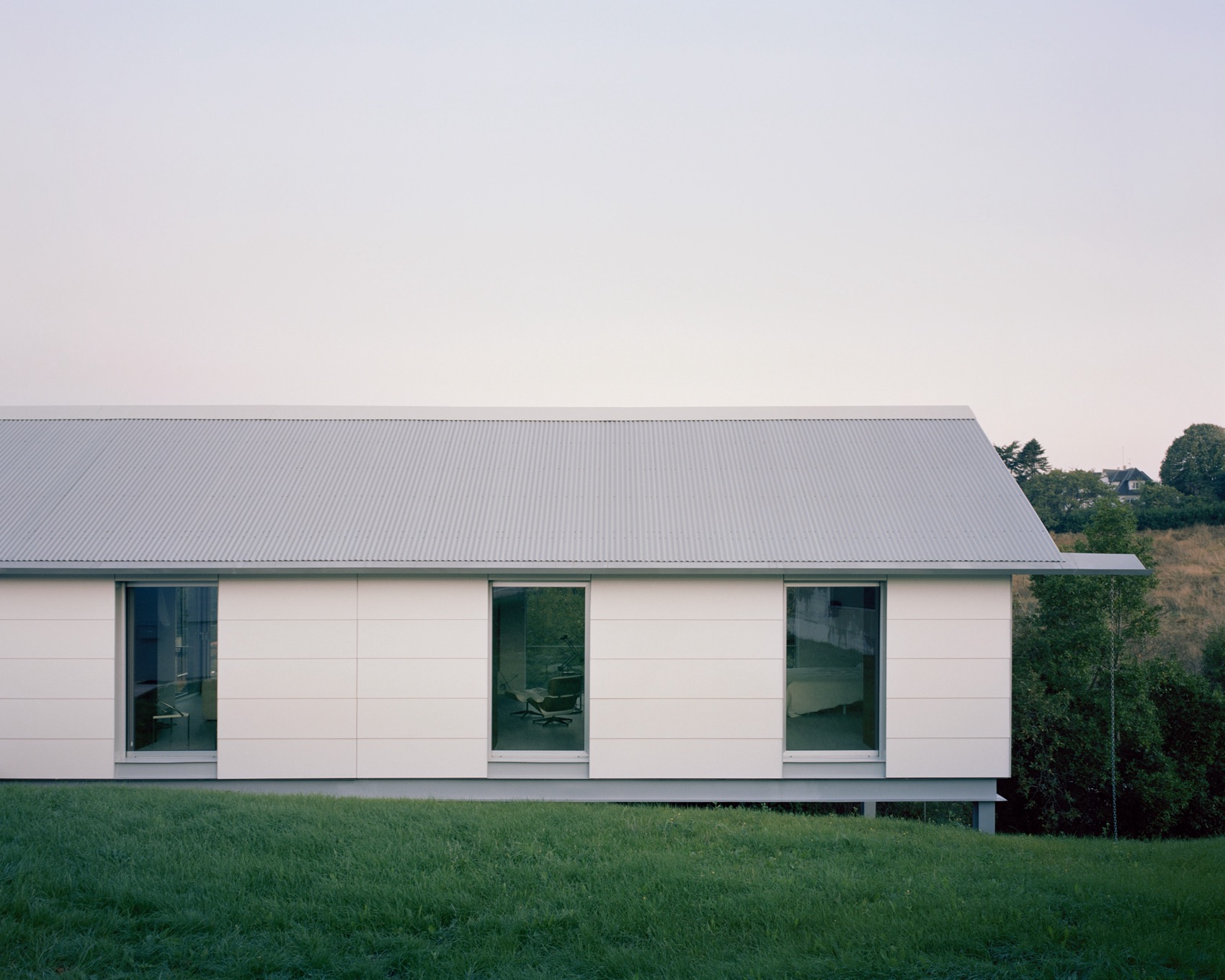
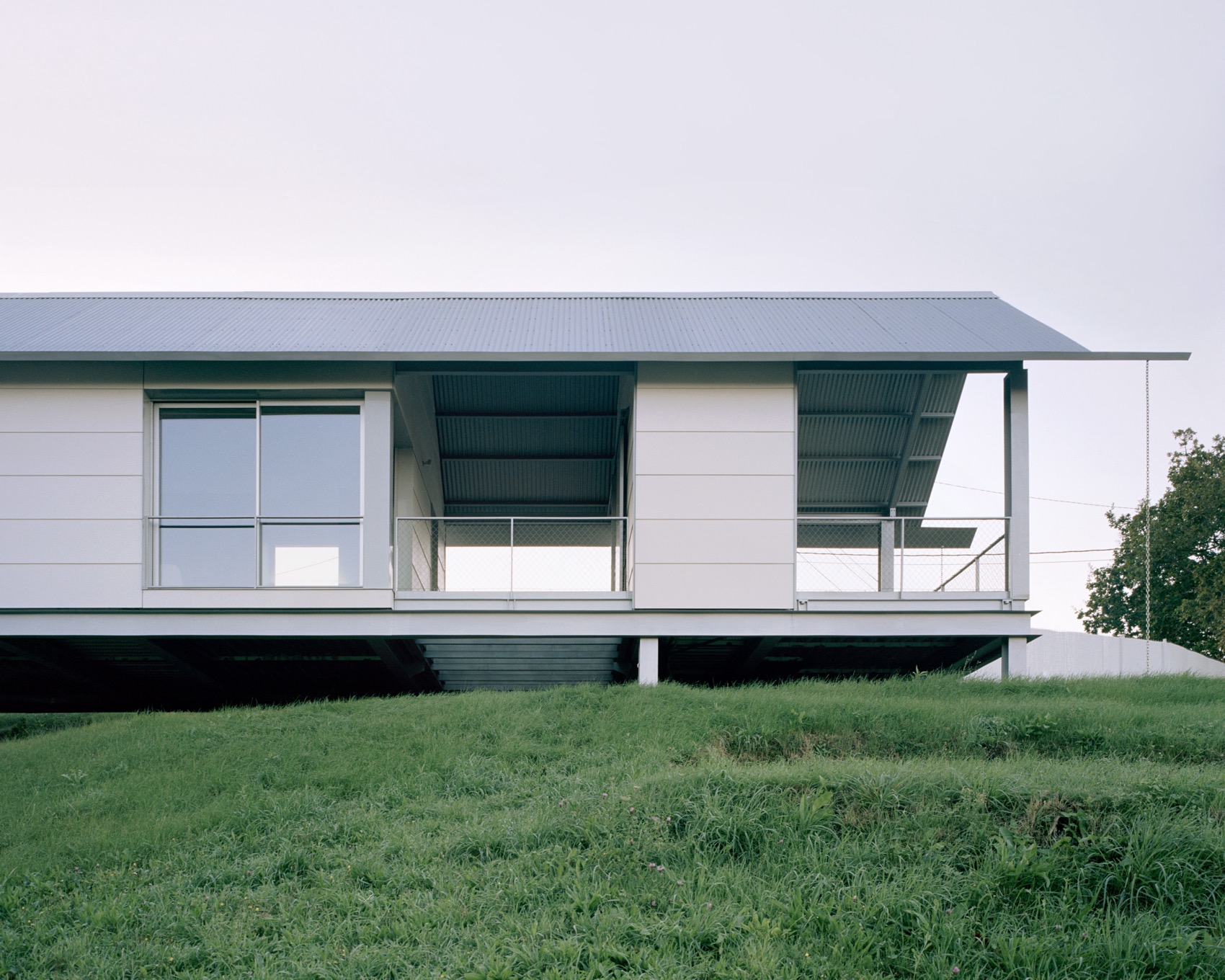
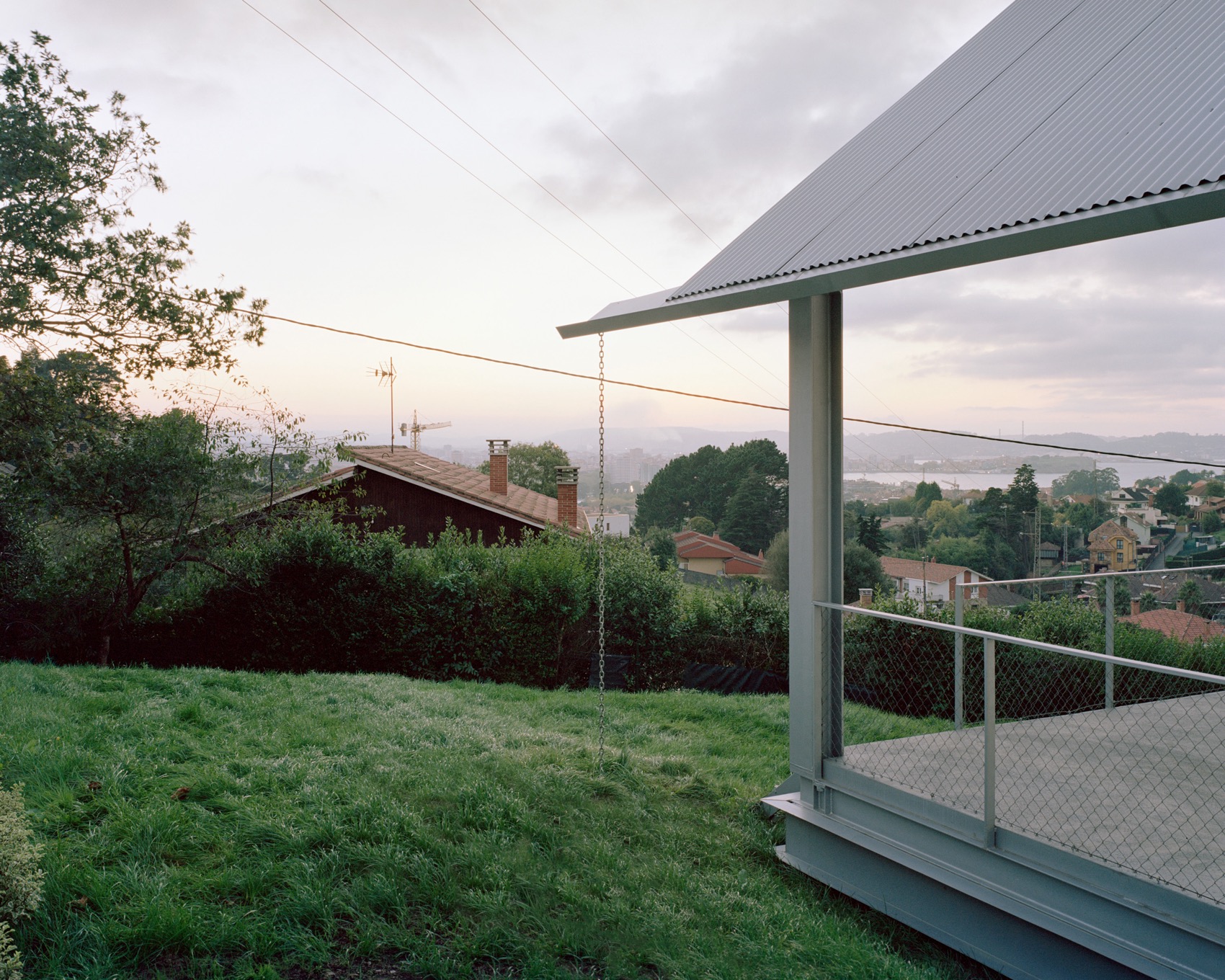
▼住宅体量面向远处城市景观,House volume facing the distant urban landscape
住宅的全部构件均在工厂车间内完成制造,从而能够精准控制饰面质量与生产周期。建筑通过半挂卡车运输至现场,并在极短时间内完成组装:主体结构在48小时内便已搭建完成。与传统建造方式相比,这一过程显著缩短了施工周期,减少了对场地的干扰,同时也证明工业化系统同样能够实现高水平的建造品质。
▼爆炸图,Exploded axonometric diagram
▼预制模块在现场进行吊装安装,
Prefabricated modules being lifted into place on site
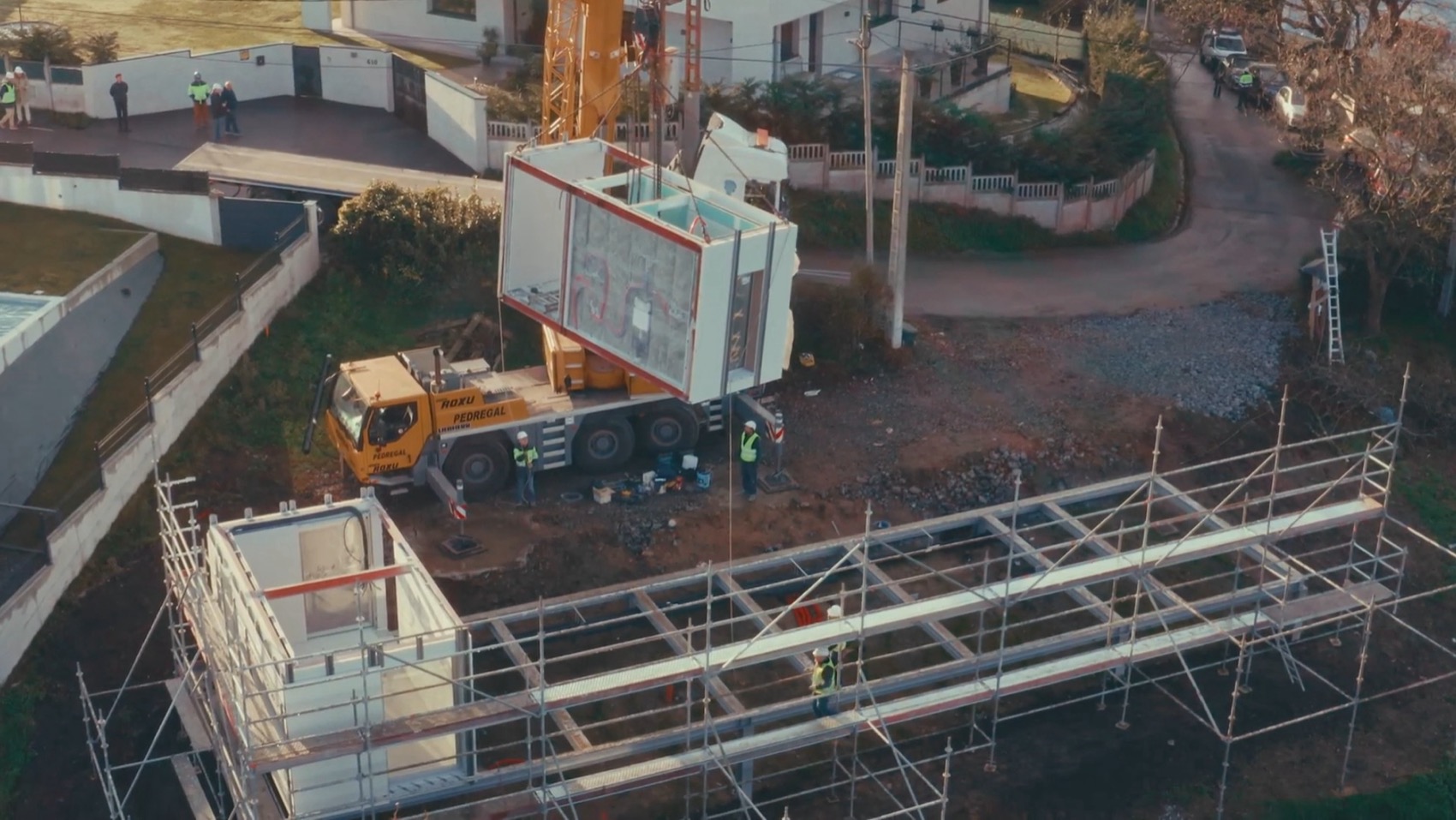
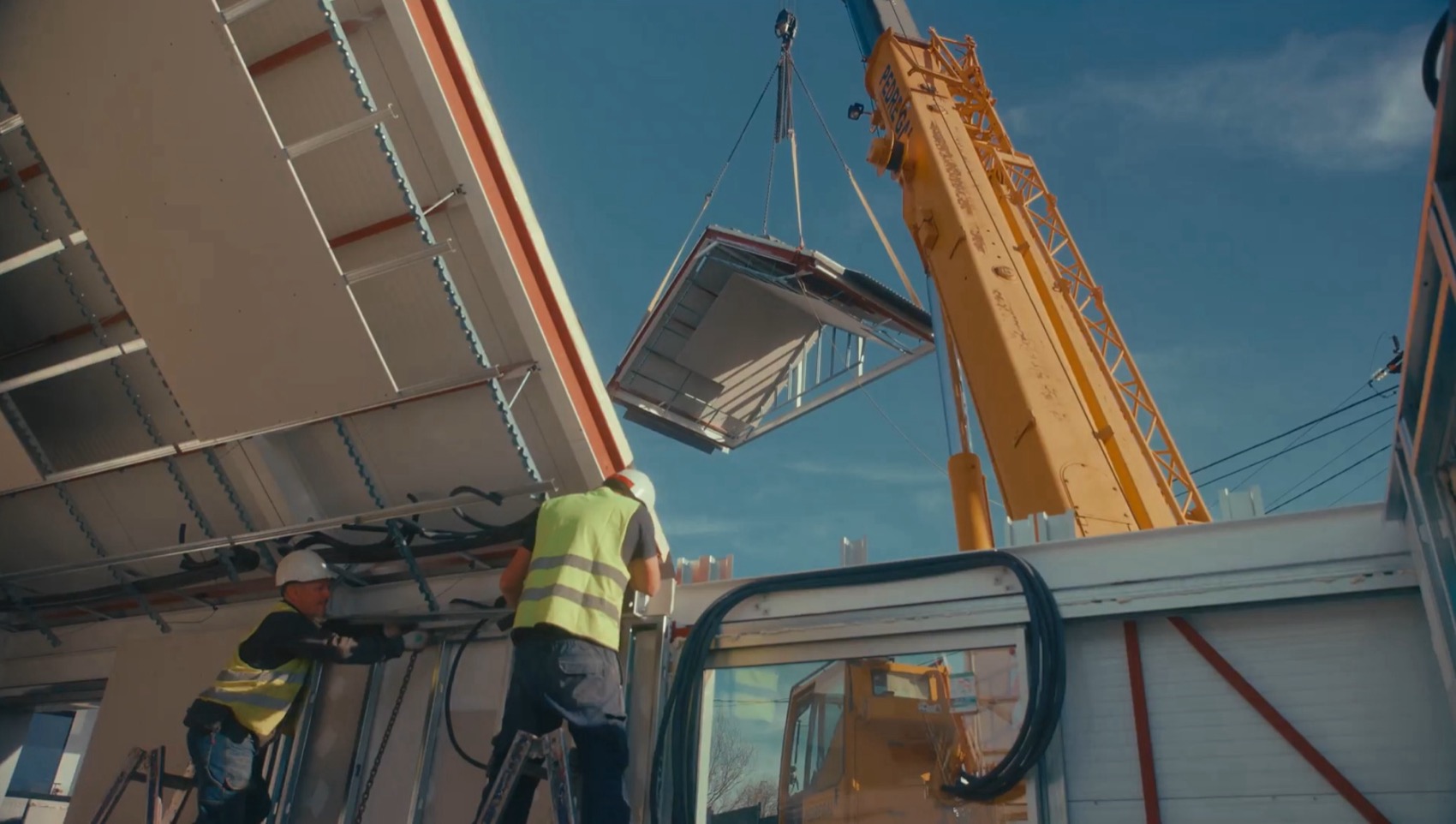
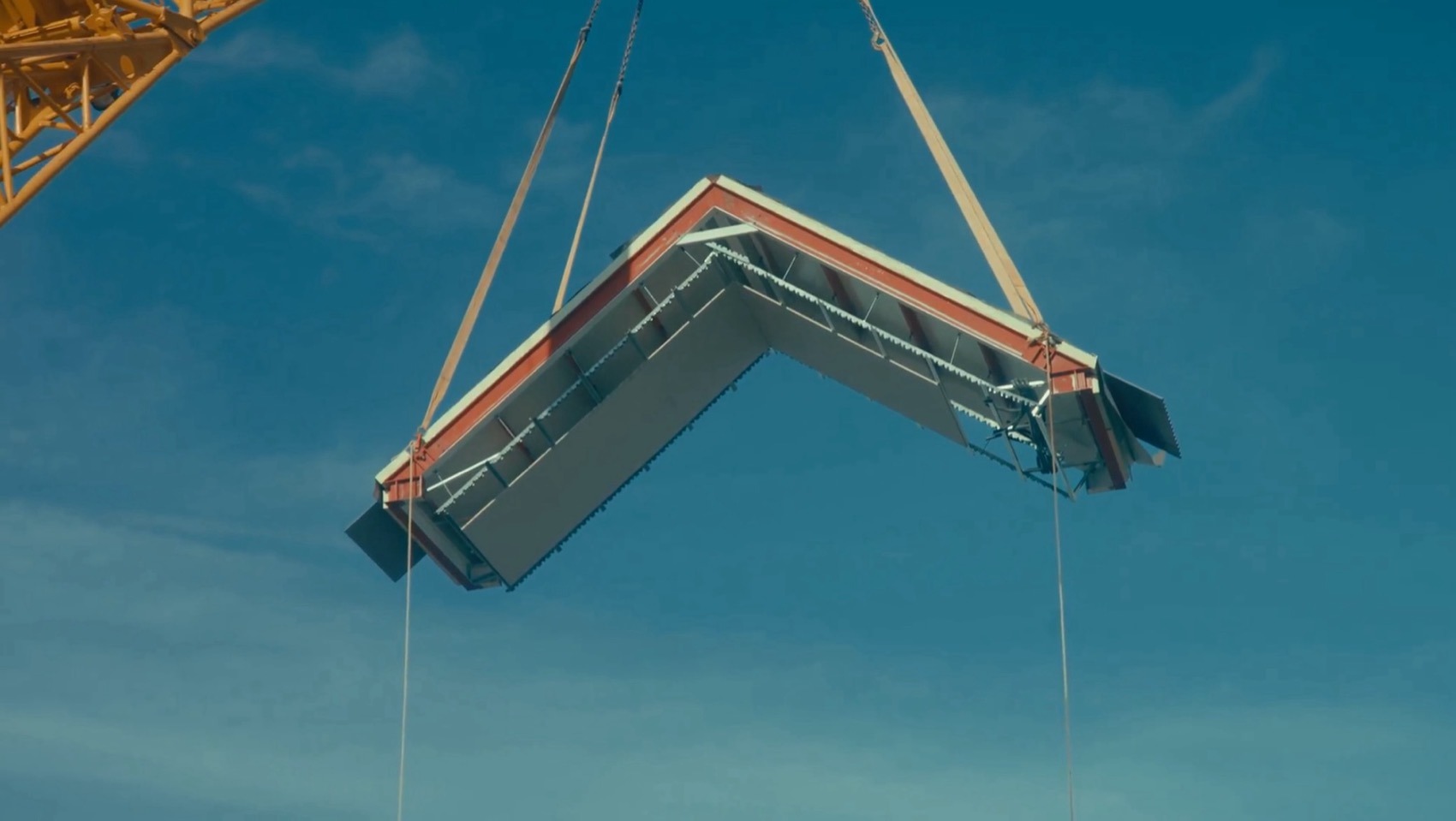
The house is fully fabricated in a workshop, allowing for precise control over both finishes and production timelines. It was transported by semi-trailers and assembled on site in a very short time: the main structure was in place within 48 hours. This process significantly reduced construction time compared to conventional building, limited the impact on the site, and demonstrated that industrialized systems can achieve a high level of construction quality.
▼架空结构顺应坡地地形,Elevated structure adapting to the sloped terrain
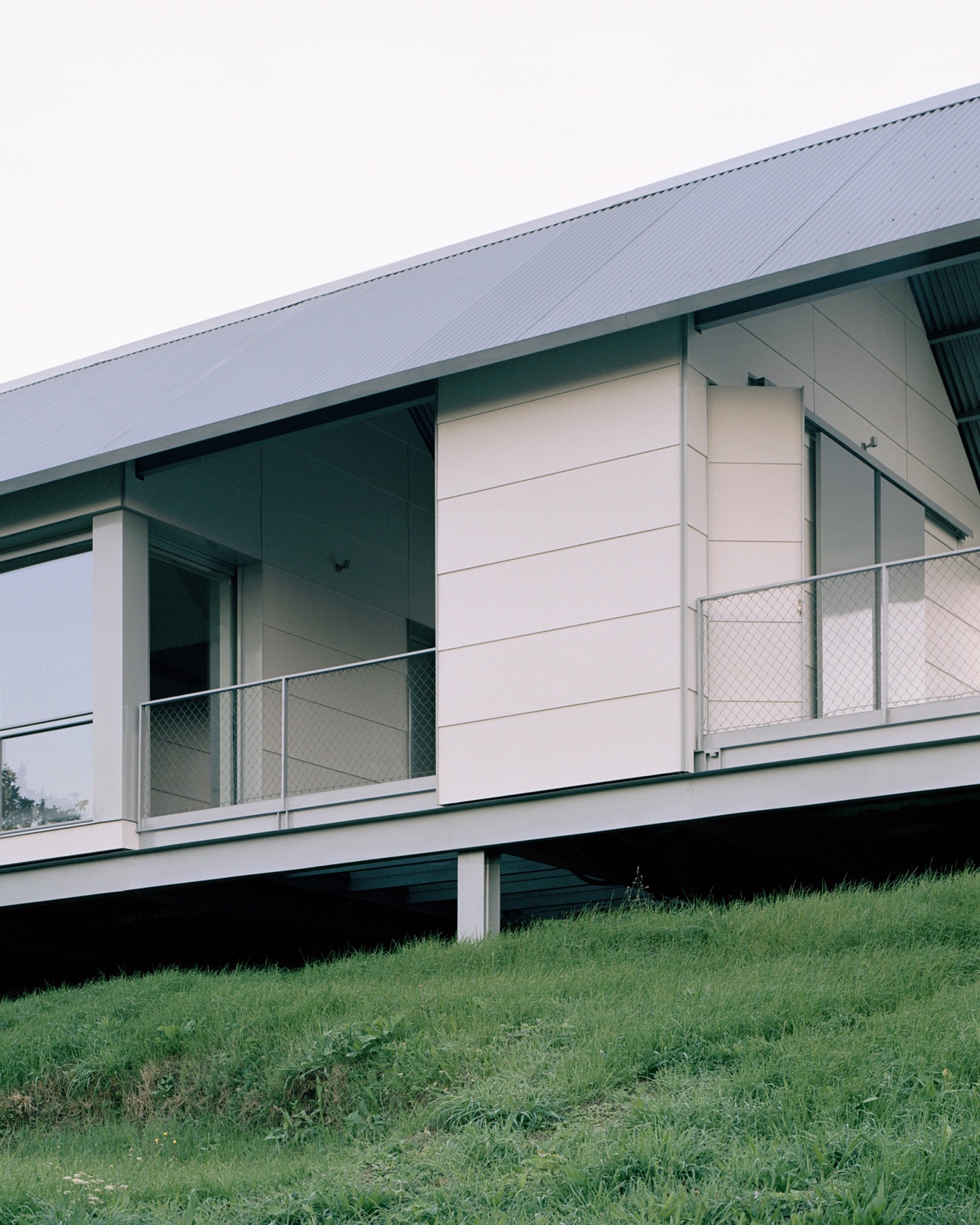
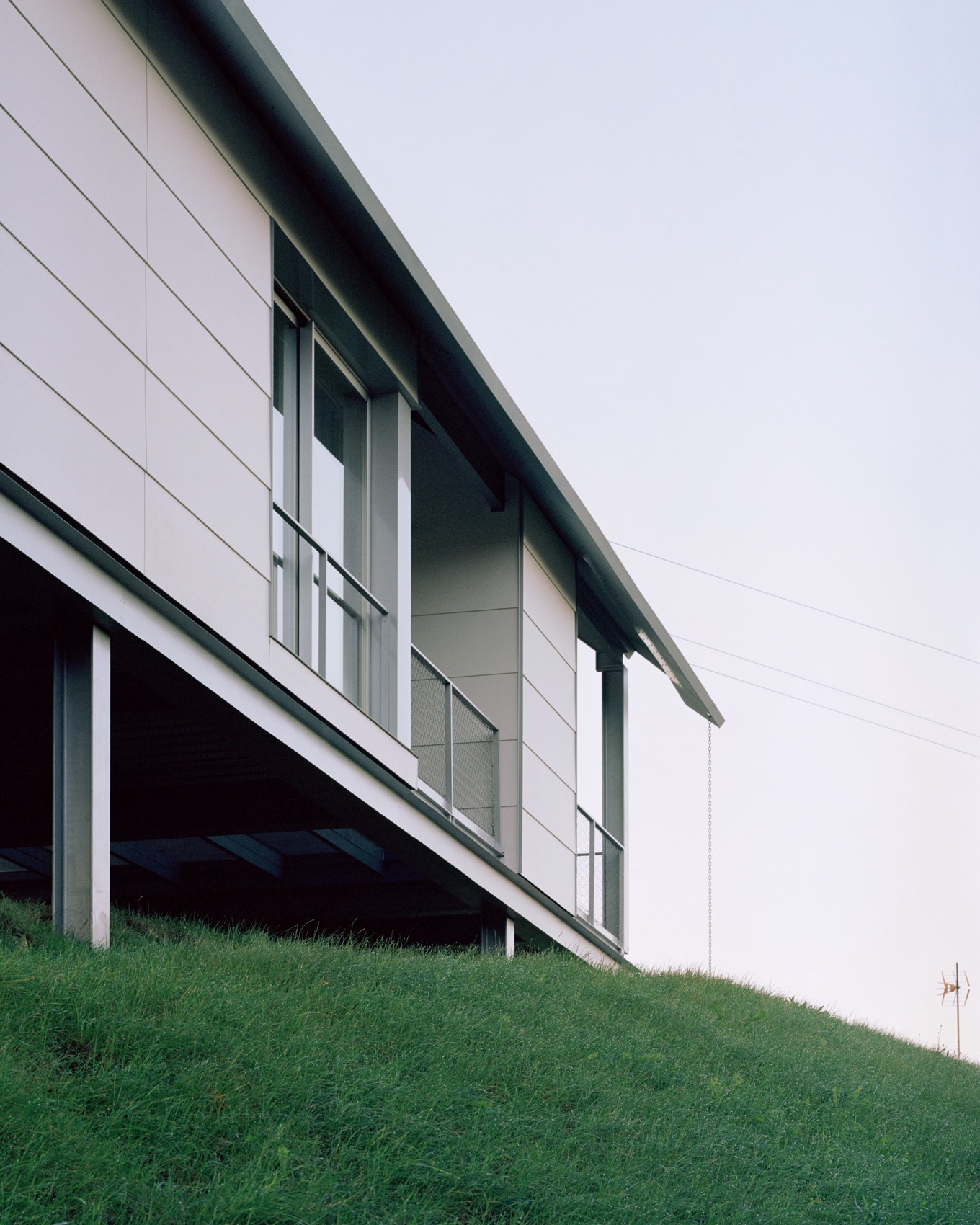
▼金属格栅地面形成通风平台,Metal grating floor forming a ventilated platform
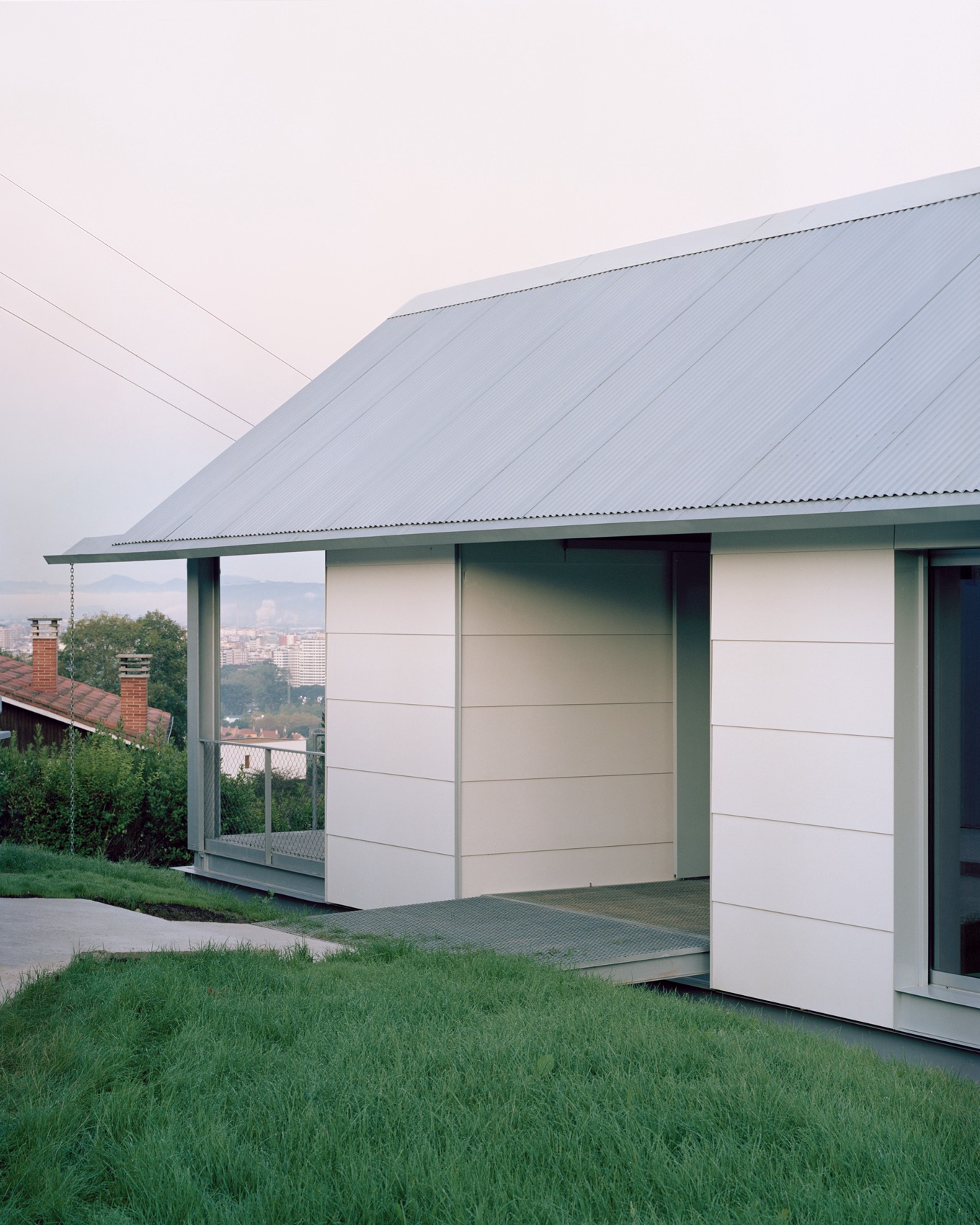
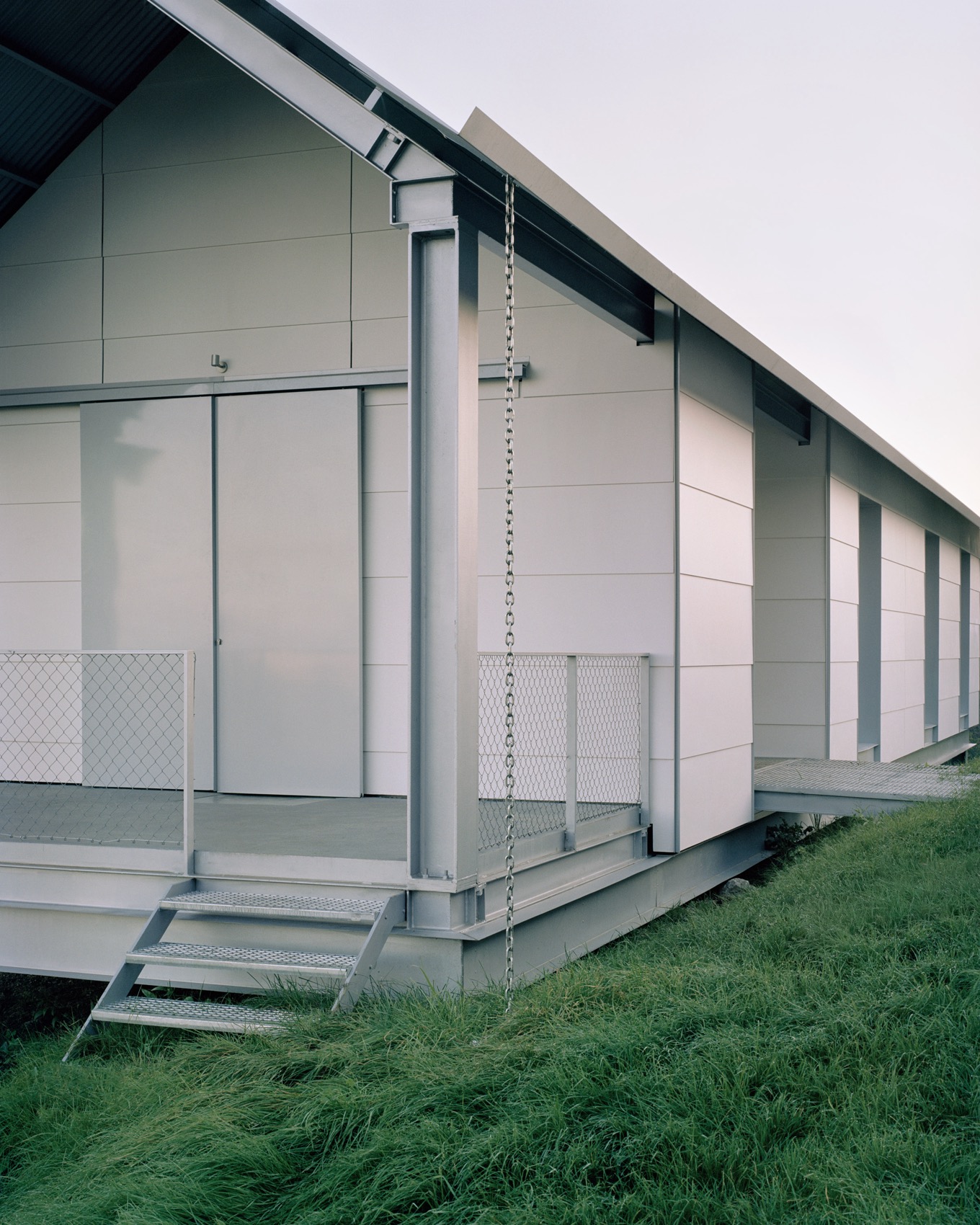
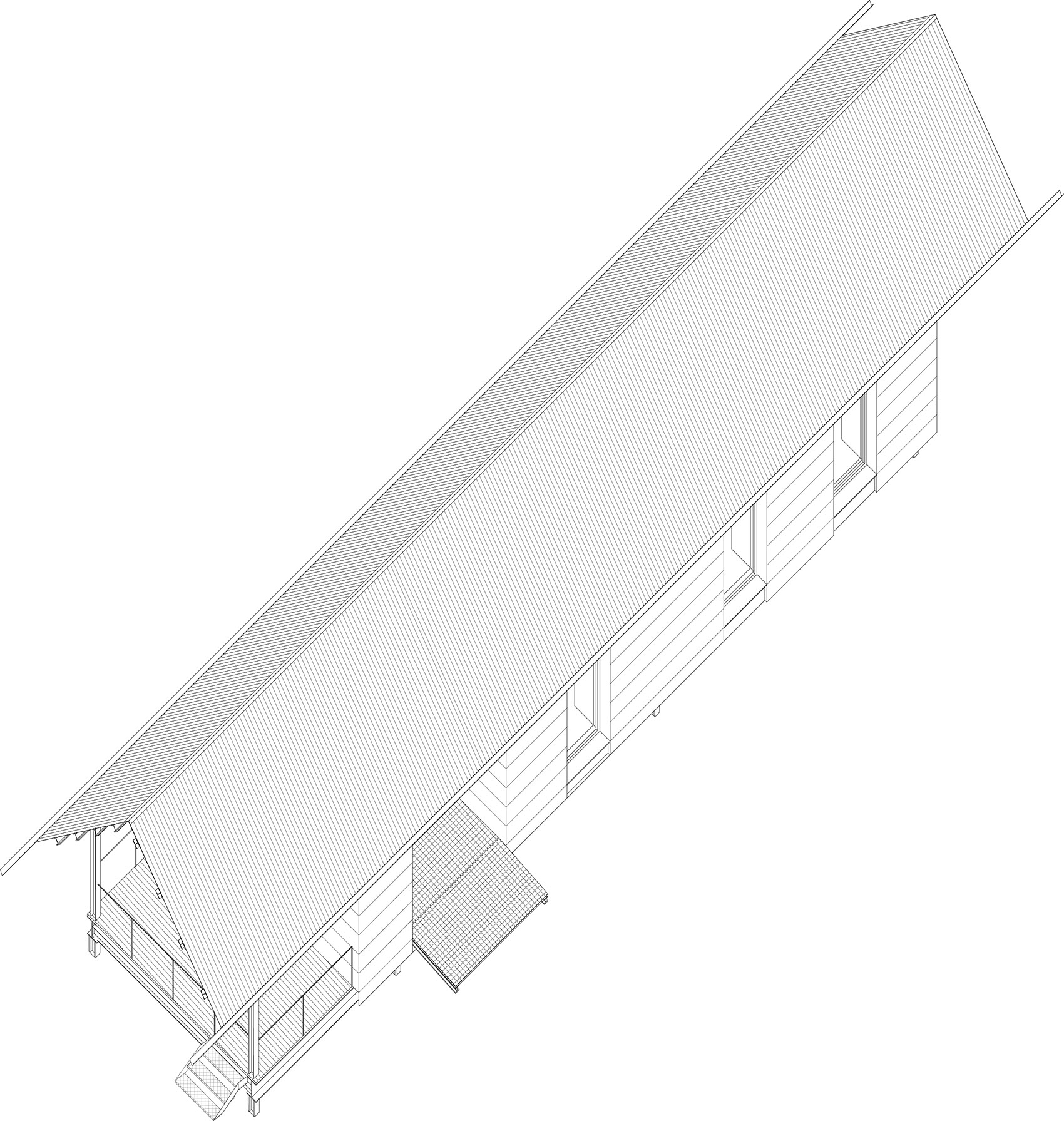
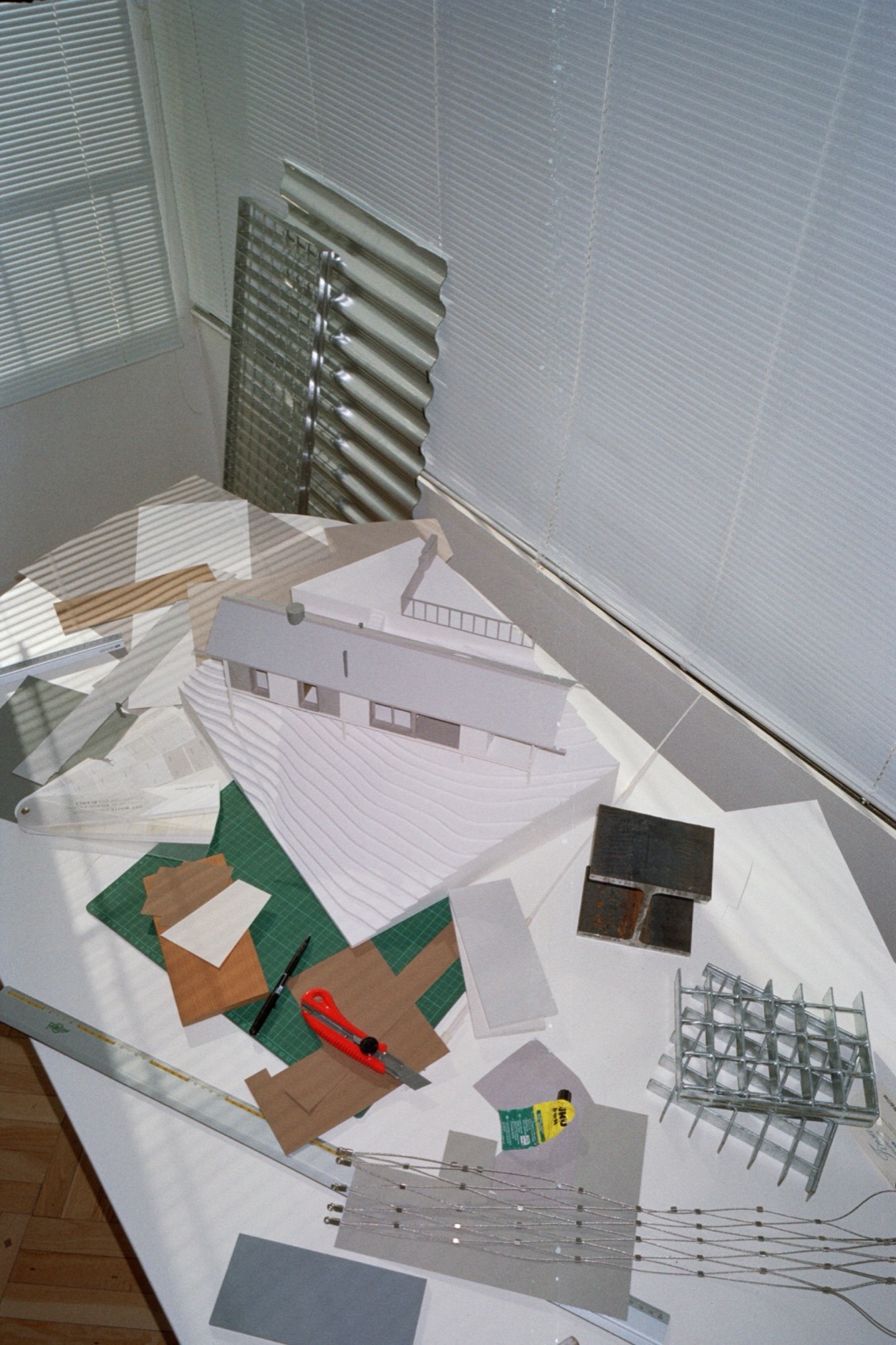
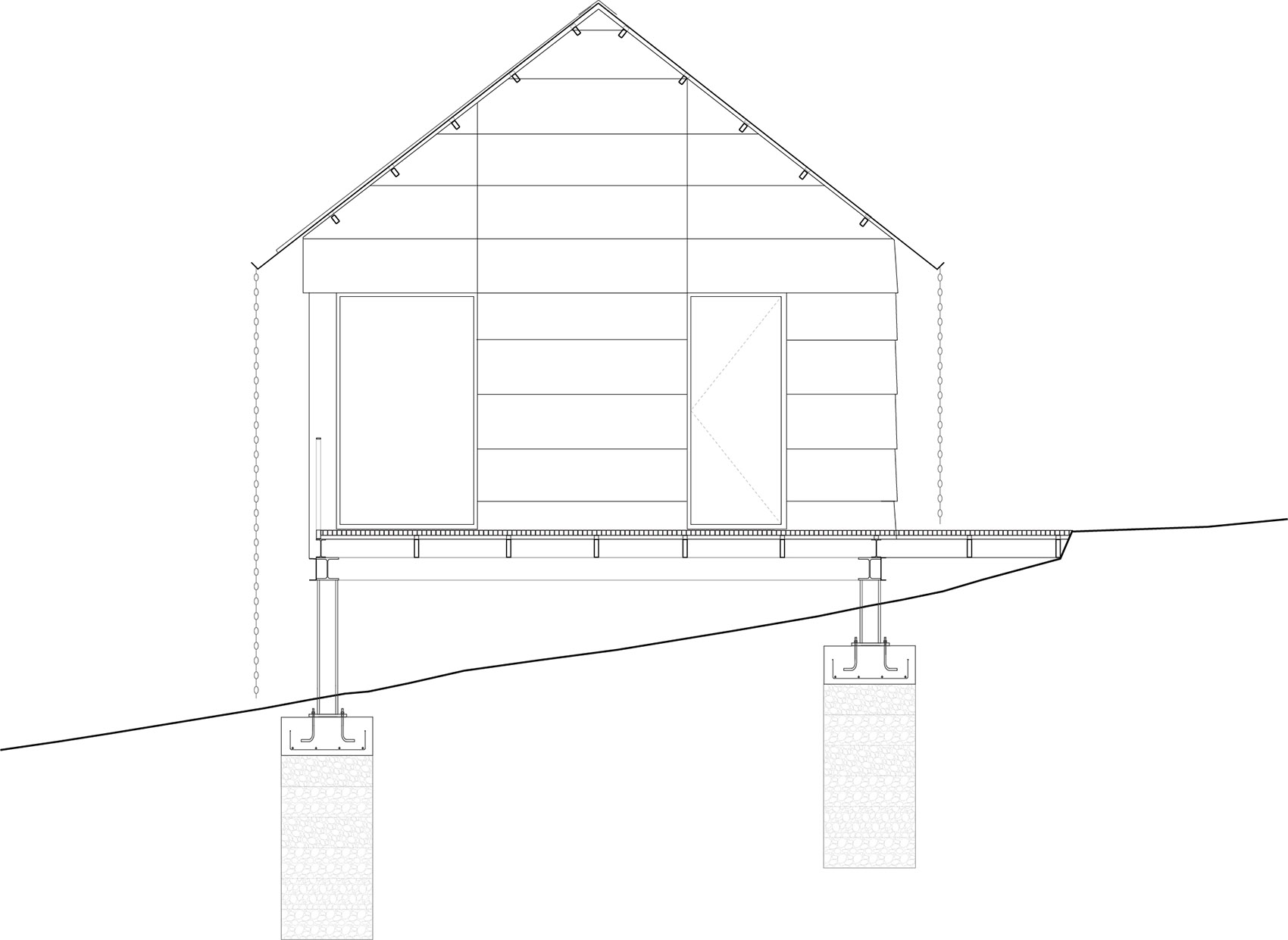
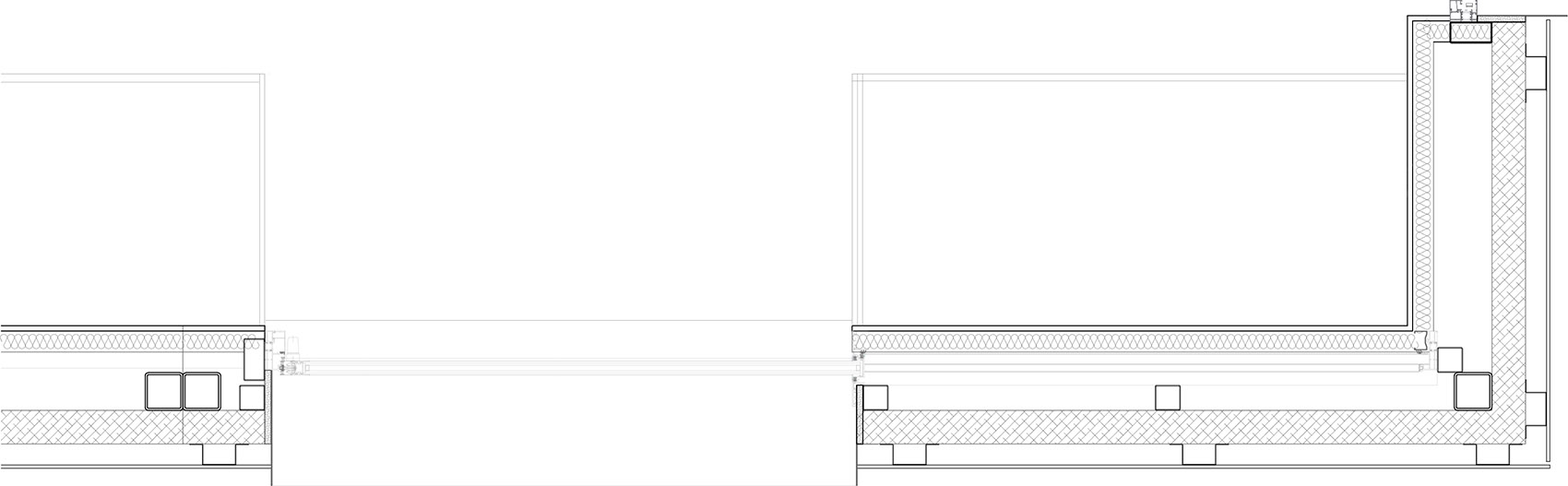
建筑在场地中的布置回应了地形的不规则性,以及尽可能轻触土地的设计意图。因此,住宅被架设于一套独立基础墩系统之上,以适应现有地形、减少土方工程,并保留场地原有的自然状态。材料选择遵循建造效率、耐久性以及湿润多变气候条件下热工性能的标准。建筑采用轻型钢结构、夹芯板通风外墙、保温空气层以及波纹金属屋顶,共同构成一个统一、高效且易于在工厂制造阶段进行控制的建造体系。
▼轴测图,Axonometric diagram
▼住宅模型制作过程,
Architectural model showing the integration between the house and sloped terrain
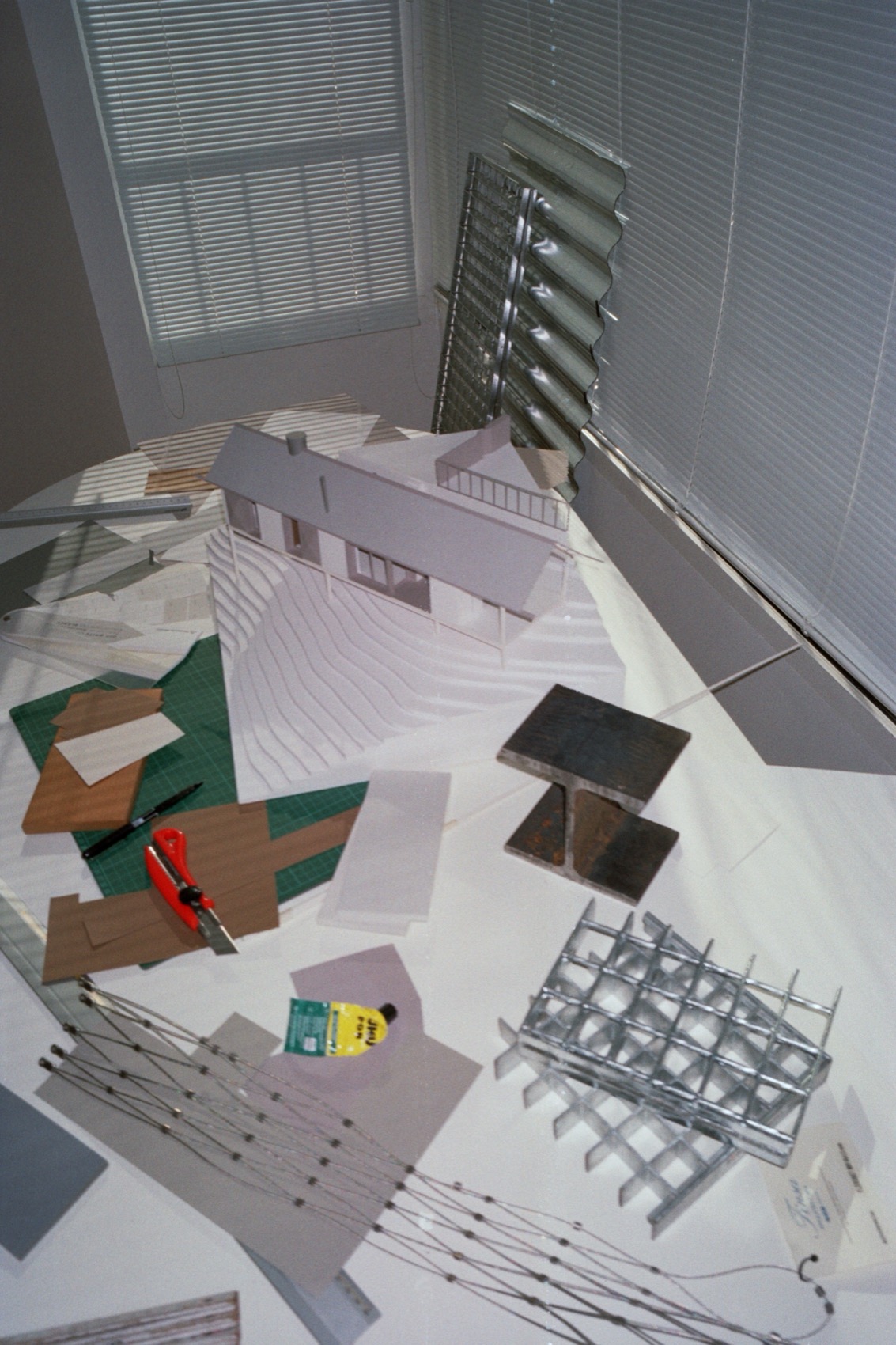
▼住宅模型呈现建筑与坡地地形的嵌合关系,
Architectural model showing the integration between the house and sloped terrain
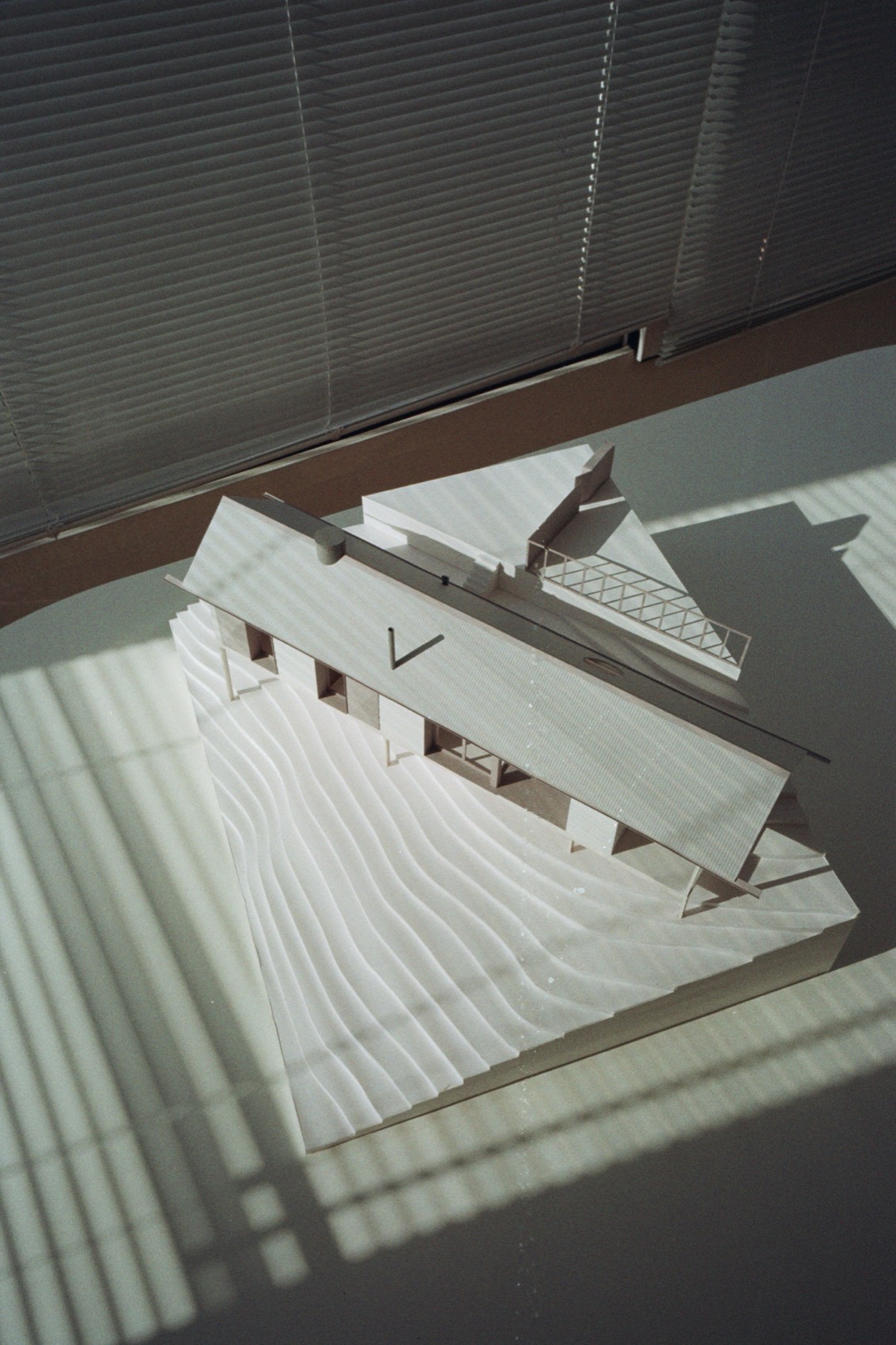
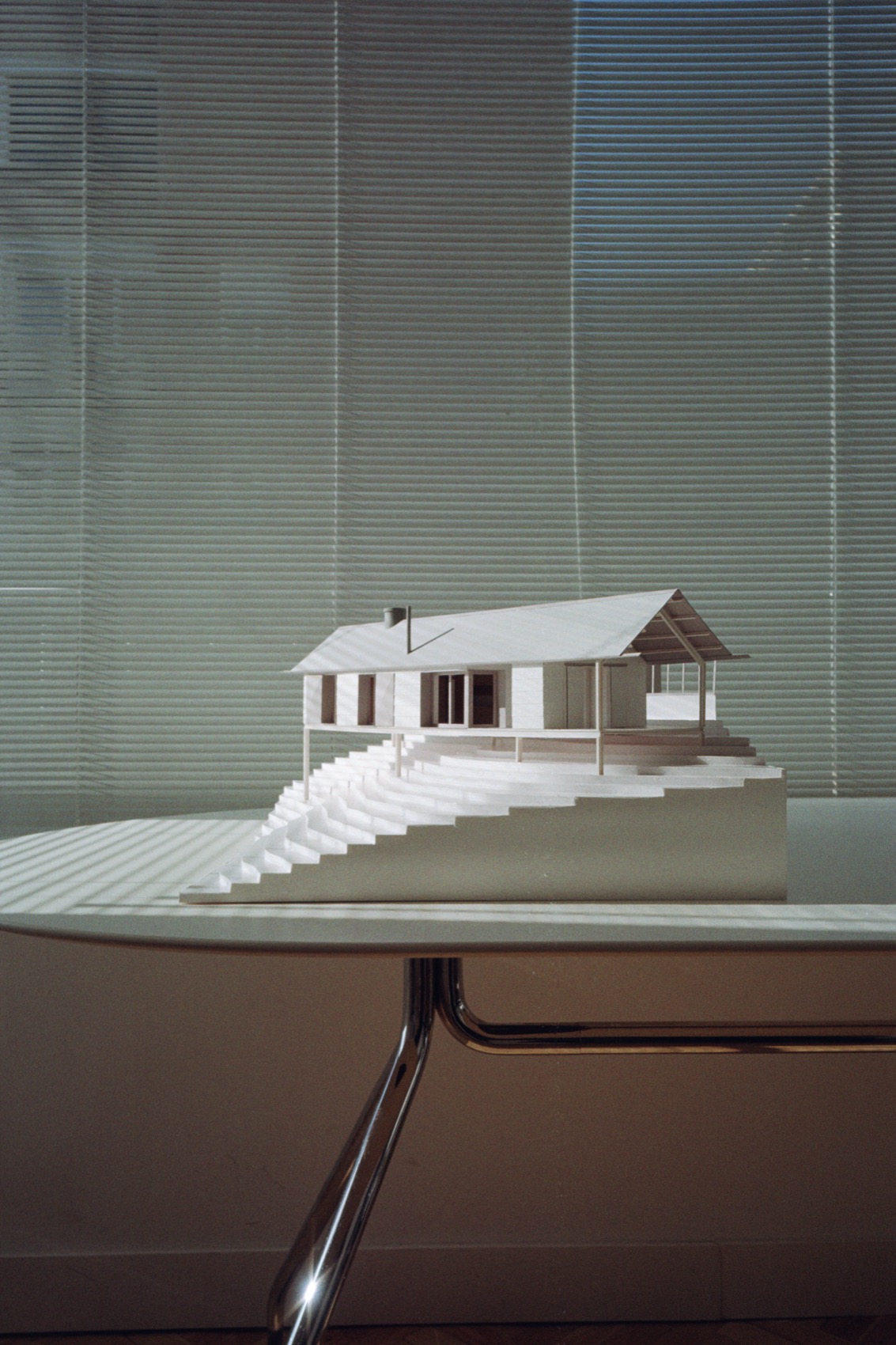
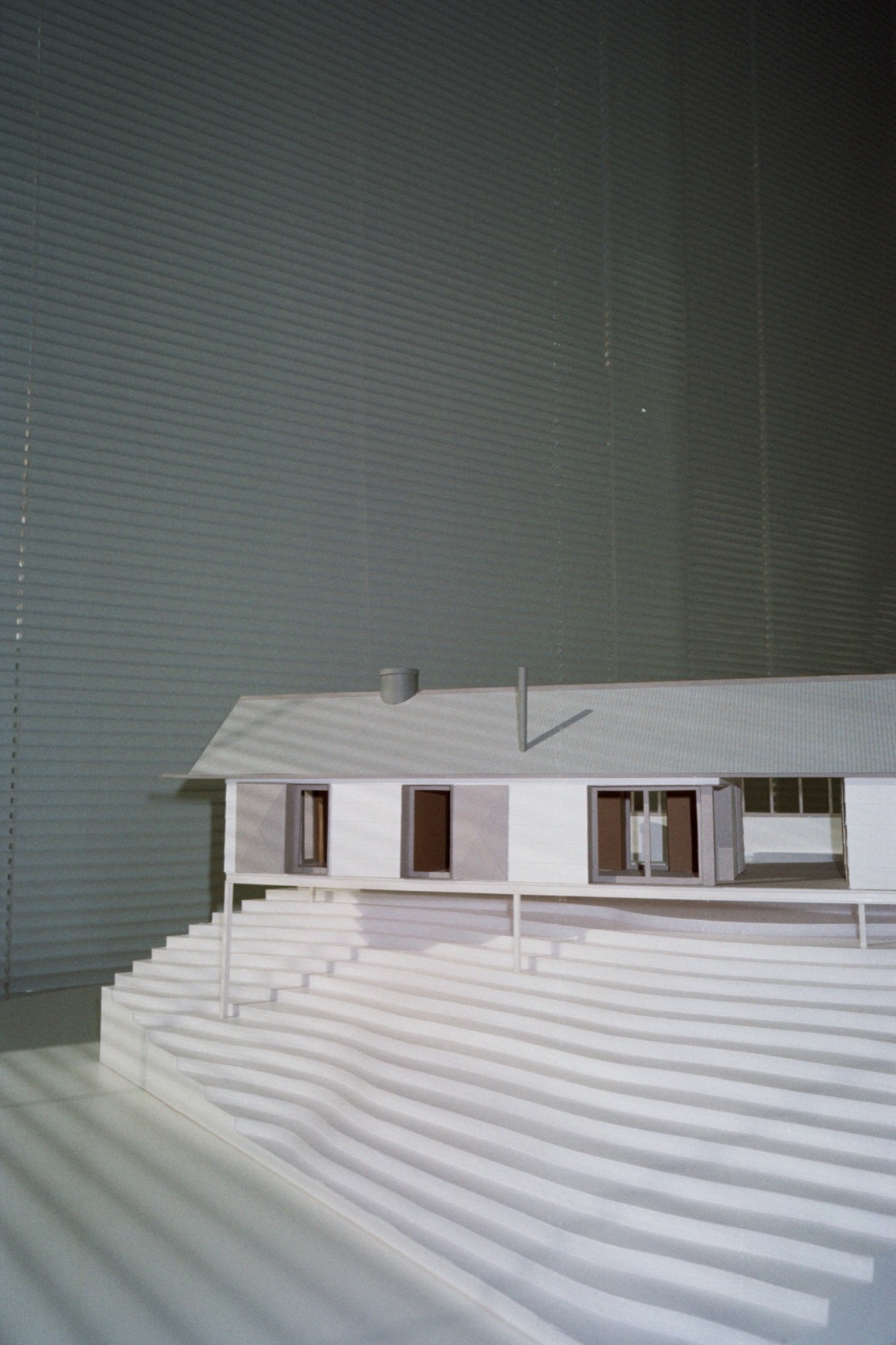
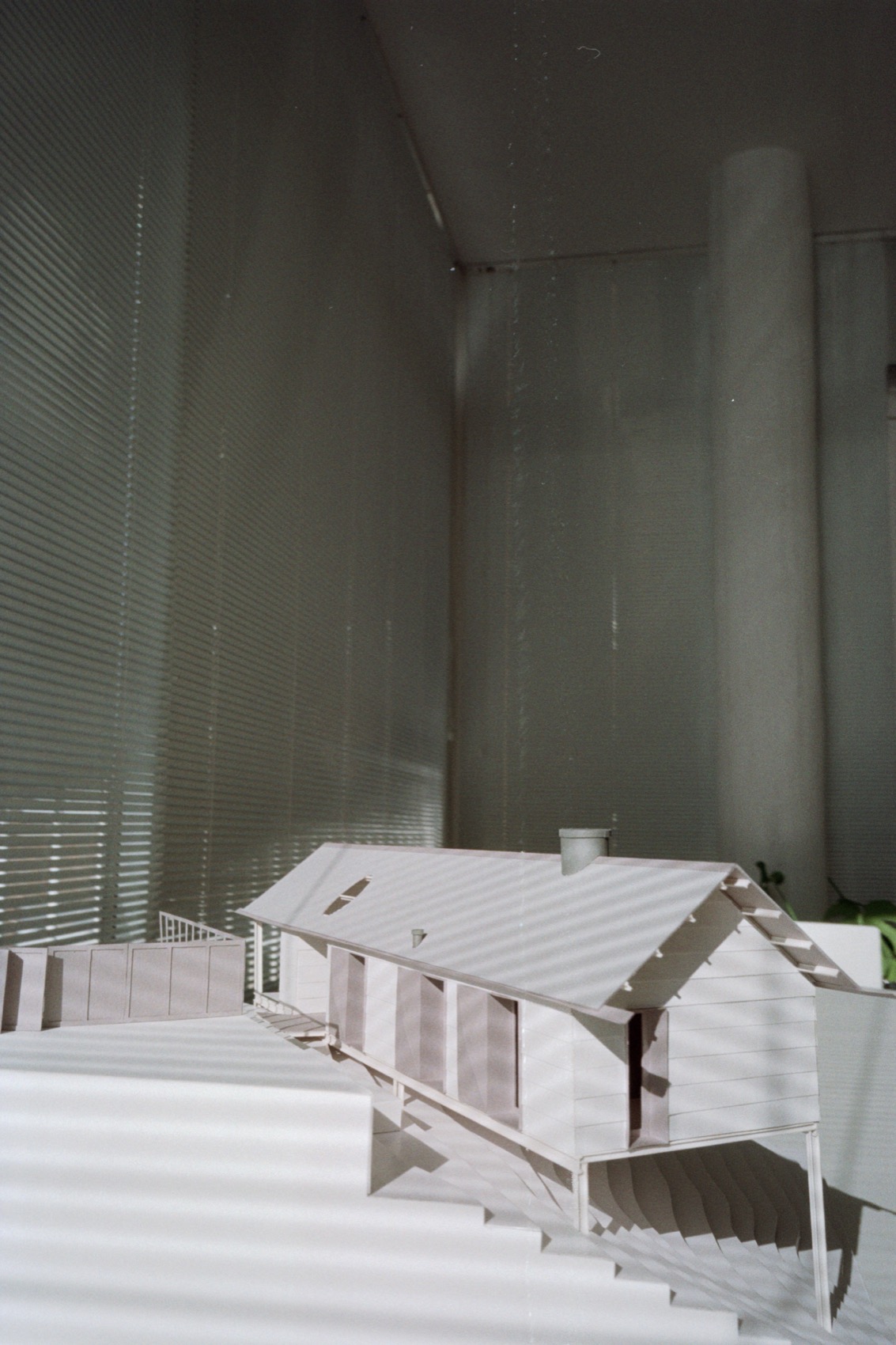
▼光影中的体量研究与空间推敲,
Spatial and volumetric study under shifting light and shadow
The building’s placement on the plot responds to the irregularity of the ground and to the intention of touching the land as lightly as possible. For this reason, the house is raised on a system of piers that adapts to the existing topography, minimizes earthwork, and preserves the natural condition of the site. Material selection follows criteria of constructive efficiency, durability, and thermal performance in a humid and variable climate. The building is resolved through a lightweight steel structure, a ventilated façade with sandwich panels, an insulated air cavity, and a corrugated metal roof, forming a coherent, efficient system that is easily controlled during fabrication.
▼穿越住宅体量的开放廊道,Open passage cutting through the house volume
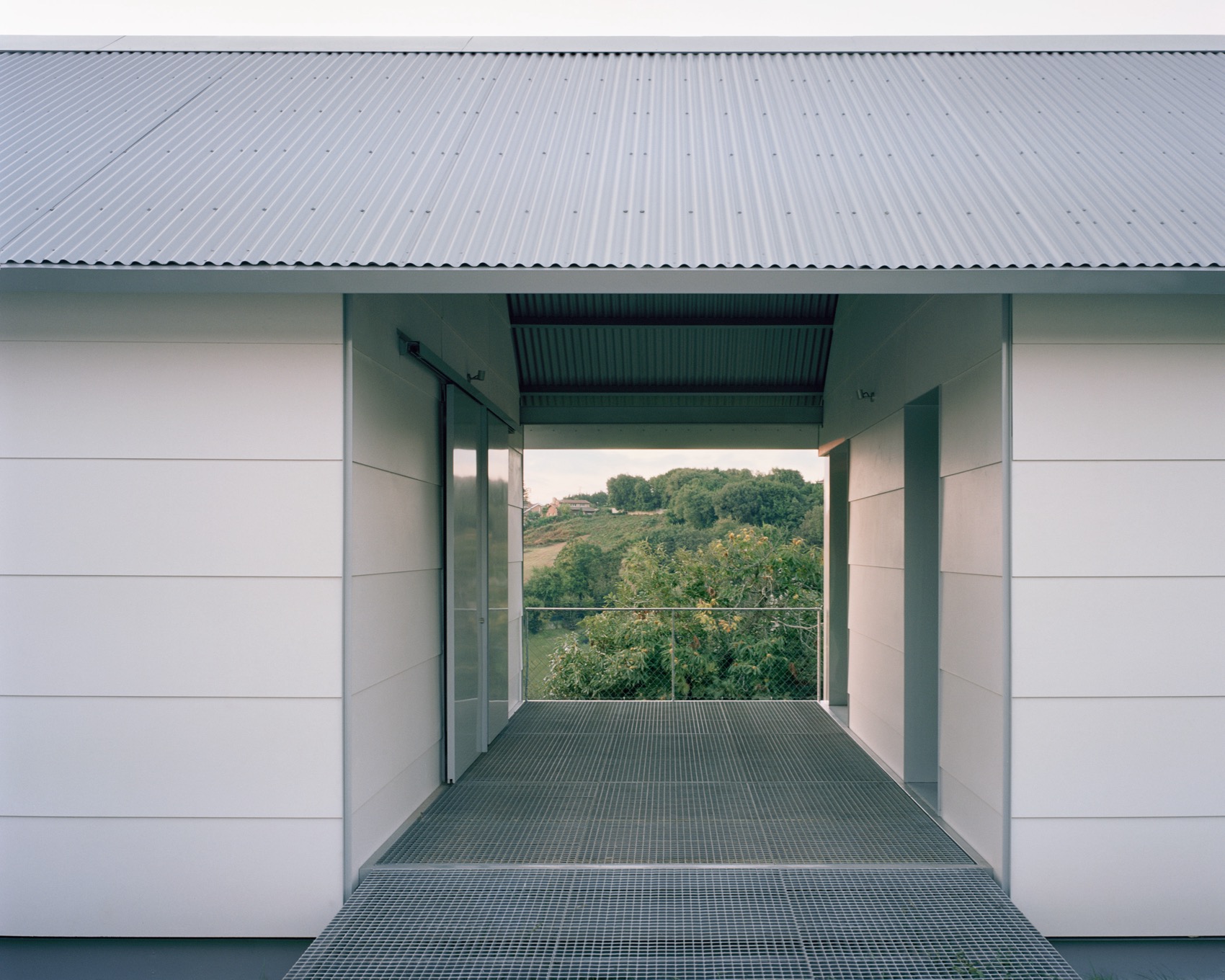
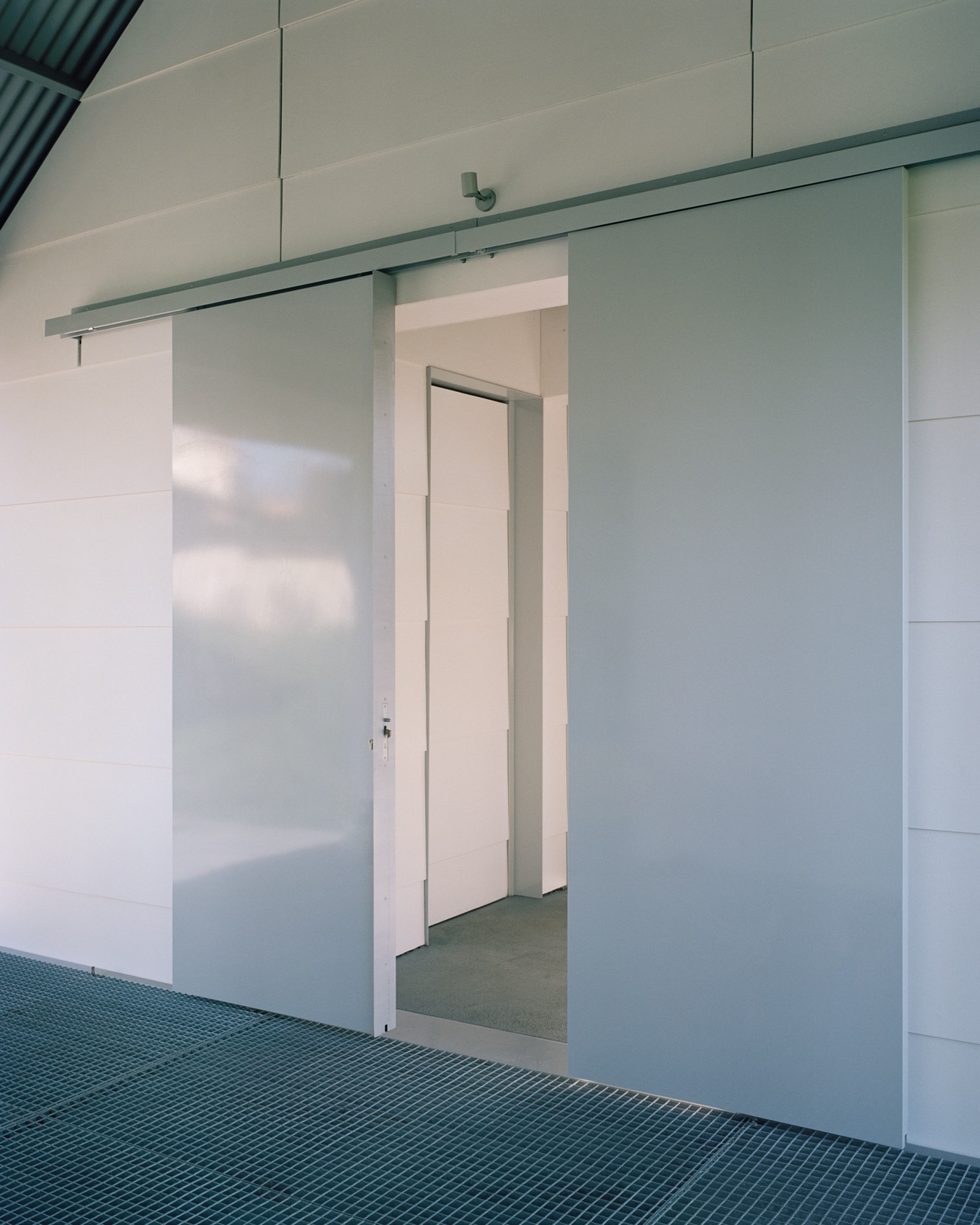
▼滑动金属门板形成入口界面,
Sliding metal panels forming the entrance façade
通过这一技术路径,Casa Guadalupe提出了一种理解预制住宅的新方式:它并非标准化产品,而是一种具有灵活性的系统,能够生成兼具个性、空间品质以及与周边环境精准关系的建筑。该项目为传统建造方式提供了一种可行替代方案——更快速、更可控,也更易于复制,同时契合当下对于可持续、高品质住宅的需求。
Through this technical approach, Casa Guadalupe proposes a different way of understanding prefabricated housing: not as a standardized product, but as a flexible system capable of producing architecture with character, spatial quality, and a precise relationship to its surroundings. The project offers a viable alternative to traditional methods, one that is faster, more controlled, and more easily replicated, aligned with current demands for sustainable, well-built housing.
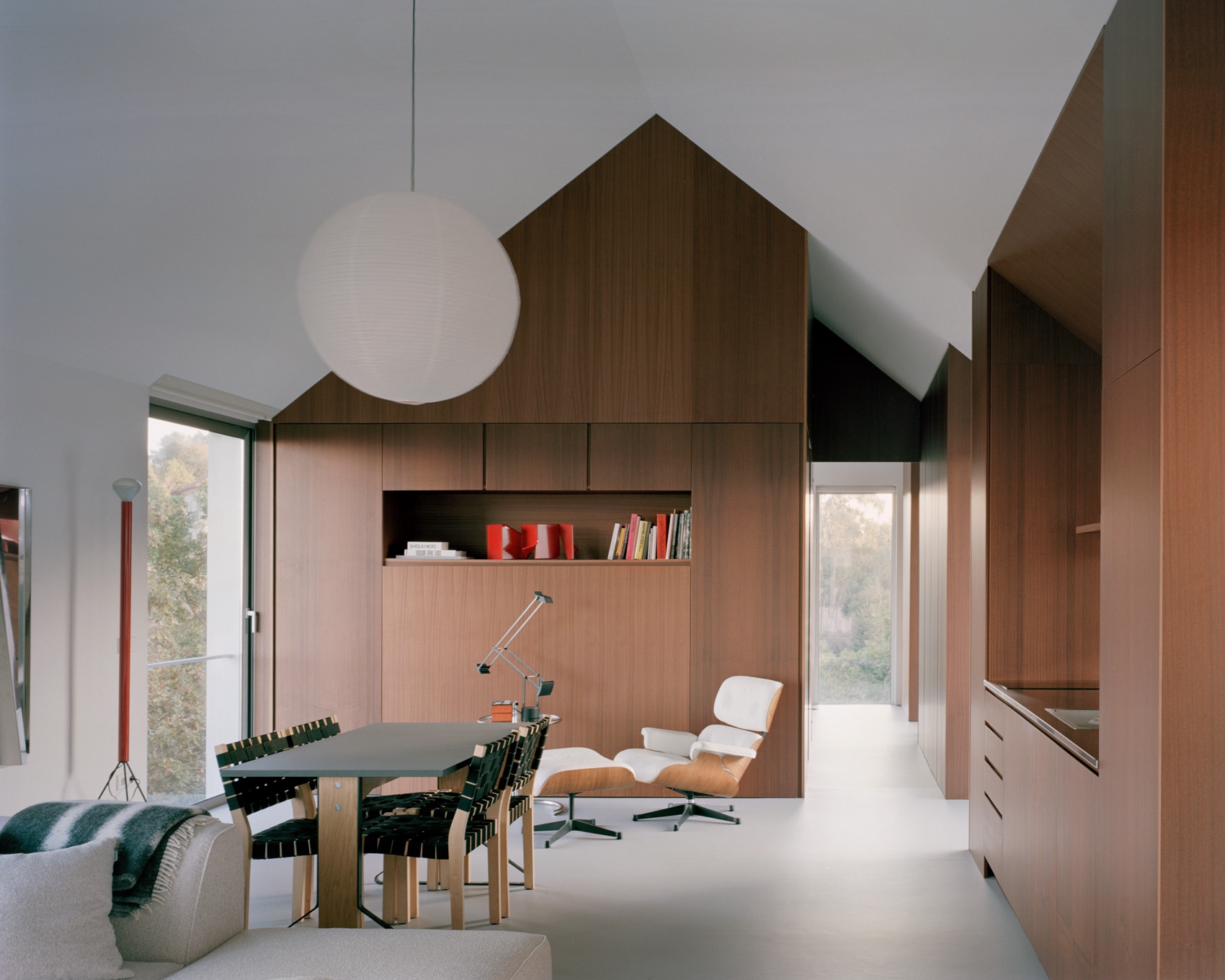
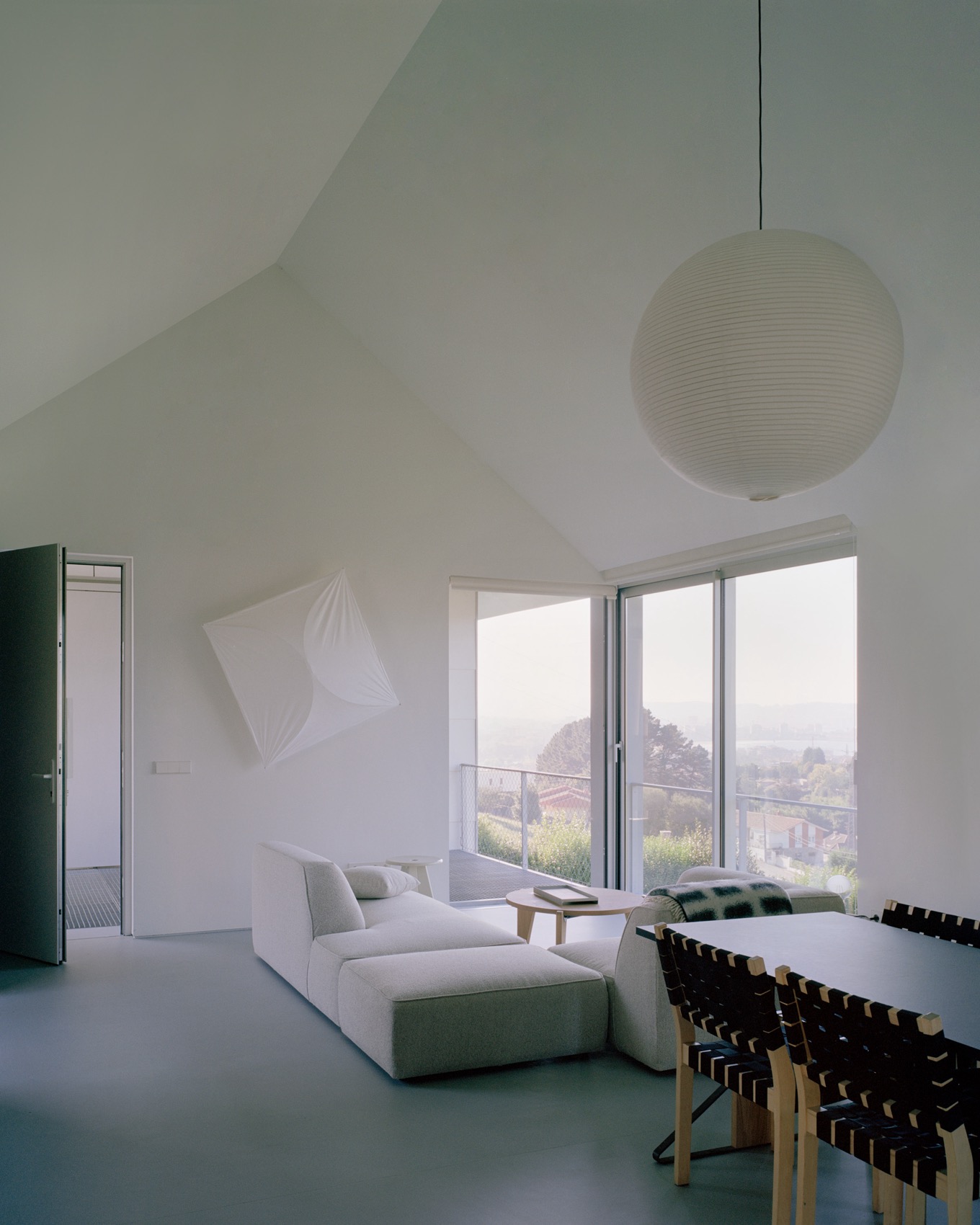
▼餐厅与客厅共享连续的公共空间,
Dining and living areas sharing a continuous communal space
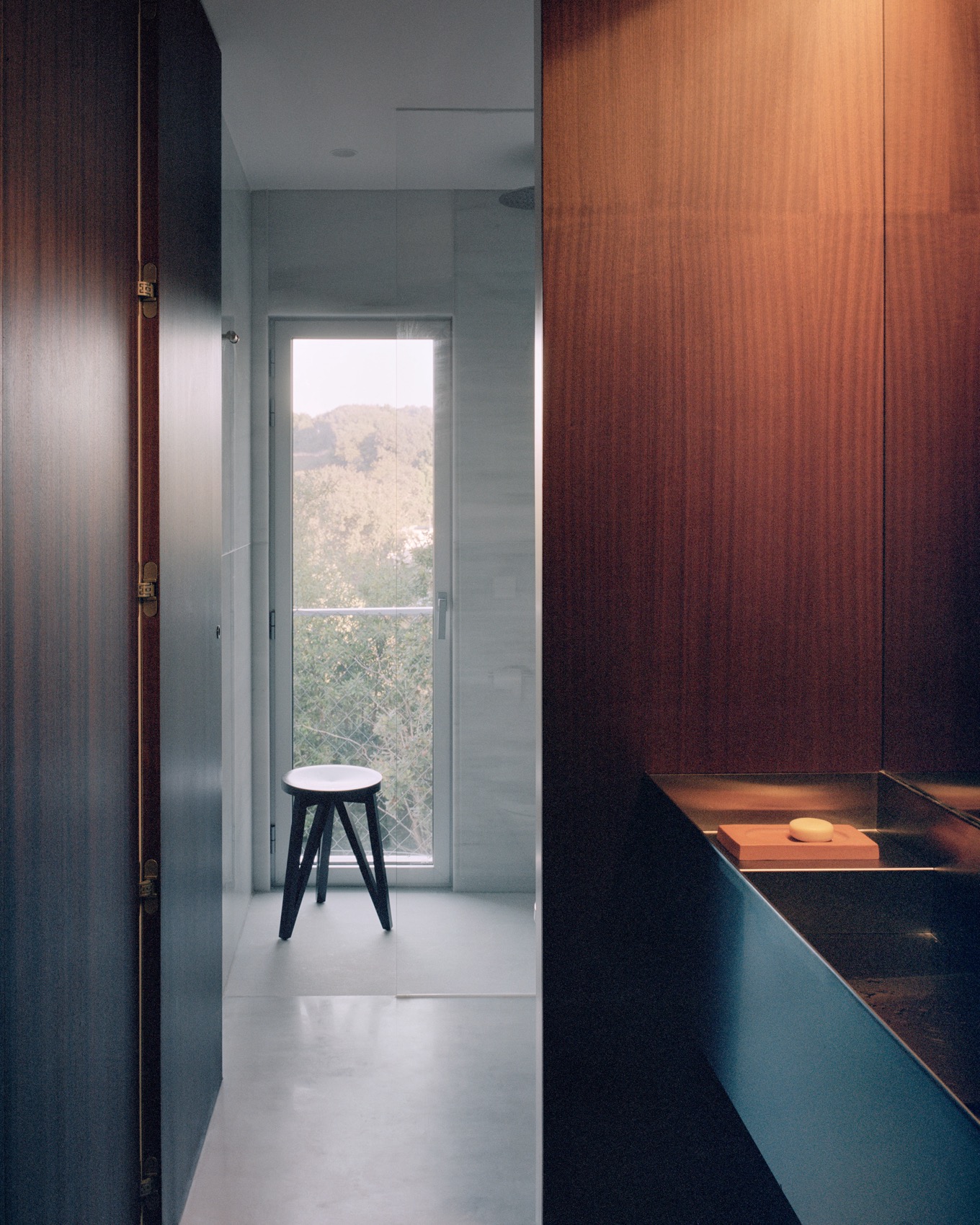
▼走廊尽端的窗景引入自然光线,Window view at the corridor’s end bringing in natural light
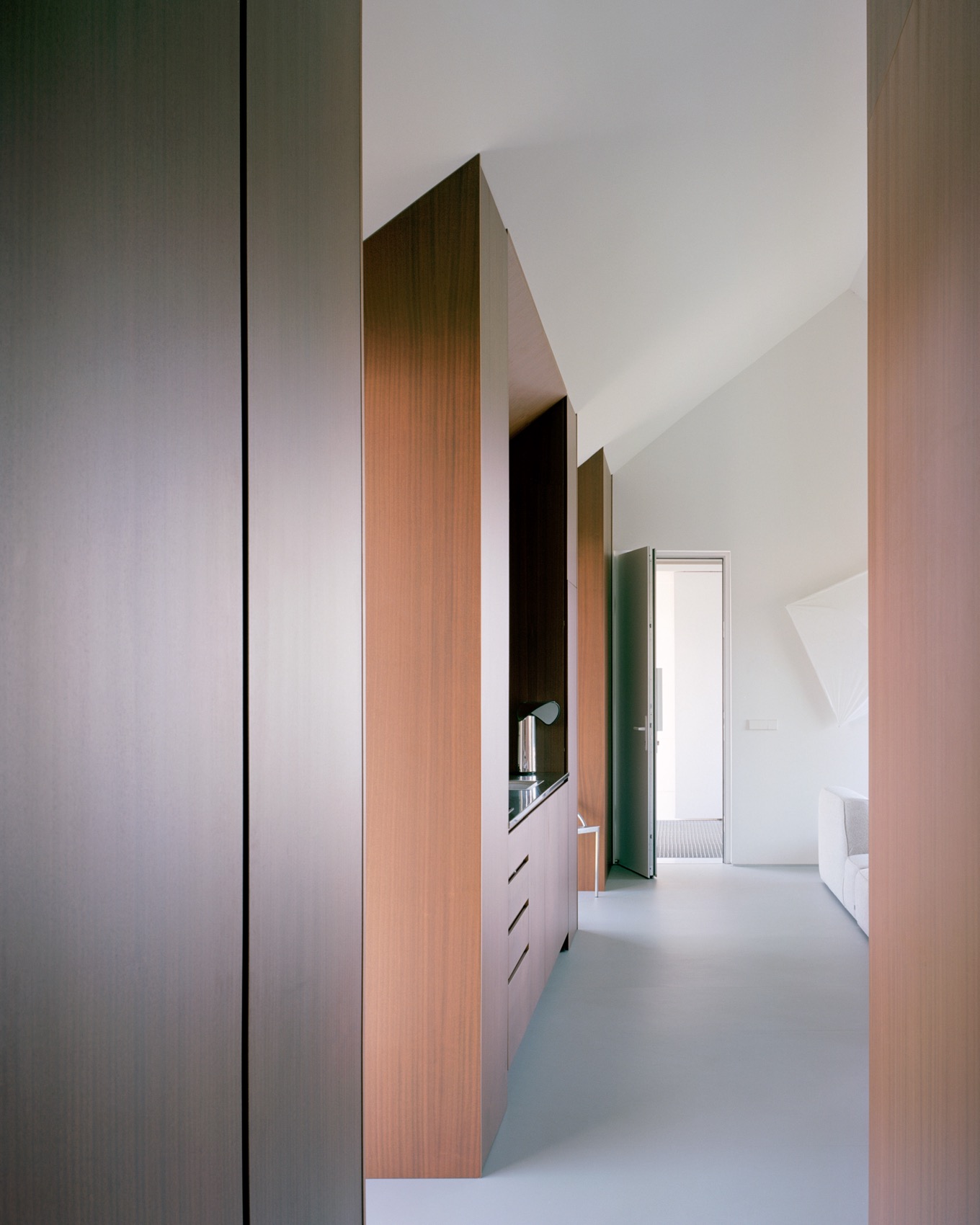
▼起居空间面向周边自然景观展开,
Living area opening toward the surrounding landscape
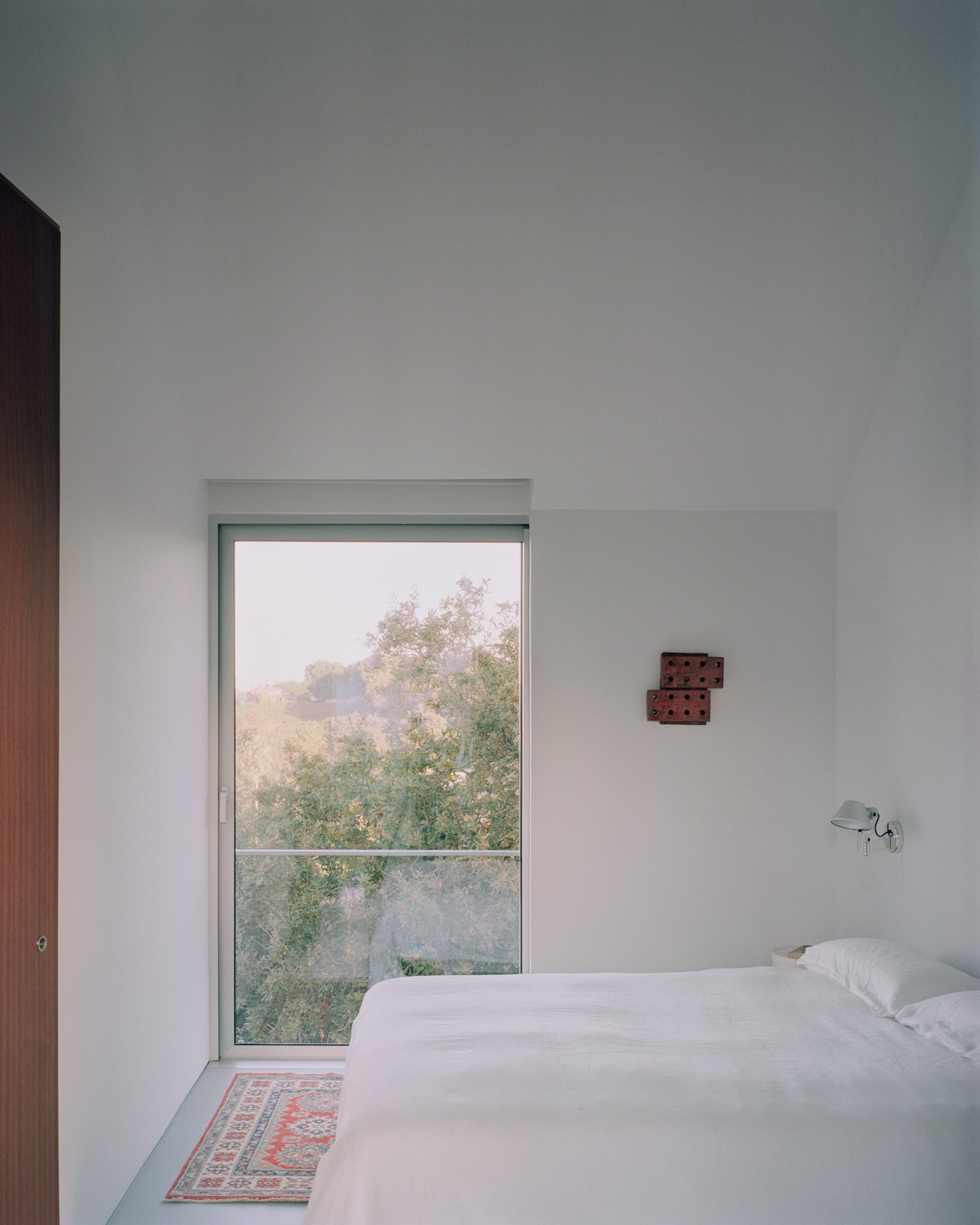
▼卧室通过落地窗引入周边绿意,
Bedroom framed by floor-to-ceiling views of greenery
这座住宅的建造实践进一步证明,预制化可以成为一种严谨而高效的设计工具。在这里,工业化生产与精细化细部、场地回应以及审慎的建筑感知得以并存。
The execution of the house confirms that prefabrication can be a rigorous and effective design tool, where industrialization coexists with careful detailing, attention to place, and a thoughtful architectural sensibility.
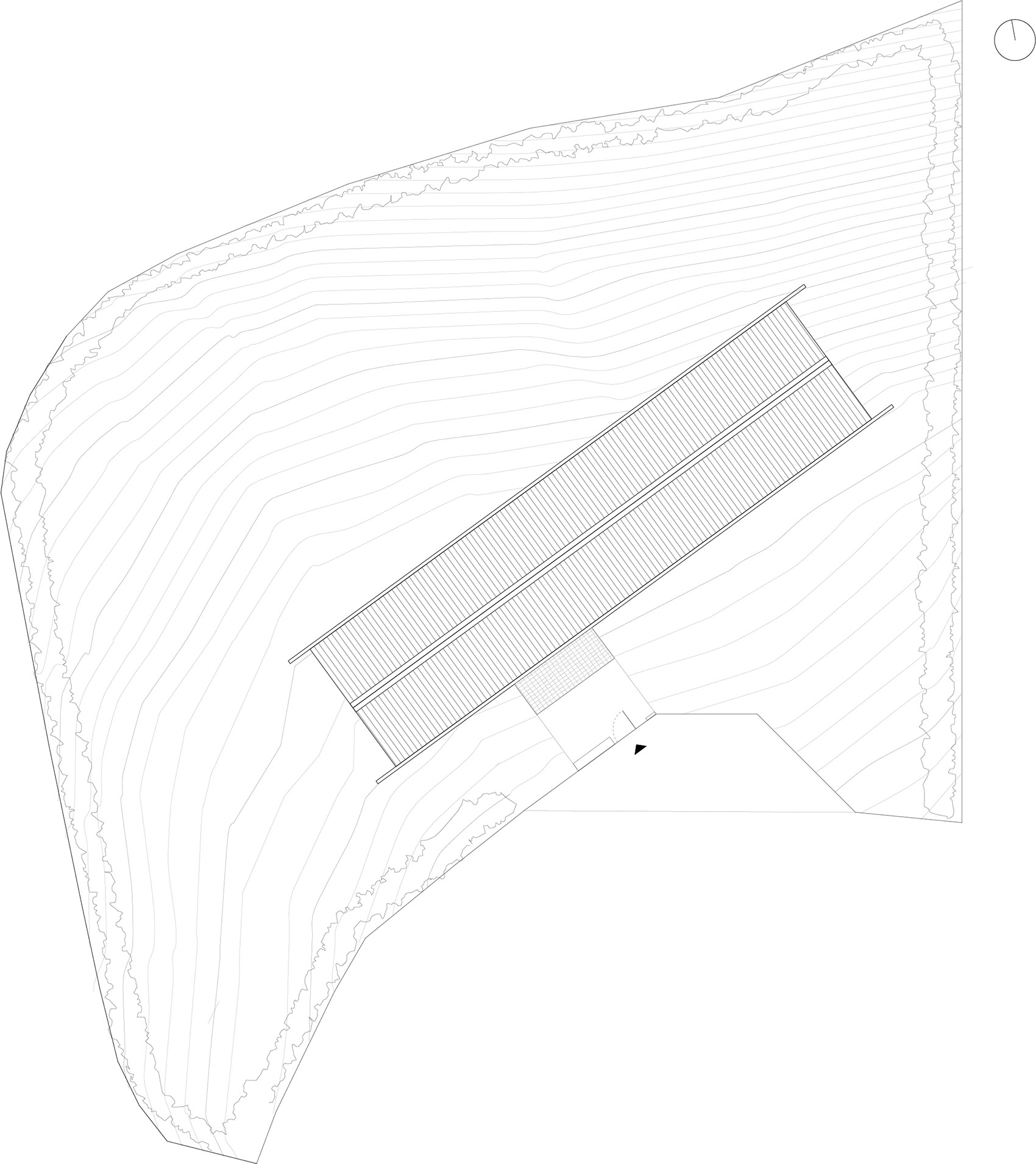
▼总平面图,Master plan
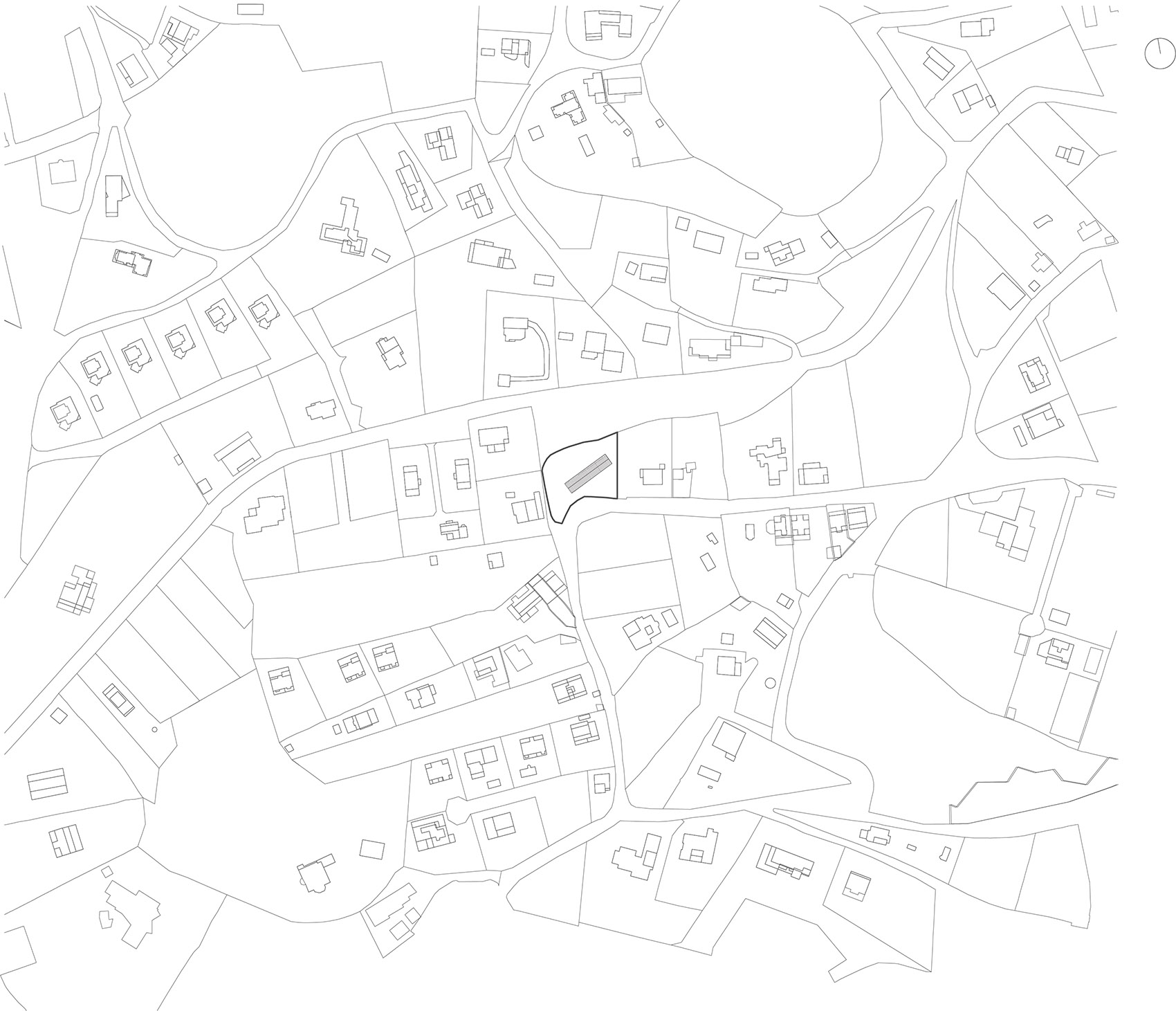
▼项目区位图,Site plan
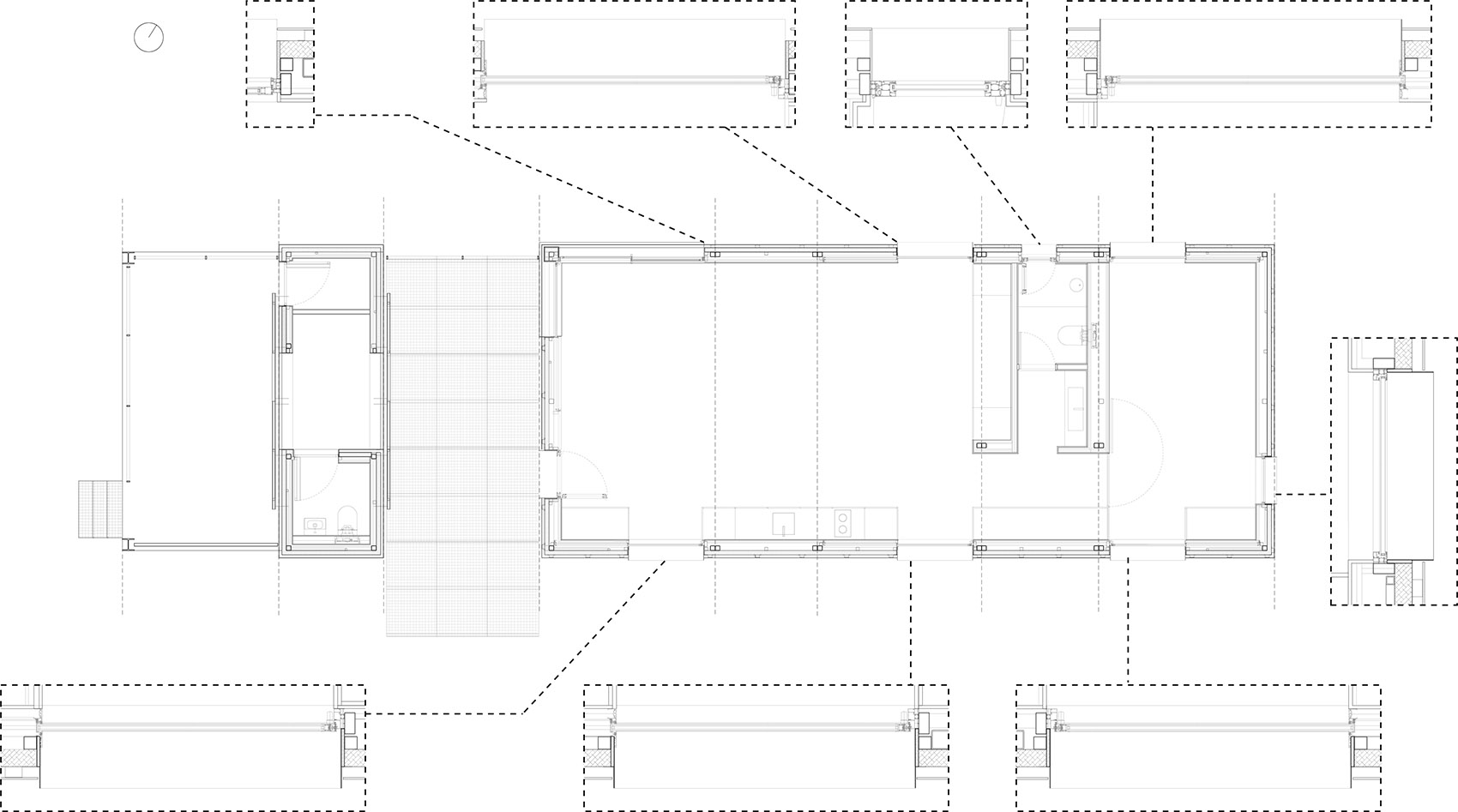
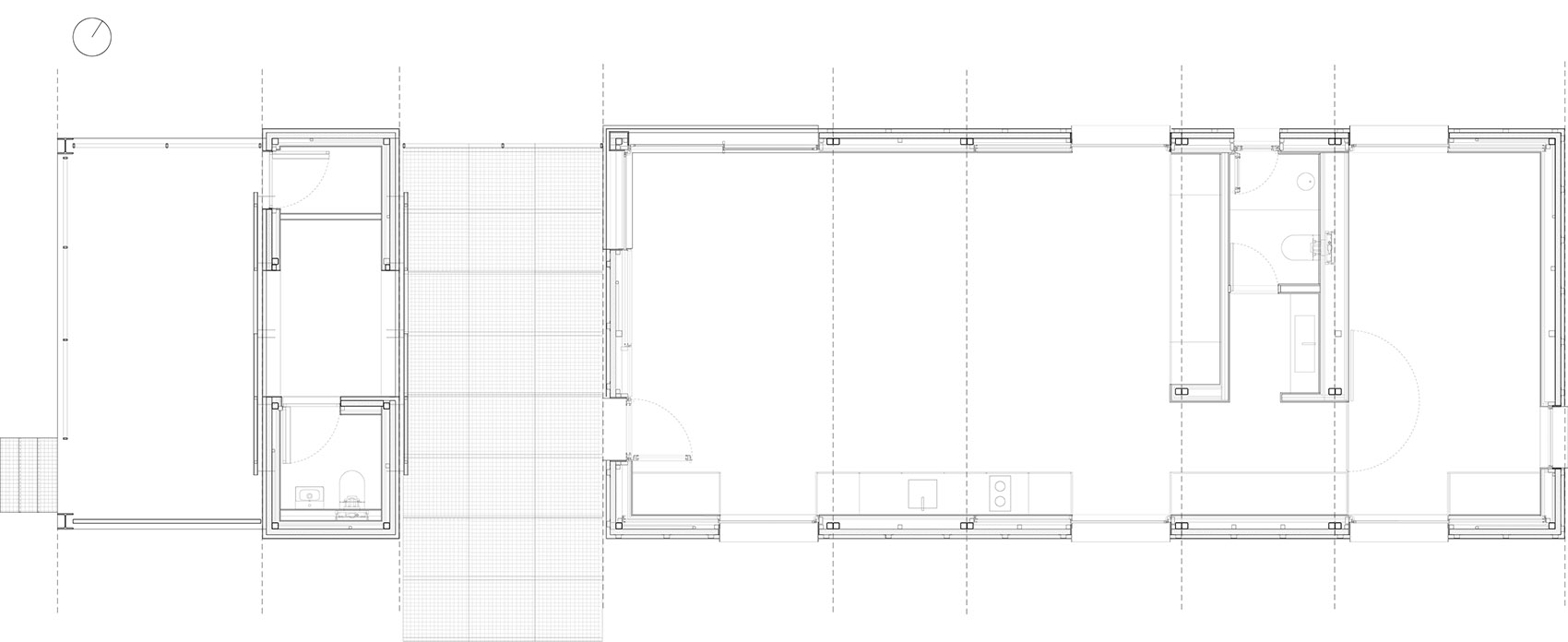
▼平面图,Floor plan
▼立面图,Elevation
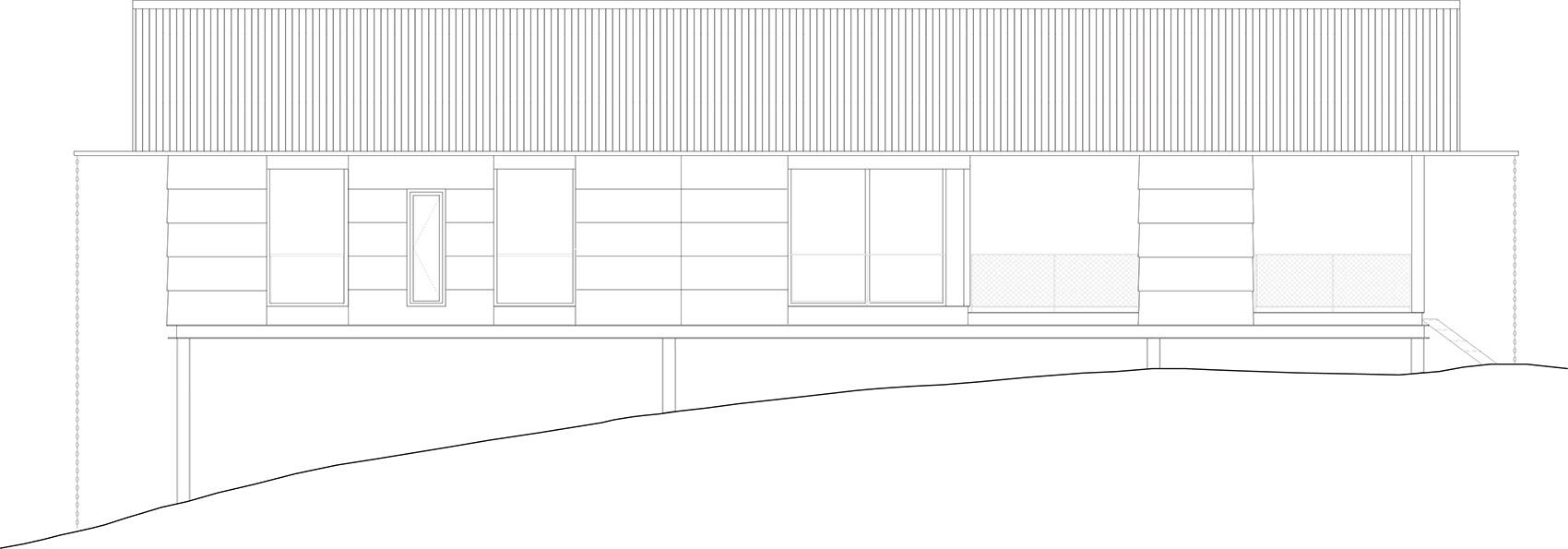
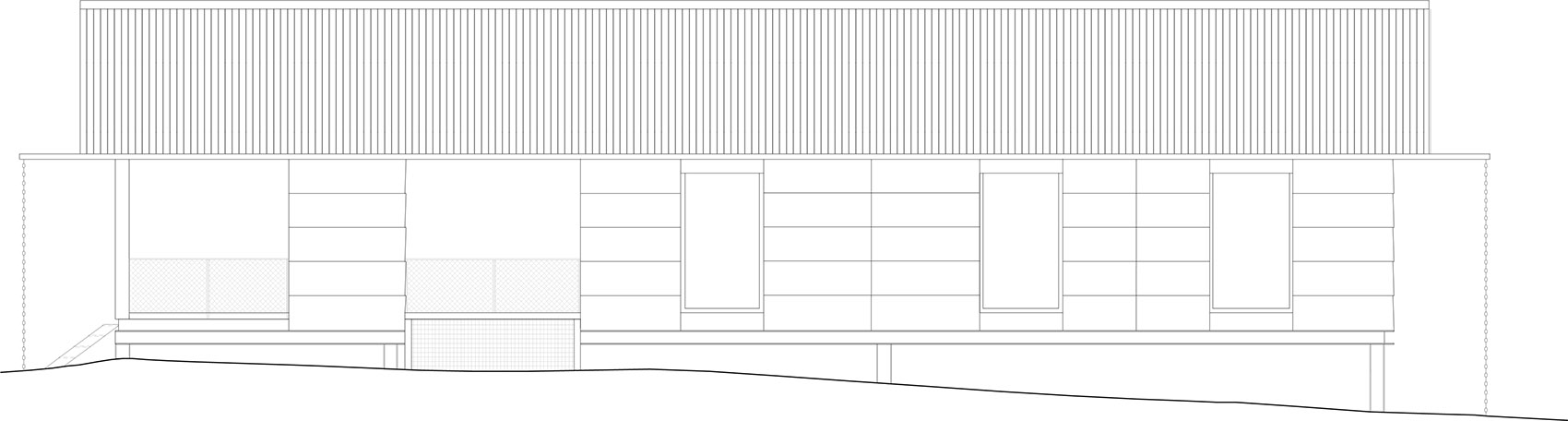
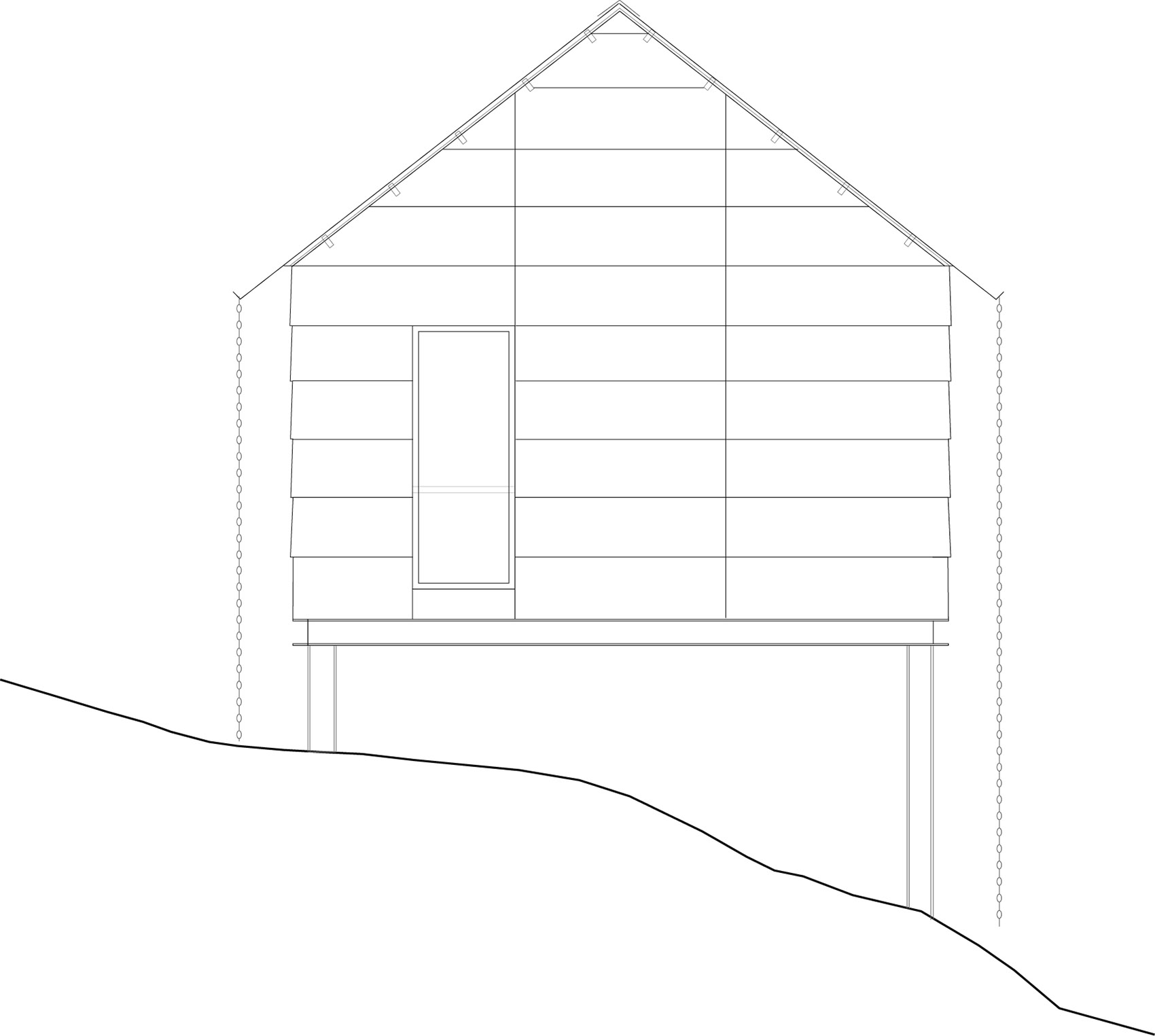
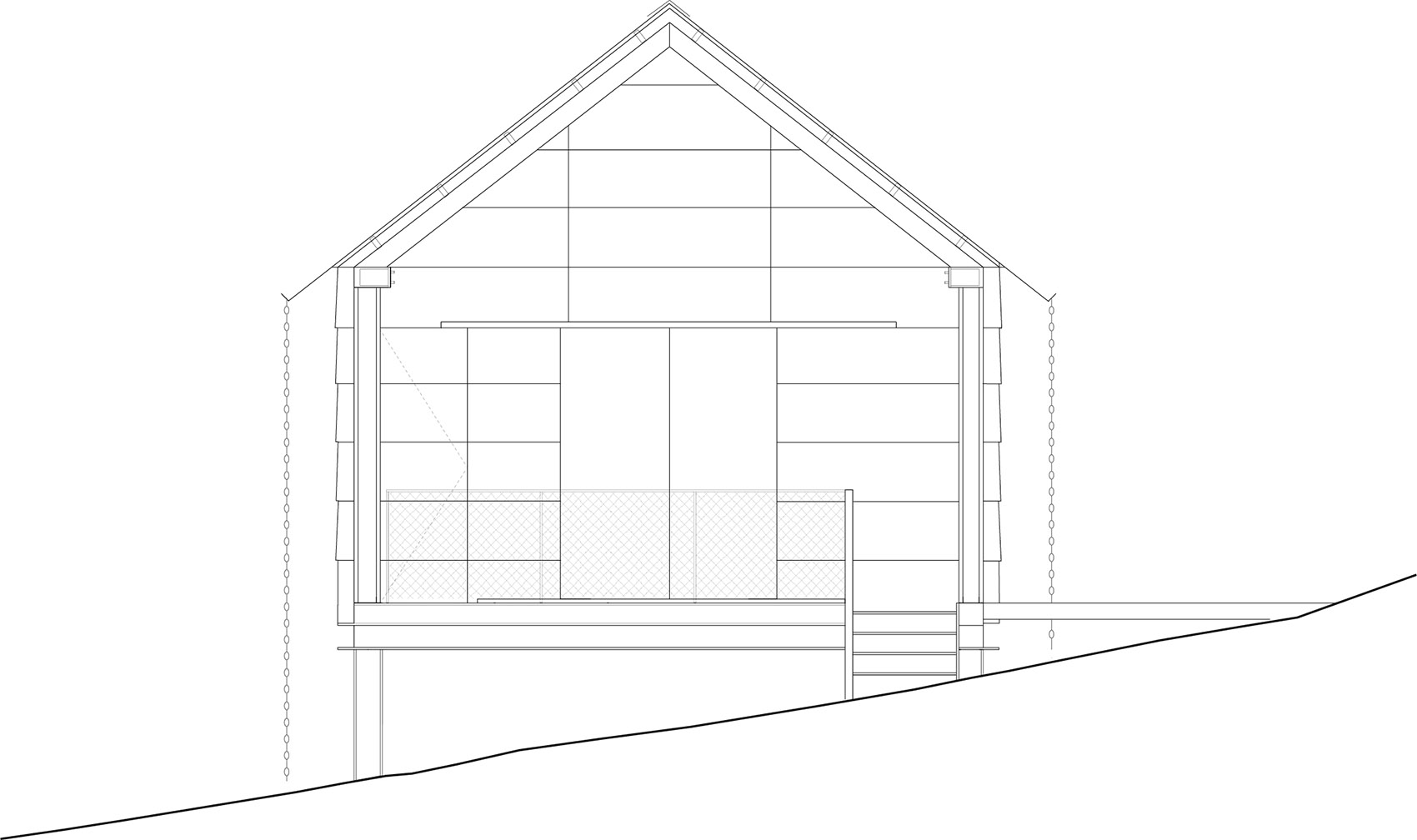
▼剖面图,Section
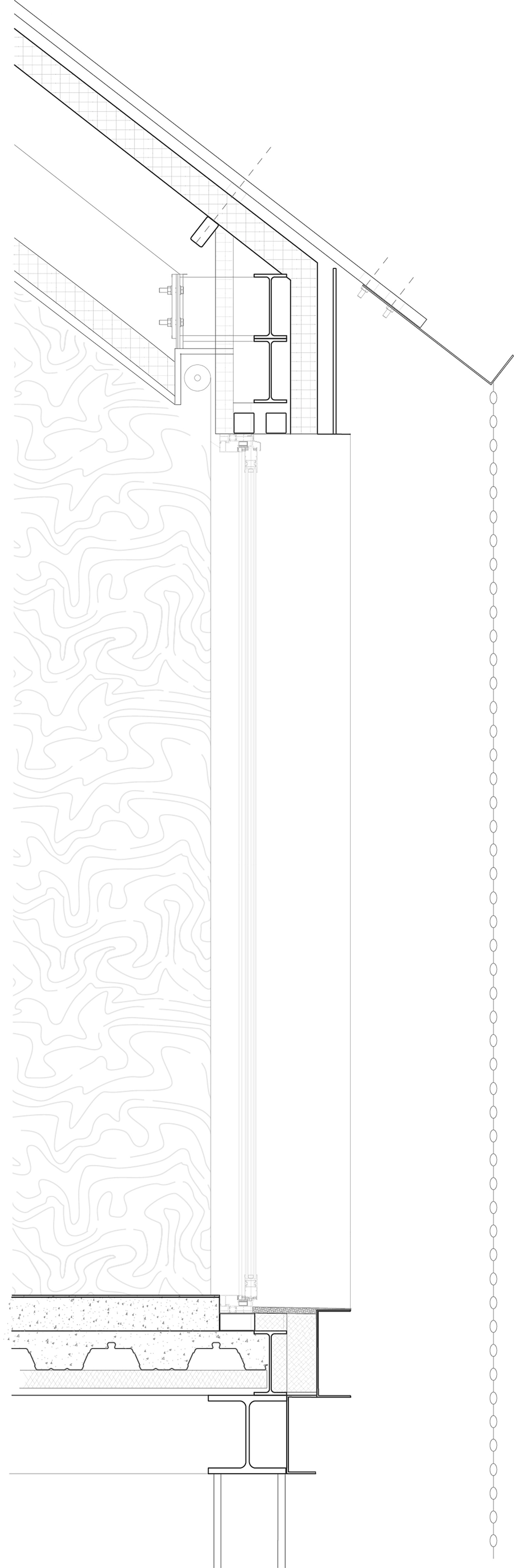
▼细节,Detail
Title: Casa Guadalupe
Year: 2025
Project: Single-family home
Client: Private
Architect: HANGHAR
Status: Built
Size: 120 m2
Budget: —
Contractor: Room2030
Location: Gijón, Spain
Photography: Rory Gardiner