杭州LOFT49产业遗存更新 / 朱培栋line+建筑事务所
▼项目鸟瞰,aerial view of the project
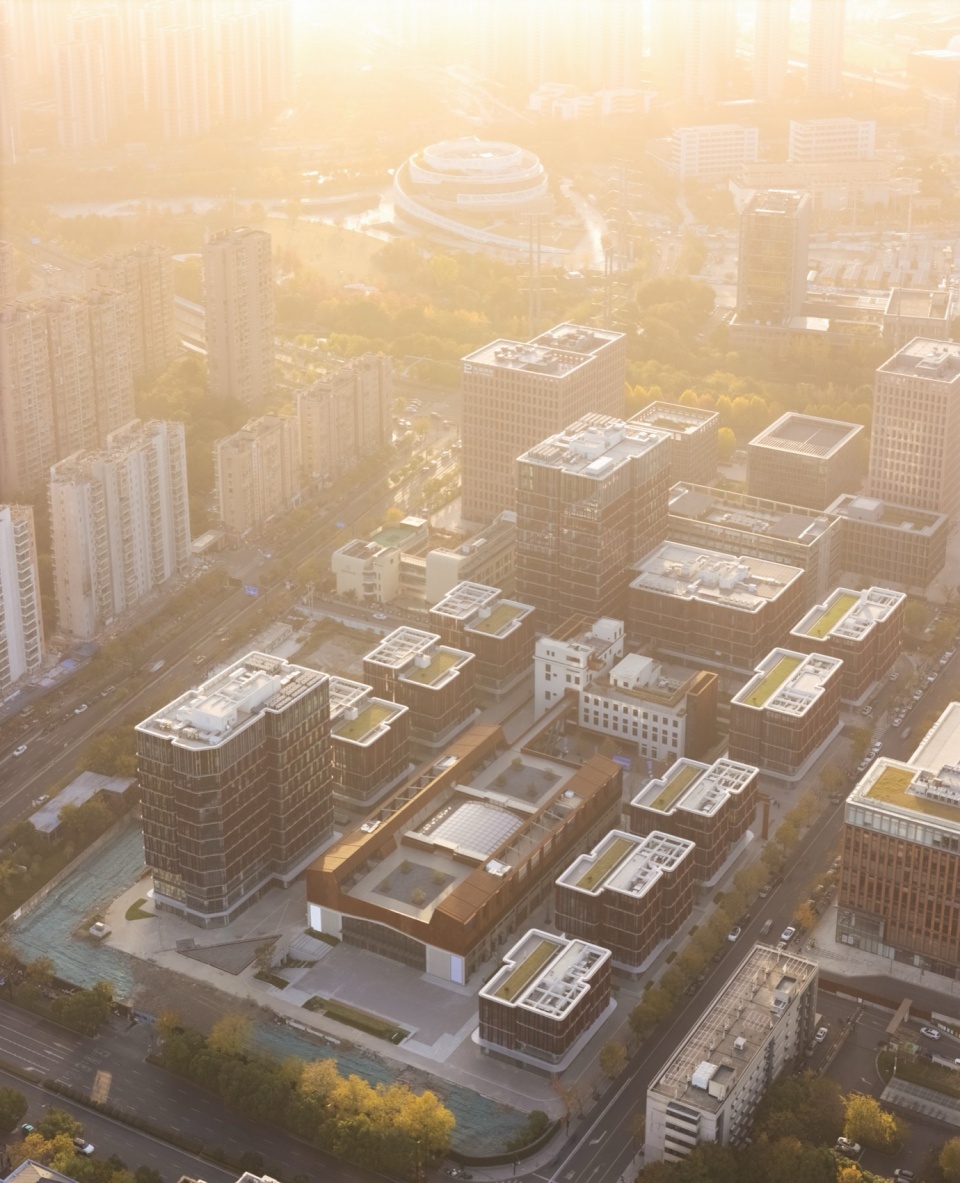
▼项目概览,overall of the project
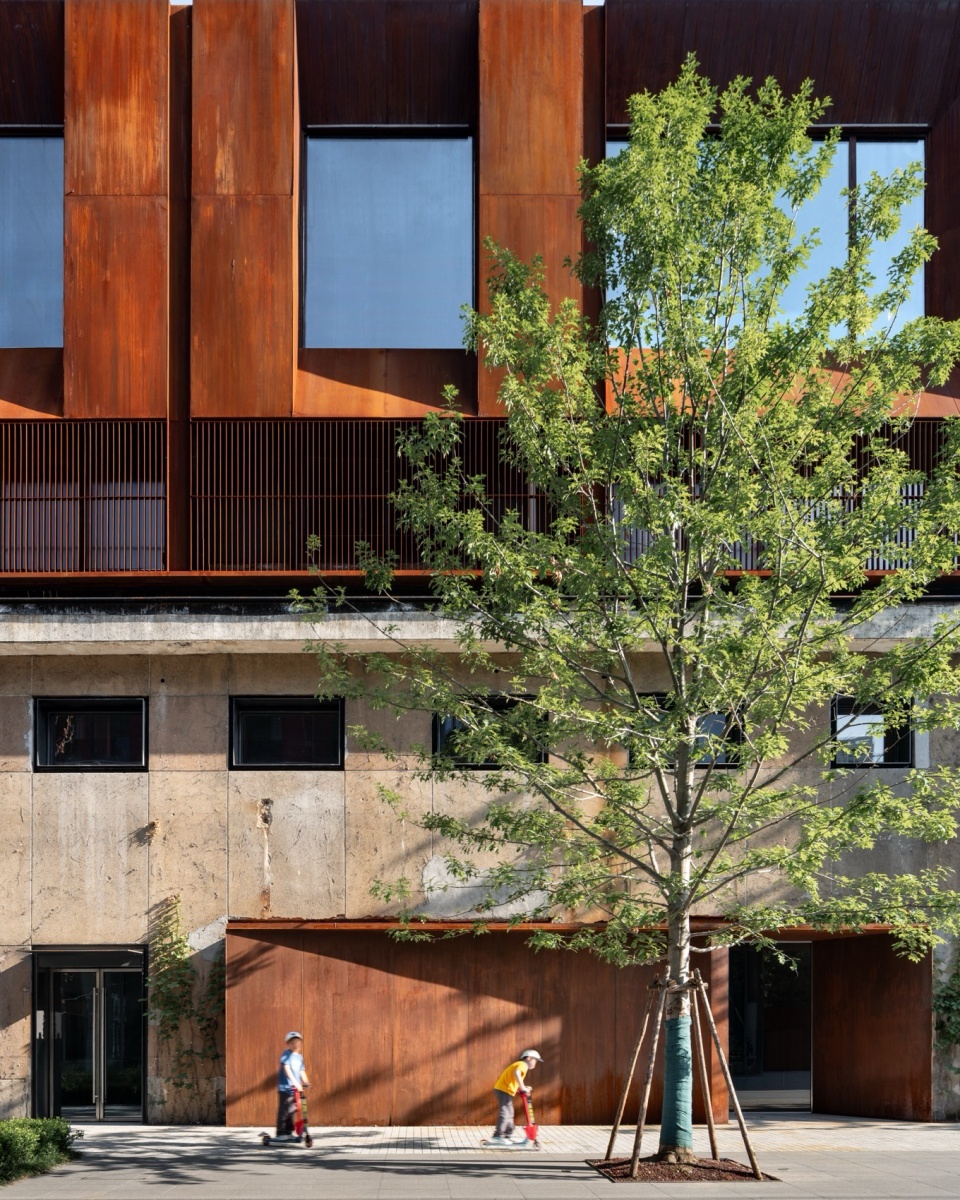
作为杭州大运河畔工业遗存,杭州LOFT49创意园区是近年来浙江省“设计引领有机更新”的代表性案例。由line+联合创始人、主持建筑师朱培栋带领团队完成的园区二期已于2025年末全面建成,并正式开放进入运营阶段。
As an industrial heritage site along Hangzhou’s Grand Canal, Hangzhou LOFT49 Creative Park has become one of Zhejiang’s representative cases of design-led organic urban renewal in recent years. Led by Dr. Peidong Zhu, co-founder and principal architect of line+, the second phase of the park was fully completed at the end of 2025 and has now officially entered its public operation phase.
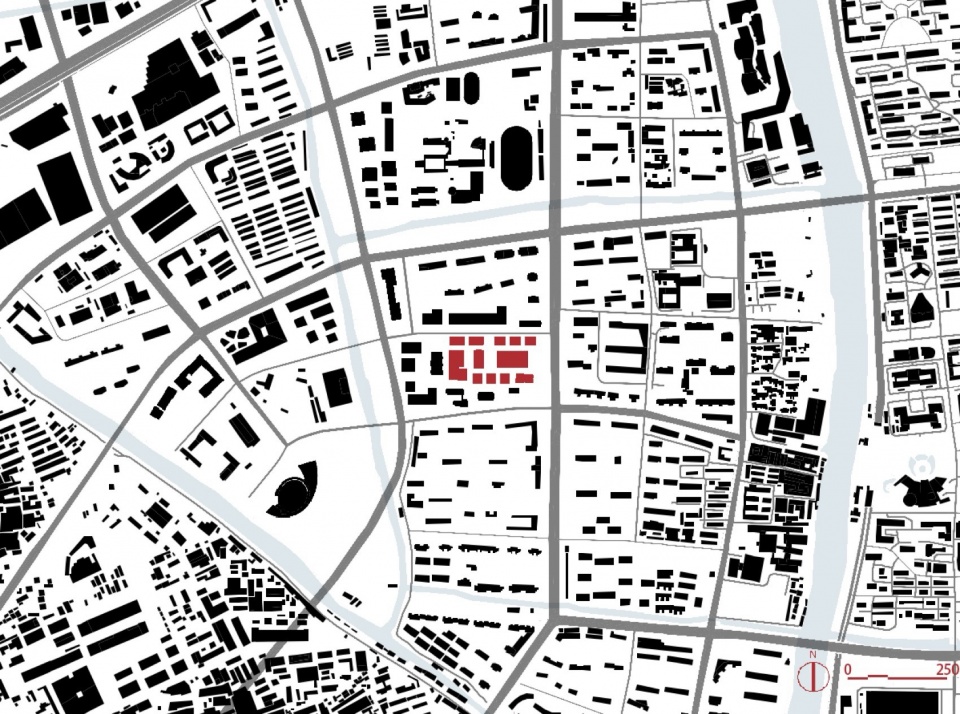
▼区位图,Location map
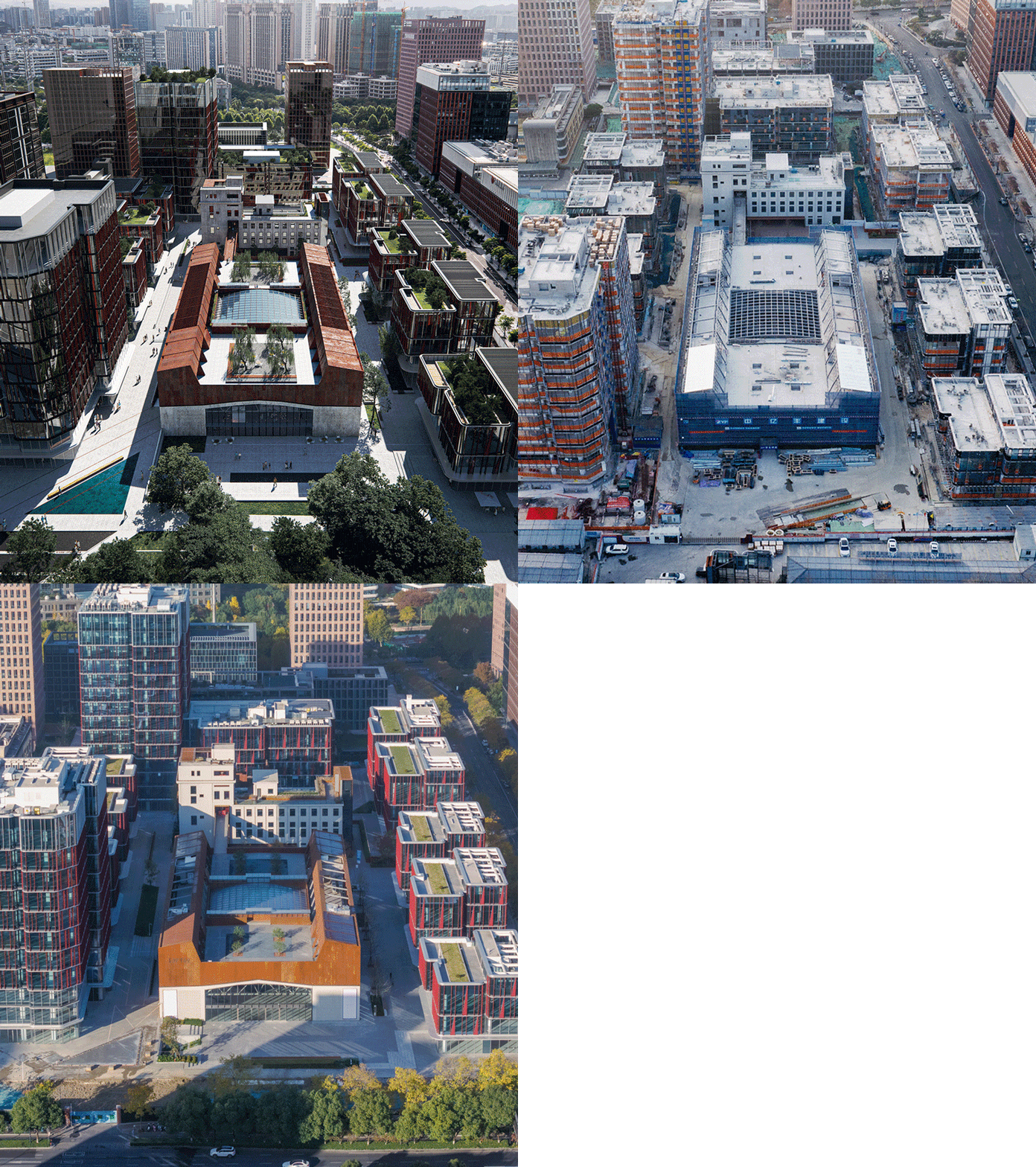
▼LOFT49二期从设计方案到建成实景,LOFT49 Phase II: from design proposal to built reality
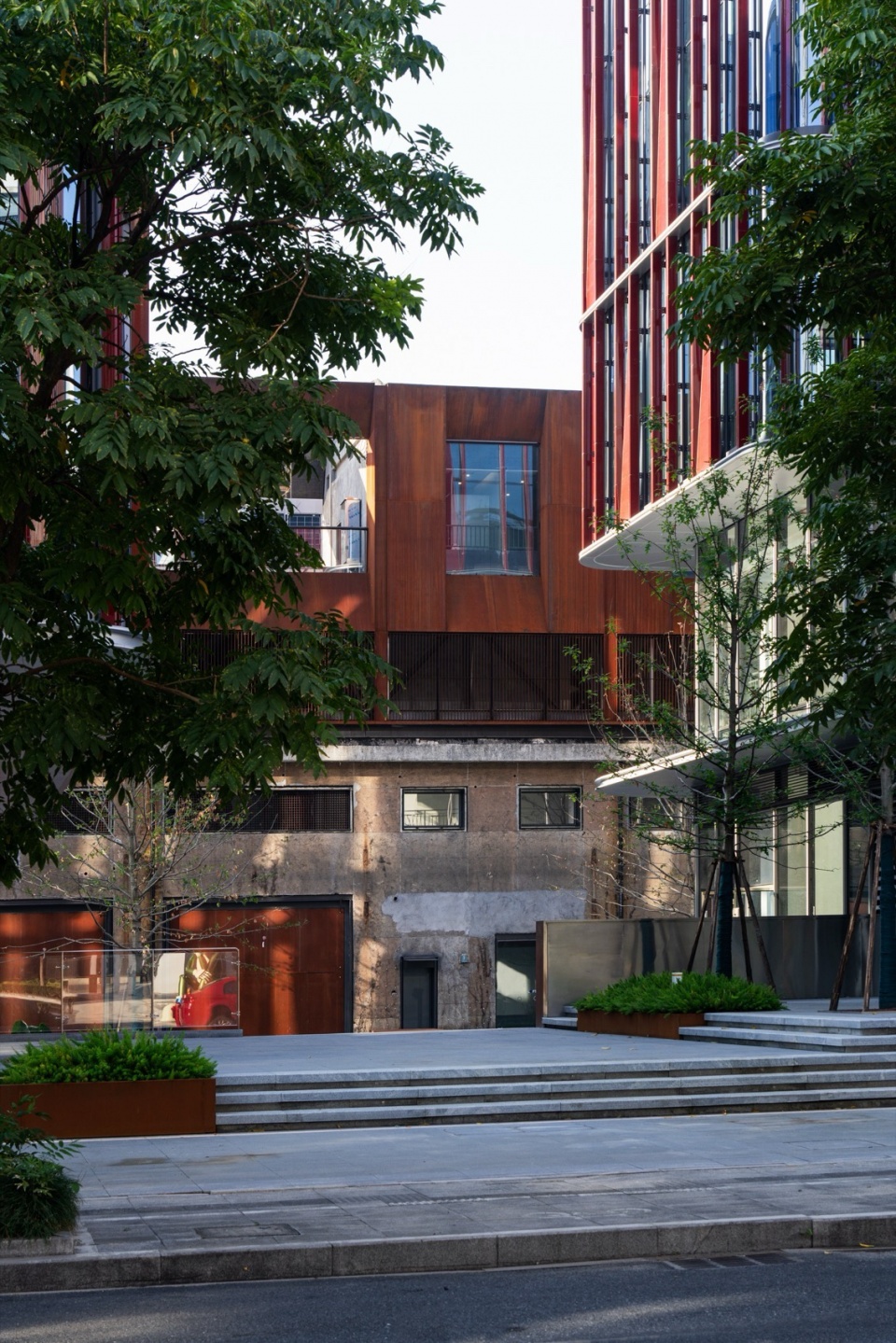
面对棕地更新、规划提升与工业遗存保护再利用的多重诉求,朱培栋博士担任项目主创,统筹园区二期总体规划、建筑设计及工业遗存建筑的室内一体化更新。在这一同时面对“工业遗存原真性保护”与“当代城市发展需求”的典型更新案例中,朱培栋提出“城市金缮”理念,以设计回应产业转型与生活方式的变化,为城市更新提供新的思路和实践路径。
Confronted with the overlapping demands of brownfield regeneration, planning upgrade, and the conservation and adaptive reuse of industrial heritage, Dr. Peidong Zhu served as the chief designer of the project, leading the overall planning, architectural design, and integrated interior renewal of the industrial heritage buildings in Phase II. In this typical case of renewal, where the authenticity of industrial remains and the demands of contemporary urban development are placed under simultaneous pressure, Zhu proposed the concept of “Urban Jinshan.” Through design, the project responds to the transformation of industry and lifestyle, offering a new line of thinking and a practical pathway for urban regeneration.
▼项目概览,overall of the project
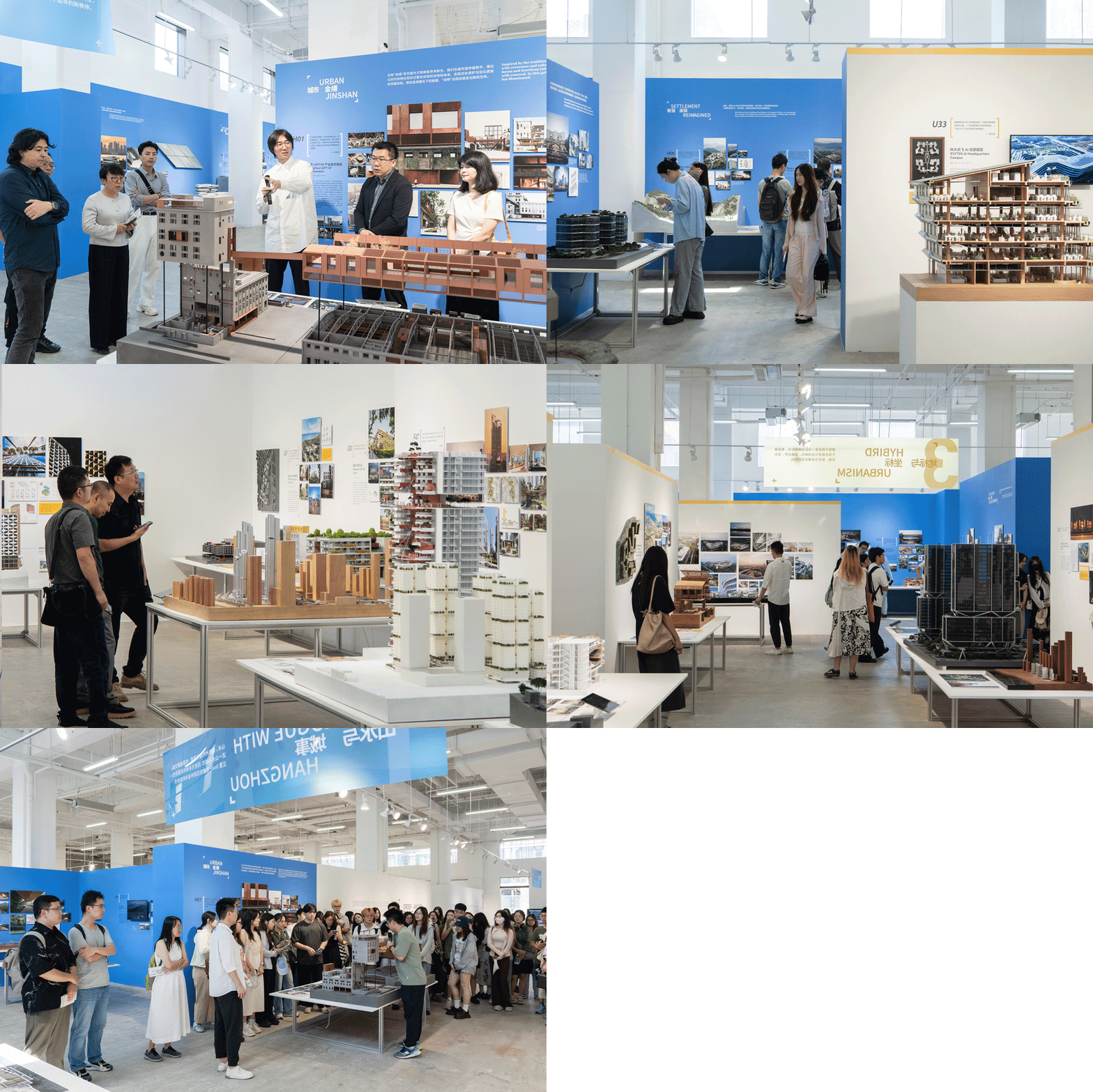
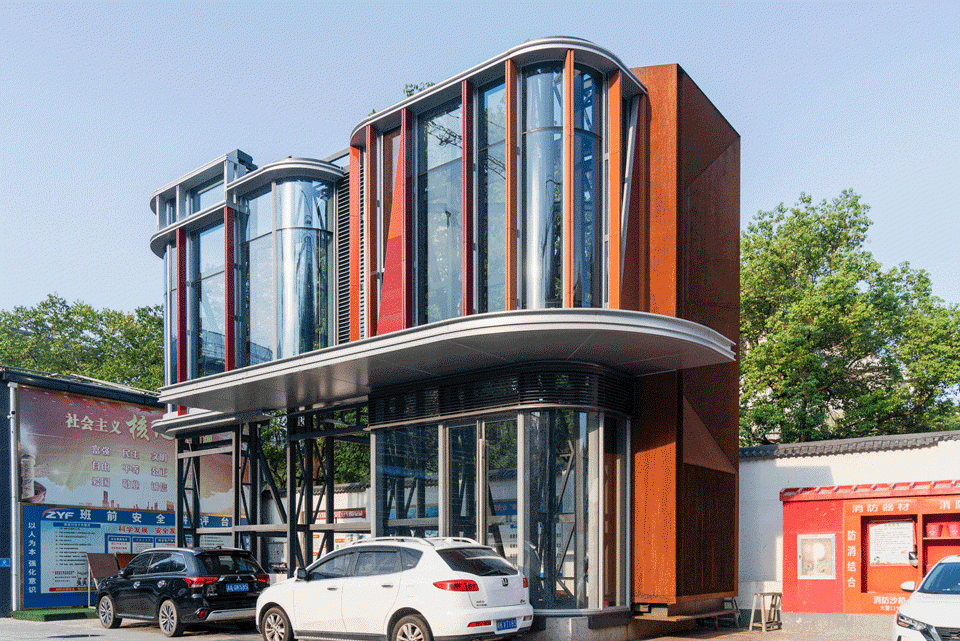
建设期间,line+曾于2025年6月-10月在局部竣工的LOFT49项目工程现场举办了“矛盾中的秩序:从杭州山水到全球视野”作品展,通过事件性策展,在未完成状态下试验性地激发园区活力。
During construction, line+ held the exhibition Order Amidst Contradiction: From Hangzhou’s Shanshui to Global Horizons at the partially completed LOFT49 construction site from June to October 2025. Through event-based curation, the unfinished site was temporarily activated, allowing the park’s future vitality to be tested before completion.
▼展览现场,Exhibition site
01 城市金缮:从遗存碎片到活态界面01 Urban Jinshan: From Fragments of Remains to a Living Interface
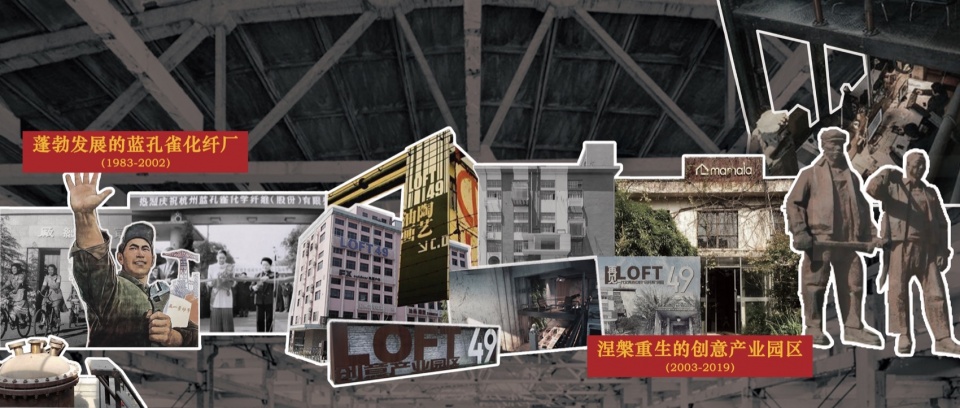
LOFT49前身可追溯至1958年创建的杭州化纤厂,在2003年经由民间艺术家的自发集聚而转型为杭州第一座具备标志性的文创园区。在经历了从工业园区到创意产业园的初次转型,而今则面临着更为严峻的挑战:在城市核心地段高强度开发与高产出诉求之下,如何既能延续、保护和活化工业遗产时期及后续LOFT49文创园时期的双重历史记忆,又能高效提升空间容量,以适配新的产业和市民消费的场景升级需求?
LOFT49 traces its origins to the Hangzhou Chemical Fiber Factory, founded in 1958. In 2003, through the spontaneous gathering of artists and creative practitioners, the former factory compound was transformed into Hangzhou’s first landmark creative industry park. After its initial transition from industrial production site to creative industry cluster, LOFT49 now faces a more complex and pressing challenge: under the pressure of high-intensity development and high-output expectations in a central urban location, how can it continue, protect, and activate the dual historical memory of its industrial heritage period and its later LOFT49 creative park period, while also efficiently increasing spatial capacity to meet the upgraded needs of new industries and contemporary civic consumption?
▼工业遗存和文创产业的双重背景,The dual background of industrial remains and creative industries
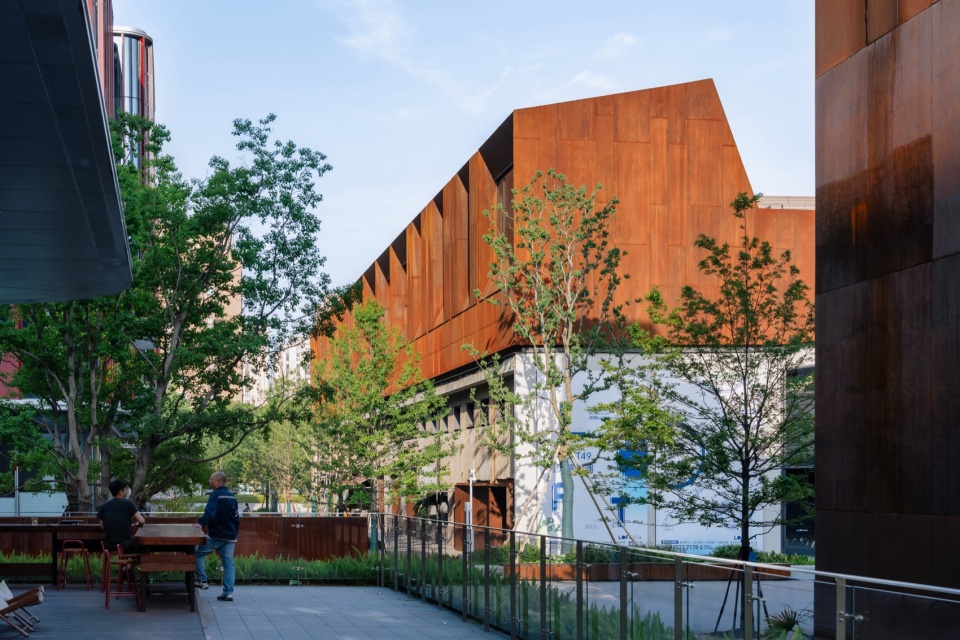
“城市金缮”借鉴了器物修复的金缮技艺,将城市中的断裂与瑕疵视为设计发生的前提,通过引入清晰且可读的异质体系,使原本失效的城市系统重新被激活、使用与感知,将工业遗存从静态保存状态中释放出来,转化为可持续运作的新型城市界面。
“Urban Jinshan” draws from the craft of Jinshan (kintsugi), which repairs broken objects by emphasizing their fractures rather than concealing them. It treats the ruptures and imperfections of the city as the very premise of design. By introducing a clear and legible heterogeneous system, the project reactivates, reuses, and re-sensitizes an urban system that had become partially ineffective, releasing industrial heritage from a static state of preservation and transforming it into a new kind of urban interface capable of continuous operation.
▼从方案效果图到落地实景,From design rendering to built reality
▼从方案效果图到落地实景,From design rendering to built reality
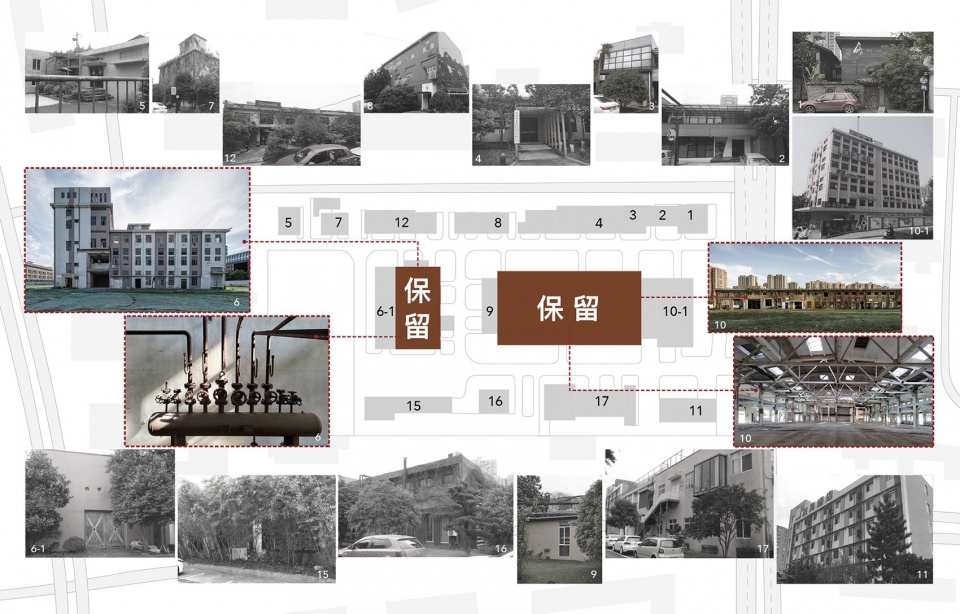
LOFT49二期设计包含两座工业遗存建筑的保护更新,以及约9万平方米新增建筑体量的建设。场地中部的6号楼高跨生产车间与10号楼单层大跨厂房被完整保留,而周边在持续使用过程中被破坏严重,且经鉴定为特征性不强、保留价值不高的附属建筑则在建筑师团队介入之前已被整体拆除。
The design of LOFT49 Phase II includes the conservation and renewal of two industrial heritage buildings, together with the construction of approximately 90,000 square meters of new building volume. Building 6, a high-bay production workshop in the middle of the site, and Building 10, a single-storey large-span factory building, were preserved in their entirety. Around them, ancillary buildings that had been severely damaged through continuous use, and which were assessed as having limited distinctive value and low preservation significance, had already been fully demolished before the architects’ intervention.
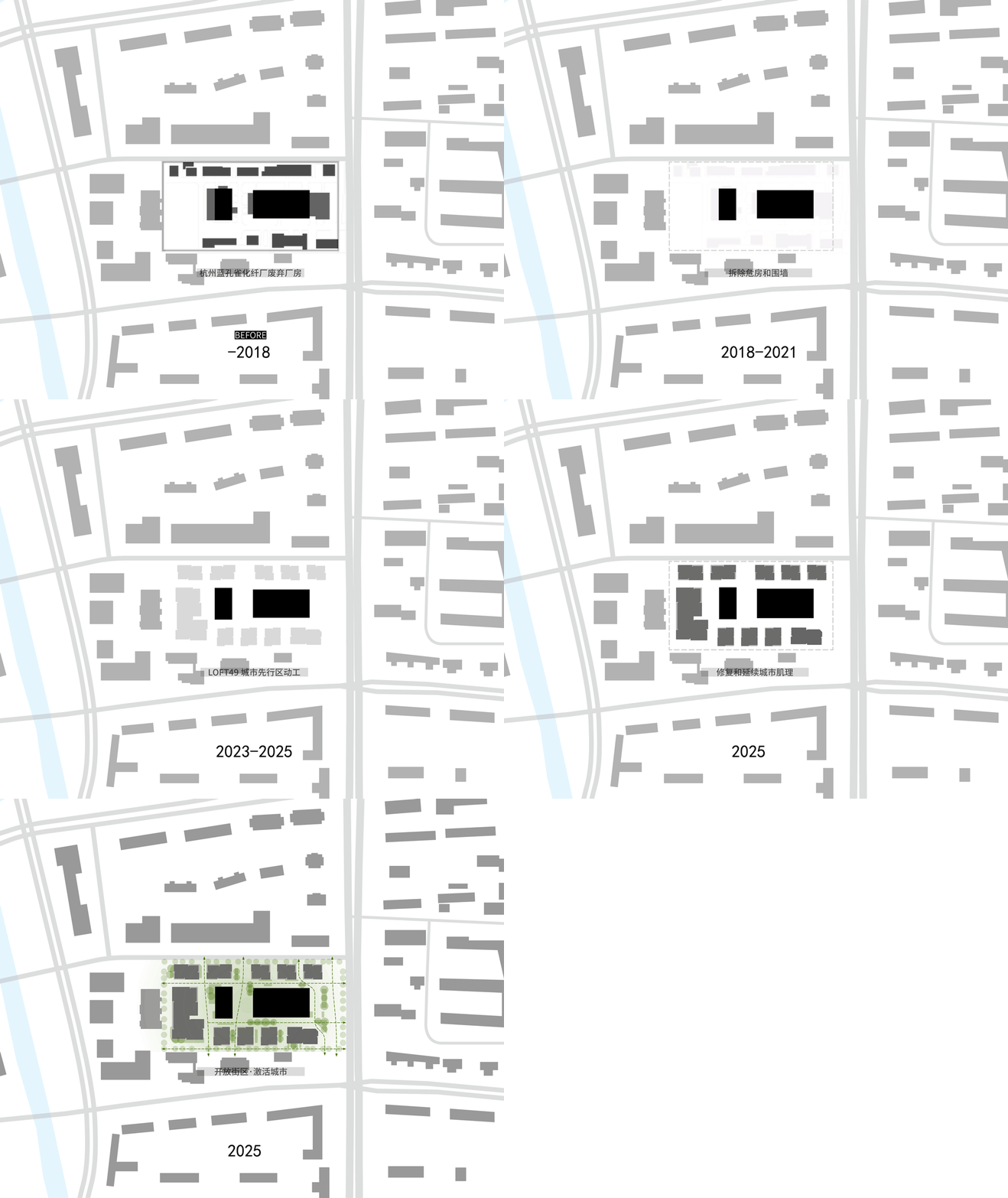
▼根据工业遗产评估报告得出拆留方案,Demolition and retention strategy based on the industrial heritage assessment report
▼改造前后对比,Before-and-after comparison
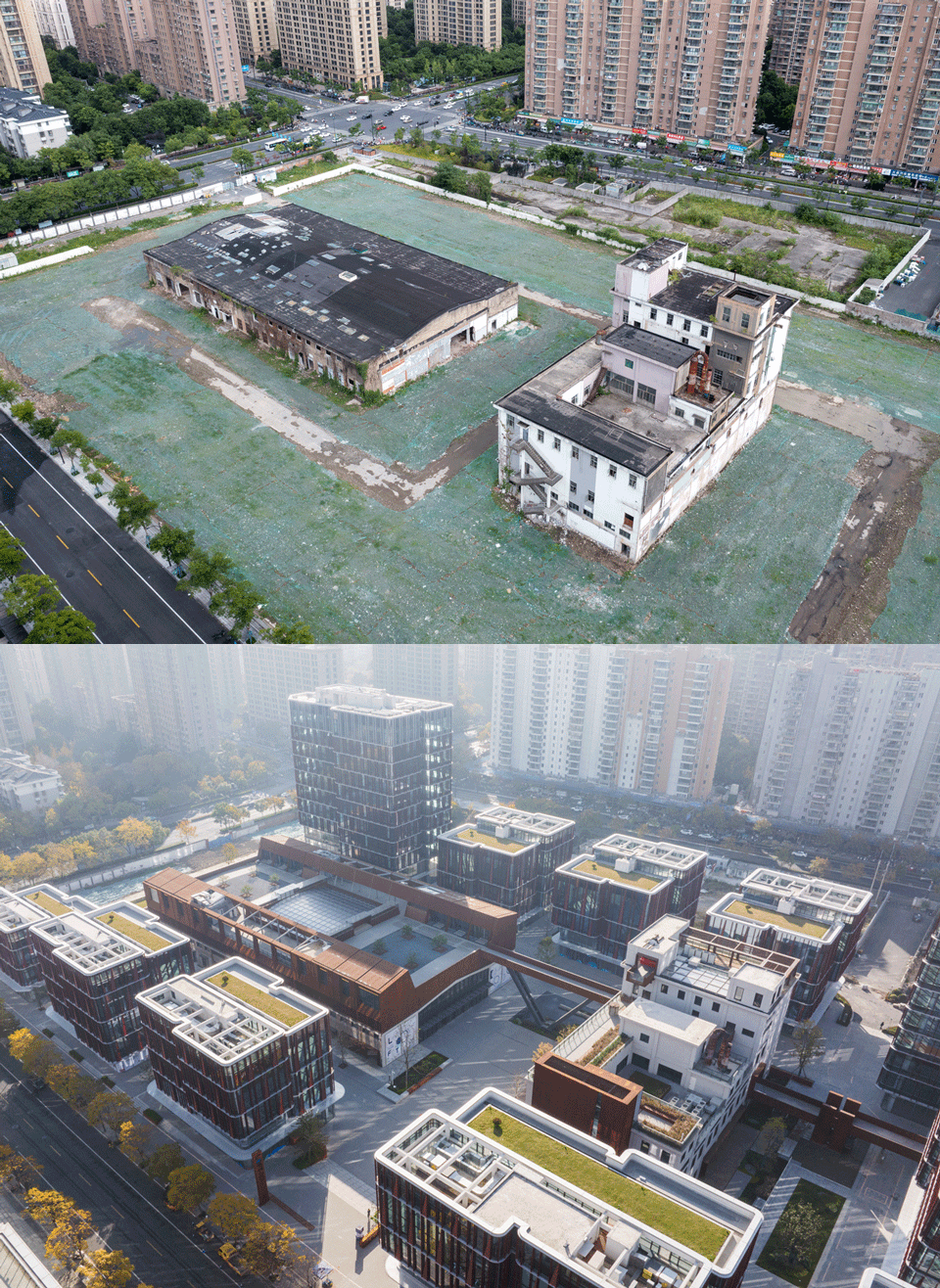
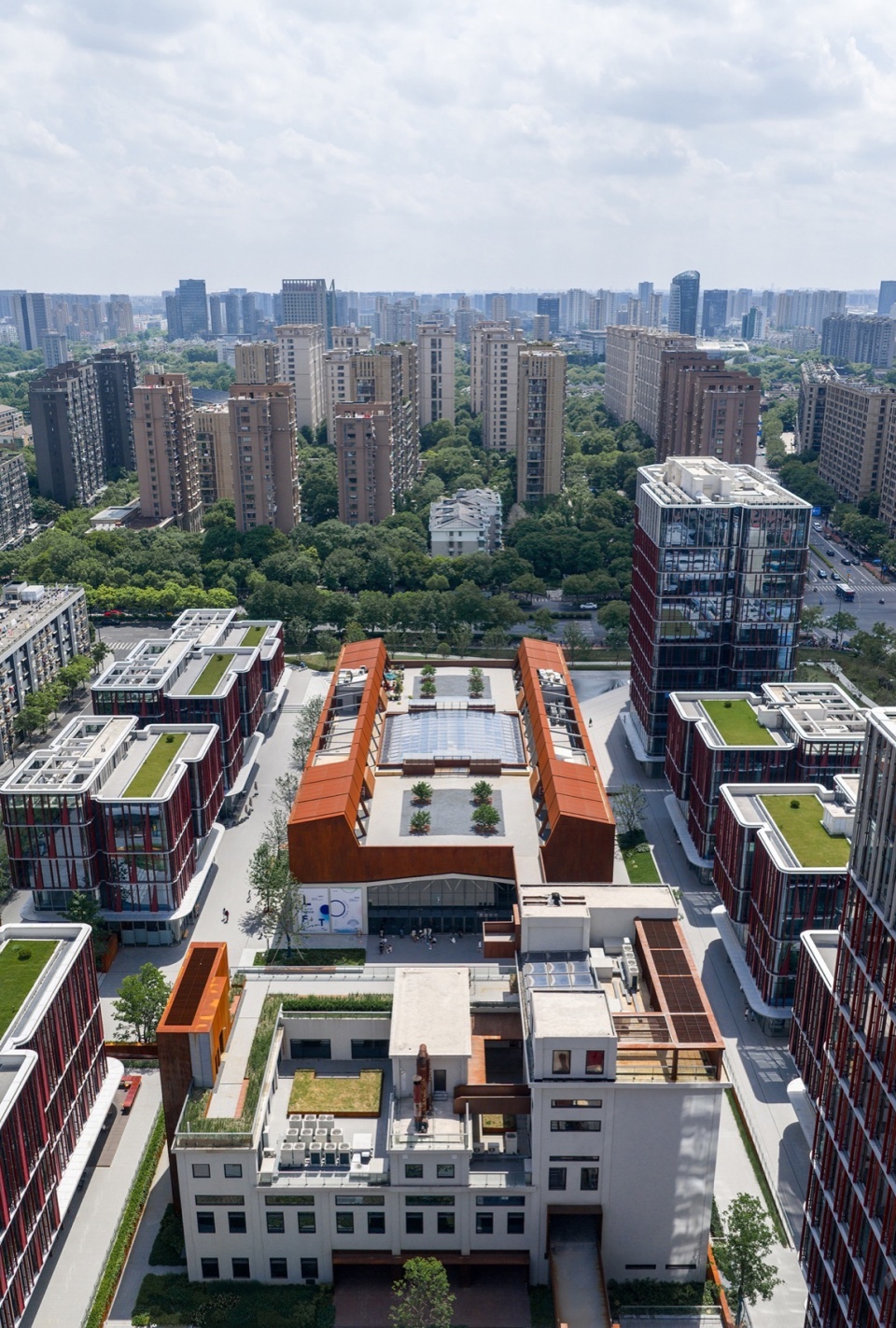
面对残缺的场地原始信息,建筑师在介入之后,首先在规划和设计端,通过对新增容量的非均质分配,将高层体量退至场地边缘,最大限度释放内部空间,使原本封闭、断裂、不可达的“历史余料”,转化为可共享、可渗透的“公共街区”。
Faced with an incomplete set of original site information, the architects first intervened at the level of planning and design. Through the non-uniform distribution of newly added capacity, high-rise volumes were pushed toward the edges of the site, releasing the internal ground as much as possible. The “historical remnants” that had once been enclosed, fractured, and difficult to access was transformed into a shared and permeable public block.
▼肌理变迁分析图,Fabric transformation analysis
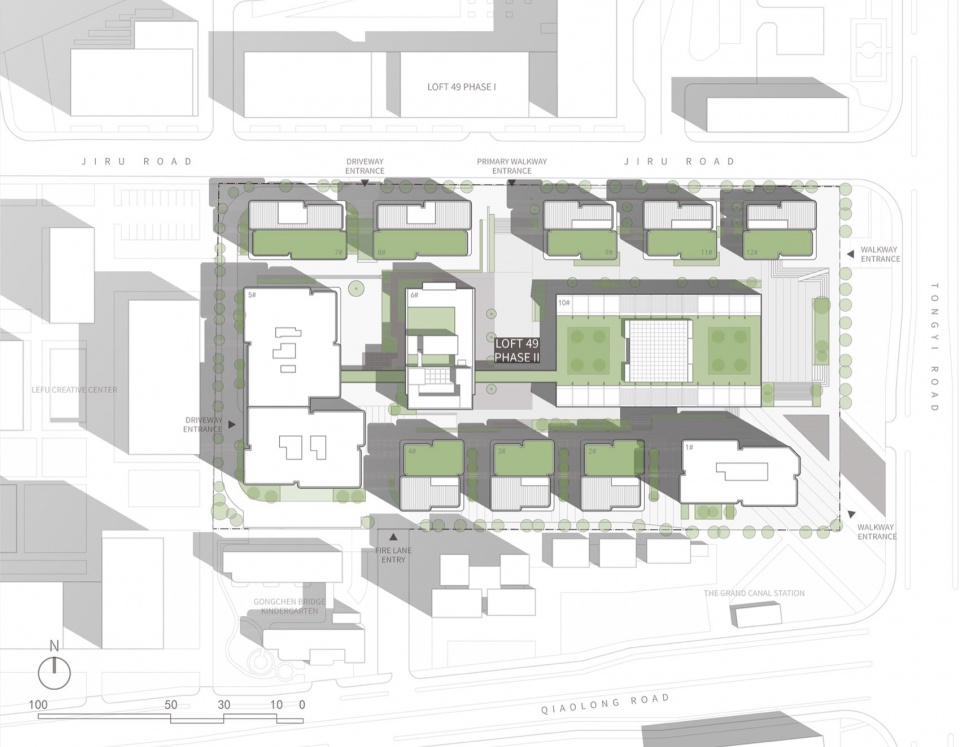
▼总平面图,Master plan
▼从方案效果图到落地实景,From design rendering to built reality
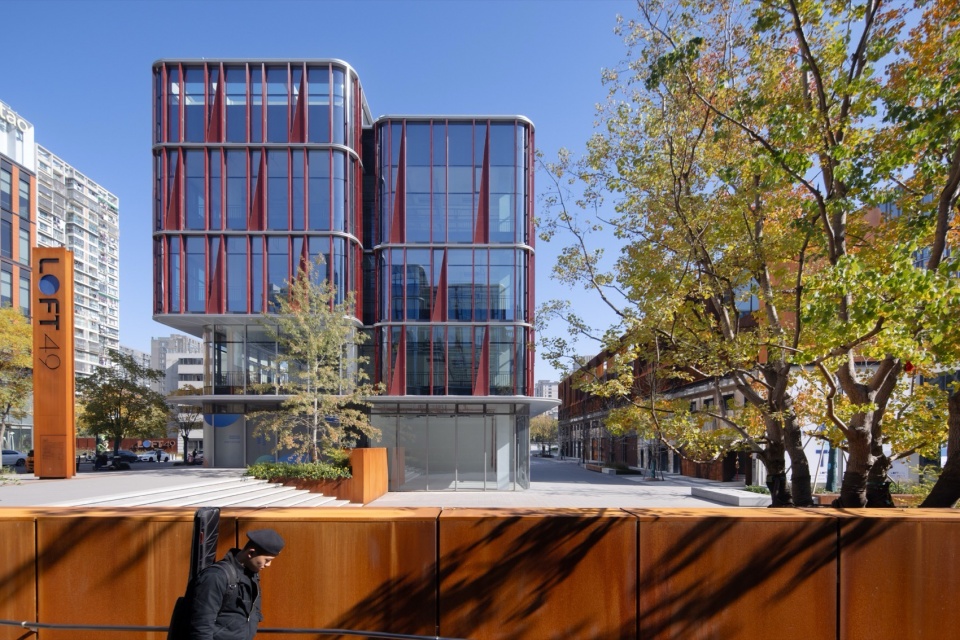
▼从方案效果图到落地实景,From design rendering to built reality
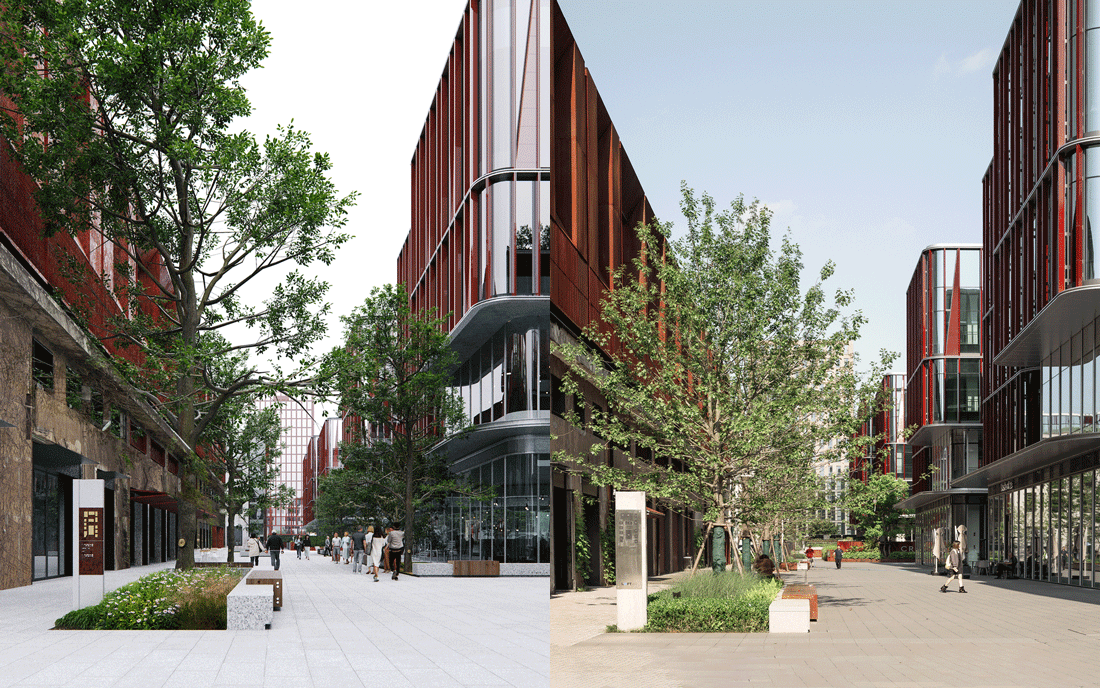
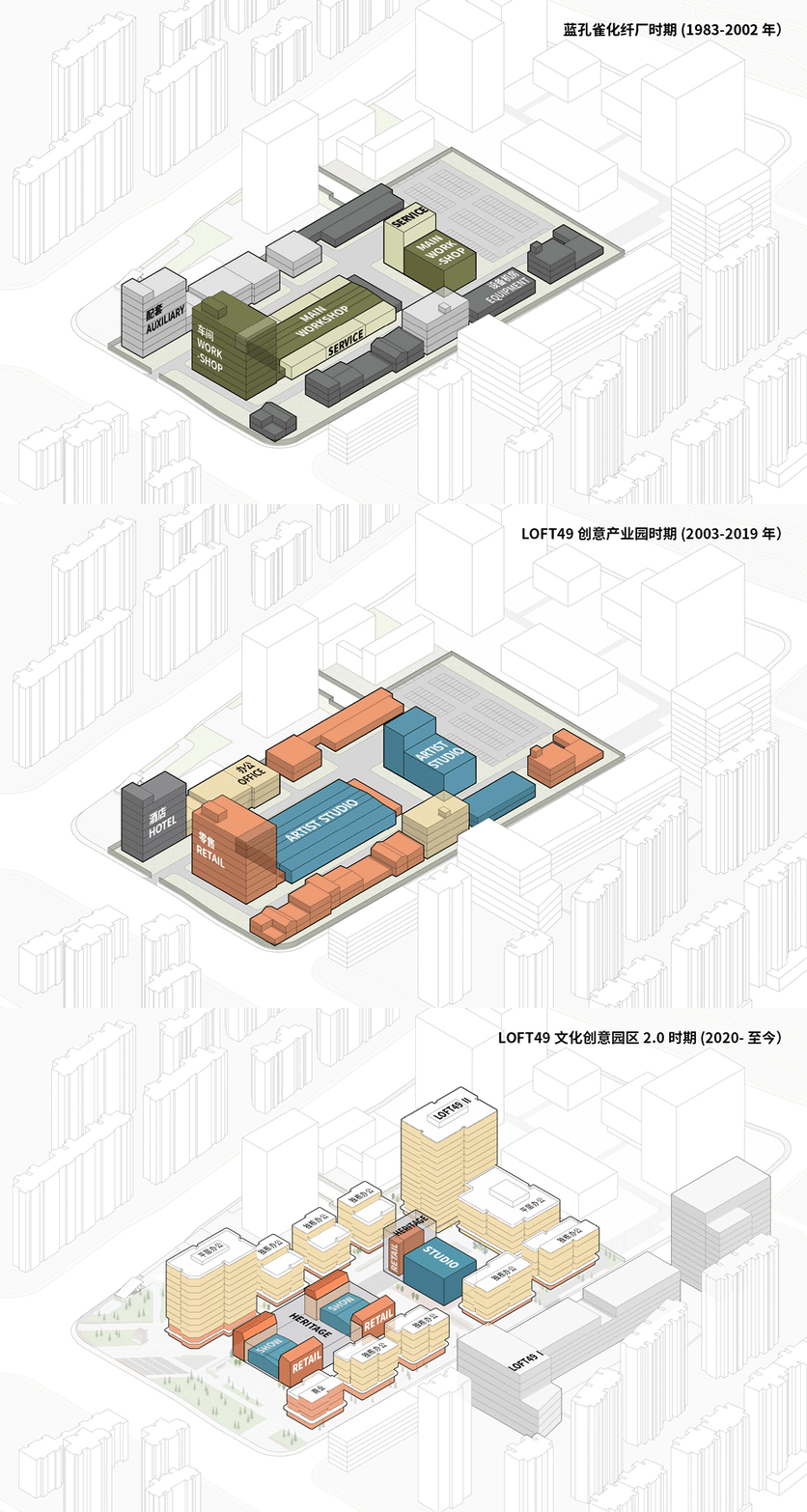
面对传统封闭式文创园区已难以满足当代都市群体需求的现实,设计通过更高的空间灵活度与扩展性,引入多种规模的混合业态,在原有产业园框架中嵌入开放式街区结构和L-W-P(生活+工作+娱乐)的新元素。
The conventional enclosed creative park can no longer satisfy the needs of contemporary urban groups. In response, the design introduces greater spatial flexibility and extensibility, accommodates mixed programs of different scales, and embeds an open-block structure together with new L-W-P elements — living, working, and playing — into the existing industrial park framework.
▼功能置换,Programmatic replacement
▼项目鸟瞰,aerial view of the project
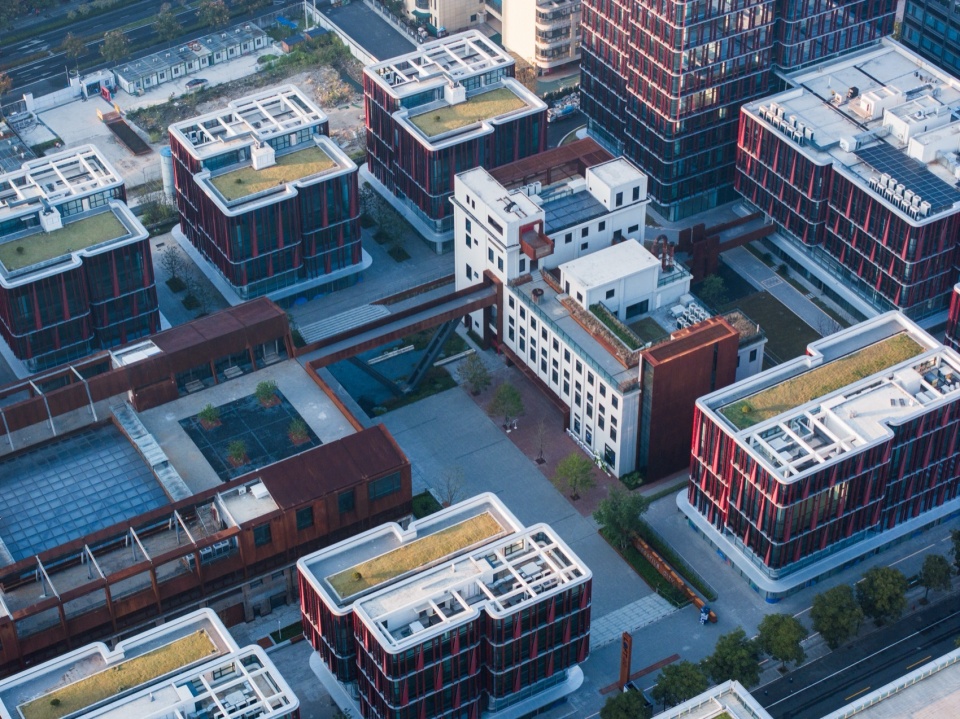
建筑师通过“模式赋能”与“类型赋能”的空间策略,尝试在LOFT49实现从“建造”到“创造”,再到多方参与的“共造”这一城市空间演进的范式迁徙。
Through the spatial strategies of “mode empowerment” and “type empowerment,” the architects attempt to realize a paradigmatic migration at LOFT49: from construction, to creation, and further toward co-creation through the participation of multiple actors.
▼落地实景,built reality
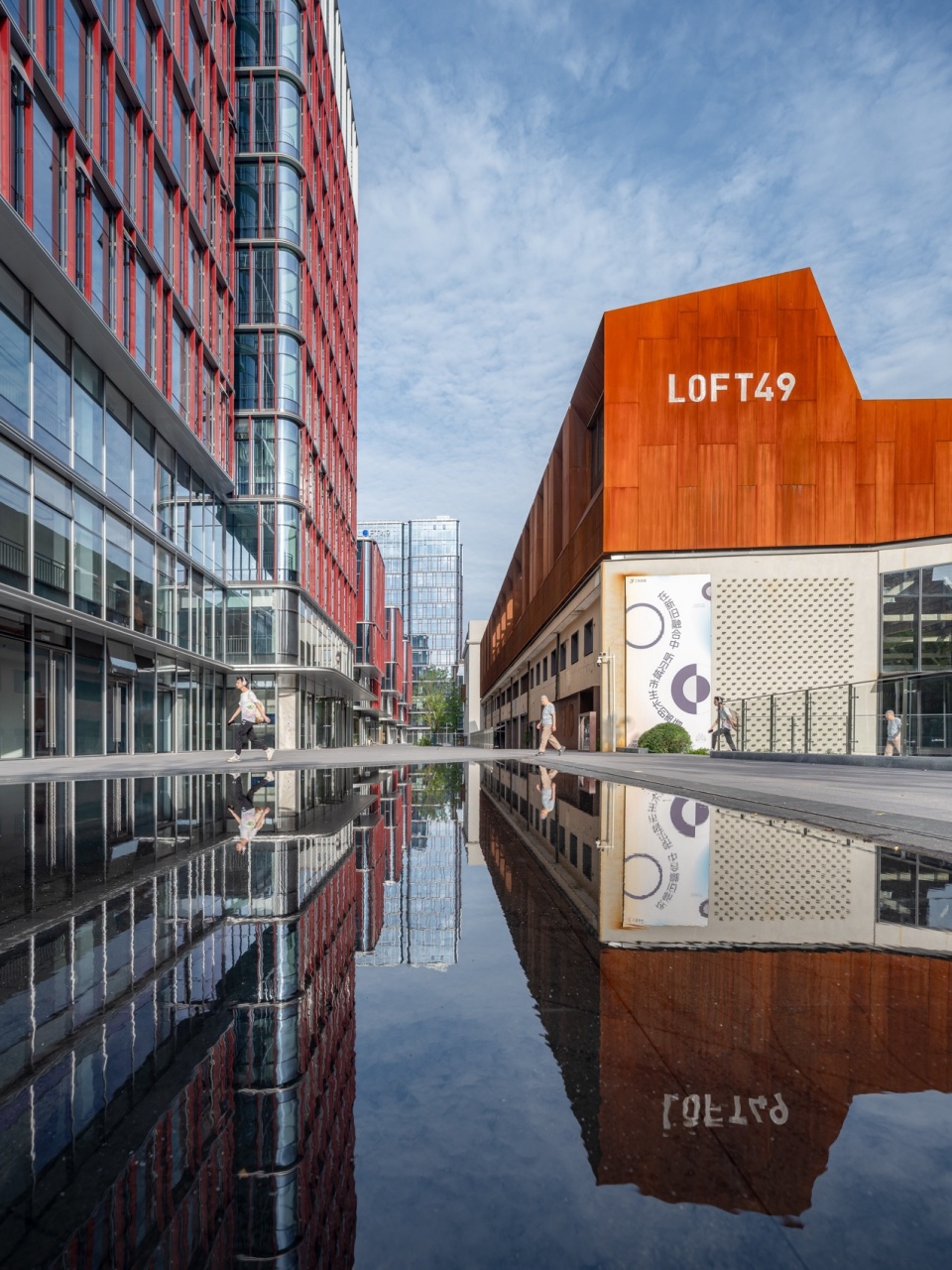
02 金缮之法:新旧系统的互补共生02 The Method of Jinshan: Complementary Coexistence of New and Old Systems
“金缮”源于惜物之心,以传统大漆工艺修补破损器物,以金线勾边,使之具备了新的使用价值和艺术价值。建筑师从中获得启发,以连续可感知的公共开放体系与清晰可辨的材料系统,对园区中断裂和破损的空间信息进行重新整合。
Jinshan originates from a care for things. Using traditional lacquer techniques to repair damaged objects, and outlining their fractures with gold, it gives them renewed functional and artistic value. Drawing from this craft, the architects reorganize the fractured and damaged spatial information of the park through a continuous and perceptible public open system, together with a clearly distinguishable material system.
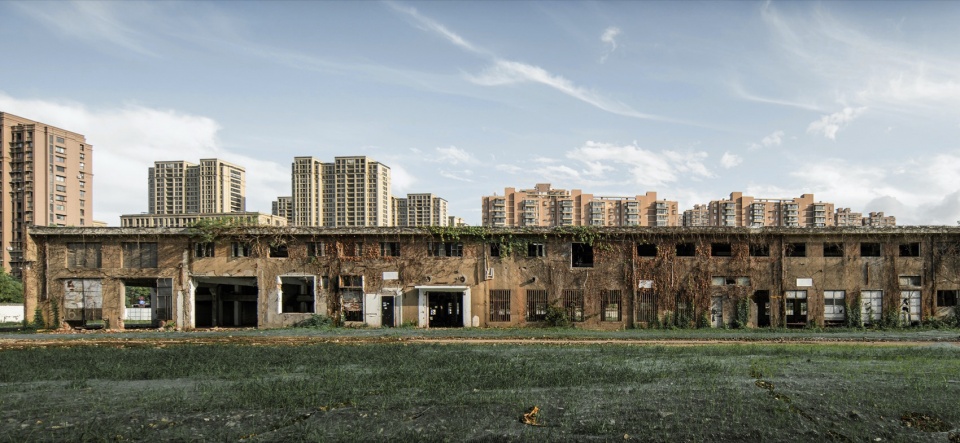
▼改造前10号楼,Building 10 before renovation
▼改造前10号楼的内部空间,Interior space of Building 10 before renovation
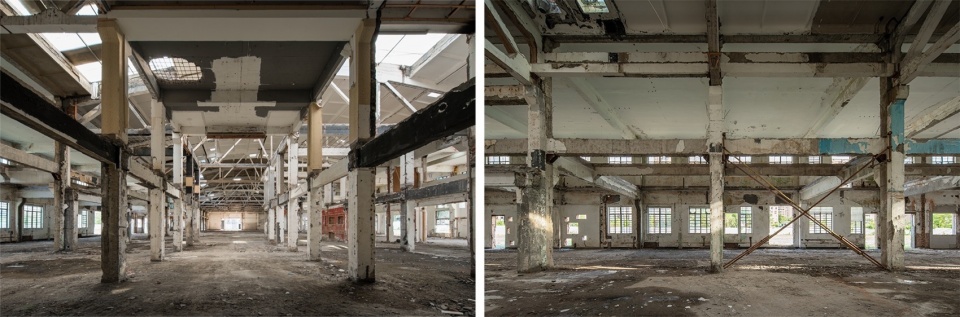
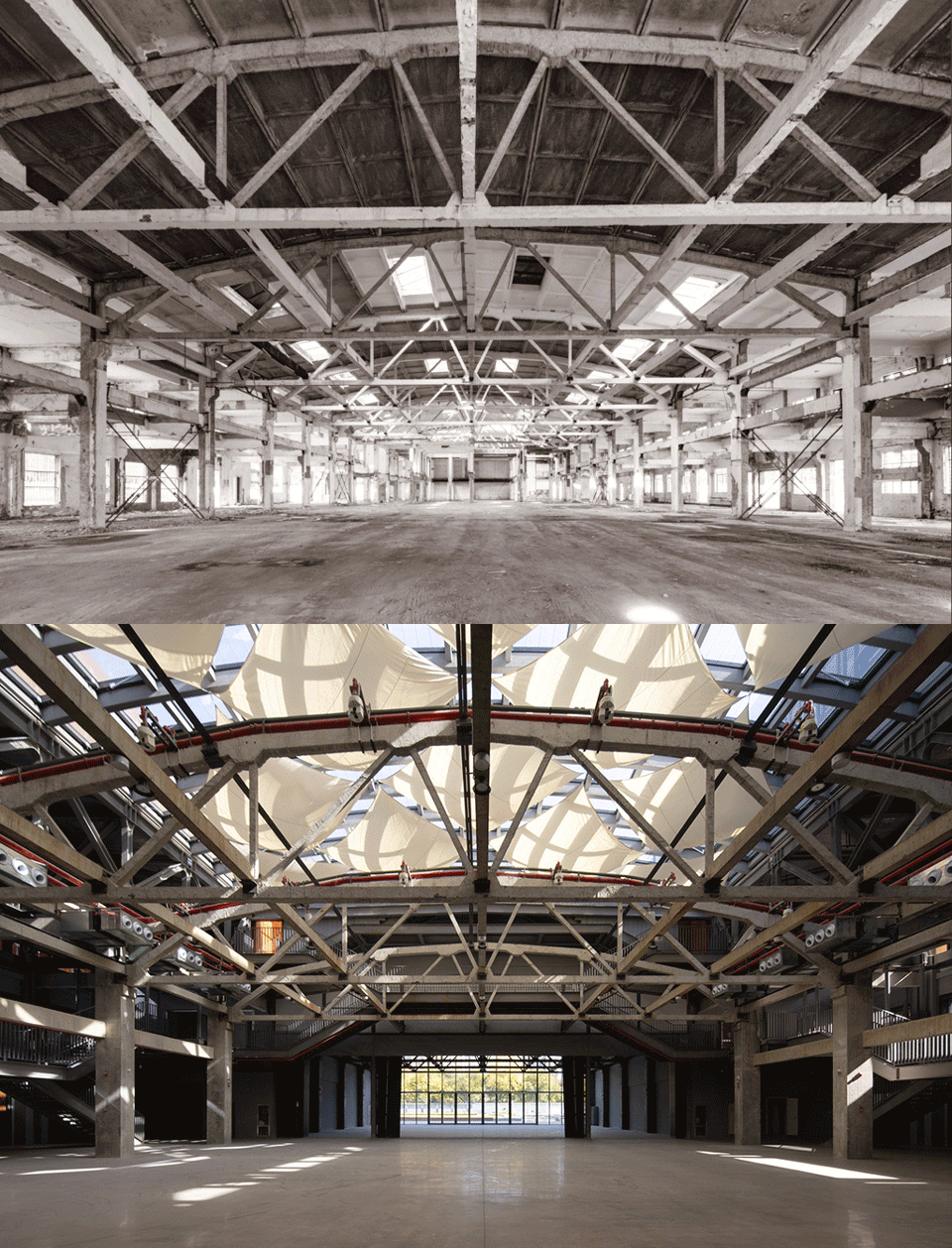
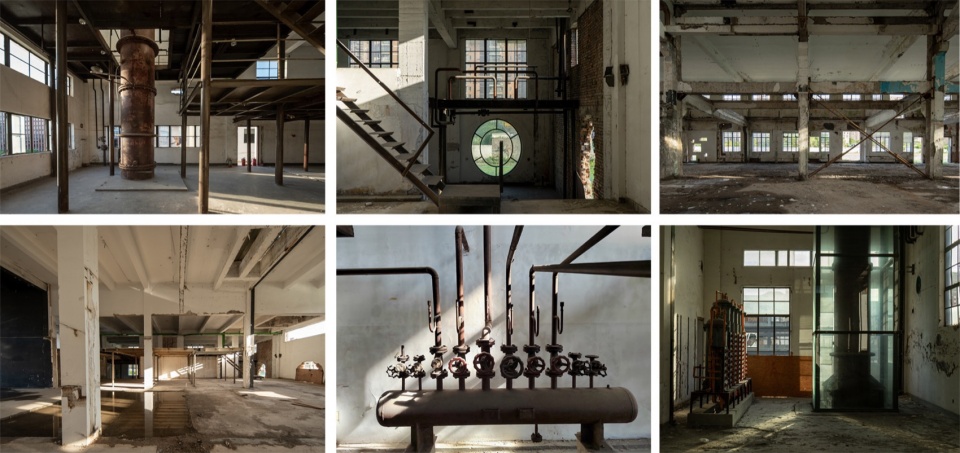
10号楼建于1987年,是原厂区核心生产建筑,为典型钢排架结构的单层大跨度厂房,内部仍保留具有行业意义的生产设备。
Building 10 was built in 1987. It was one of the original factory’s core production buildings, a typical single-storey large-span factory with a steel bent-frame structure. Production equipment of industrial significance is still retained inside.
▼10号楼改造后,Building 10 after renovation
▼10号楼内部空间改造前后对比,Interior space of Building 10 before and after renovation
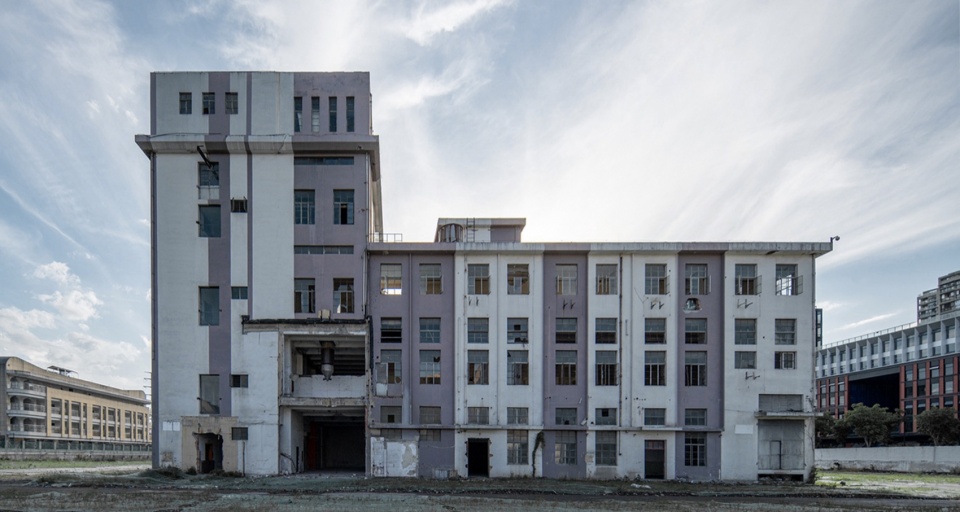
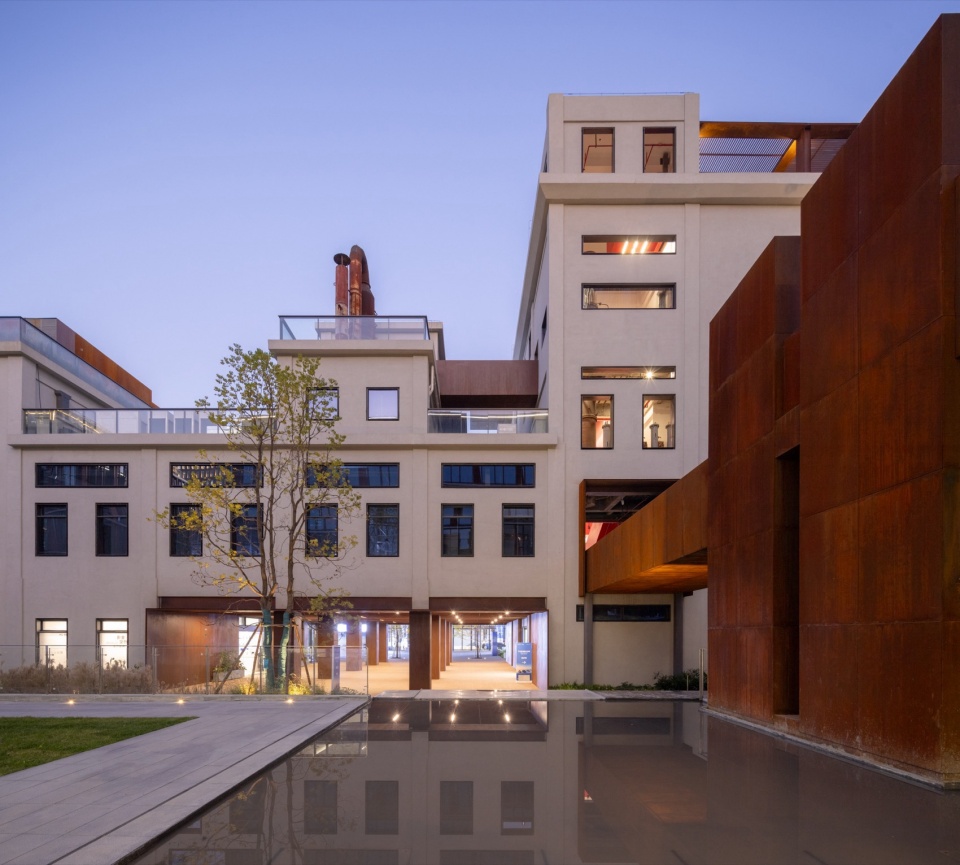
6号楼建于1990年,为腈纶袜生产车间,空间尺度相对紧凑,也留存部分生产设施。
Building 6 was built in 1990 as an acrylic sock production workshop. Its spatial scale is relatively compact, and part of its production equipment has also been retained.
▼改造前6号楼,Building 6 before renovation
▼厂房内保留大量生产设施设备,A large amount of production facilities and equipment retained inside the factory building
▼ 6号楼改造后,Building 6 after renovation
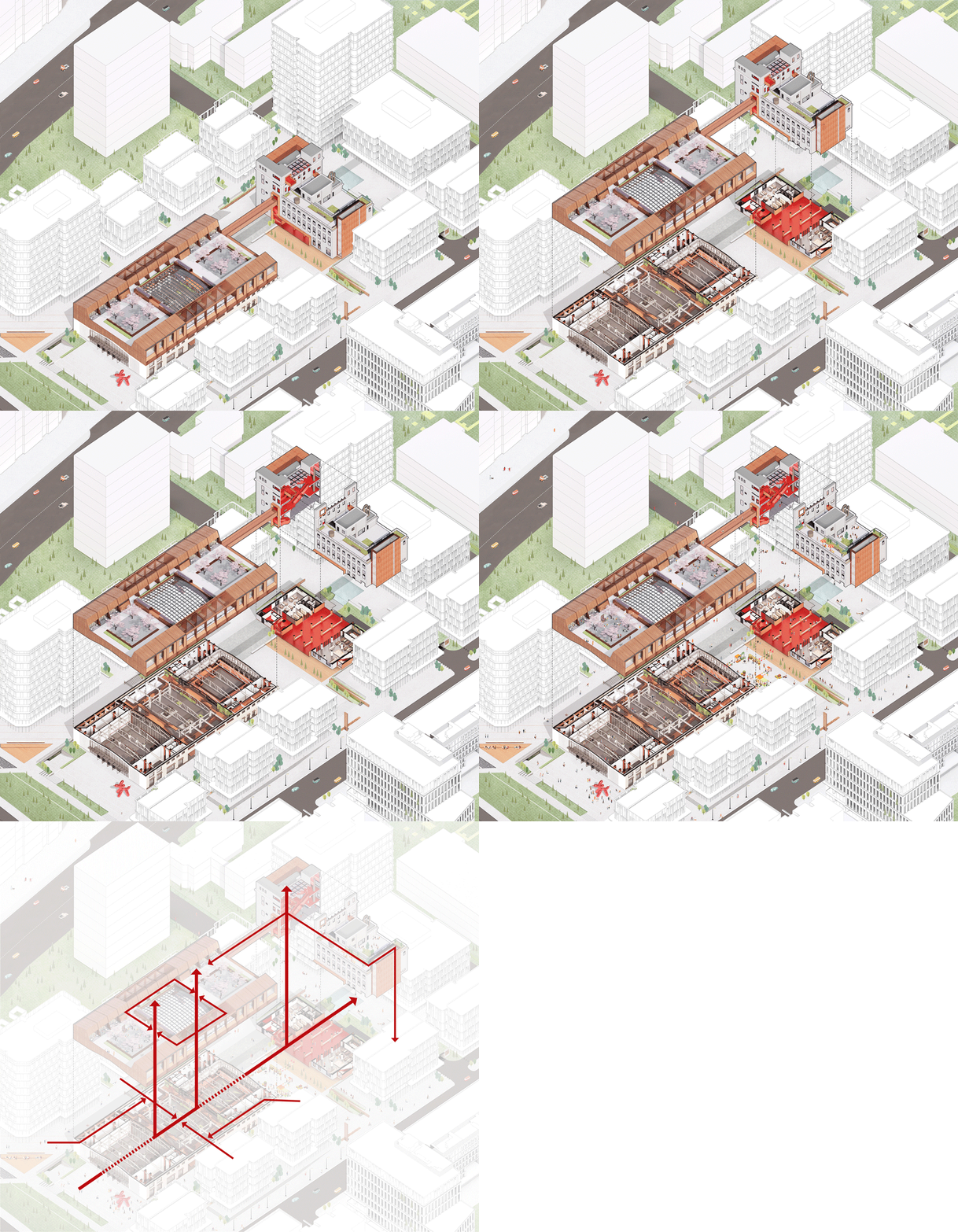
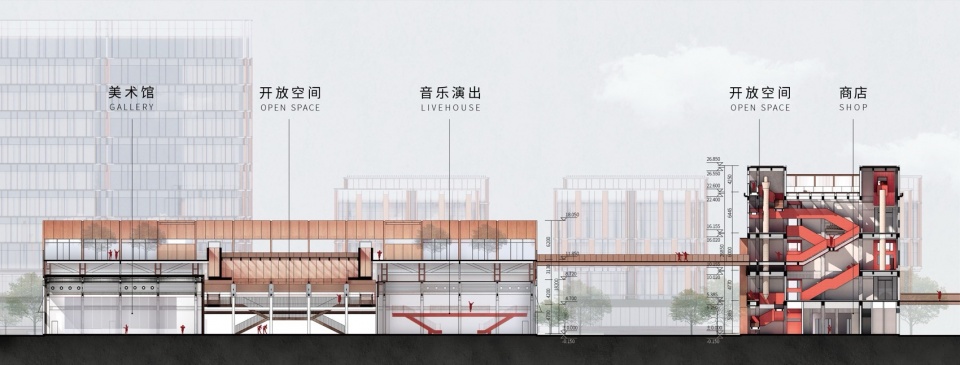
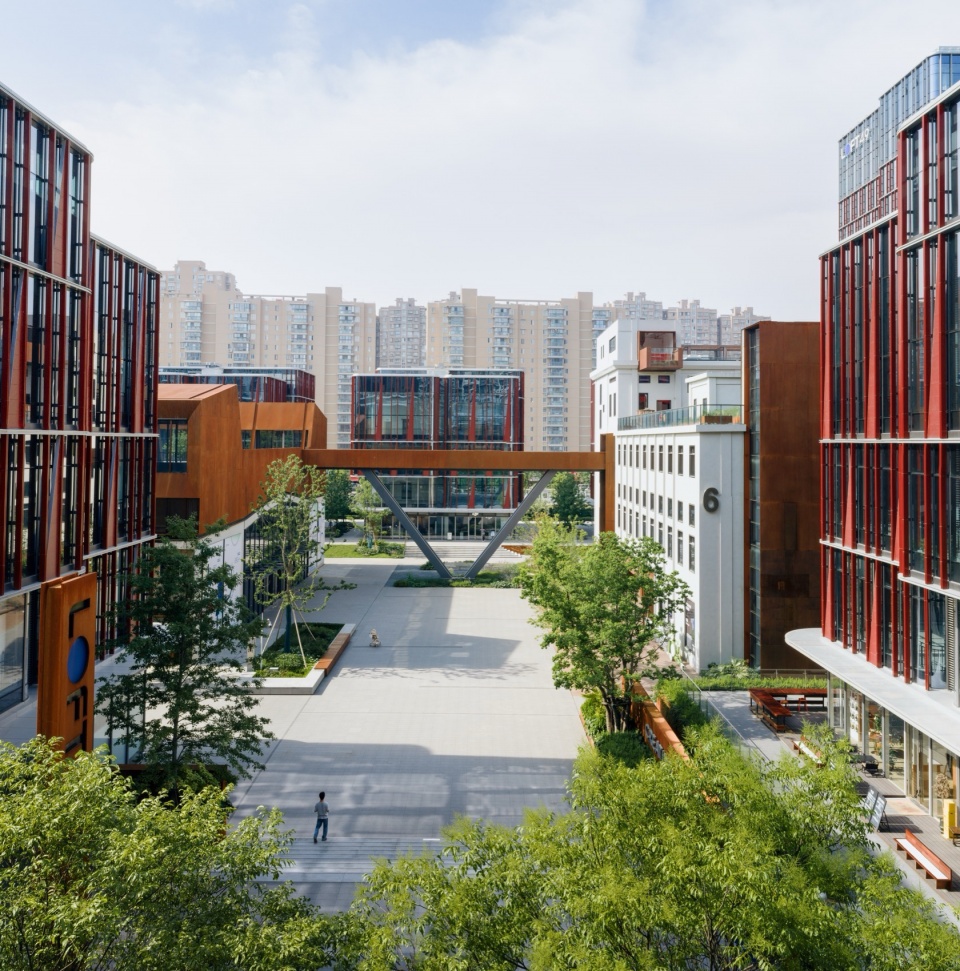
在具体实施中,建筑师首先从空间层面进行“金缮”——在园区内部植入三个广场,形成停留与交往的公共节点,并通过路径系统将其连接。
In implementation, the architects first carried out Jinshan at the spatial level. Three plazas were inserted into the park to form public nodes for pause and encounter, and these nodes were connected through a new circulation system.
▼6号楼和10号楼建筑改造形体生成分析,Formal generation analysis of the renovation of Buildings 6 and 10
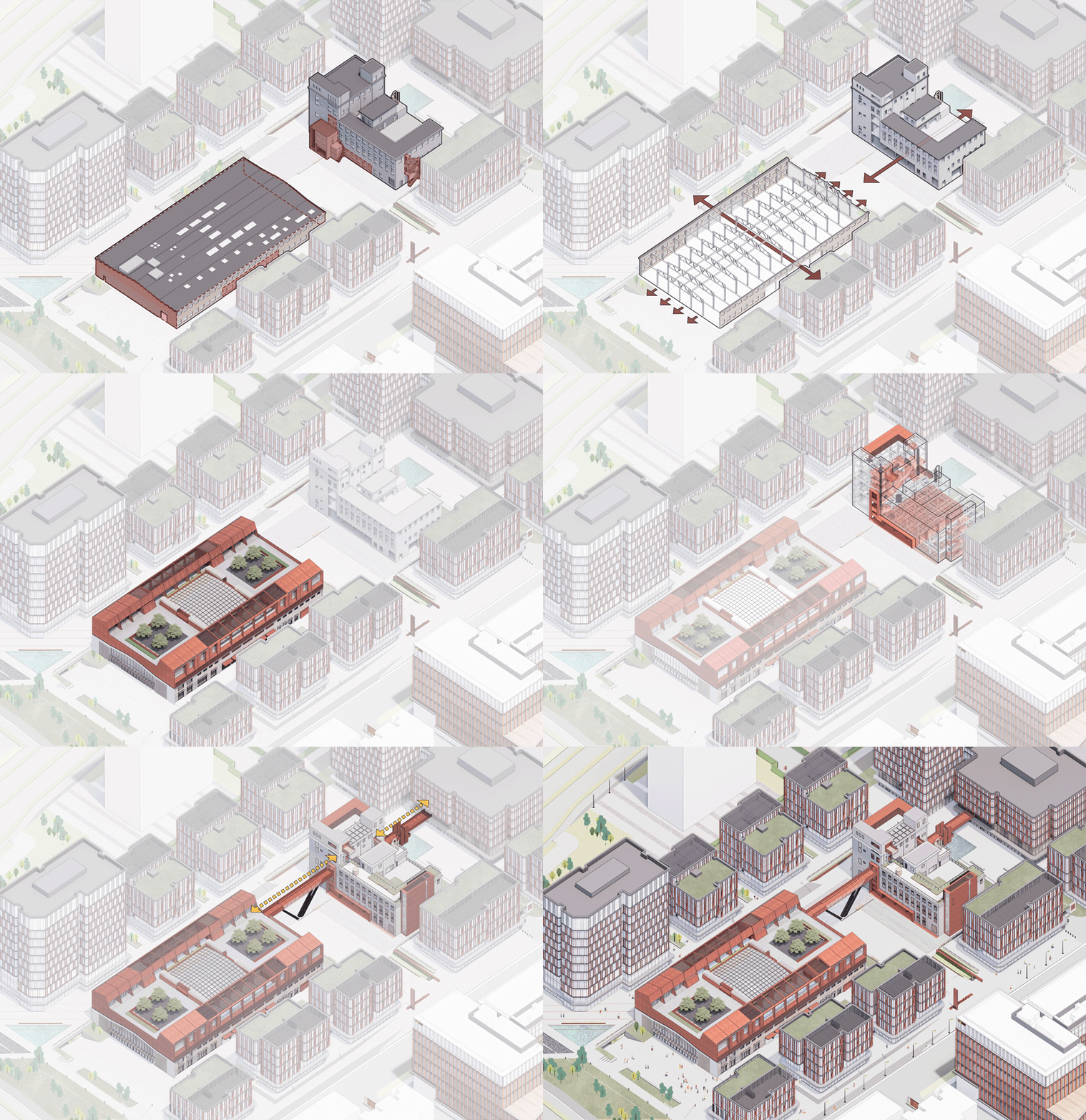
▼轴测爆炸图,Exploded axonometric diagram
▼剖面-空间关系,Section — spatial relationship
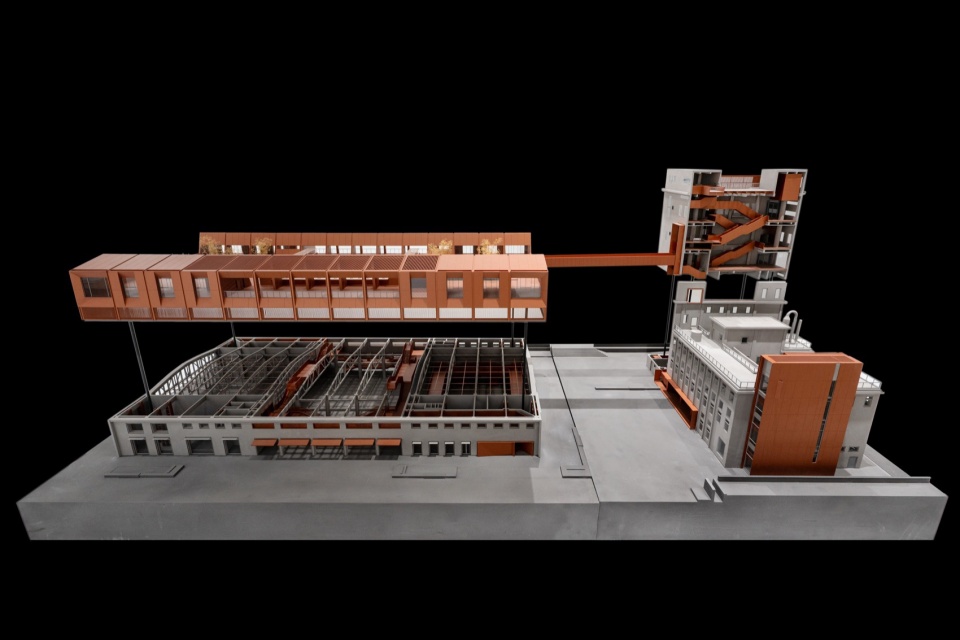
▼模型照,Model photograph
▼项目鸟瞰,aerial view of the project
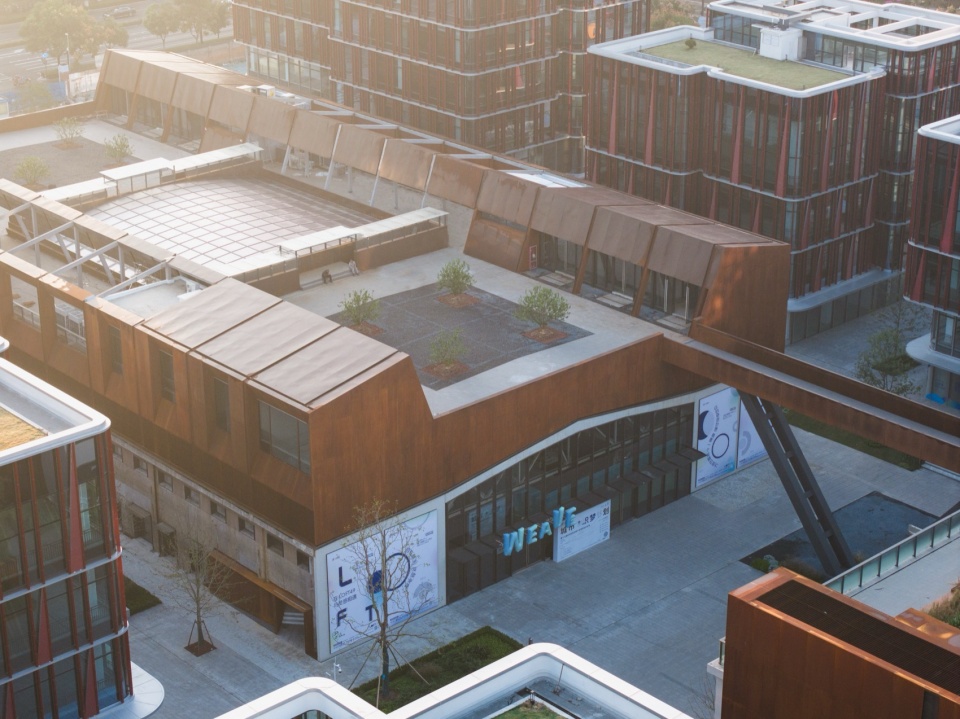
▼落地实景,built reality
▼落地实景,built reality
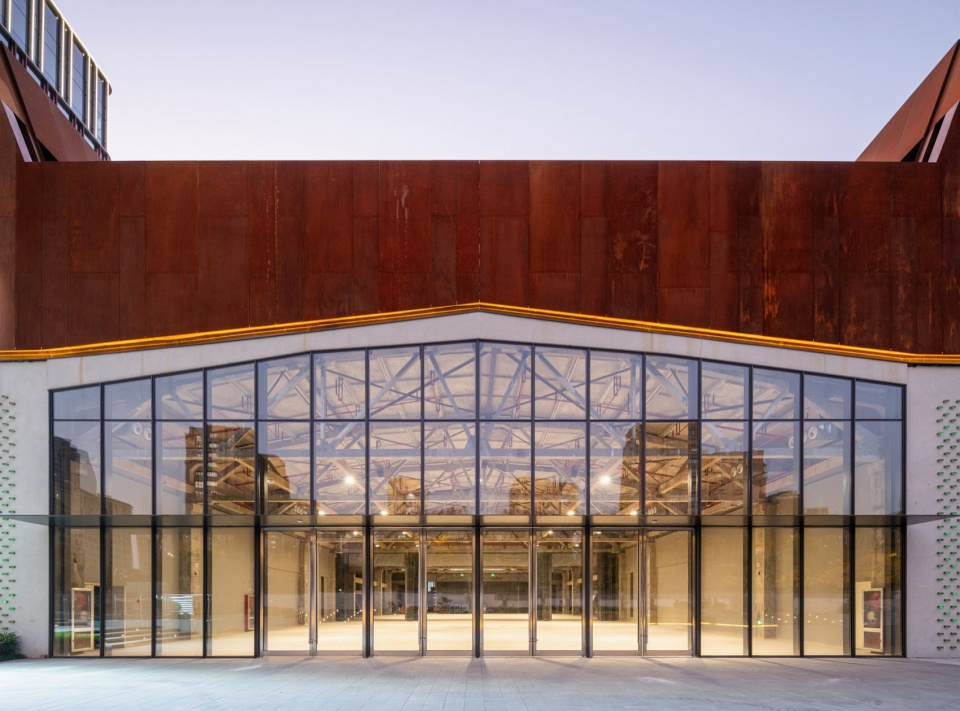
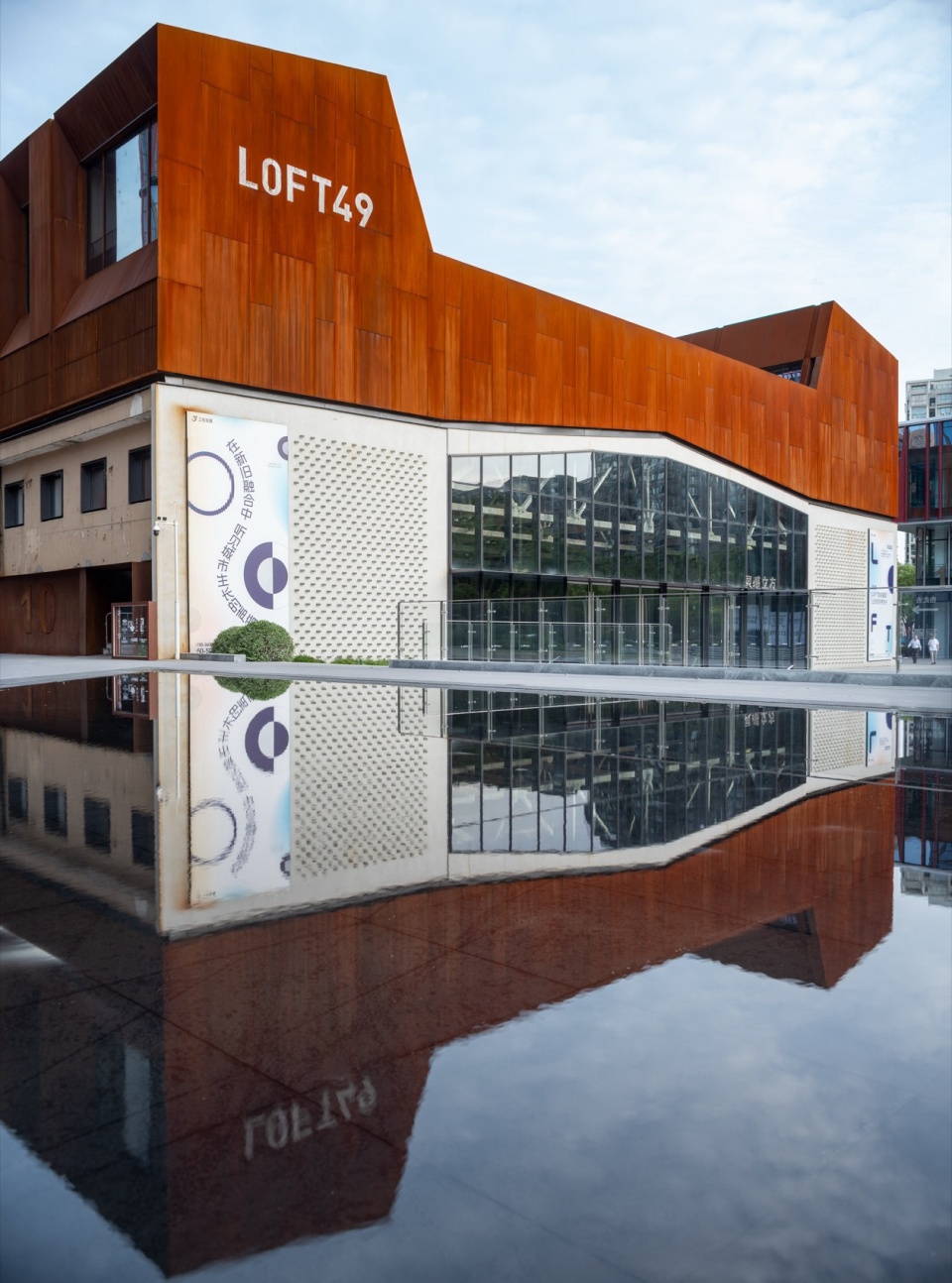
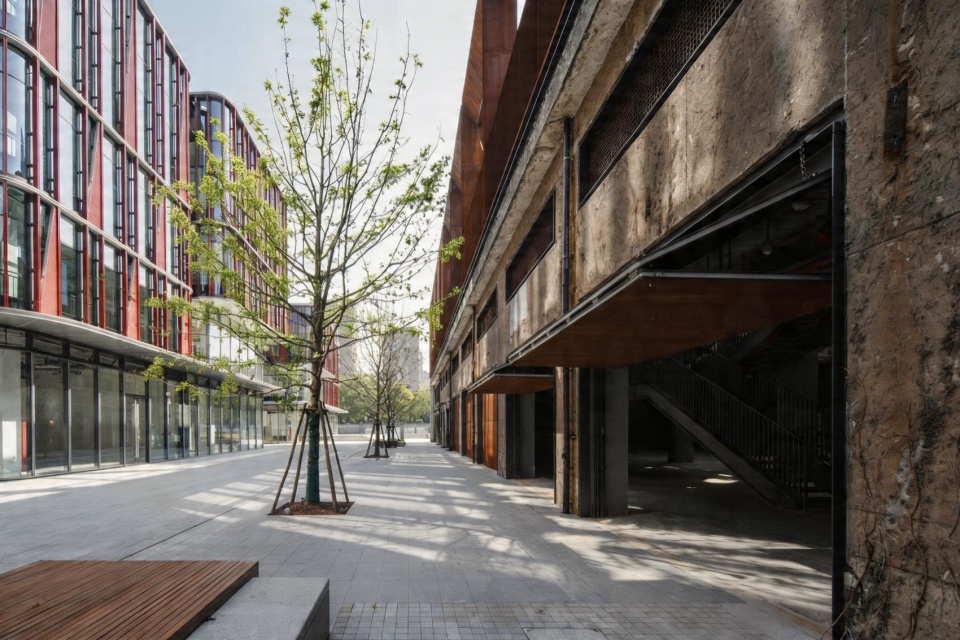
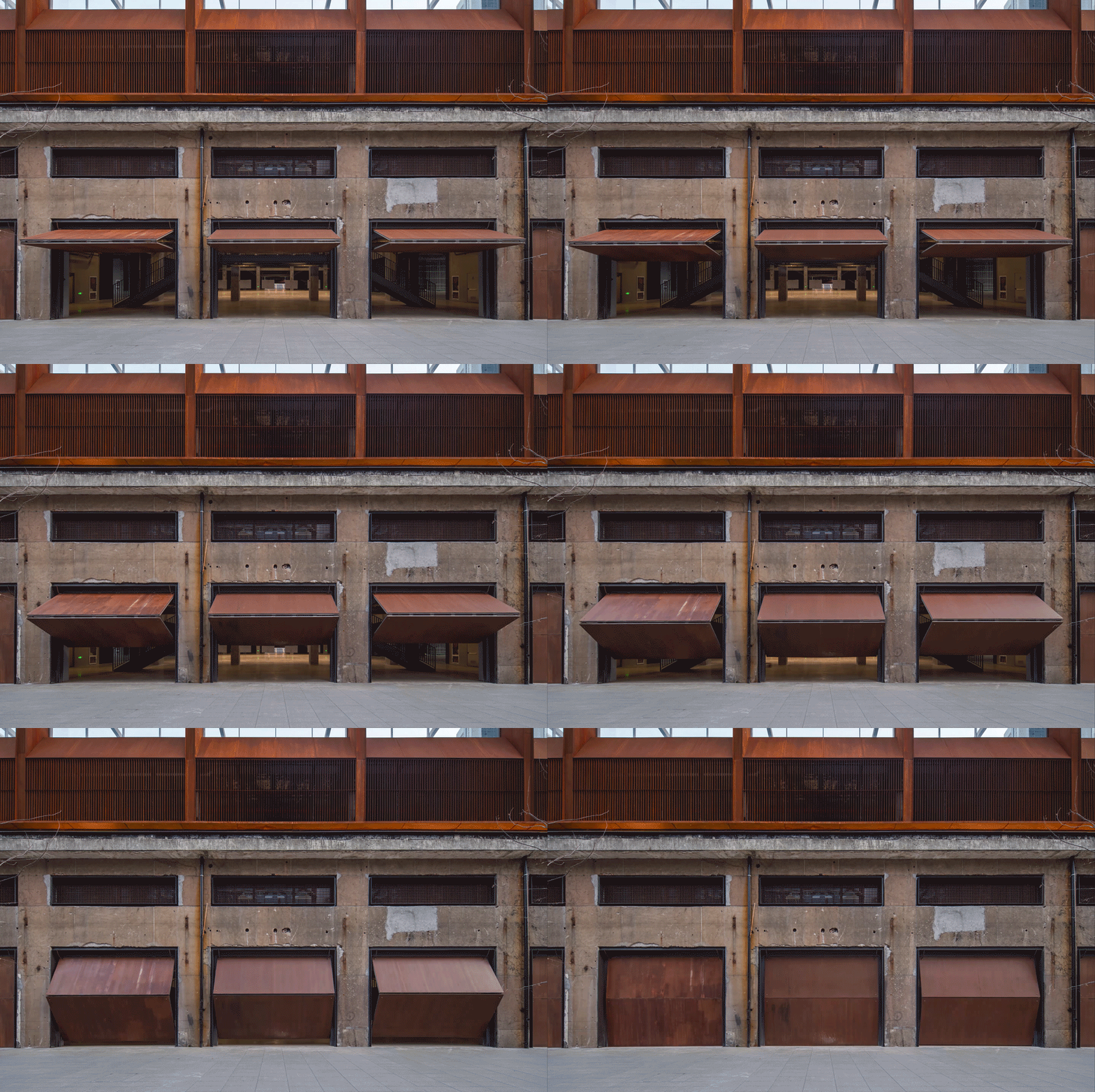
单层大跨厂房(10号楼):原作为内隔墙的东西向立面打通,形成面向城市的通透界面,强化与东广场、中广场的空间联系;南北立面各放大三跨洞口,结合新增共享中庭,以及可时段性开放的立面折叠谷仓门,形成可供公众穿越的便捷路径。
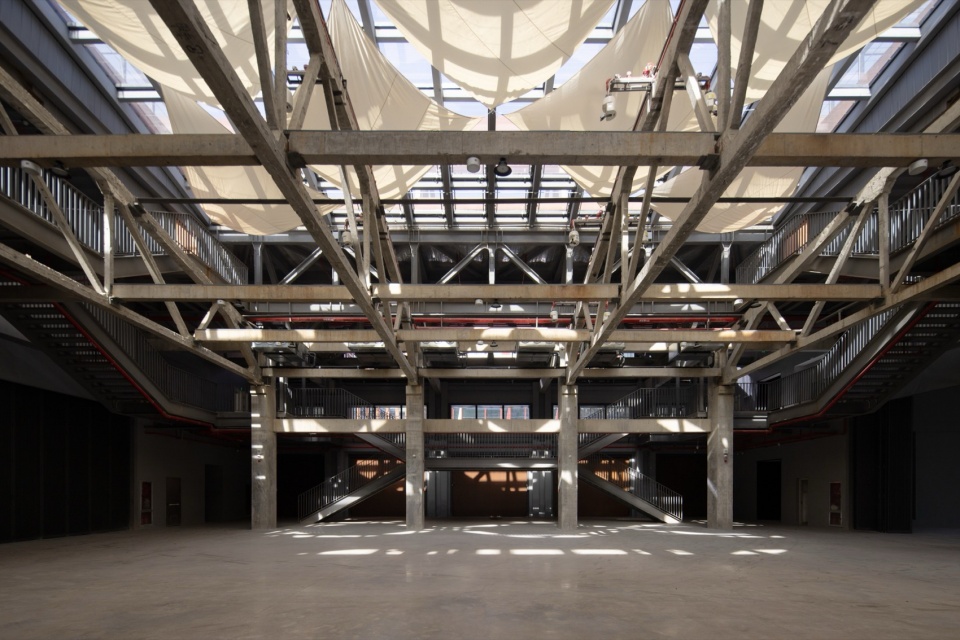
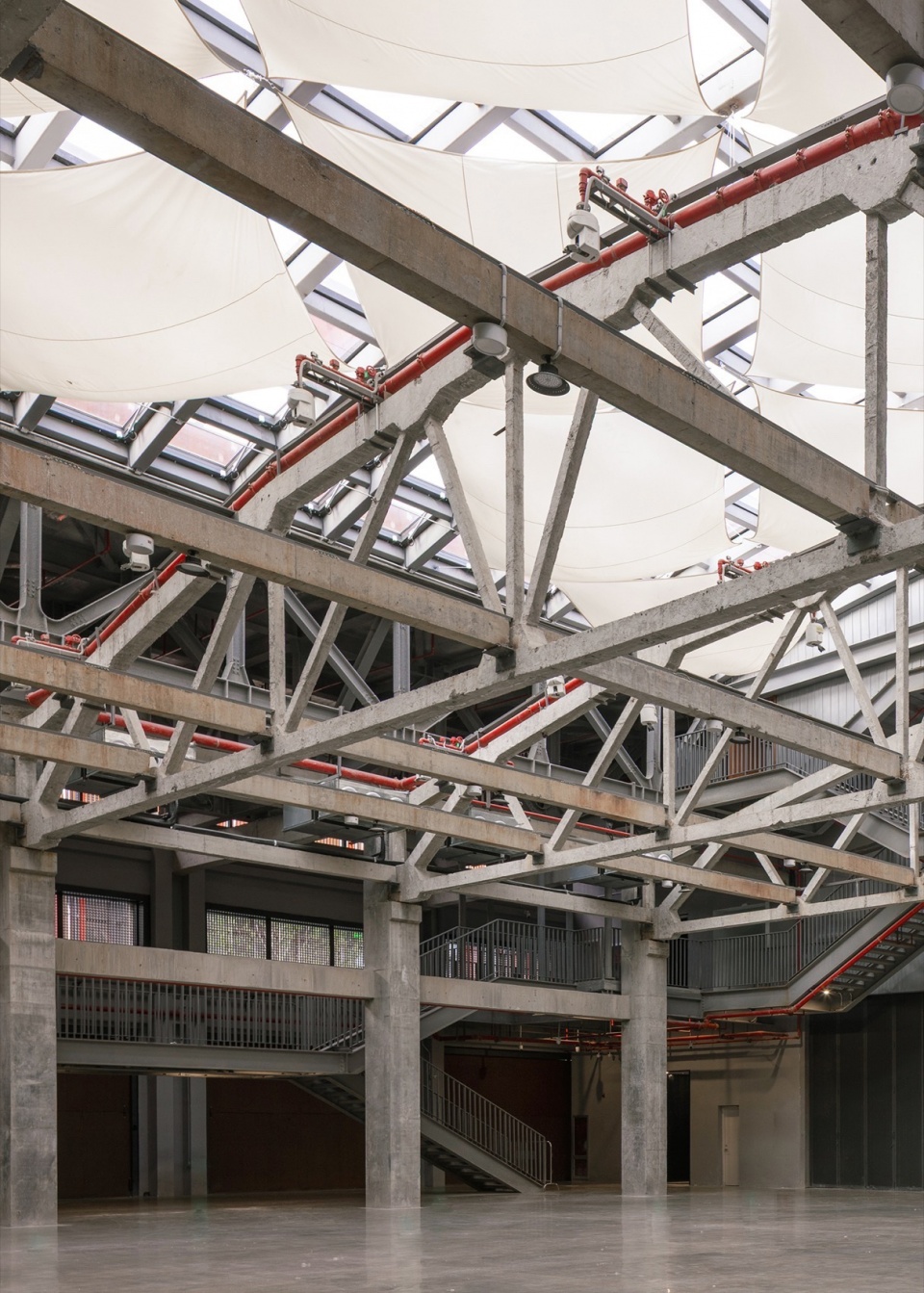
For the single-storey large-span factory building, Building 10, the east-west façades that had originally functioned as internal partition walls were opened up, forming a transparent interface toward the city and reinforcing the spatial connection with the East Plaza and Central Plaza. On both the north and south façades, three structural bays were opened up and enlarged. Combined with the newly inserted shared atrium and foldable barn doors that can be opened at designated times, these interventions provide convenient public access through the building while creating flexible spaces for gathering and activity.
▼落地实景,built reality
▼落地实景,built reality
▼10号楼谷仓门打开过程,Opening process of the barn doors in Building 10
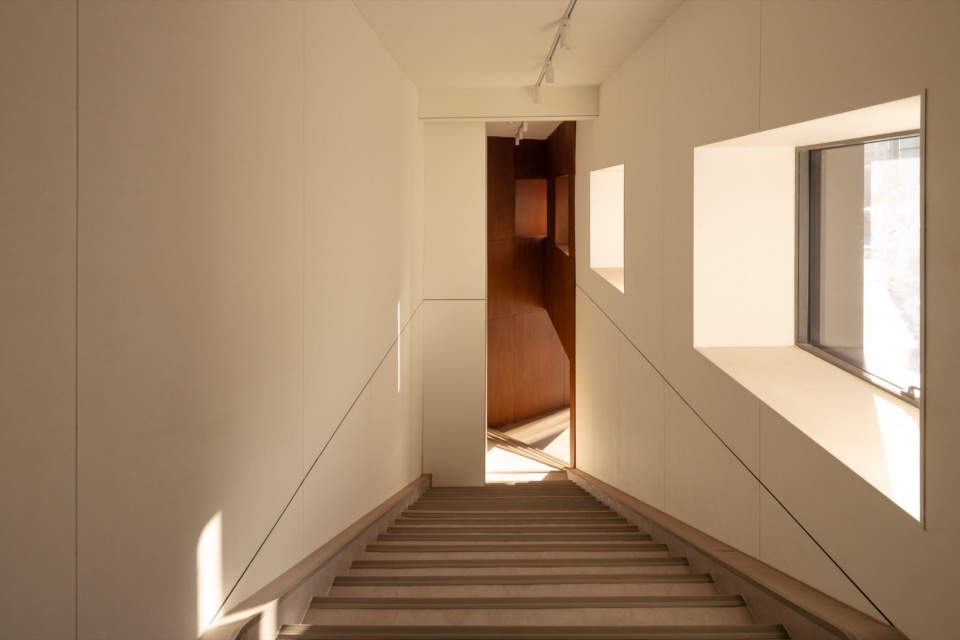
▼楼梯,staircase
▼10号楼共享中庭,Shared atrium of Building 10
▼10号楼共享中庭细部,details of the shared atrium of Building 10
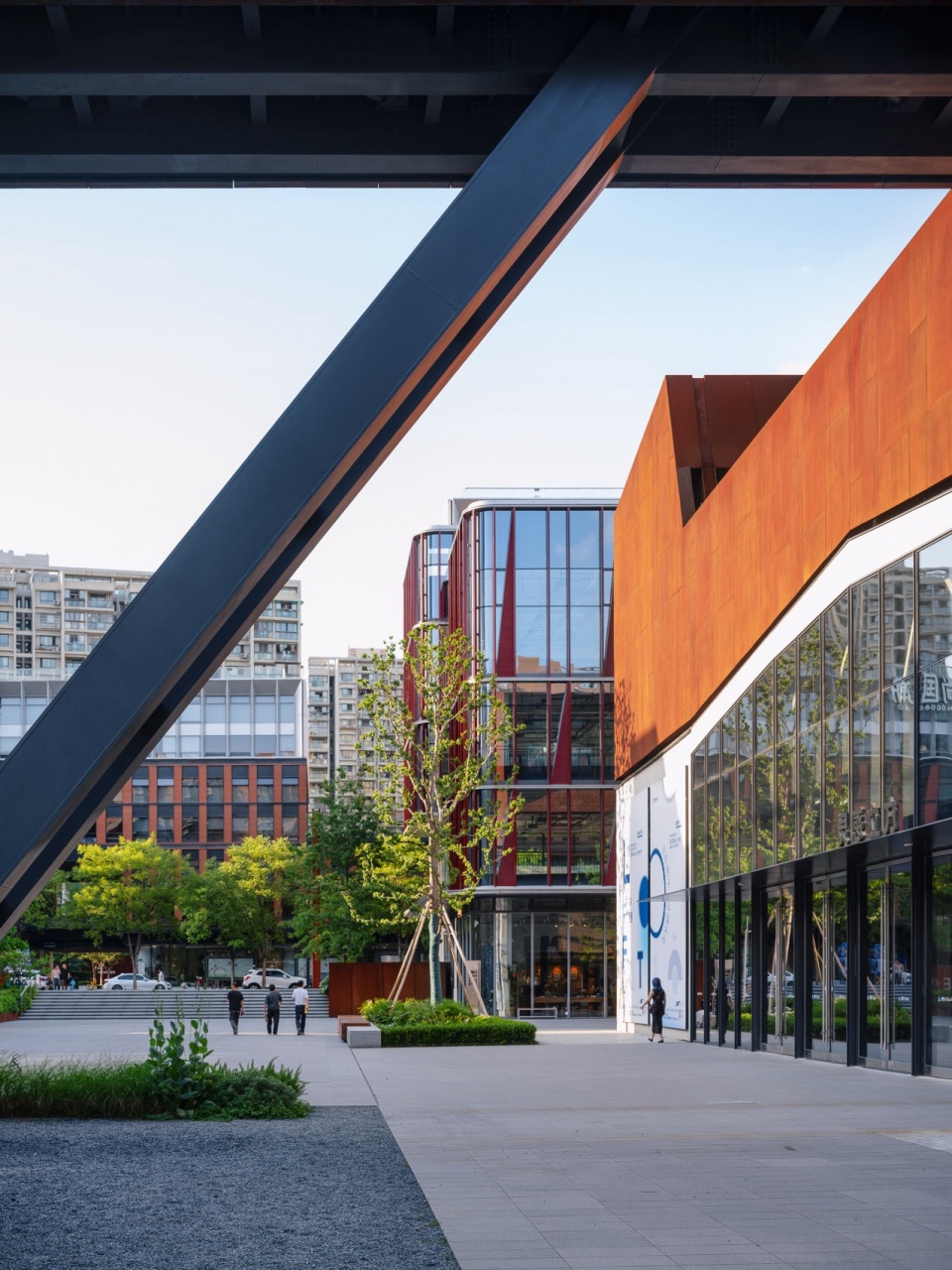
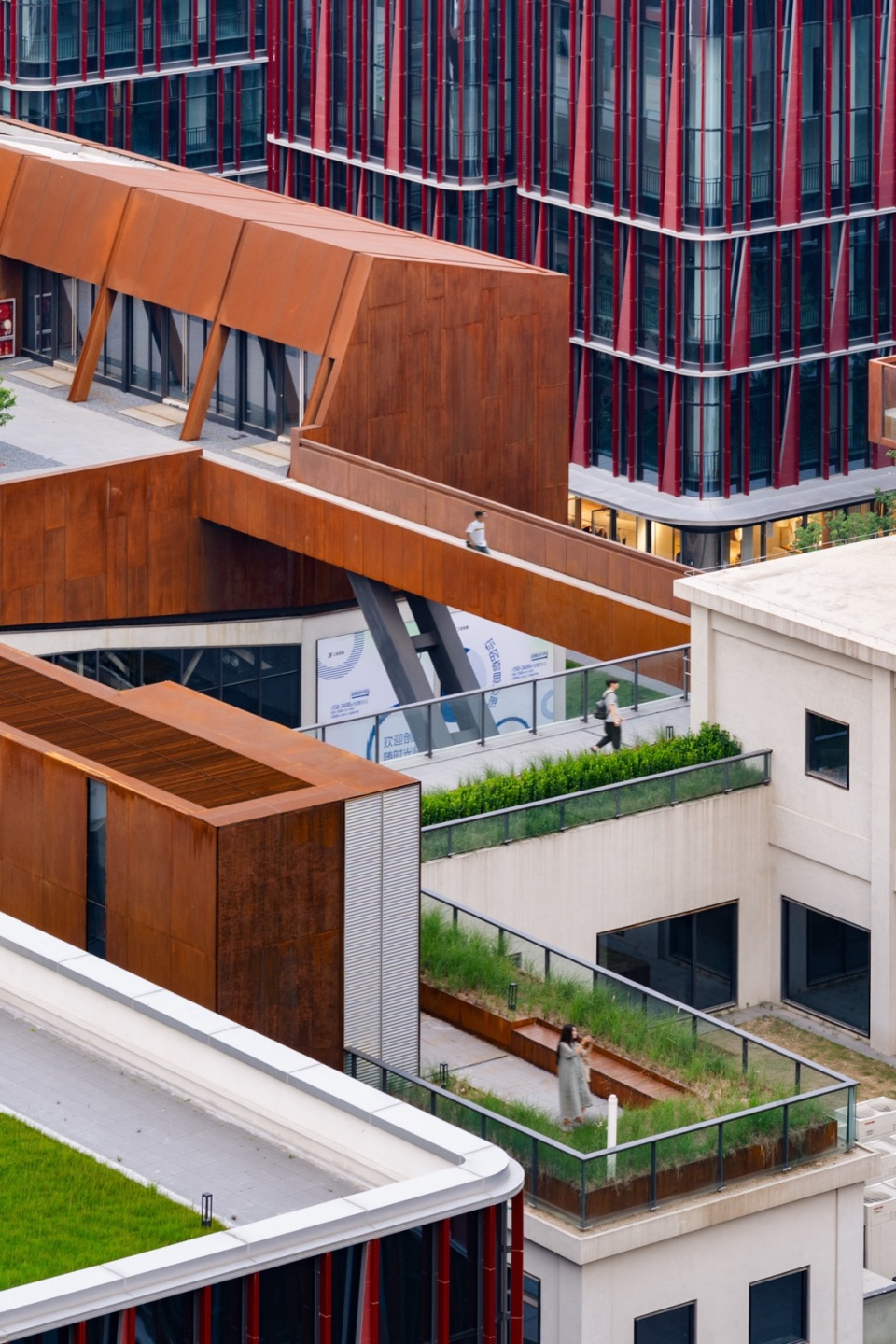
高跨生产车间(6号楼):首层局部架空,对街区完全开放,串联中广场与西广场;二层,两座建筑以连桥衔接,构建贯通园区核心区域的立体步行体系。
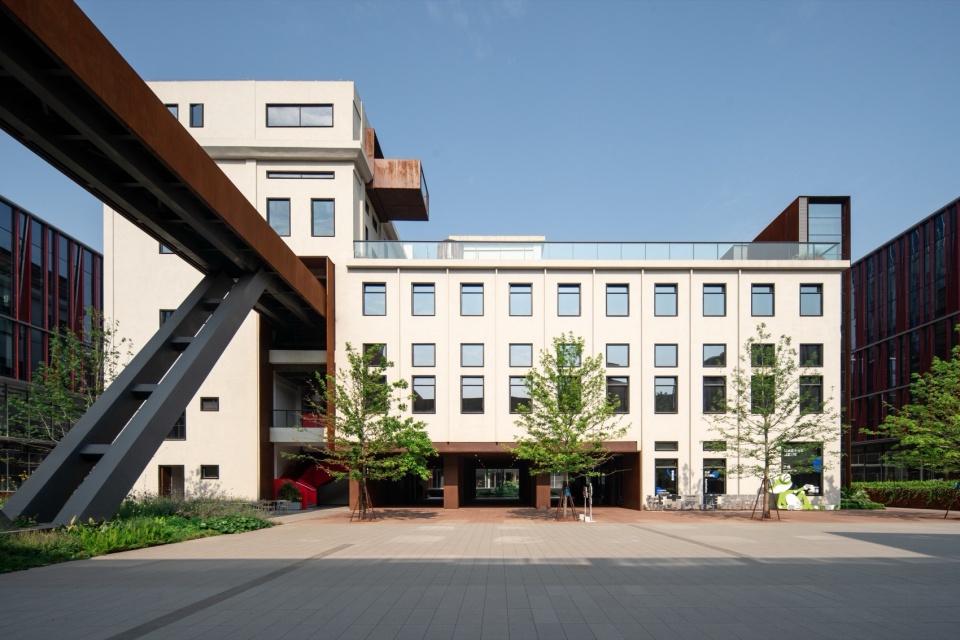
For the high-bay production workshop, Building 6, part of the ground floor was elevated and fully opened to the block, linking the Central Plaza with the West Plaza. On the second floor, a bridge connects the two retained buildings, forming a three-dimensional pedestrian system that runs through the core area of the park.
▼6号楼开放的首层空间,Open ground-floor space of Building 6
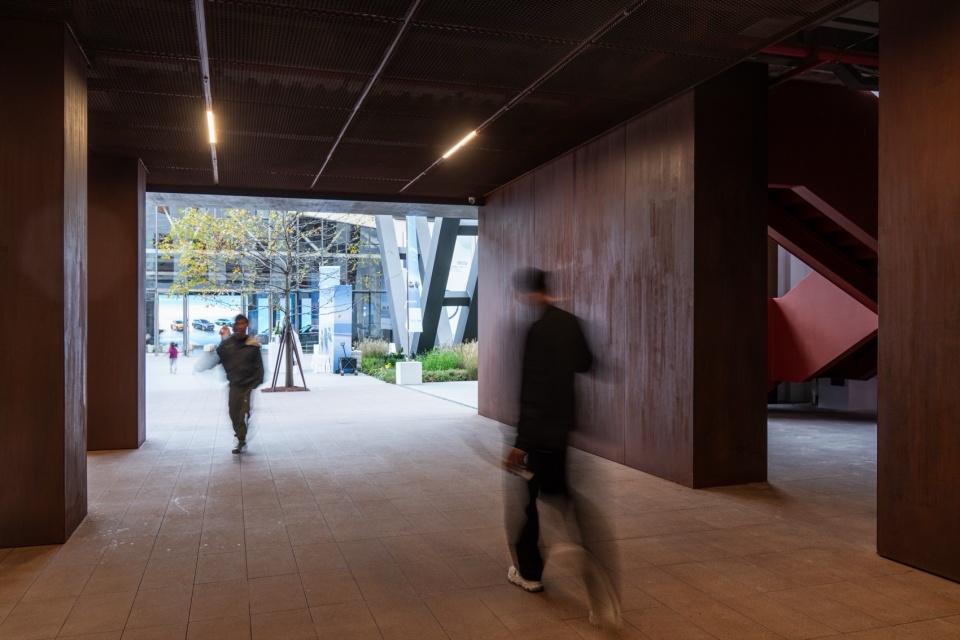
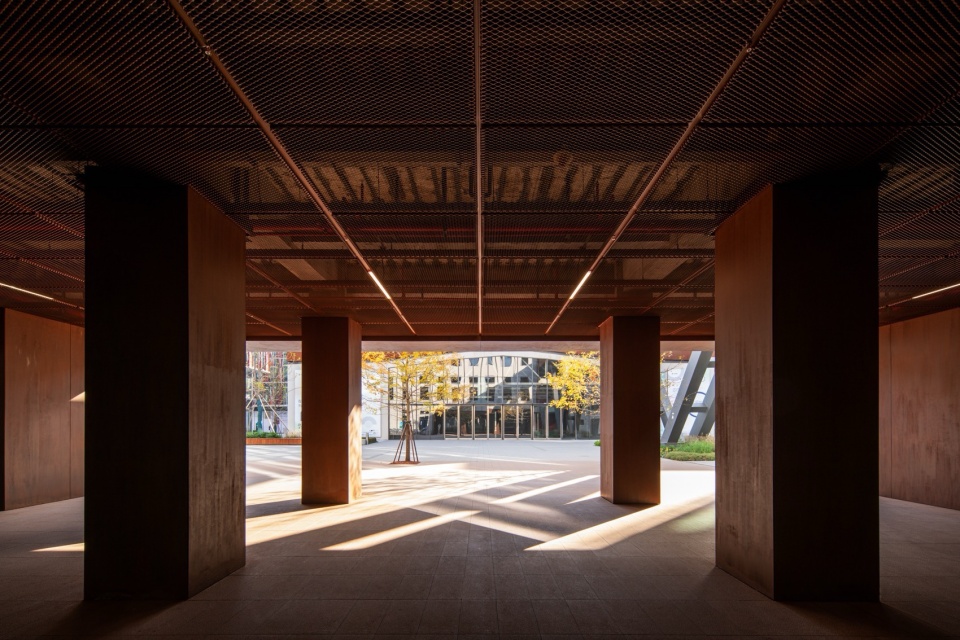
▼落地实景,built reality
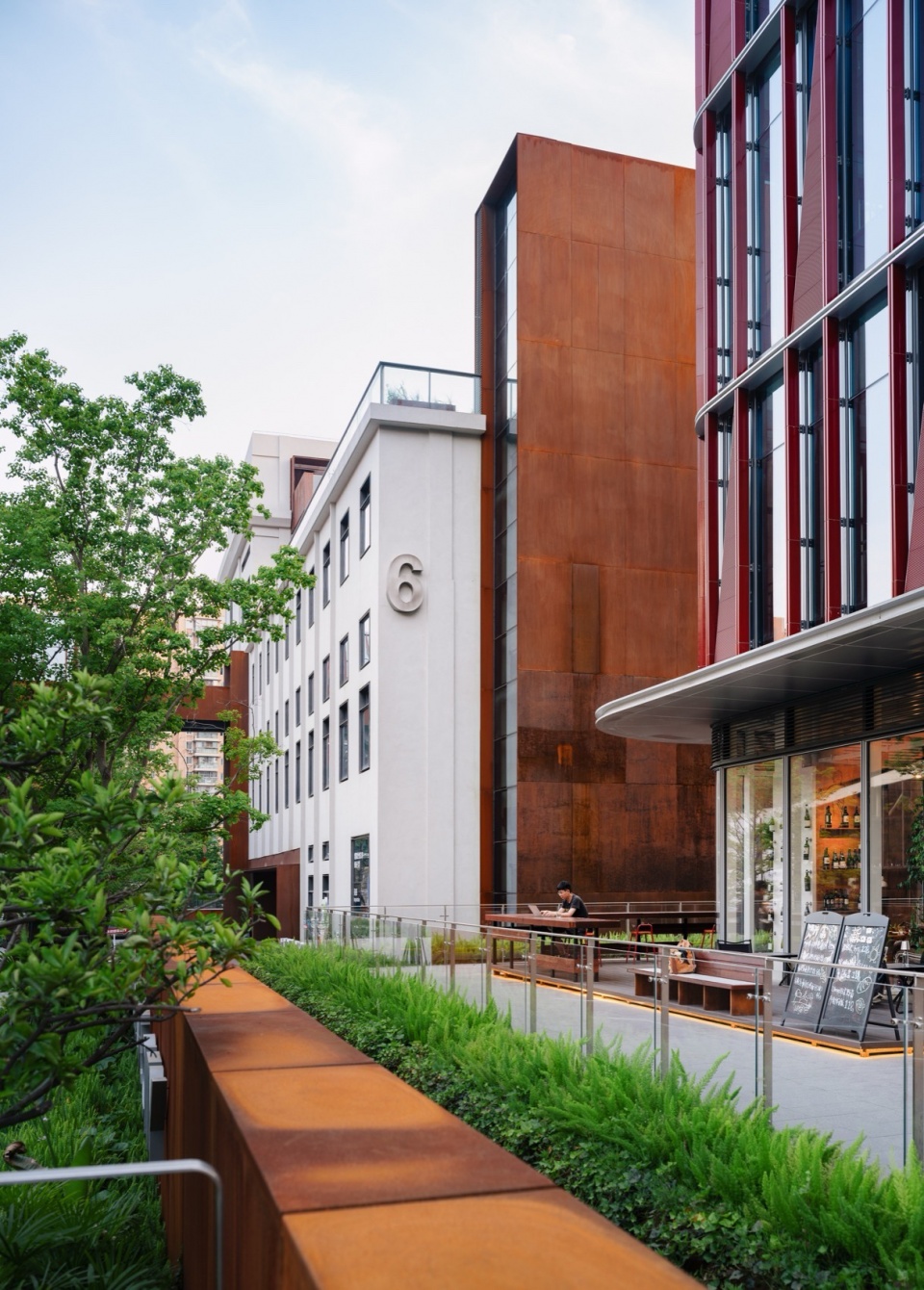
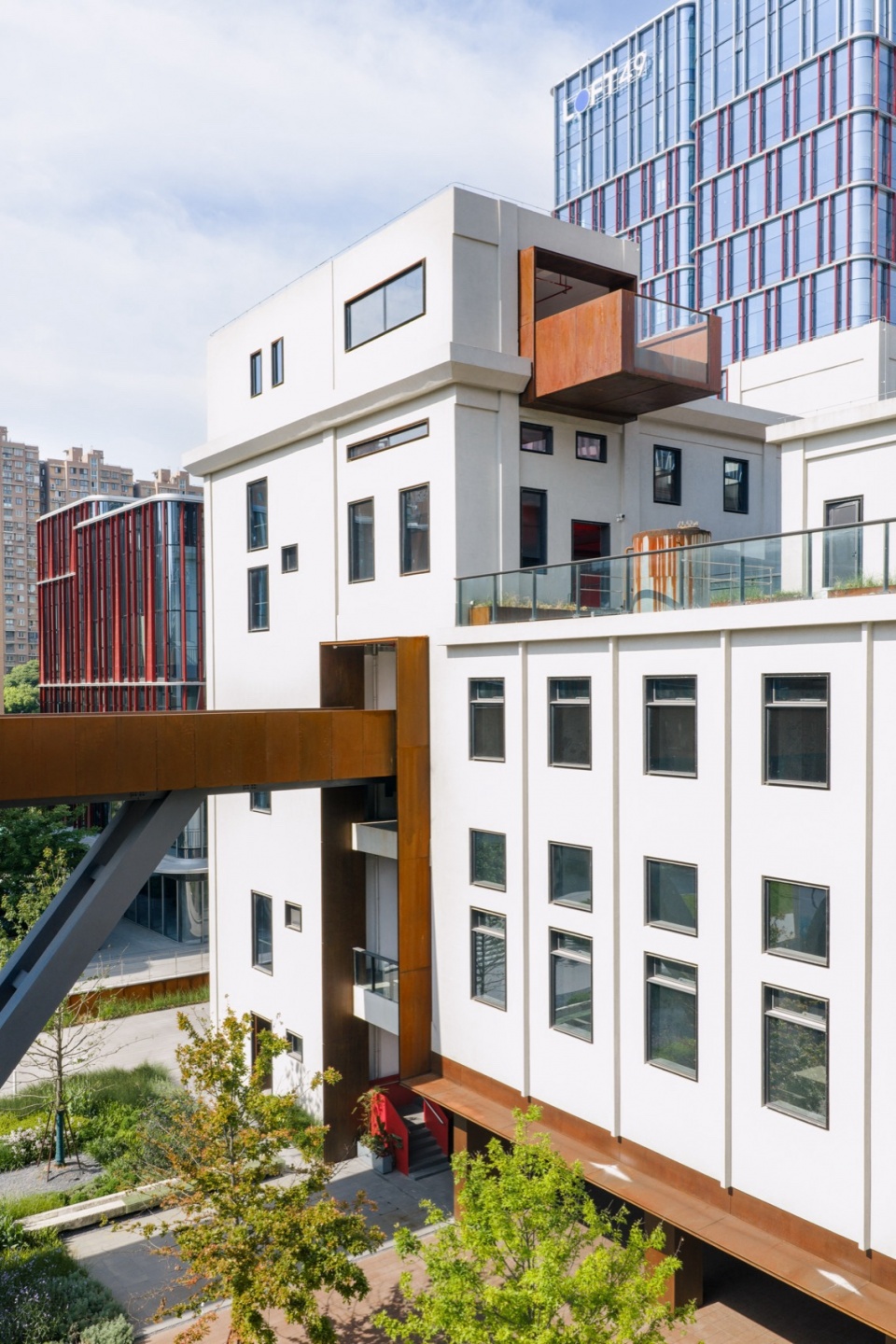
▼连接6号楼和10号楼的连桥,Bridge connecting Building 6 and Building 10
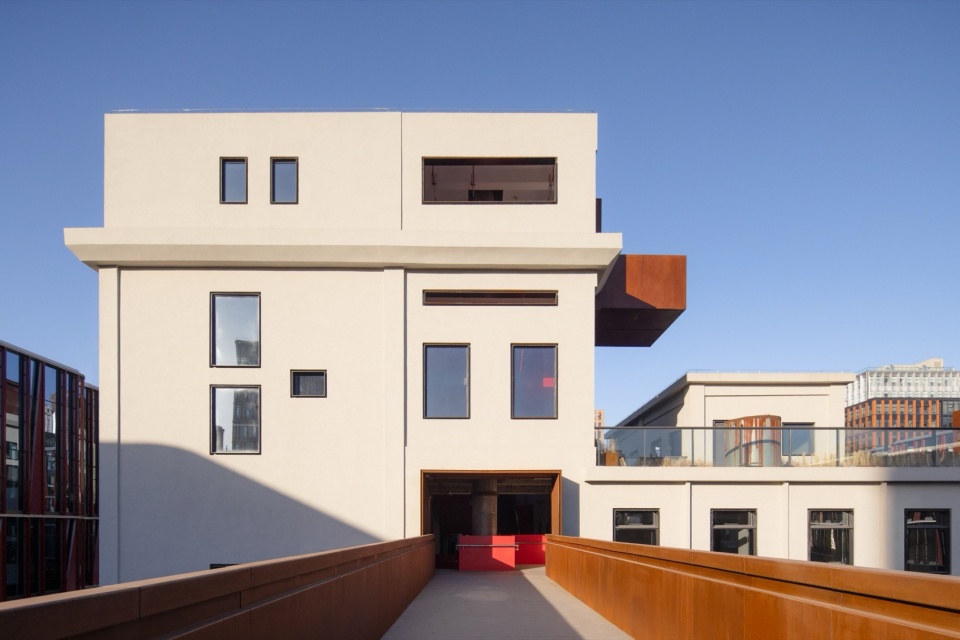
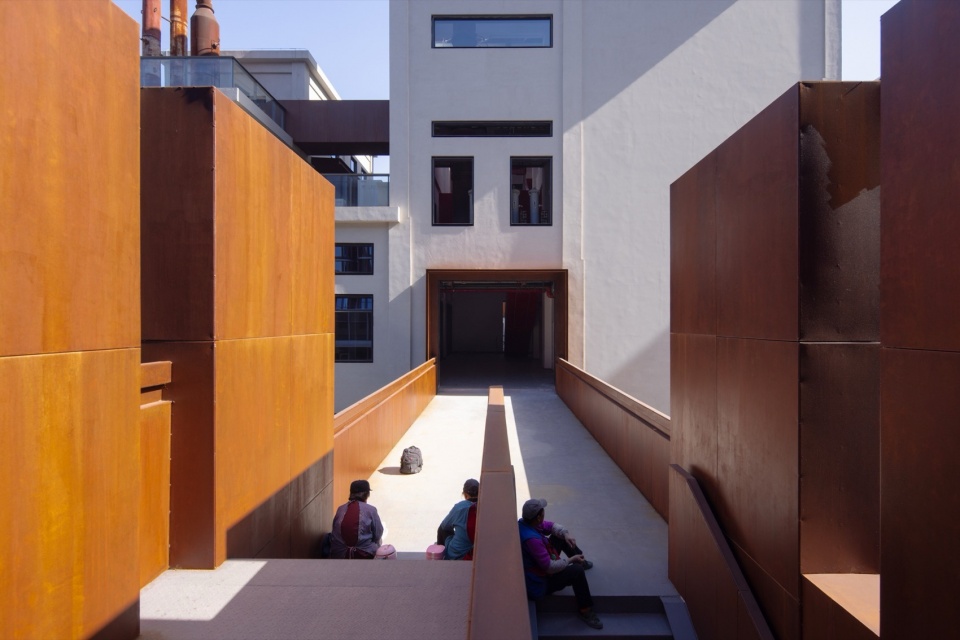
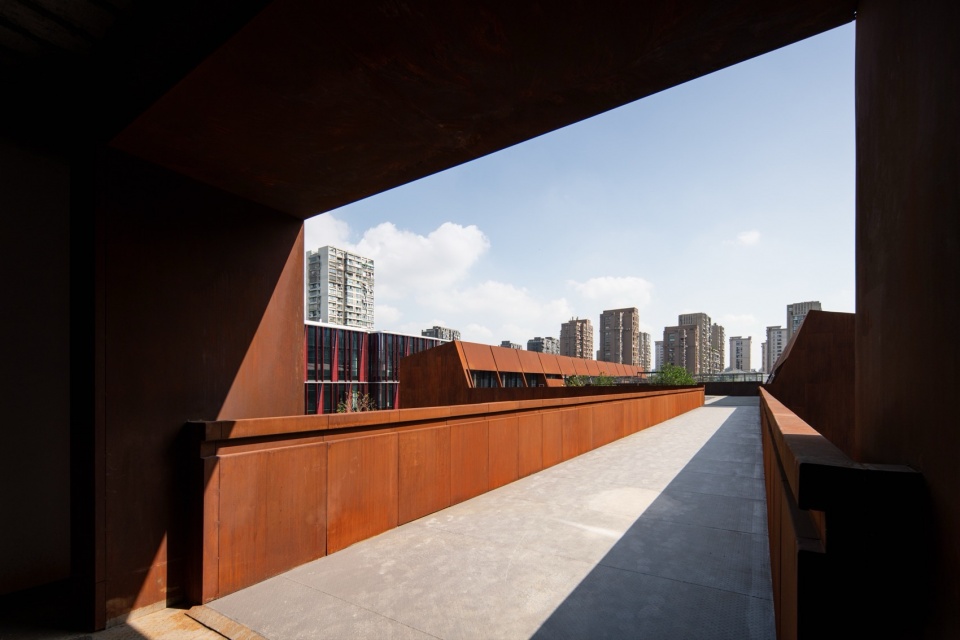
在公共空间结构被重新梳理之后,“金缮”的重点转向新旧系统的物理感知层面。设计尝试通过构造组织和材料对比,使新增空间体系与原有建筑之间形成清晰的时间关系。具体策略体现在以下几个方面:
After the public space structure was reorganized, the focus of Jinshan shifted toward the physical perception of the new and old systems. Through tectonic organization and material contrast, the design seeks to establish a clear temporal relationship between the newly added spatial system and the original buildings. The specific strategies unfold through the following aspects.
▼连接6号楼和10号楼的连桥,Bridge connecting Building 6 and Building 10
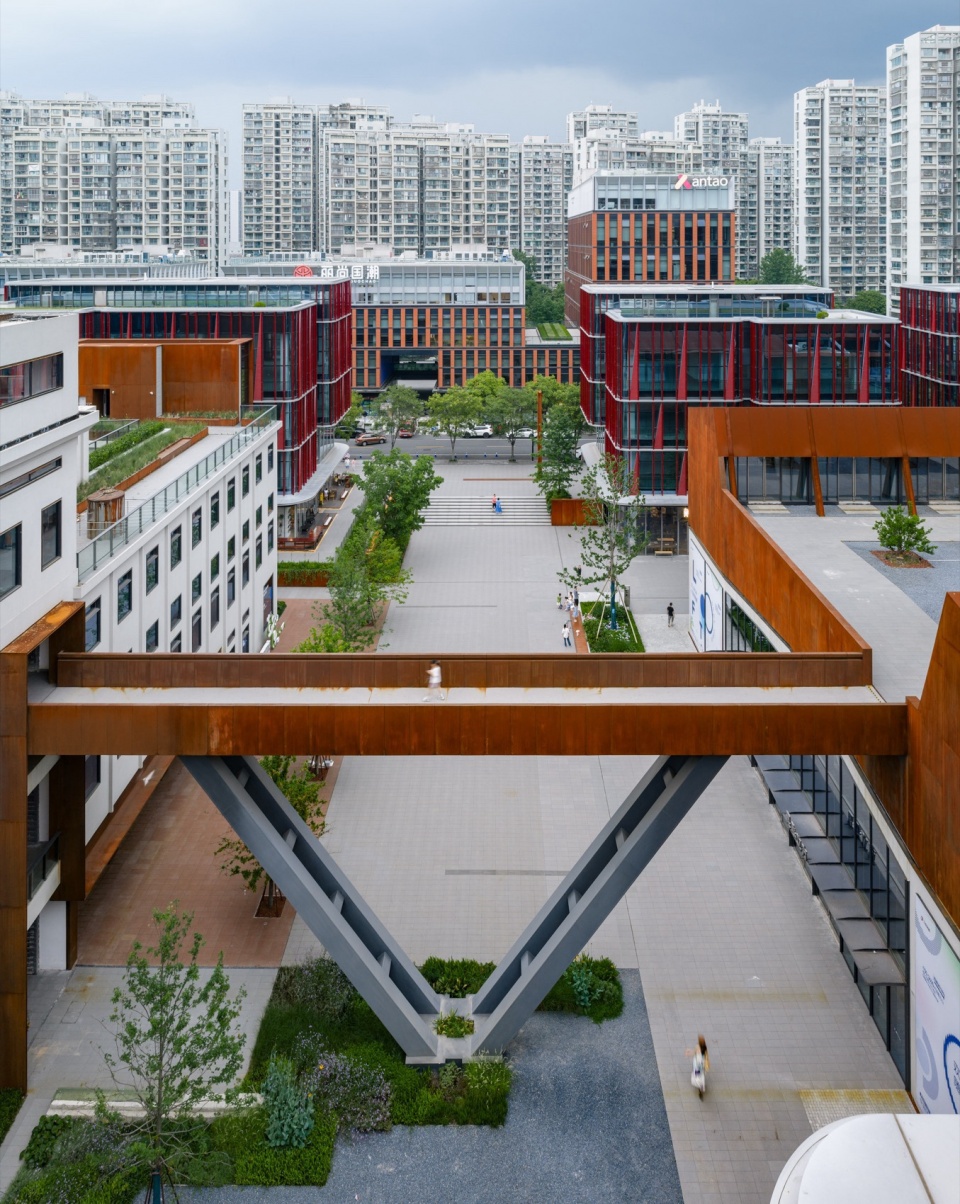
墙体的保留 |Retaining the Walls
经检测,两座厂房外墙均存在不同程度的安全隐患。设计根据保存状况采取了两种不同策略。
Inspection showed that the exterior walls of both factory buildings presented safety risks to varying degrees. The design adopted two different strategies according to their preservation conditions.
▼落地实景,built reality
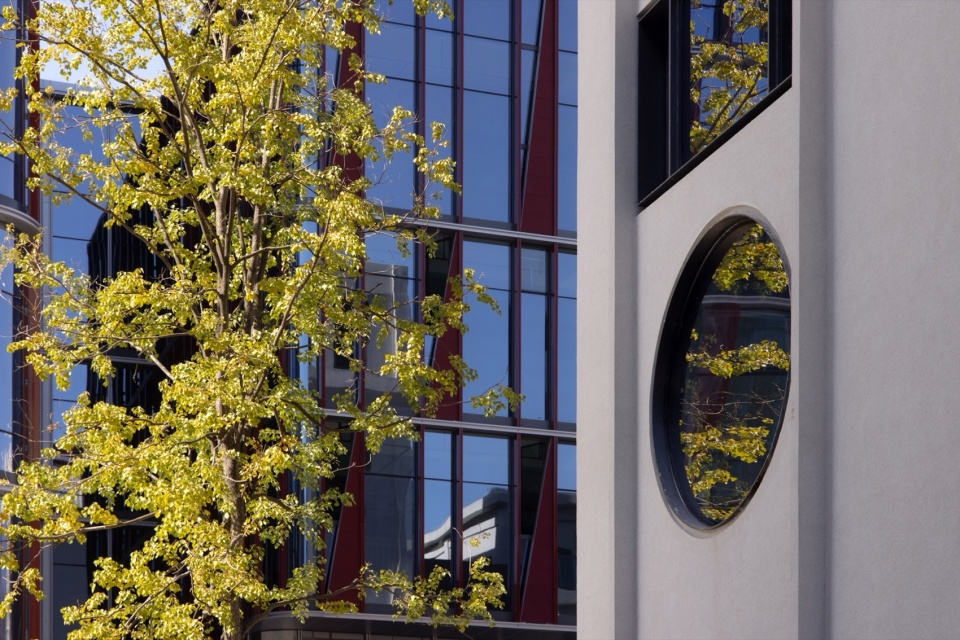
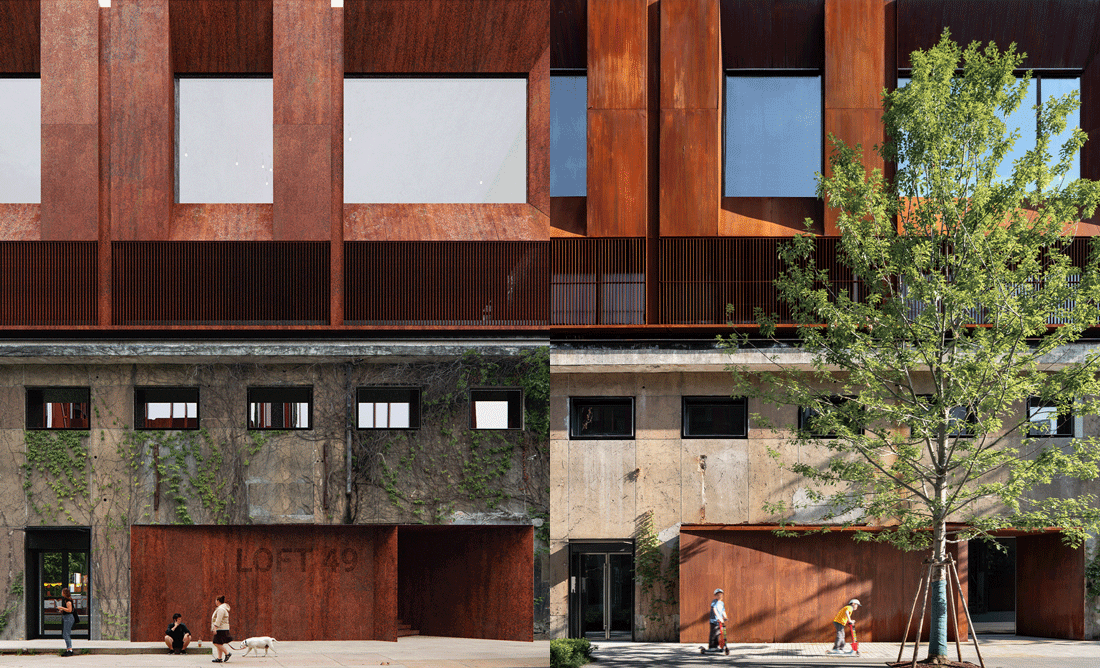
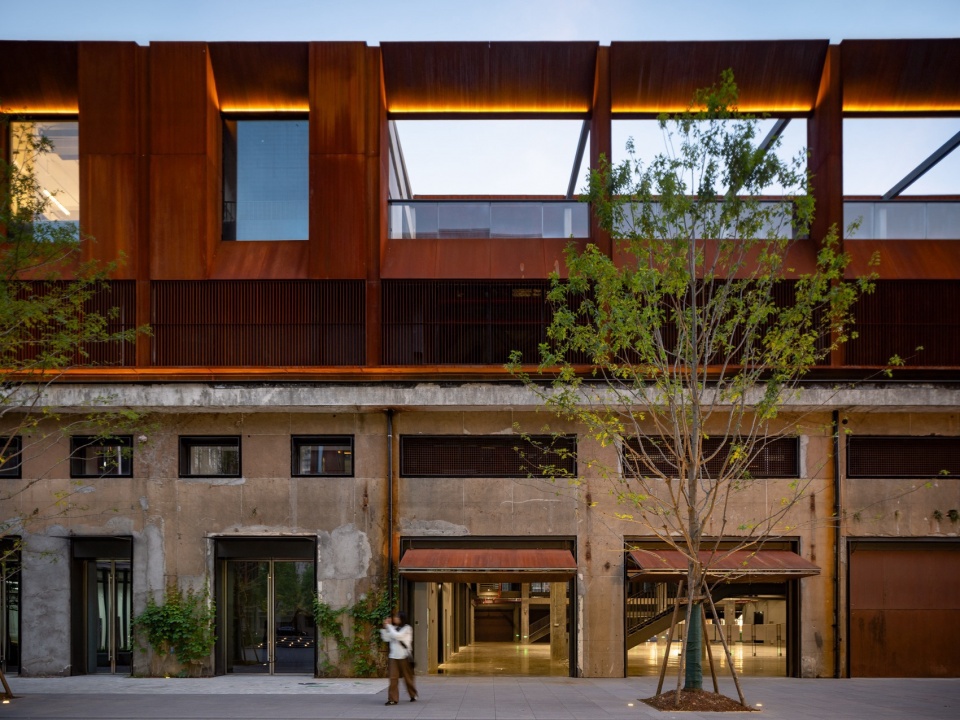
10号楼的外墙质感与窗洞口关系保存较为完整,设计在墙体背后通过碳纤维体系与新增扶壁柱进行加固,最大程度保留原有外墙。那些几乎被完整保留、复有“包浆”痕迹的墙面,恰恰是这个园区多段历史的真实见证者。
The exterior walls of Building 10 retained their texture and window-opening relationships relatively well. Behind the walls, the design introduced a carbon-fiber reinforcement system and new buttress columns, preserving the original exterior walls as much as possible. These almost entirely retained walls, carrying traces of patina, are precisely the witnesses of the park’s multiple historical phases.
▼10号楼外立面改造前后对比,Before-and-after comparison of the exterior façade of Building 10
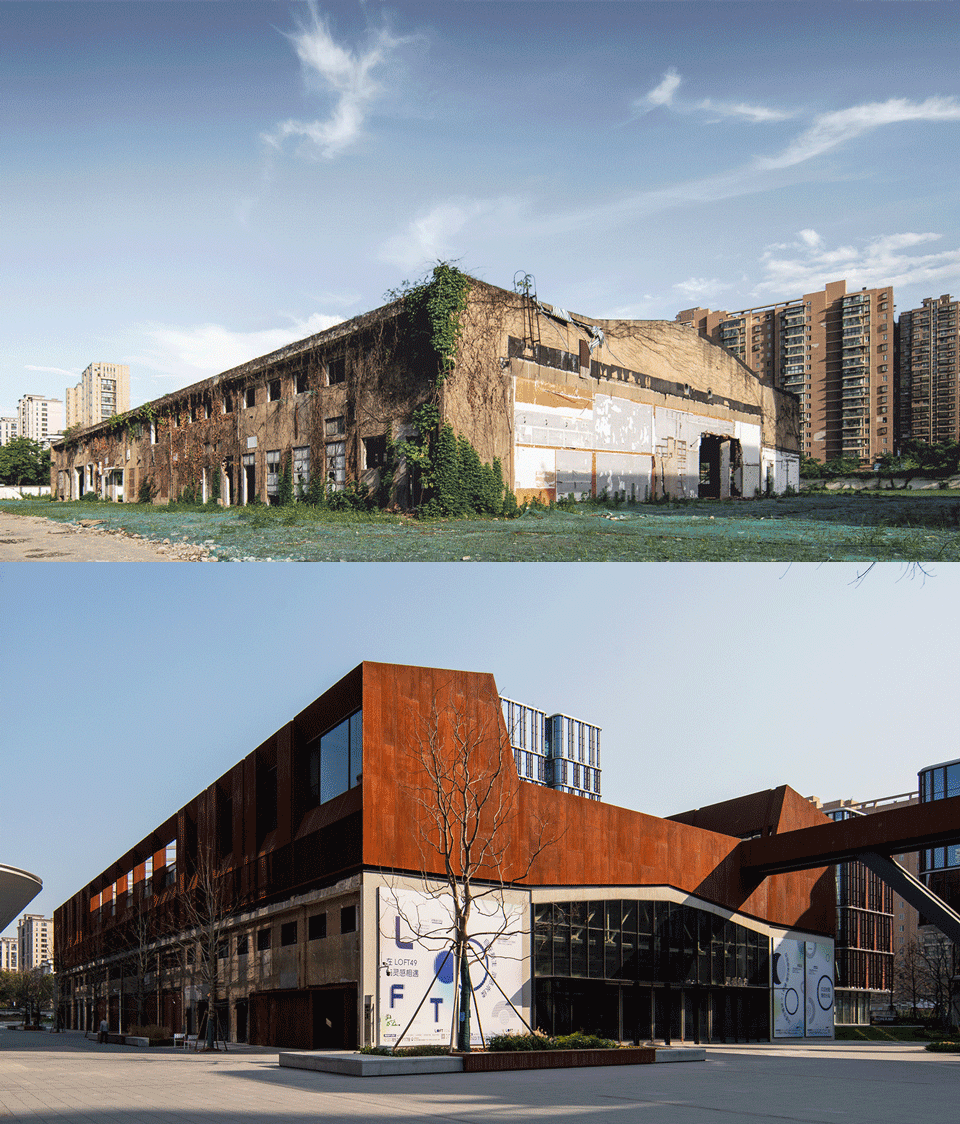
▼10号楼外立面改造后,Exterior façade of Building 10 after renovation
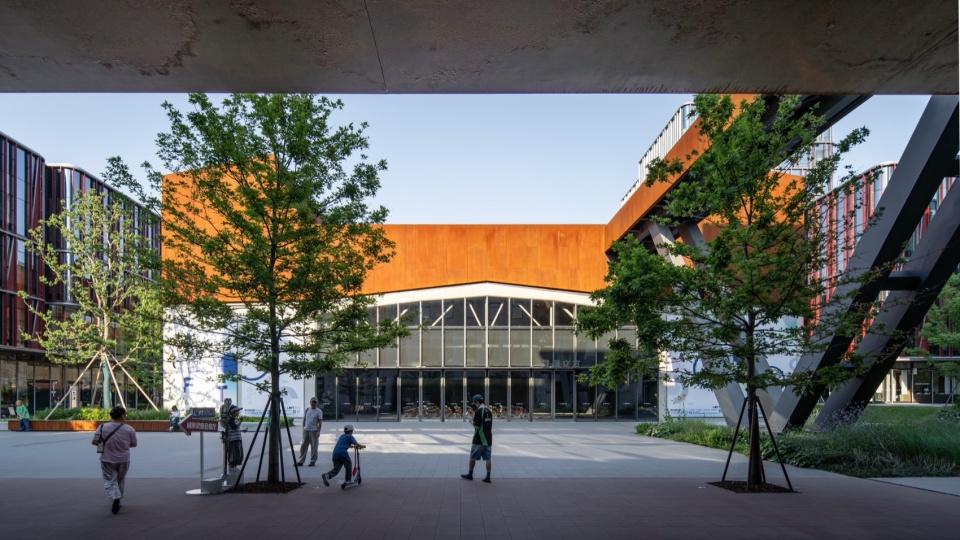
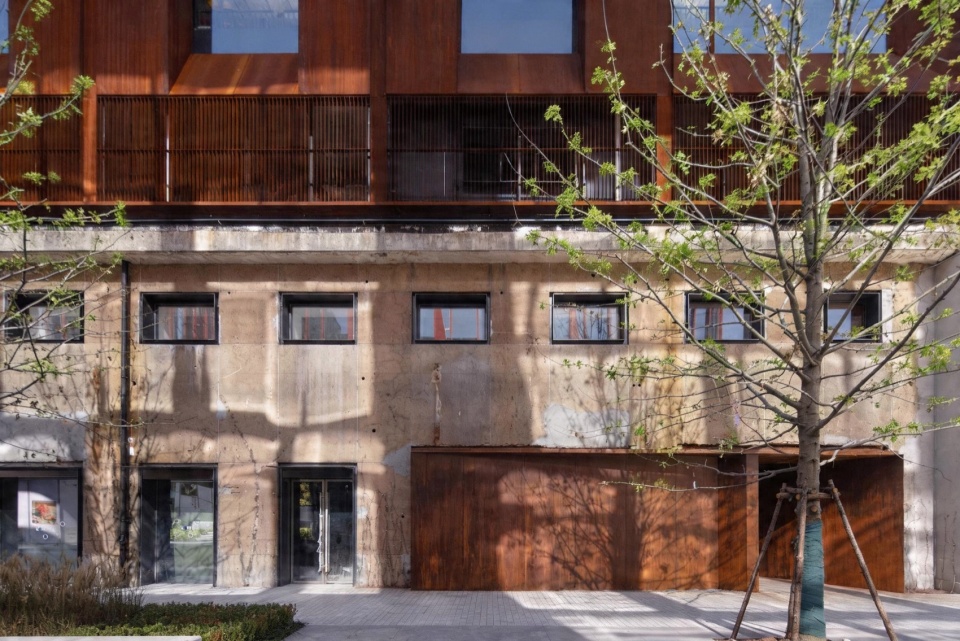
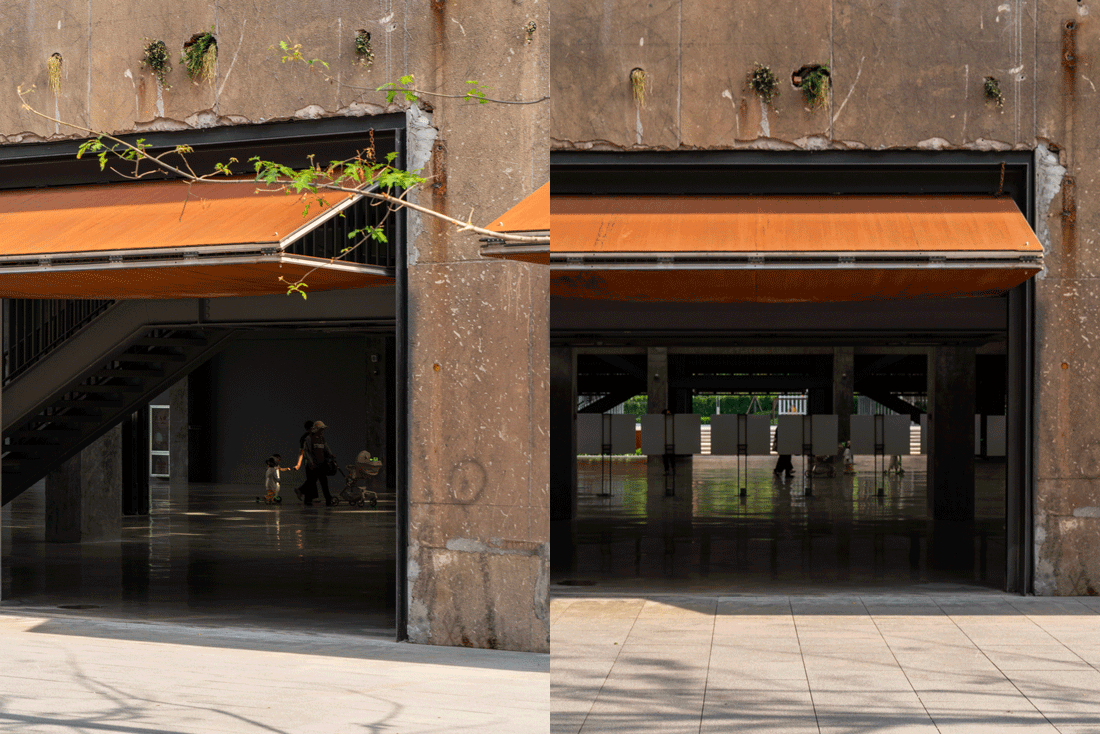
原有墙体的孔洞与裂缝在长期使用与自然生长中逐渐演化为微型自然界面,使旧墙在新的使用场景中呈现出工业质感与自然生命力共生的细部表情。
Over long-term use and natural growth, the holes and cracks in the original walls gradually evolved into micro-natural interfaces. In the new use scenario, the old walls now present a detailed expression in which rough industrial texture and natural vitality coexist.
▼旧墙孔洞中的植物生长,Plants growing from holes in the old walls
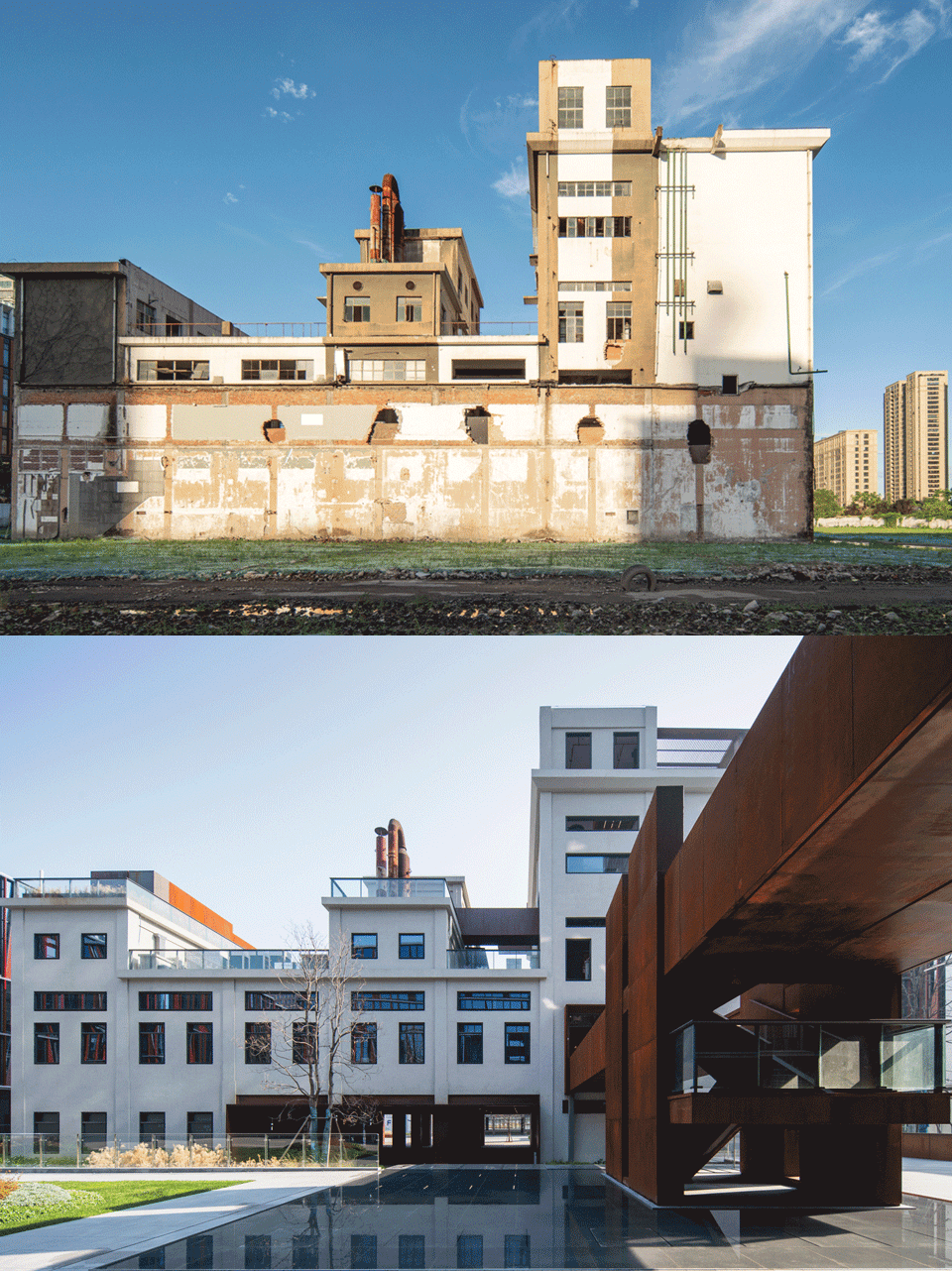
相比之下,6号楼的外墙在文创园时期已经历较大规模改造,安全隐患更为突出。设计采用“结构保留、围护更新”的方式,在保留主体结构的基础上重建外围护结构,并重建窗洞口的原始比例与秩序。
In contrast, Building 6 had been extensively modified during its years as part of the creative park, leaving its exterior walls in a more compromised condition. The design therefore followed a strategy of preserving the primary structure while replacing the outer skin. By retaining the original structural frame and rebuilding the façade, the project restores the building’s original rhythm and proportions of openings while meeting contemporary safety requirements.
▼6号楼外立面改造前后对比,Before-and-after comparison of the exterior façade of Building 6
▼6号楼改造后,Building 6 after renovation
材料的使用 |Using Materials
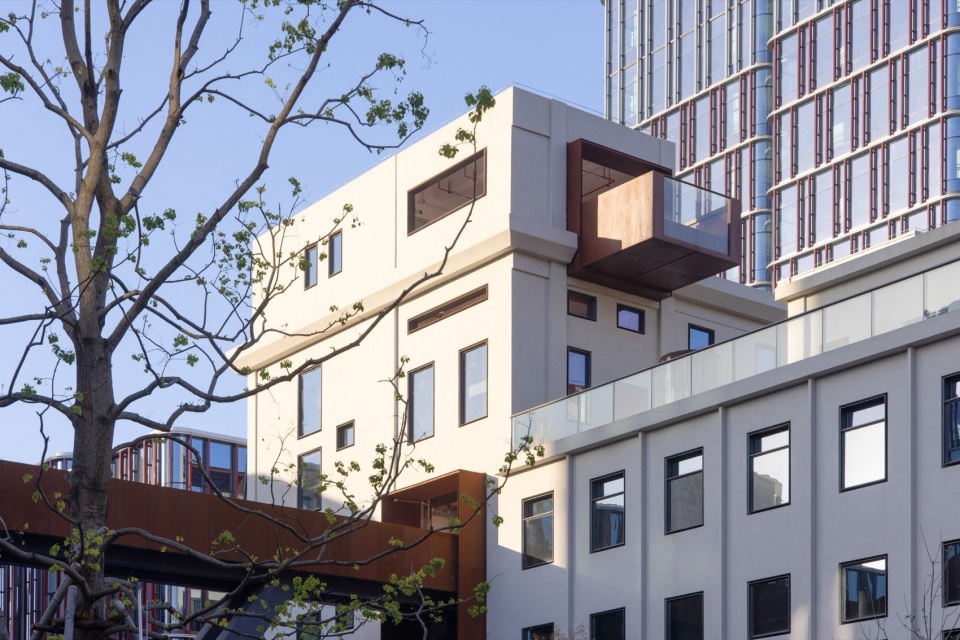
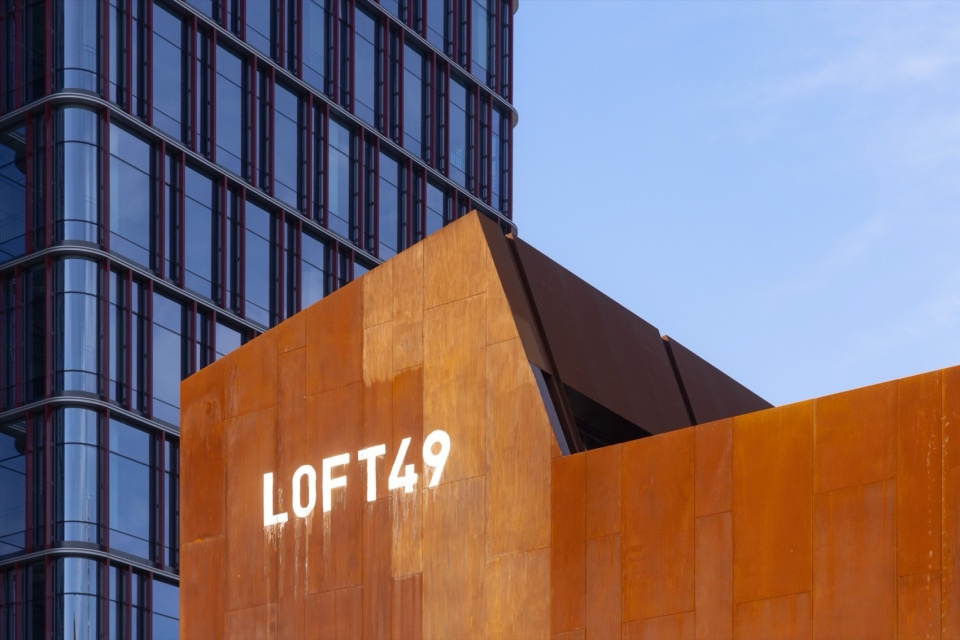
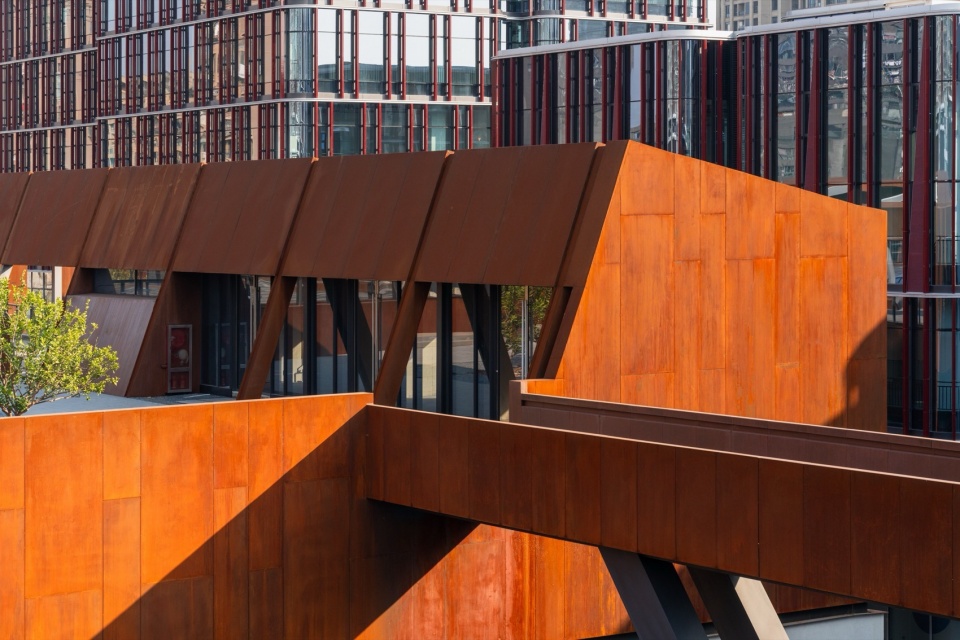
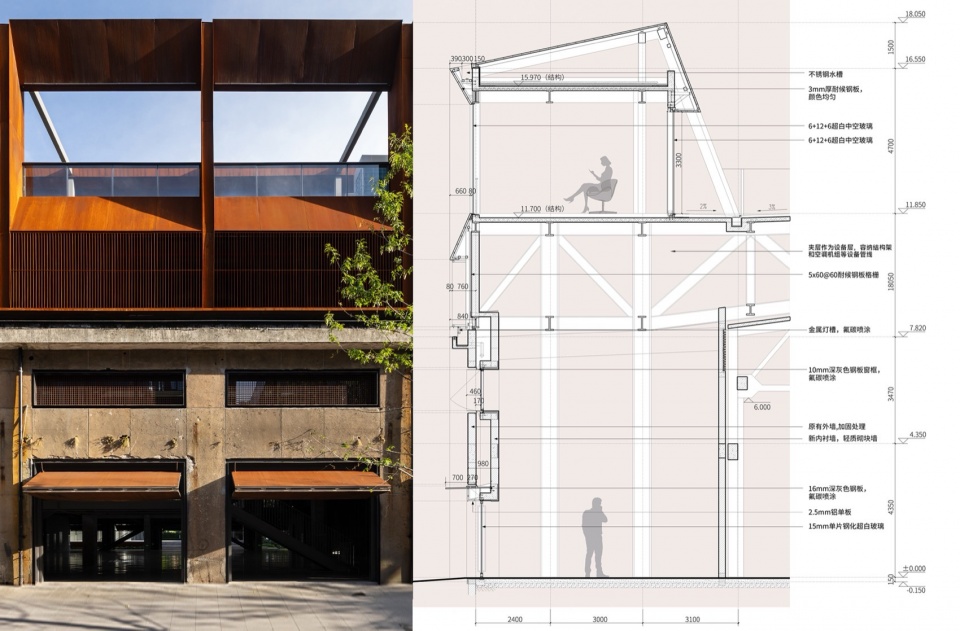
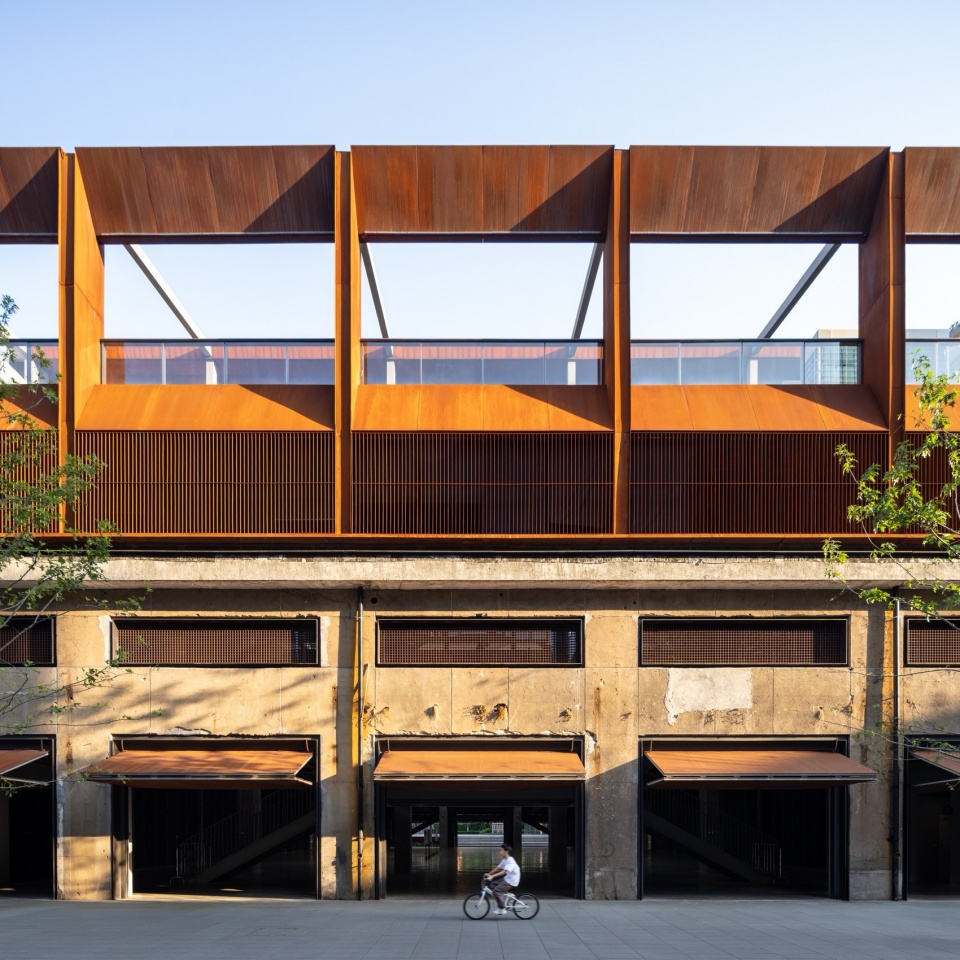
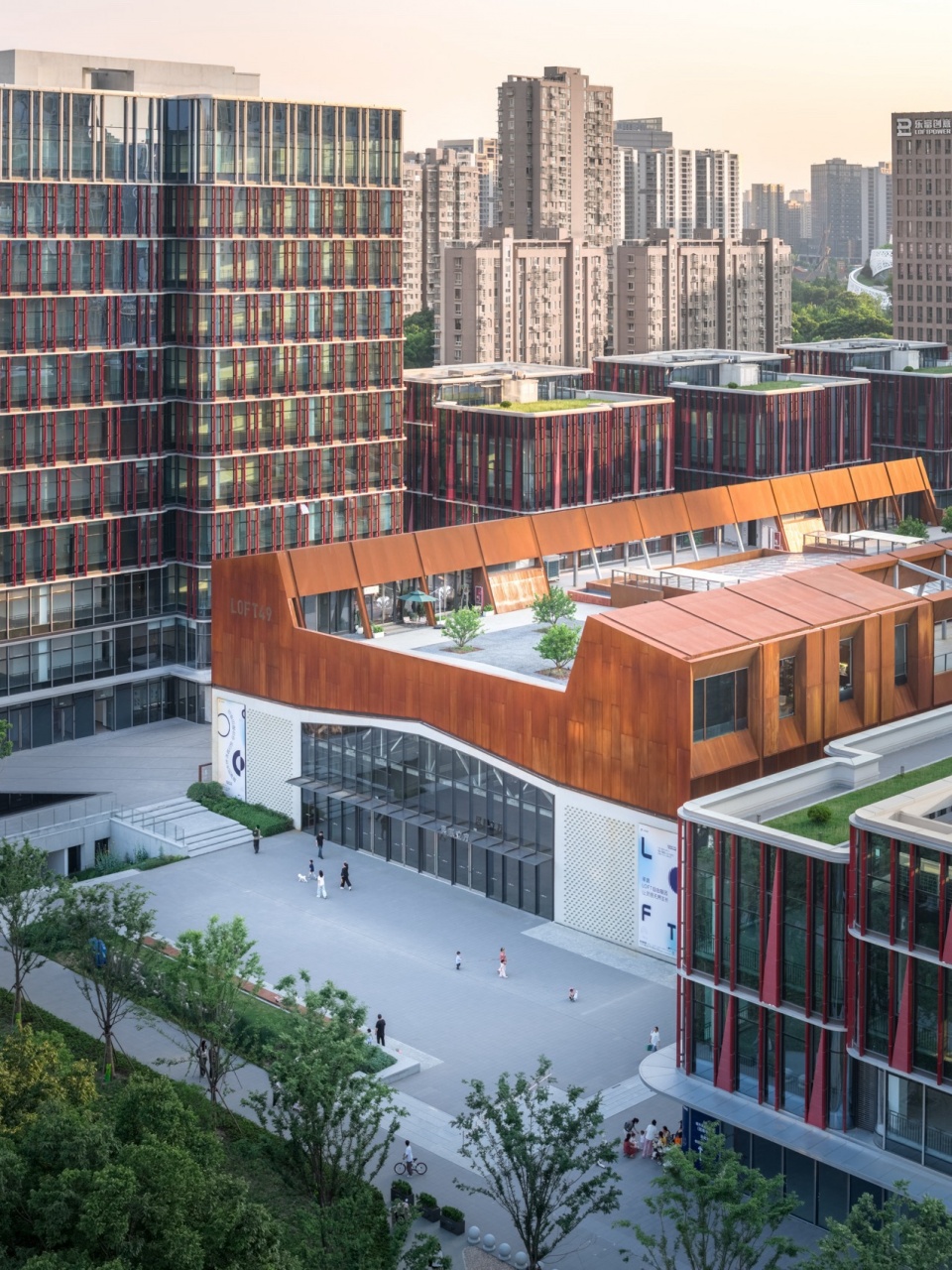
面对历史信息有限的场地,设计选择以不同饱和度的红色作为“金缮”元素植入原有系统。低饱和度的耐候钢板因其粗粝沉稳的工业质感,被用于遗存建筑的介入与加固。在10号楼中,由耐候钢构成的屋面支撑结构向外延展,如倒置的门式框架,显性而直接,同时承担屋面支撑、设备夹层以及空中公共平台等多重功能。
Faced with a site where historical information was limited, the design chose reds of different saturations as the Jinshan elements inserted into the original system. Low-saturation weathering steel panels, with their rough and steady industrial texture, were used for the intervention and reinforcement of the retained buildings. In Building 10, the roof-supporting structure made of weathering steel extends outward like an inverted portal frame. It is explicit and direct, while also taking on multiple functions: roof support, equipment mezzanine, and elevated public platform.
▼落地实景,built reality
▼落地实景,built reality
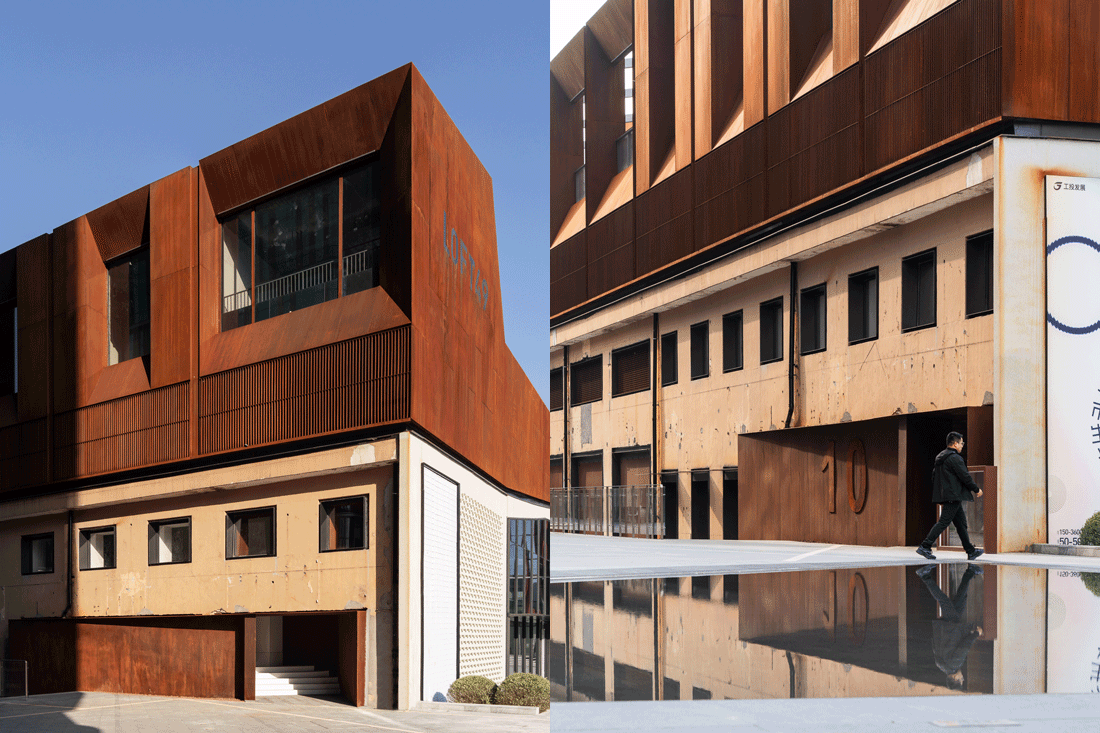
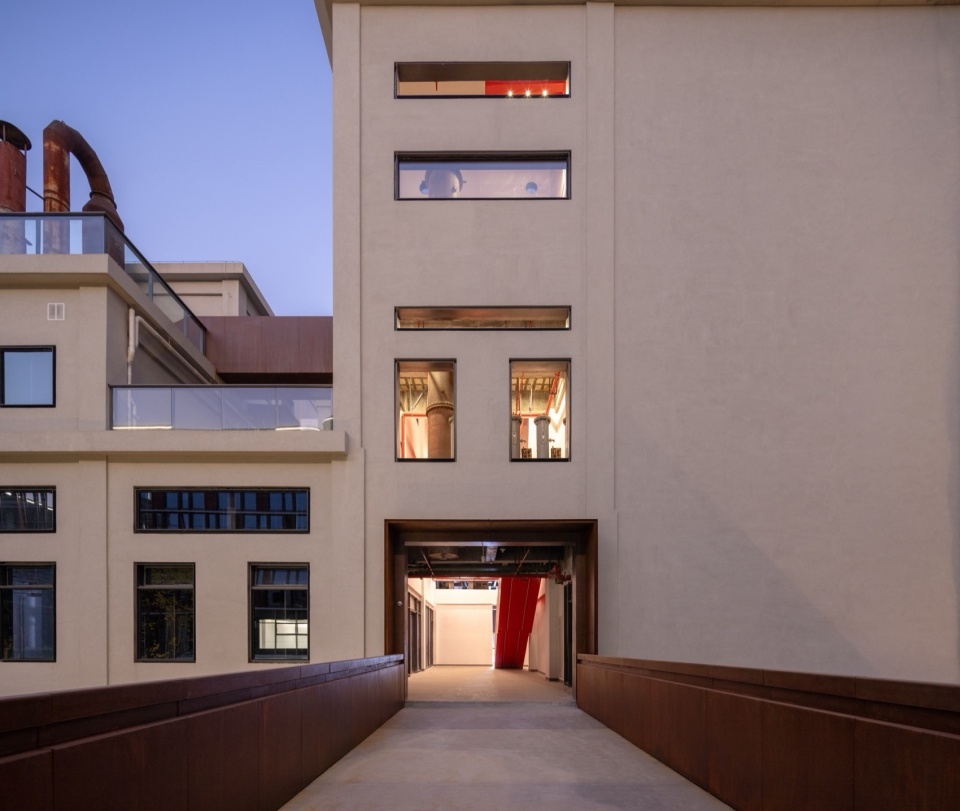
6号楼中,耐候钢板则以“向内生长”的方式,从门窗套到洞口包边,含蓄而内隐。高饱和度的红色钢板被用于内部新增结构,在素朴的工业空间背景中制造一抹亮色。
In Building 6, weathering steel panels grow inward, from door and window surrounds to the edges of openings, in a more reserved and internalized manner. High-saturation red steel panels are used for the newly added internal structures, introducing a sharp flash of color into the plain industrial spatial background.
▼6号楼落地实景,built reality of Building 6
▼高饱和度的红色钢板被用于内部新增结构,High-saturation red steel panels are used for the newly added internal structures
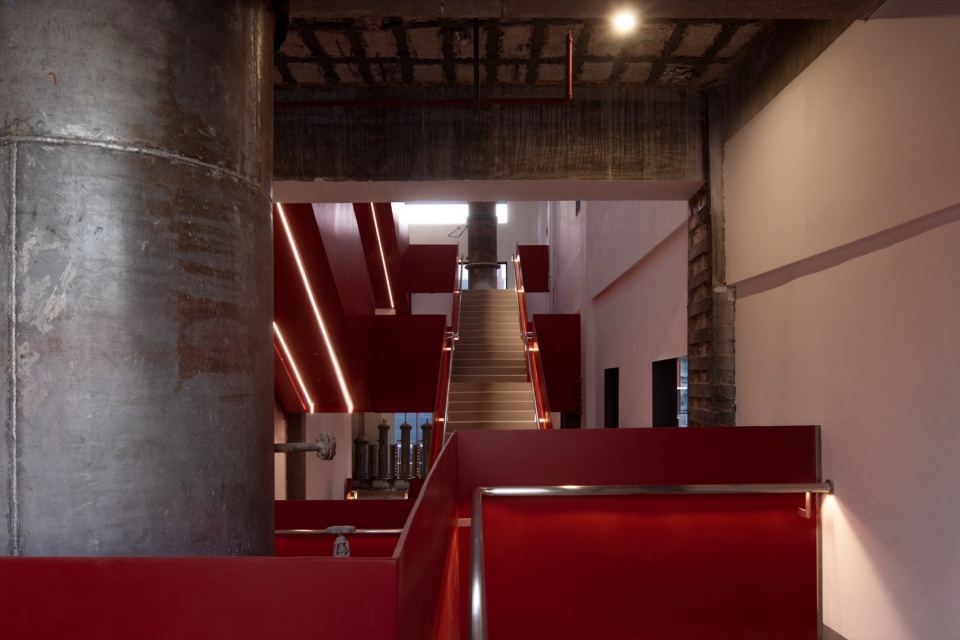
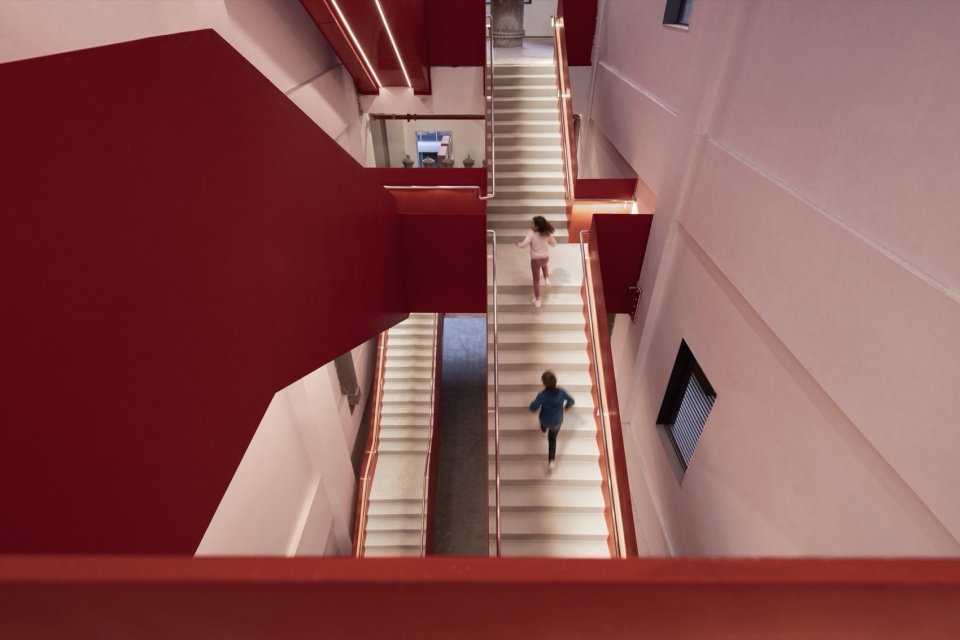
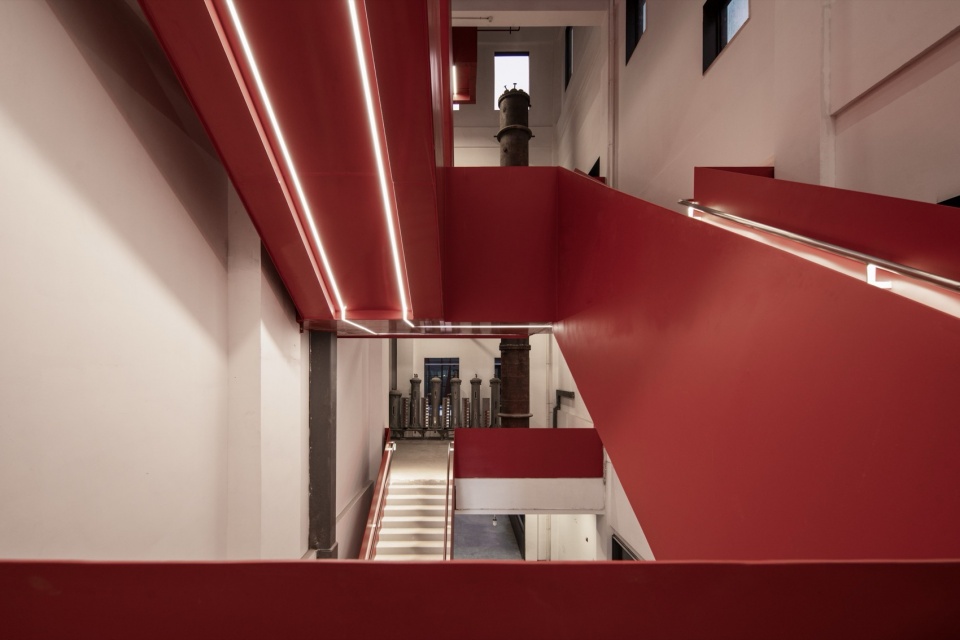
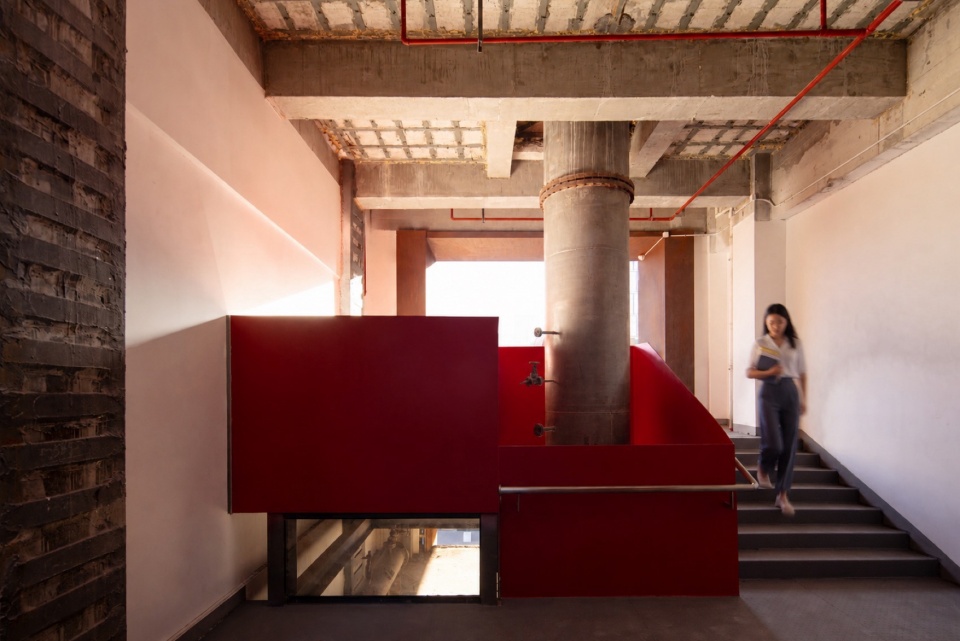
▼红色楼梯,red color staircase
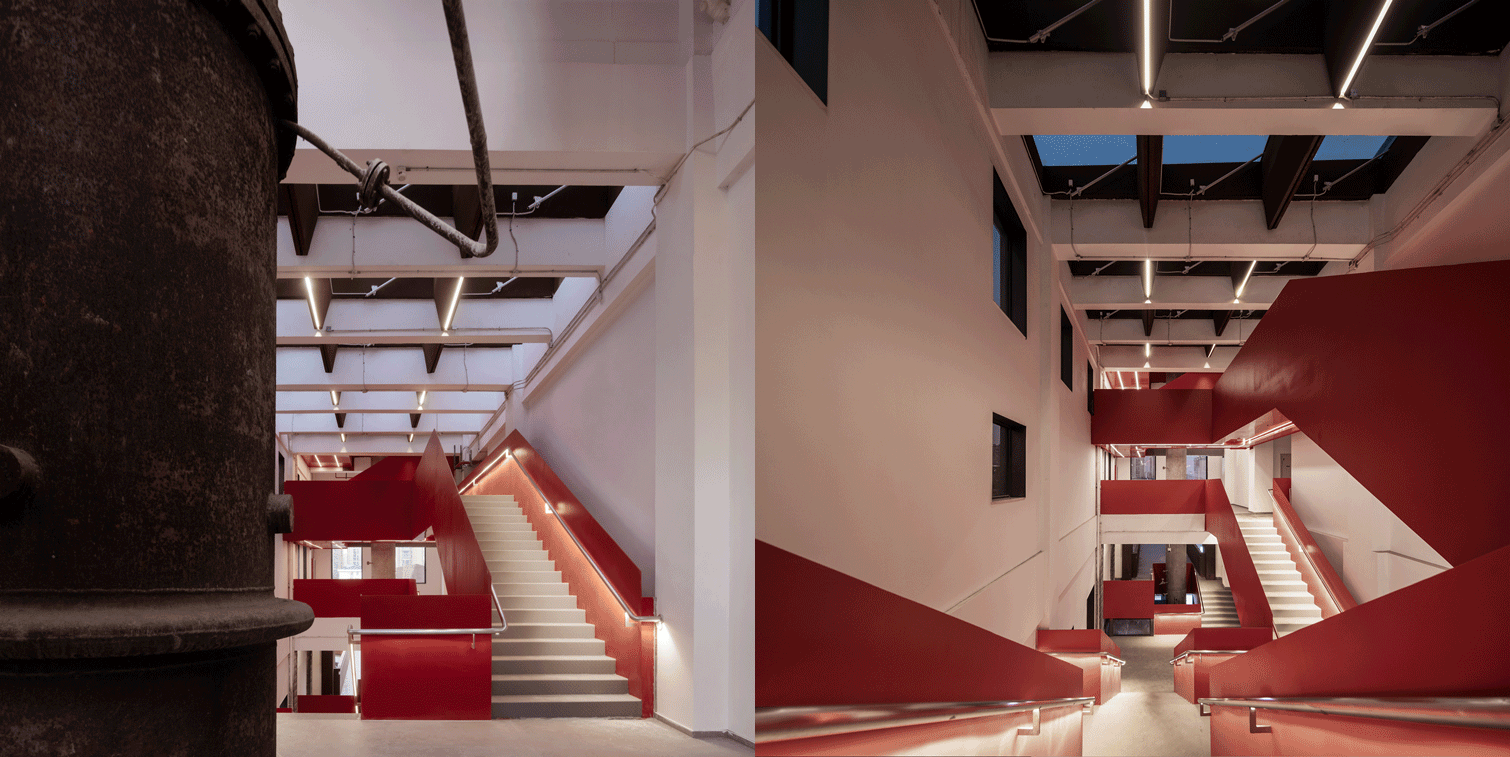
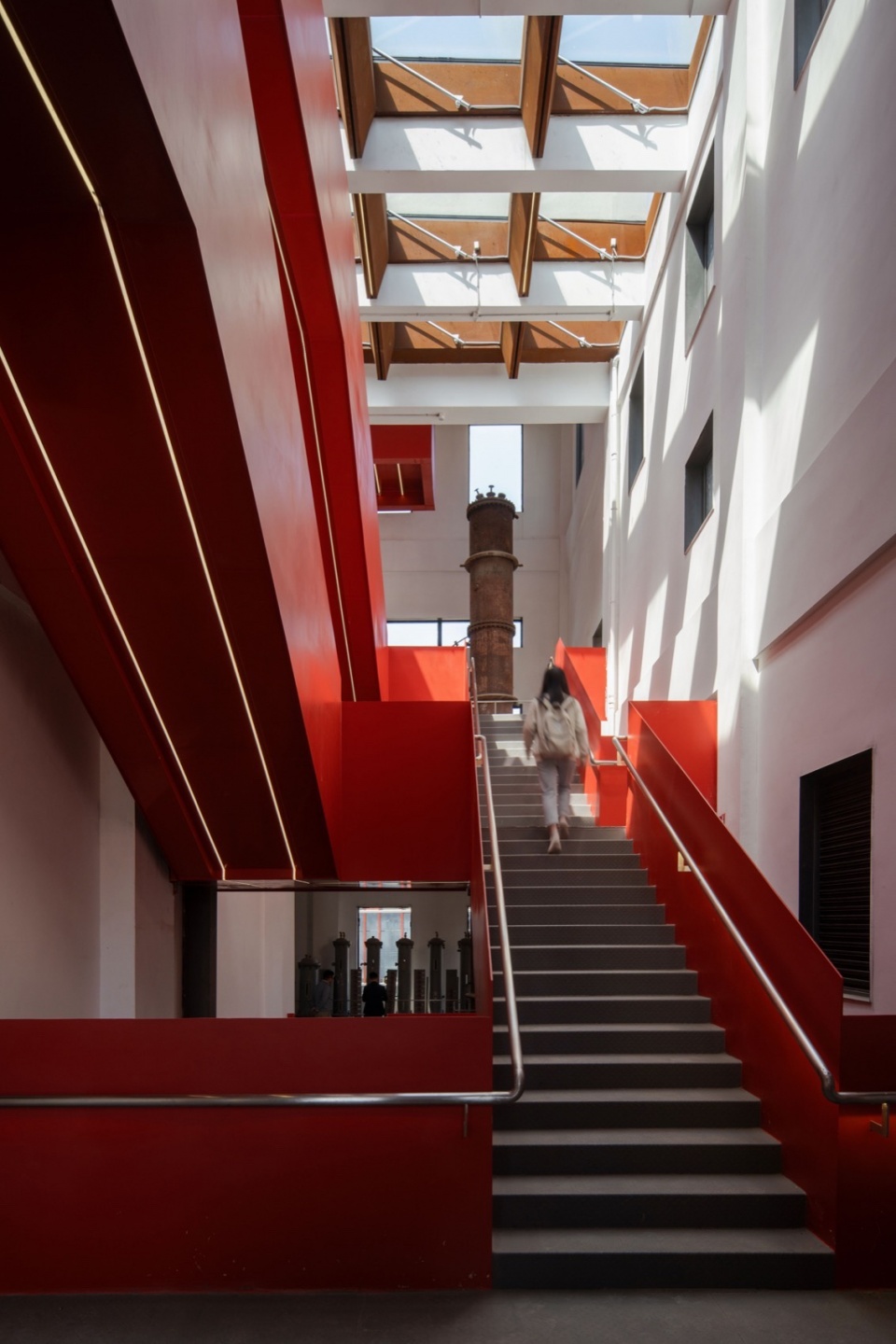
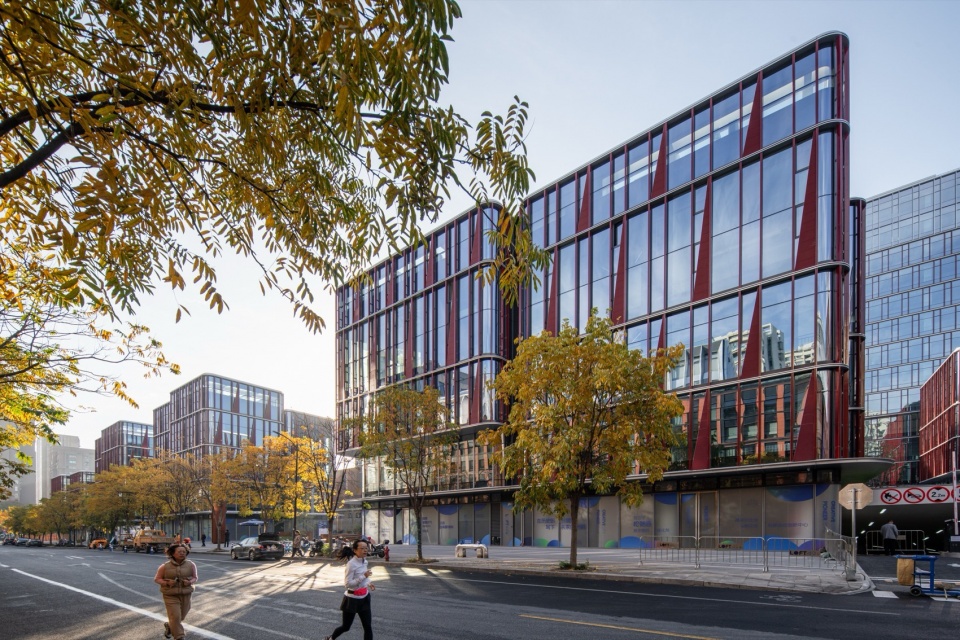
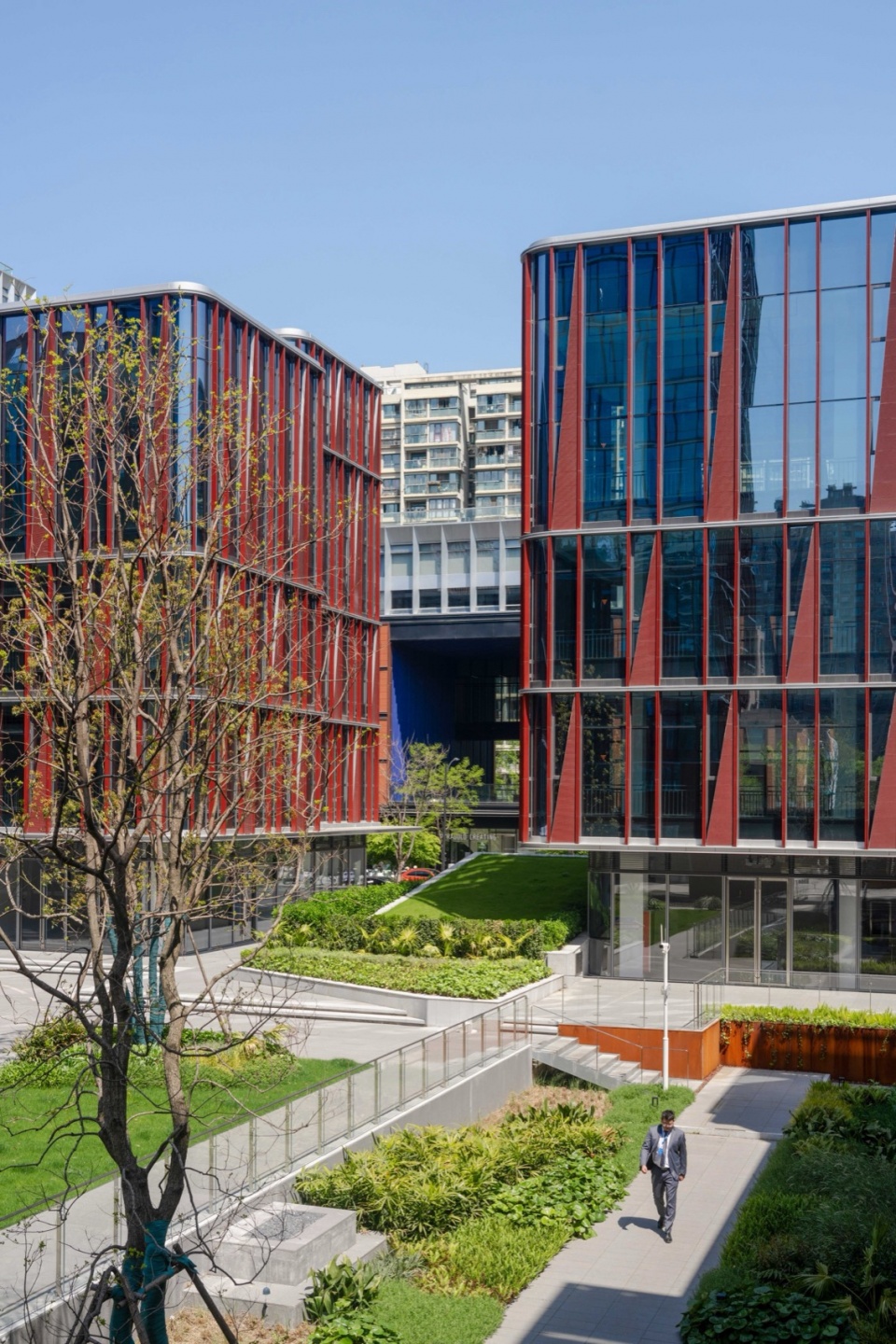
中饱和度的釉面陶板则被采用于外围新建楼栋的立面中,与玻璃幕墙系统结合,形成隐蔽式开启扇的外遮阳片,在视觉上建立新旧体量之间的整体关联。
Medium-saturation glazed terracotta panels are used on the façades of the newly built peripheral buildings. Combined with the glass curtain wall system, they form external shading elements for concealed operable windows, visually establishing an overall relationship between the new and old volumes.
▼落地实景,built reality
▼落地实景,built reality
界面的混合 |Hybridizing the Interface
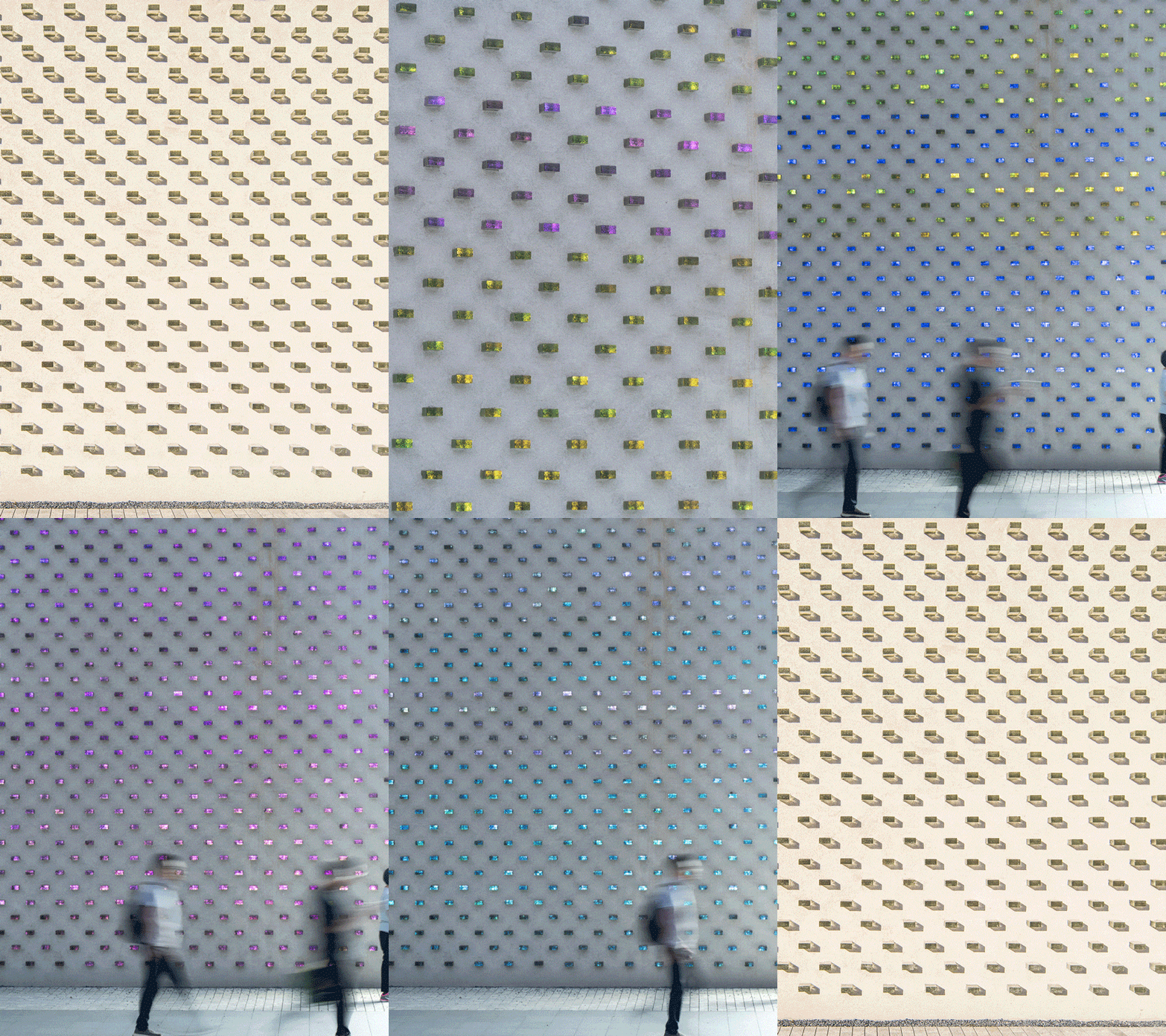
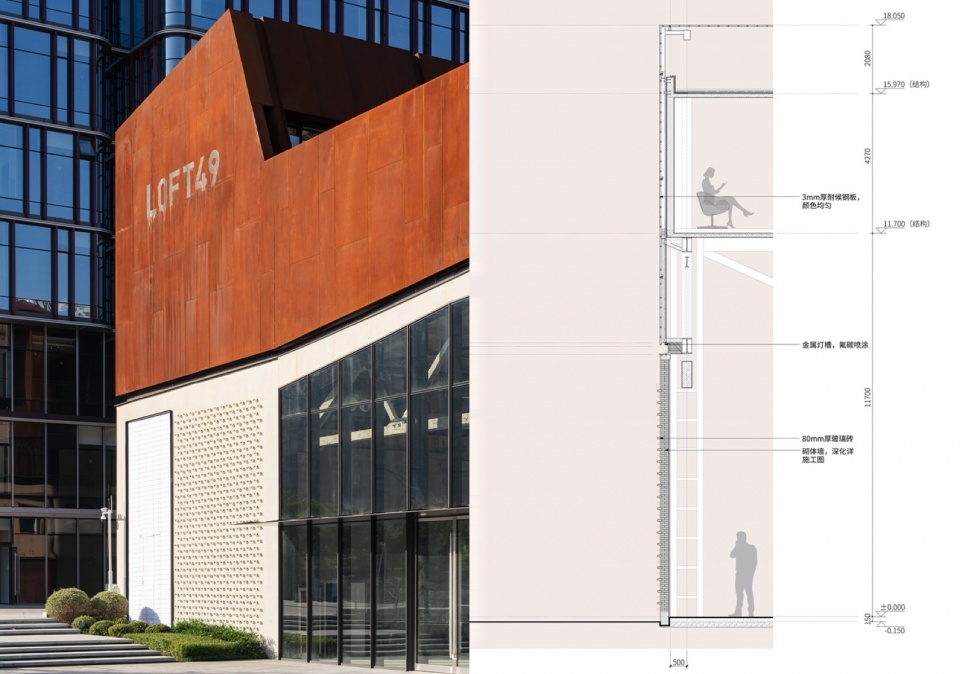
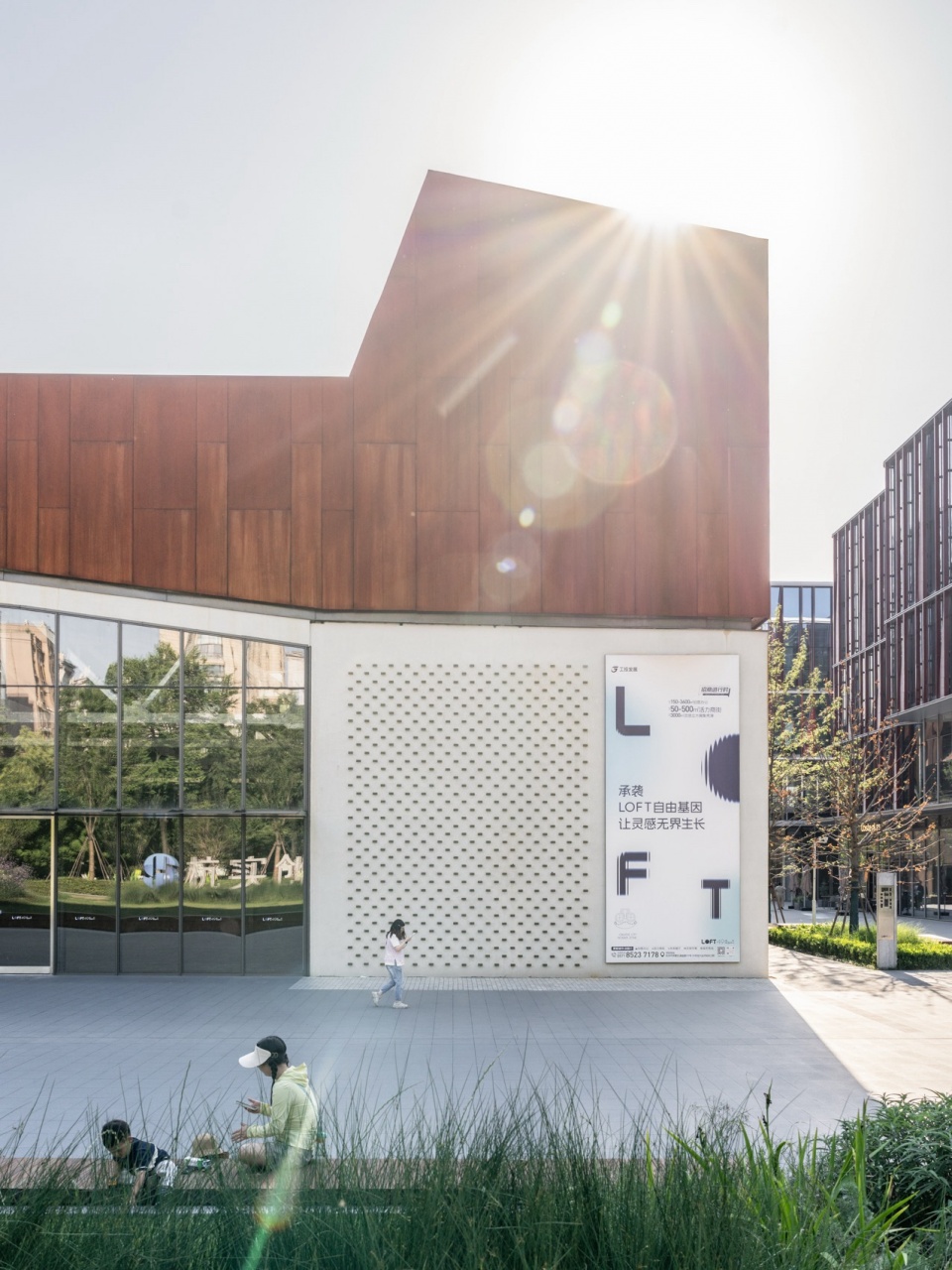
10号楼东西侧立面,将部分砌体砖块替换为内嵌LED发光模块的玻璃砖,从而在旧墙面中产生新的表情,并随着短周期的昼夜变化,以及长周期的日常与节假日活动节奏,呈现出多样的光环境与空间氛围。
On the east and west façades of Building 10, part of the brickwork was replaced by glass bricks embedded with LED lighting modules. This creates a new expression within the old wall surface. Through short-cycle changes between day and night, and longer cycles of everyday life and holiday events, the wall presents varied light environments and spatial atmospheres.
▼10号楼墙身大样,Wall section detail of Building 10
▼落地实景/剖面图,built reality / section
▼落地实景,built reality
设备的隐藏 |Concealing the Equipment
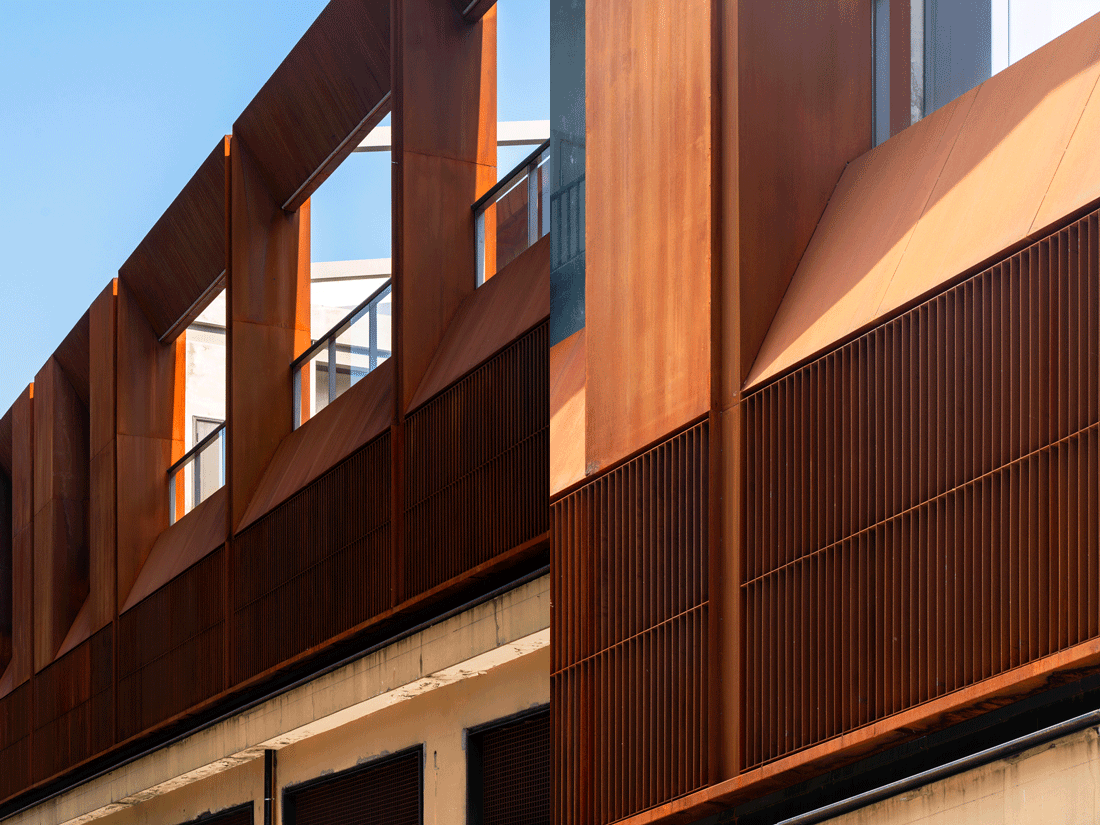
10号楼的耐候钢板体量与原始厂房屋面之间的夹层作为设备层,容纳结构桁架和空调机组等设备管线。由此释放的屋面平台,转化为商业新场景和可体验的“空中浮岛”,为商业外摆、休憩和集会提供了多维标高的公共场所。
The space between Building 10’s weathering-steel addition and the original factory roof is used to house structural trusses, air-conditioning equipment, and other building services. By consolidating these systems within this hidden layer, the roof is freed up as a new destination within the park—an elevated “floating island” that accommodates outdoor retail, dining, relaxation, and social gathering across a series of public terraces.
▼落地实景,built reality
▼落地实景/剖面图,built reality / section
▼落地实景,built reality
▼鸟瞰,aerial view
03 场景复合:从“建造”到“共造”03 Scenario Hybridization: From Construction to Co-Creation
在早期工业退潮的背景下,LOFT49逐渐发展为浙江最早的文创聚集地之一。如今,随着城市更新进入精细化阶段,园区的“金缮”不仅体现在空间修复,也体现在场景逻辑的重构。
As industry declined in the area, LOFT49 gradually evolved into one of Zhejiang’s earliest hubs for creative businesses. Now, as urban renewal shifts toward a more nuanced and people-centered approach, the idea of Urban Jinshan extends beyond the physical transformation of space to the reimagining of how the park is used and experienced.
▼落地实景,built reality
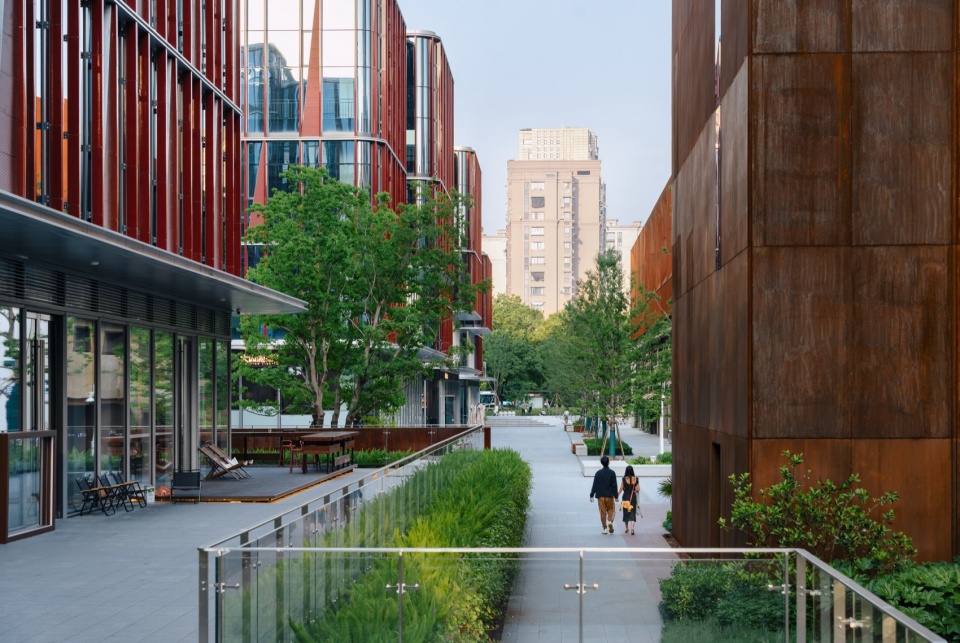
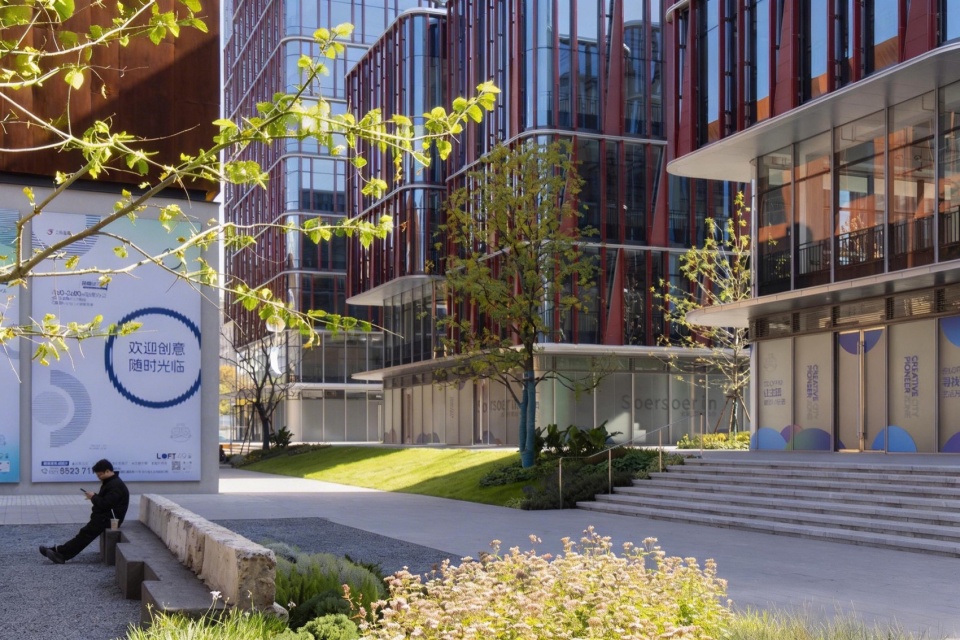
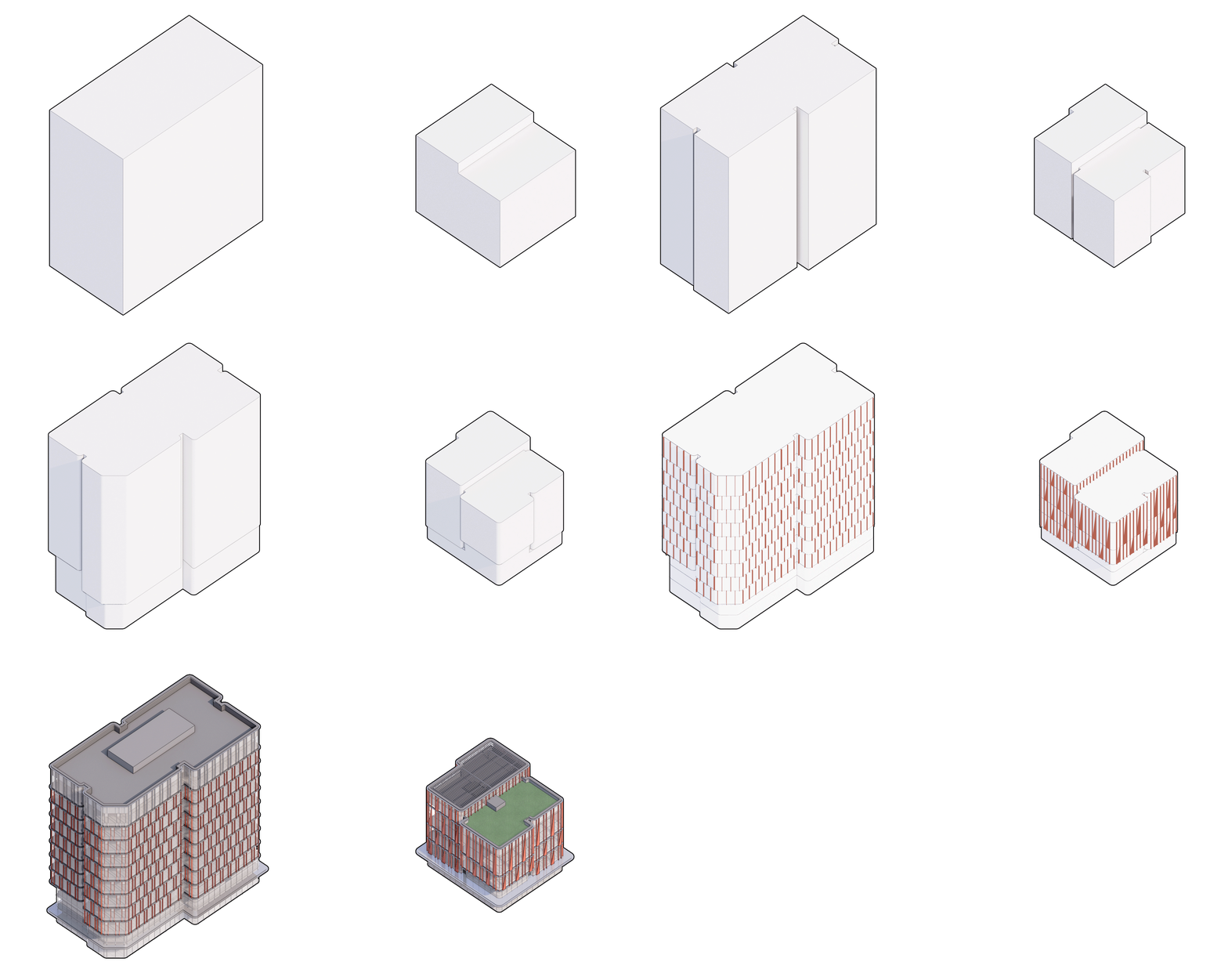
新建办公楼采用风车状体量布局,形成灵活可变的平面组合与租赁单元,以适应从初创团队到成熟企业的不同需求。体量的拆解也使建筑尺度更接近步行体验。
The new office buildings are arranged in a pinwheel-like configuration, creating flexible floor plates and leasing options that can accommodate a wide range of tenants, from startups to established companies. By breaking down the overall building mass into smaller volumes, the design also creates a scale that feels more comfortable and engaging at street level.
▼办公建筑立面生成分析,Façade generation analysis of the office buildings
▼落地实景,built reality
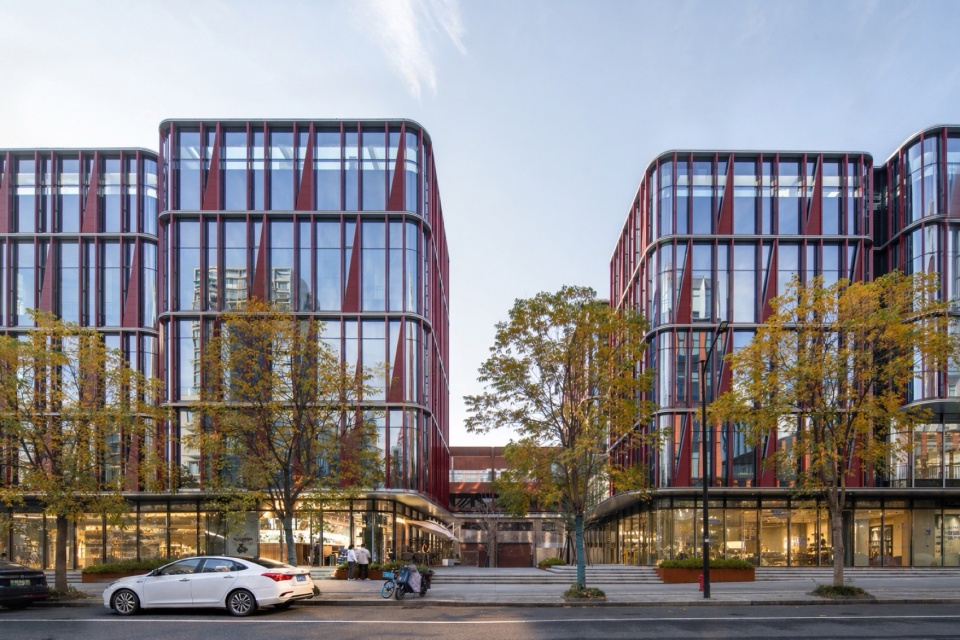
▼落地实景,built reality
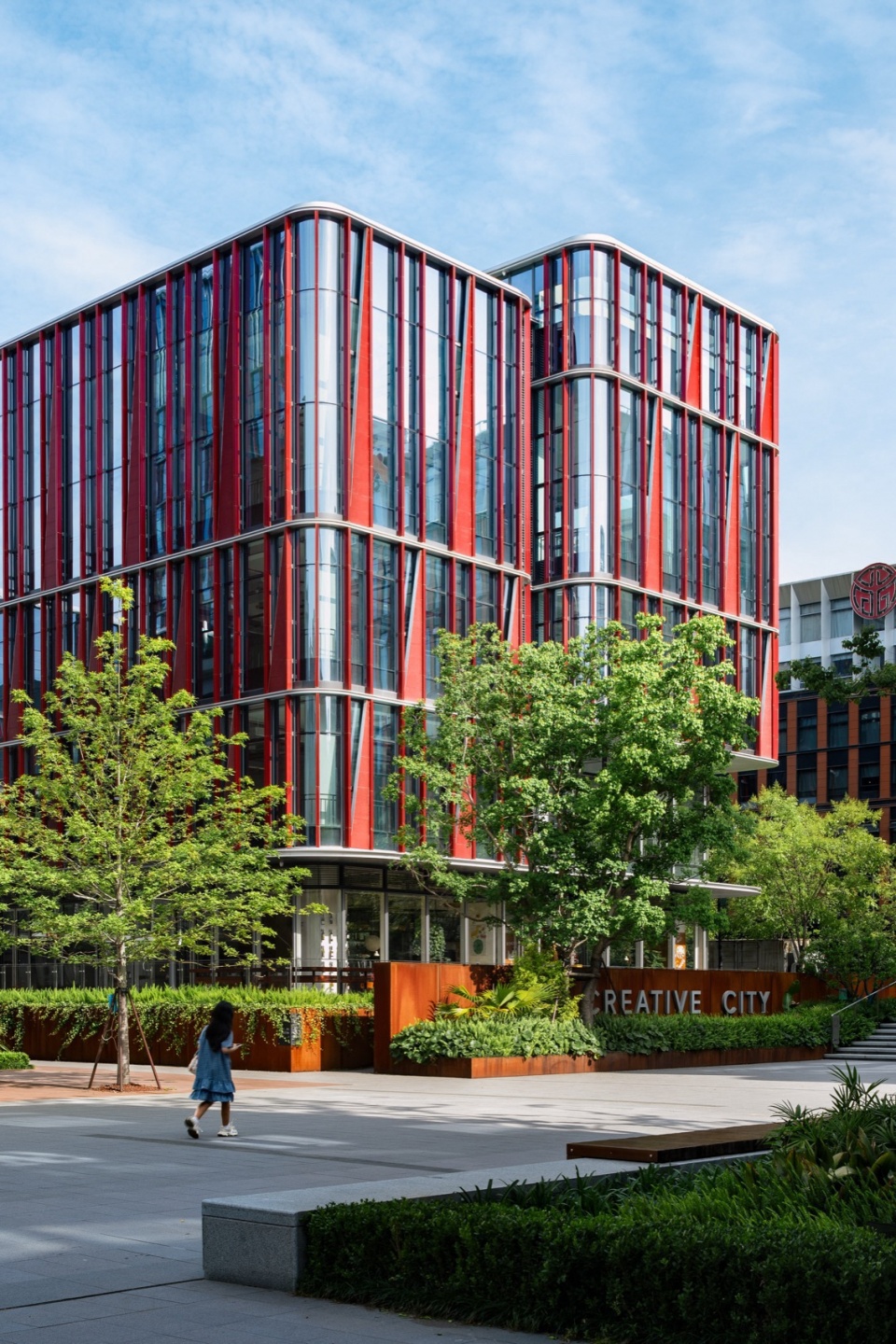
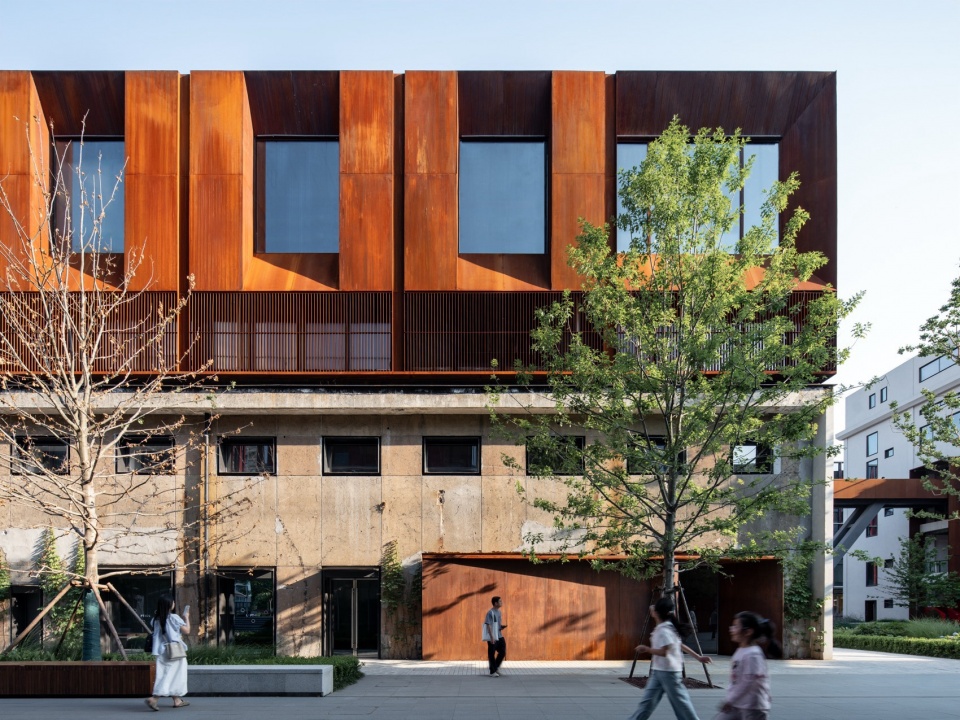
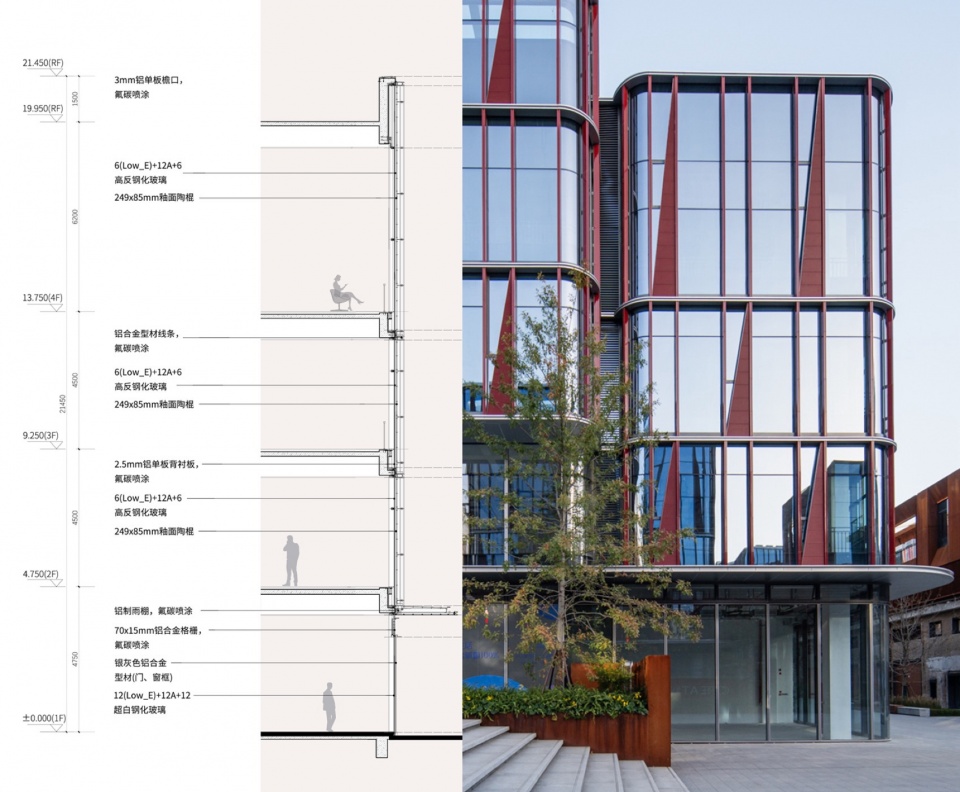
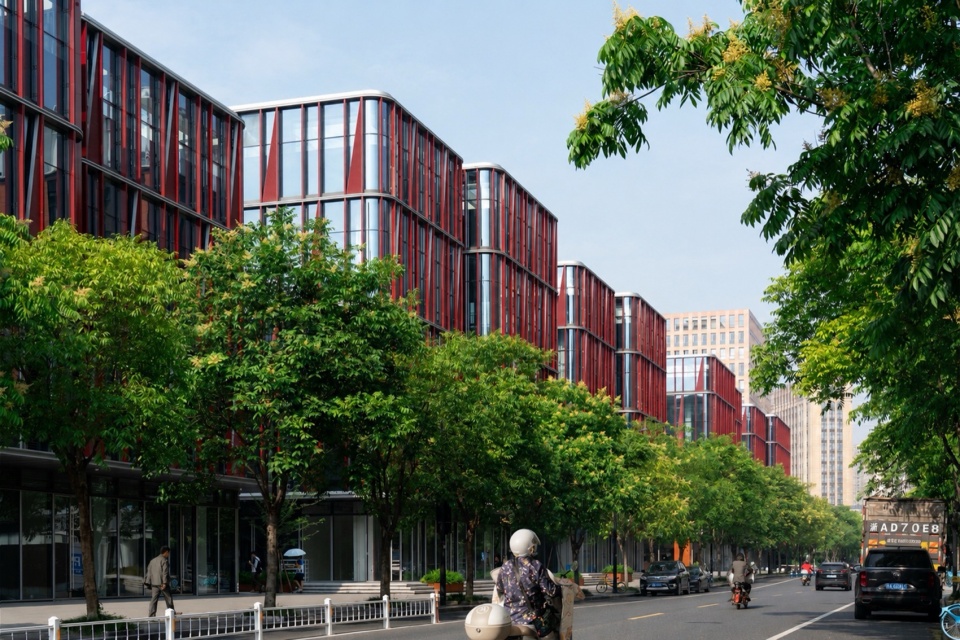
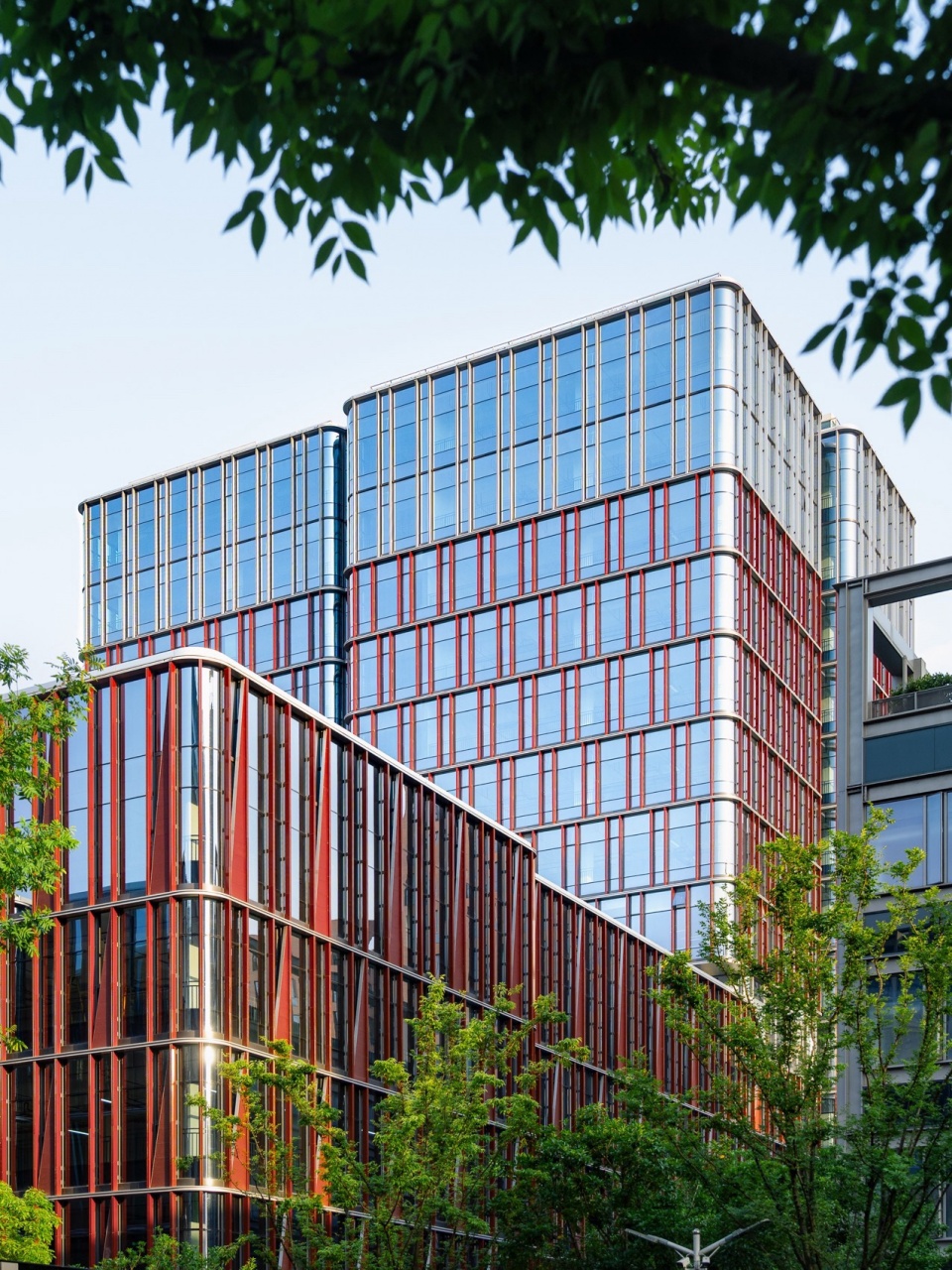
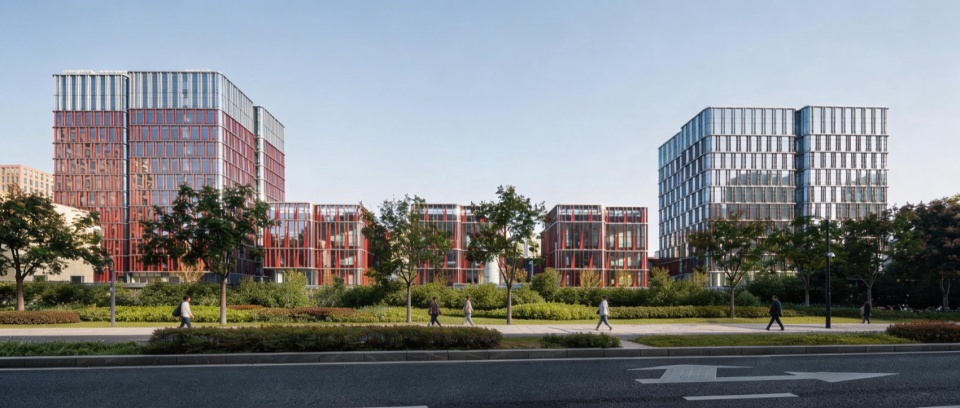
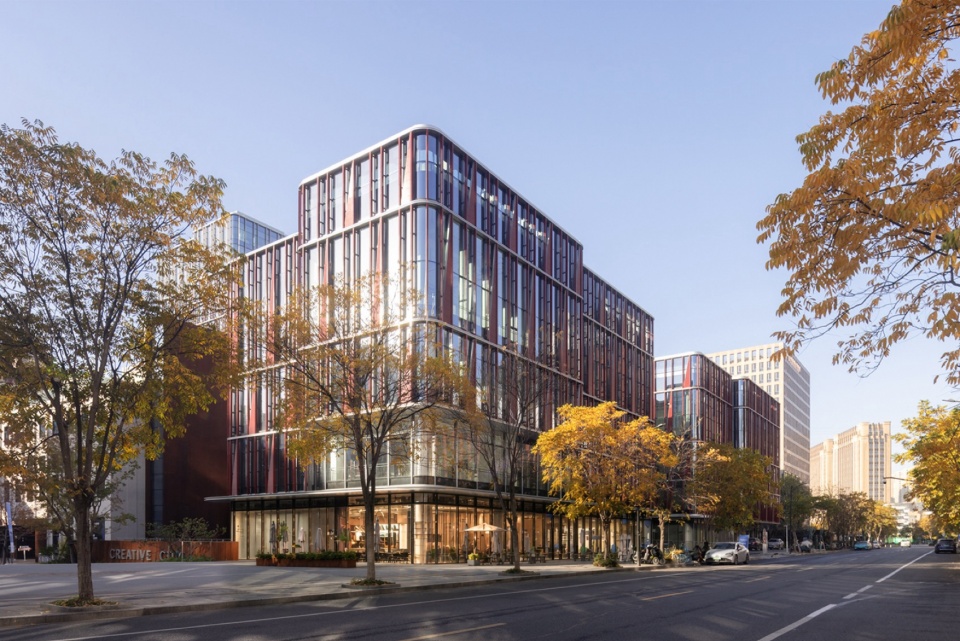
立面以不同饱和度的红色釉面陶板与陶棍为主要材料,在呼应区域色彩导则的同时,与灰色工业遗存形成对比,并与周边园区共同构成连续而层次丰富的街区界面。
The façades use red glazed terracotta panels and baguettes of different saturations as the main materials. While responding to the regional color guidelines, they contrast with the grey industrial remains and, together with the surrounding park, form a continuous and layered block interface.
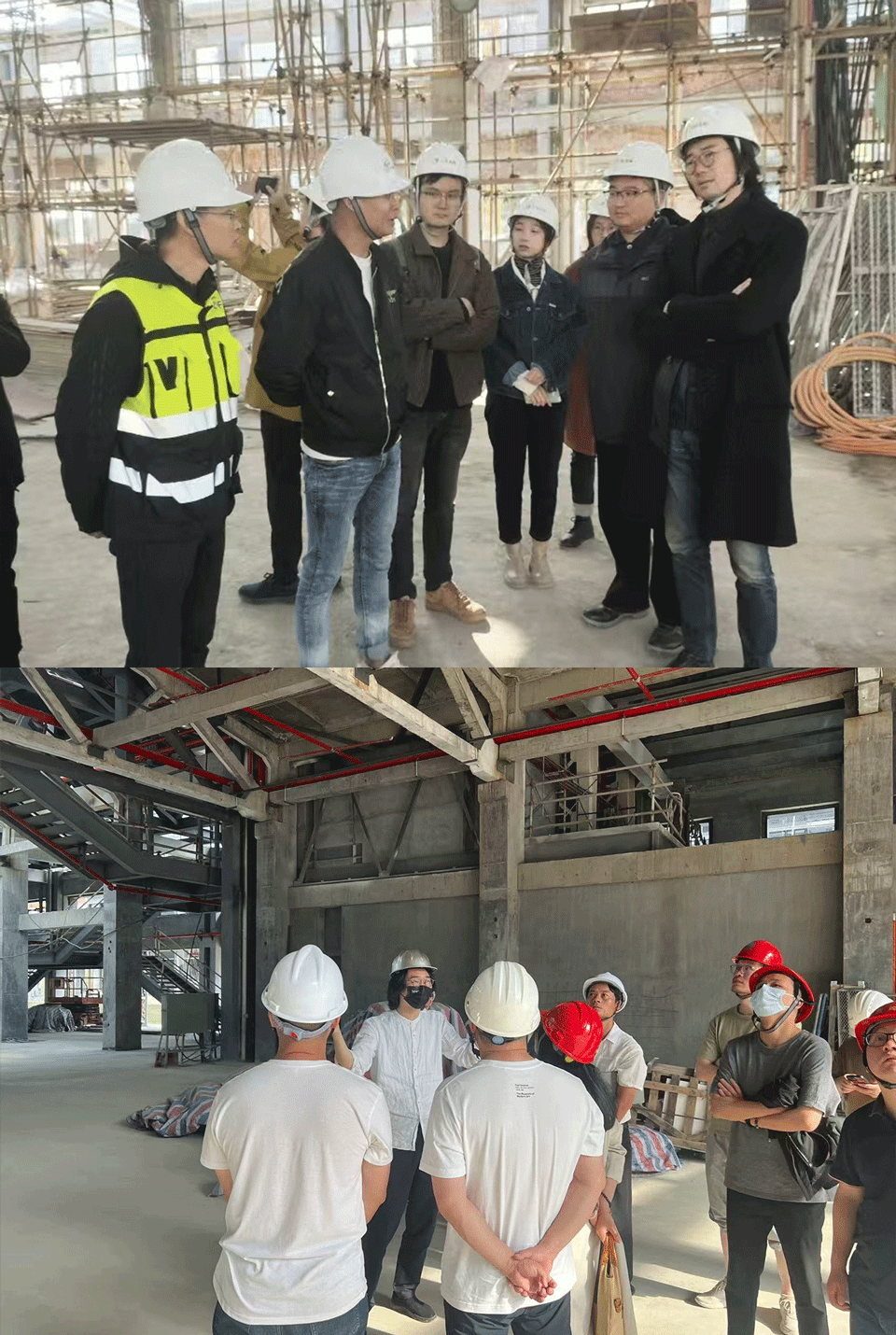
▼施工现场把控,Construction-site control
▼办公楼墙身大样,Wall section detail of the office buildings
▼mock-up,Mock-up
▼街景,street view
▼立面细部,details of the facade
随着品牌空间、创意总部与生活方式业态的陆续入驻,更新后的LOFT49逐渐呈现出多重城市角色:既是全天候开放、承载工业记忆的公共场所,日常办公与交流的汇聚地,也是休闲消费的新场所,以及展览、演出、秀场、市集等城市事件性活动的新容器。
As brand spaces, creative headquarters, and lifestyle programs gradually move in, the renewed LOFT49 is beginning to take on multiple urban roles. It serves as an all-day public place that carries industrial memory, a gathering point for daily work and exchange, a new venue for leisure consumption, and a container for urban events such as exhibitions, performances, runway shows, and markets.
▼落地实景,built reality
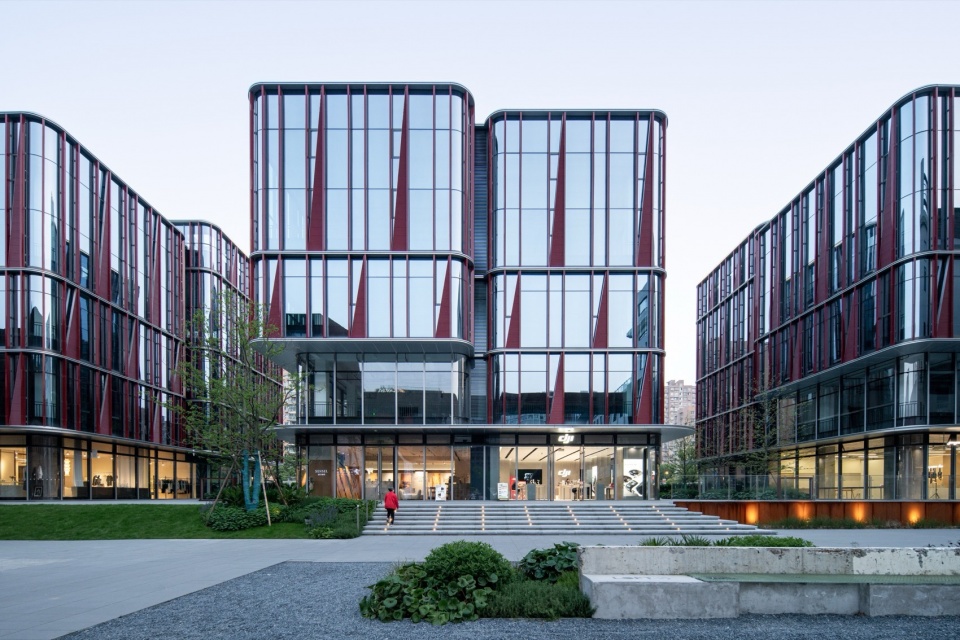
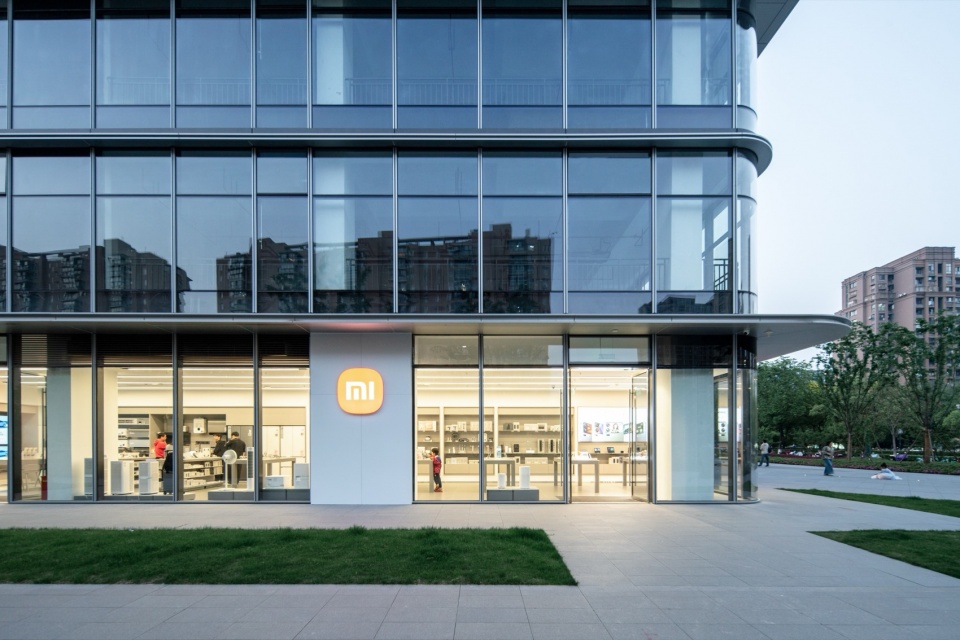
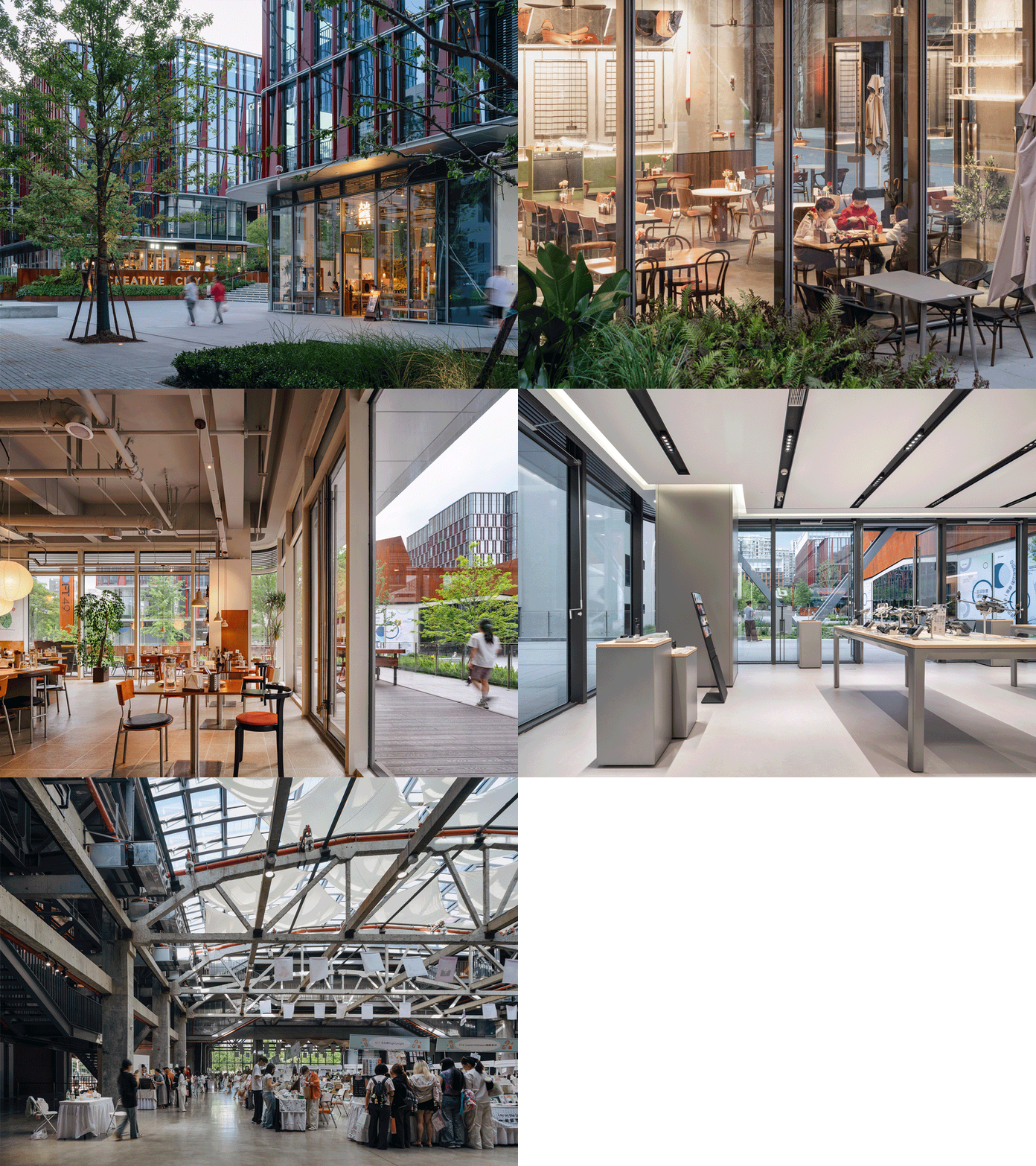
工作、生活与公共活动在此交织,传统产业园区“昼热夜冷”的节奏被打破,园区以更具弹性与活力的混合街区形态,逐渐融入城市的日常生活。
Work, life, and public life overlap throughout the district. Rather than emptying out after office hours, as many traditional industrial parks do, LOFT49 remains active throughout the day and into the evening. With its mix of uses and programs, it becomes a more open, flexible, and vibrant part of everyday city life.
▼落地实景,built reality
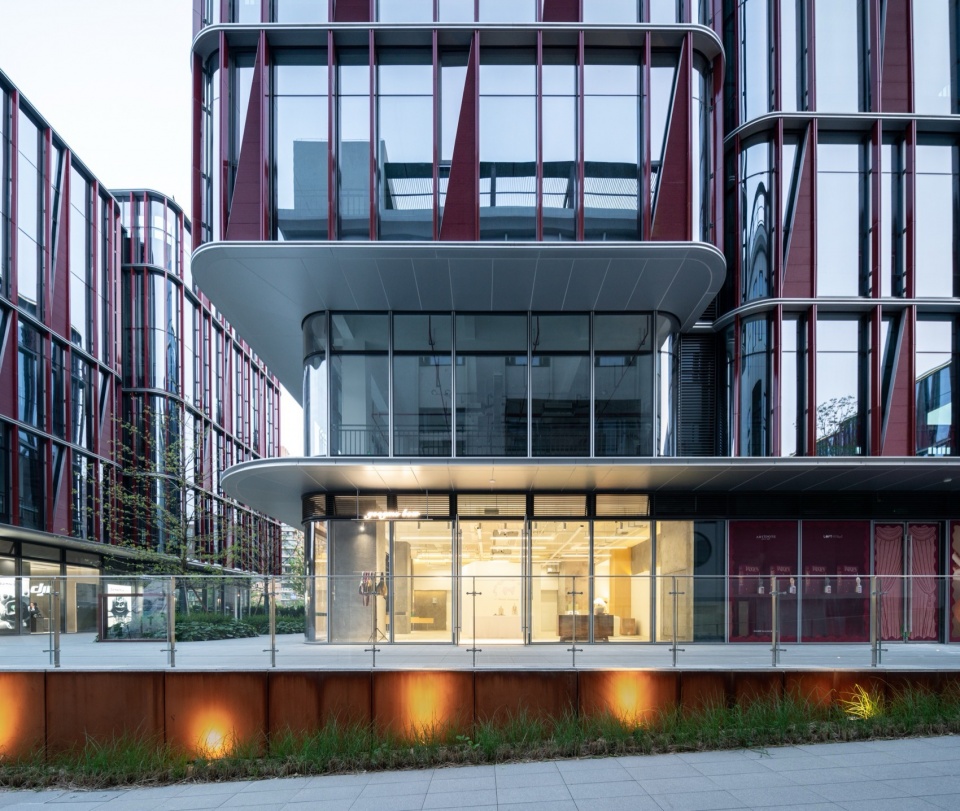
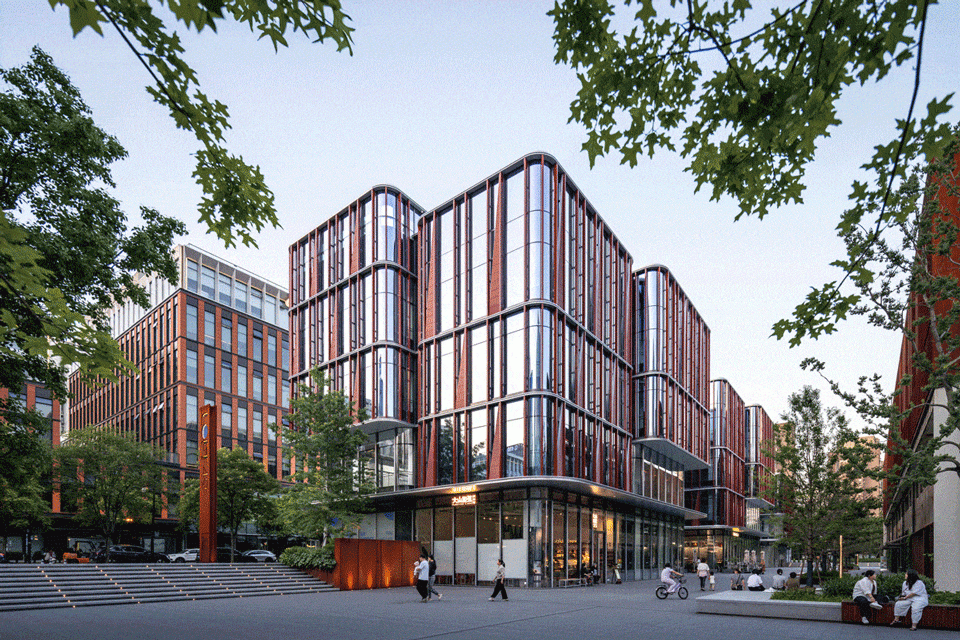
04 结语04 Conclusion
作为杭州大运河核心区重要的工业遗存更新项目,LOFT49二期从前期遗产评估、运营策划,到城市设计与建筑更新方案的深度推演,在业主、合作单位与施工方的多方努力下,实现了预期的完成度与空间呈现。
As a major industrial heritage renewal project in the core area of Hangzhou’s Grand Canal district, LOFT49 Phase II has evolved through a long process of heritage assessment, operational planning, urban design, and architectural transformation. Realized through the close collaboration of the client, consultants, design teams, and construction partners, the project has now been brought to completion as envisioned.
▼落地实景,built reality
这不仅是line+“城市金缮”理念的首次完整实践与正式呈现,也为高密度城市背景下工业遗存如何在当代转化中实现“提量增效”与“记忆活化”的平衡,提供了一种新的实证路径。
The project marks the first full-scale realization and public presentation of line+’s “Urban Jinshan” concept. It also offers a new approach to industrial heritage renewal in high-density urban contexts, balancing growth and operational needs with the preservation and reactivation of collective memory.
▼鸟瞰,aerial view
当旧日的生产车间转化为今日的共享街区,历史与当下不再是断裂的碎片,而是在“城市金缮”的缝合下,共同构成了具有生命张力的城市连续体。随着运营与业态的持续展开,LOFT49正为为园区开发者、商业主理人、入驻企业员工以及周边市民公众,提供一个持续运转的开放社群,在“共造”与“共营”中,与城市历史保持“共生”关系。
As former factory workshops are transformed into a shared urban district, history and the present are no longer experienced as separate layers. Through the approach of Urban Jinshan, industrial memory is carried forward into everyday urban life, allowing old and new to coexist within a continuously evolving environment. LOFT49 is forming an open community in continuous operation for developers, commercial operators, tenant companies, employees, local residents, and visitors… for operators, companies, employees, local residents, and visitors alike—one that remains rooted in its past while continuing to create new possibilities for the city.
▼鸟瞰,aerial view
Project Name: Hangzhou LOFT49 Regeneration
Design Firm: line+ studio
Chief Architect / Project Principal: Peidong Zhu
Design Team: Wangtao Bao, Tao Xu, Ke Gao, Zhenyu Li, Shiqiu Liang, Xinyi Shi, Jiaqi Wang, Xiaoyu Yang, Wenyu Zhou Architecture; Yuting Jin, Xiaoxiao Fan, Zhiyi He Interior
Client: Hangzhou Blue Peacock Cultural & Creative Co., Ltd.
Collaborative Design Institute: Sino-Foreign Jianhuacheng Engineering Technology Group Co., LTD. Zhejiang Branch
Landscape Design: Zhejiang Antao Design Co., Ltd.
MEP Consultant: Hangzhou Yizi Architectural Engineering Technology Co., Ltd.
Location: Hangzhou, Zhejiang, China
Gross Floor Area: 95,901.45 sqm
Design Period: May 2022 – December 2022
Construction Period: December 2022 – December 2025
Materials: Glazed terracotta panels, weathering steel panels, aluminum / metal panels, glass, stucco coating
Photography: Arch-Exist, Shan-jian images, Chen Xi Studio, Guowei Liu, DONG Image, line+