ATTIC LL住宅,意大利 / depaolidefranceschibaldan architetti
该项目对一栋建于14世纪建筑的二层与阁楼空间进行了改造。建筑位于帕多瓦历史中心,距离埃雷米塔尼博物馆群(Eremitani Museum Complex)和斯克罗威尼礼拜堂(Scrovegni Chapel)仅数步之遥。
The project transforms the second floor and attic of a 14th-century building located in the historic center of Padua, just a short walk from the Eremitani museum complex and the Scrovegni Chapel.
▼项目概览,overview of the project
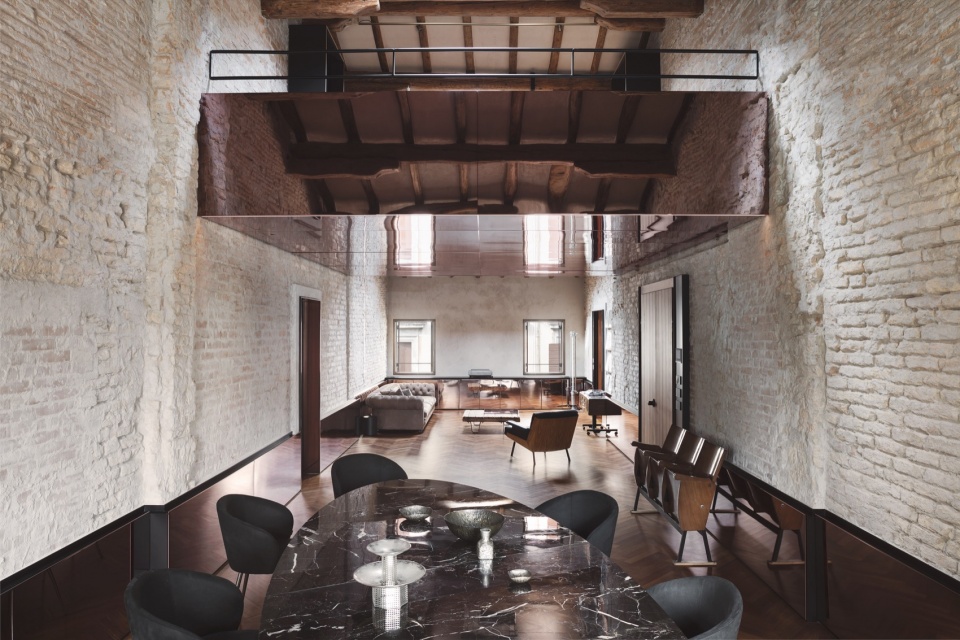
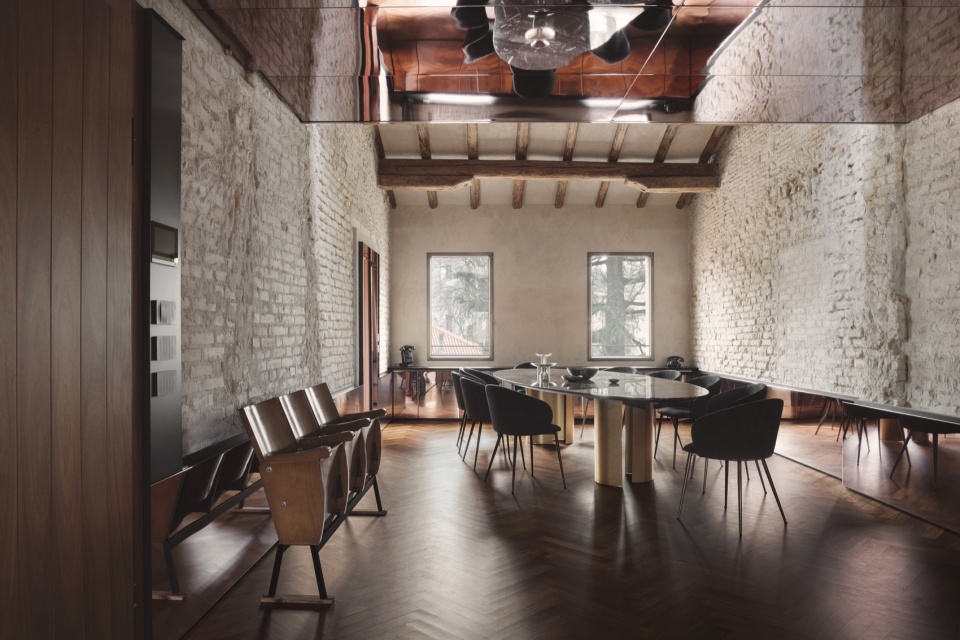
此次介入源于一种“减法”设计策略,旨在重新显现建筑原有的结构体系。设计剥离了覆盖于建筑表面的最新一层附加物——包括过去改造过程中增设的饰面、抹灰层以及轻质隔墙——使砖砌结构与木质屋顶框架重新显露出来。砖墙、木梁以及建造过程中形成的各种不规则痕迹均被毫无保留地呈现出来,不加掩饰地展现时间留下的印记以及数百年来积累的空间变迁。
The intervention stems from a process of subtraction aimed at bringing the building’s original structure back to light. Surfaces are stripped of their most recent layers—claddings, plasters, and drywall additions introduced during past renovations— revealing the brick masonry and the timber roof structure. Bricks, beams, and construction irregularities are left exposed without hesitation or concealment, expressing the traces of time and the transformations accumulated over centuries.
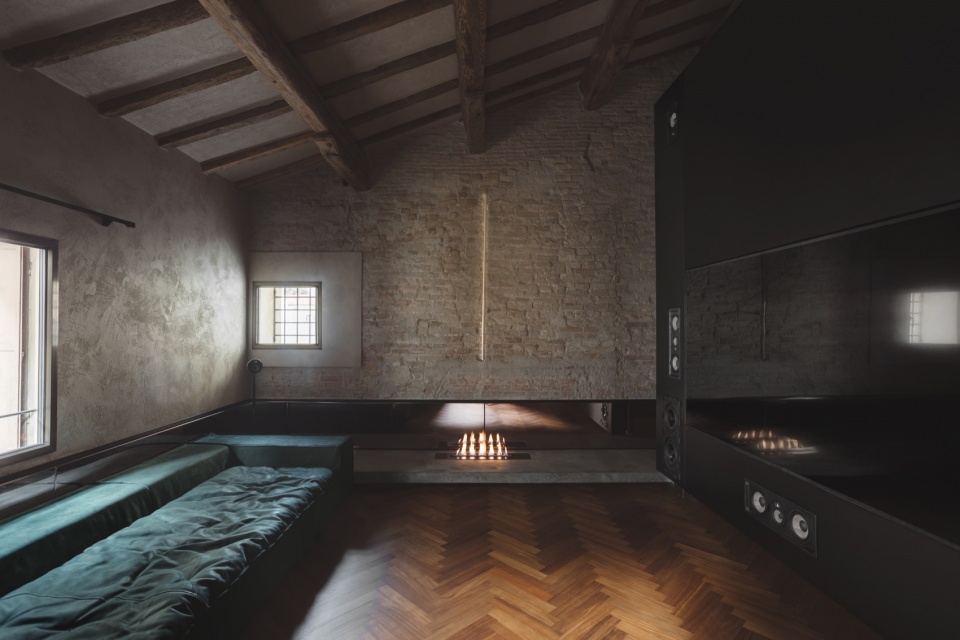
▼客厅,living room
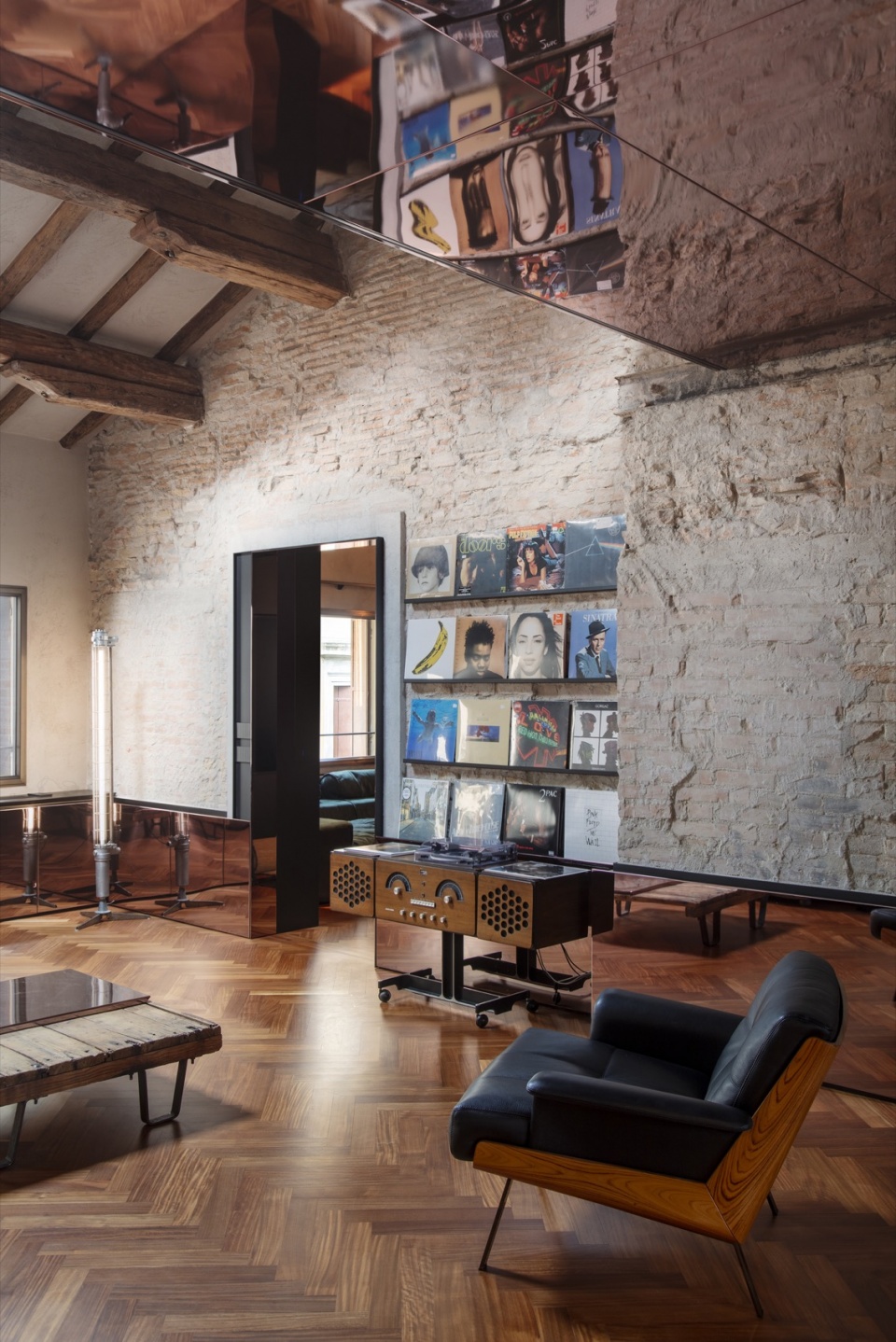
在这一裸露而本质化的空间之中,仅引入了一项当代设计元素:一条贯穿各个房间的高光泽镜面带状体。该系统整合了建筑设备设施,并组织起主要的居住功能,使原有的表面与材料得以自由显现,并通过光线与反射得到强化,从而与历史建筑肌理的粗粝感和不透明性形成鲜明对比。
Within this bare and essential space, a single contemporary element is introduced: a glossy, reflective surface that runs through the rooms like a continuous ribbon. This system integrates building services and organizes the primary domestic functions, leaving the original surfaces and materials free to emerge, enhanced through light and reflections, in contrast to the roughness and opacity of the historic fabric.
▼影音放映室,screening room
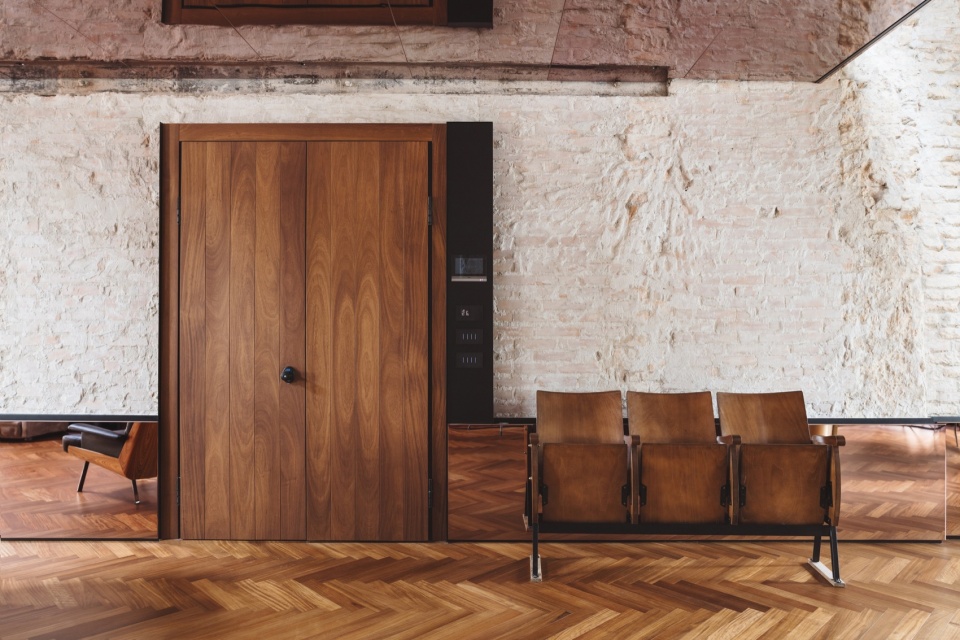
采用鱼骨拼铺设的实木伊罗科(Iroko)地板是唯一被保留下来的20世纪80年代改造元素。设计根据新的空间布局对其进行了调整与“切割”,并通过带有外露五金轨道的大型木质推拉门延续材料之间的对话。这些推拉门界定出中央大厅,同时呼应历史宫殿中传统木质门廊的形式。
The solid iroko parquet flooring laid in a herringbone pattern is the only element preserved from the 1980s renovation. It has been adapted and “cut” to fit the new spatial layout, maintaining a dialogue with the material through large wooden sliding doors with exposed mechanisms that define the central hall and recall the traditional wooden portals of historic palaces.
▼采用鱼骨拼铺设的实木伊罗科地板,
The solid iroko parquet flooring laid in a herringbone pattern
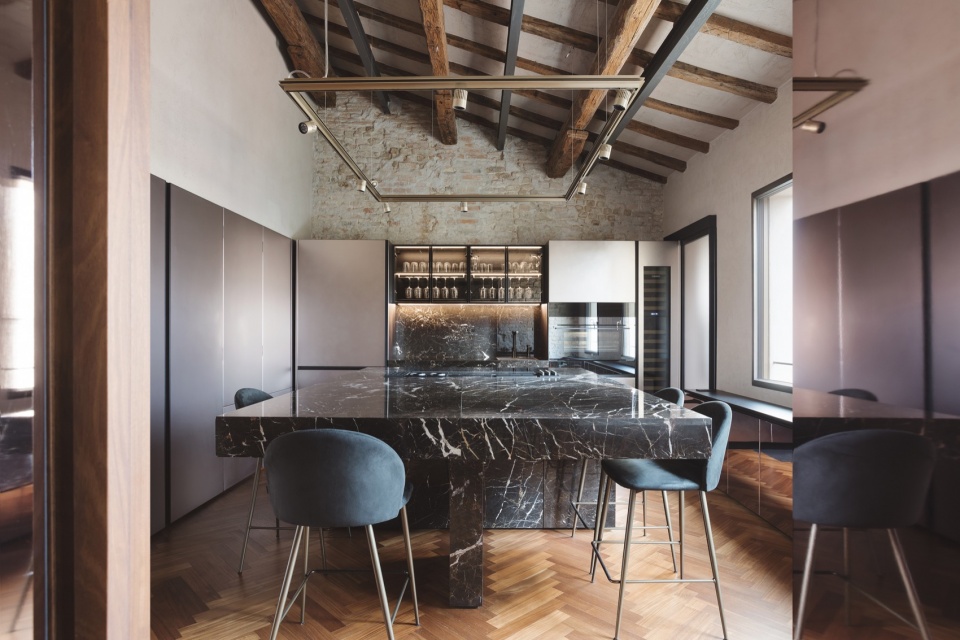
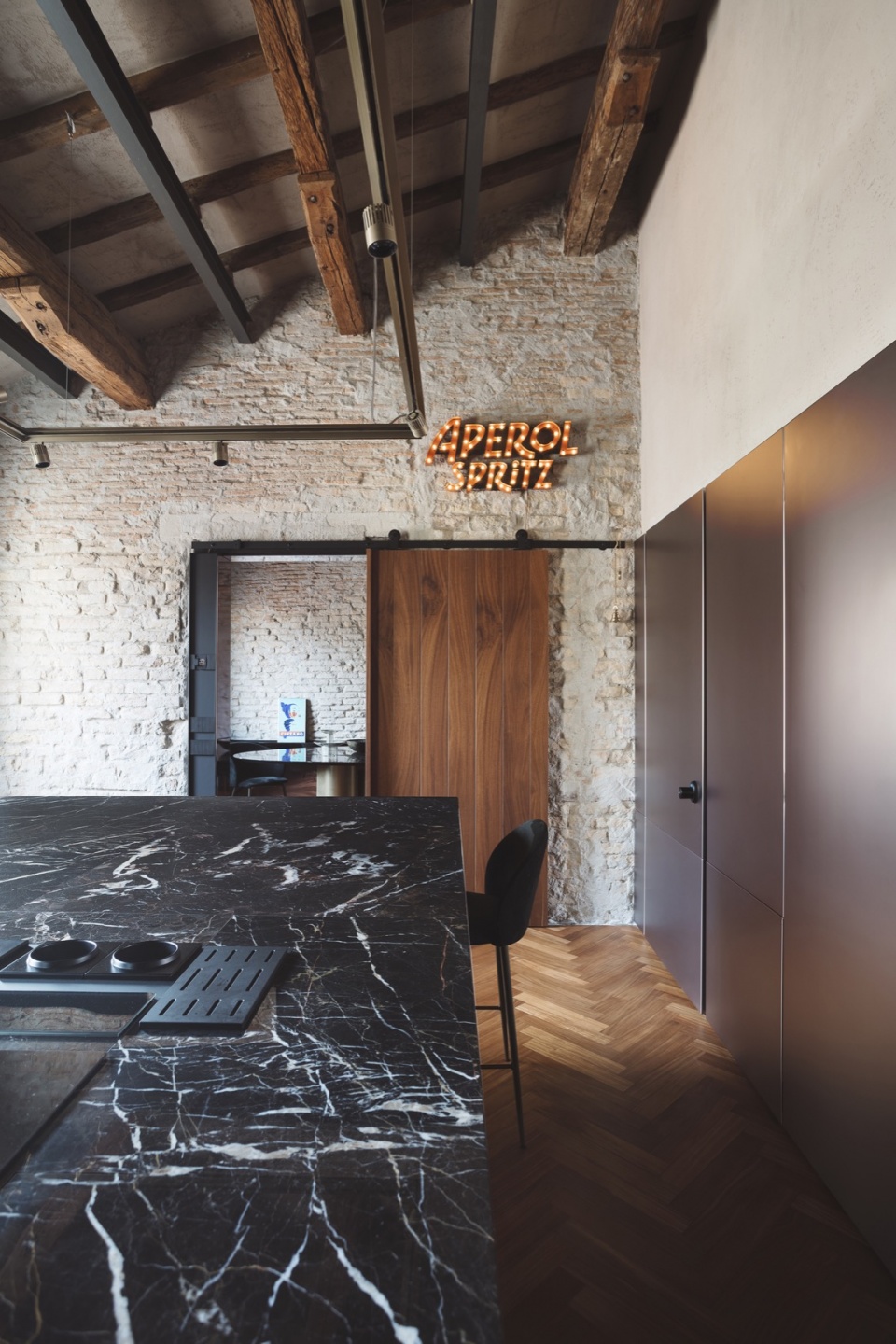
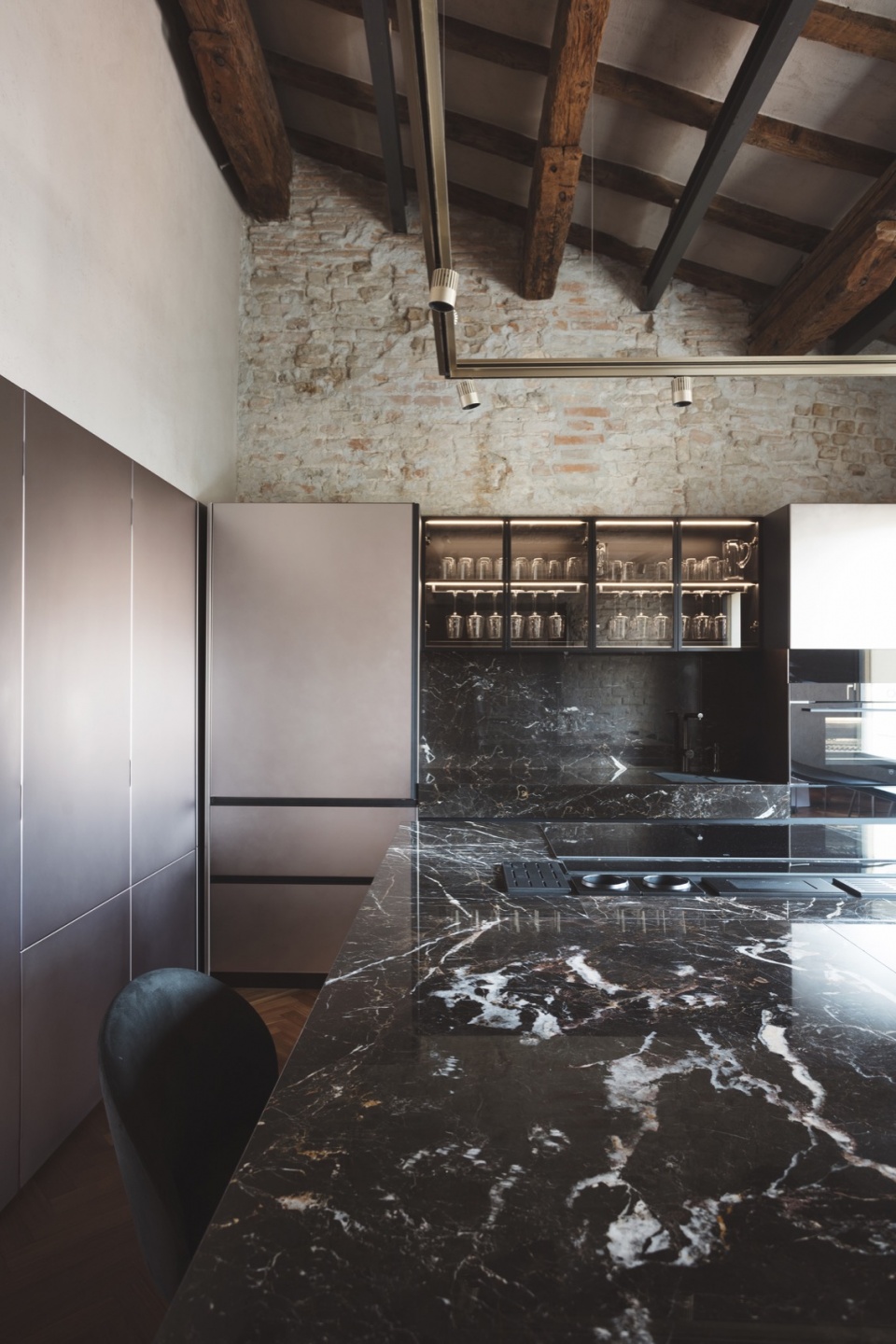
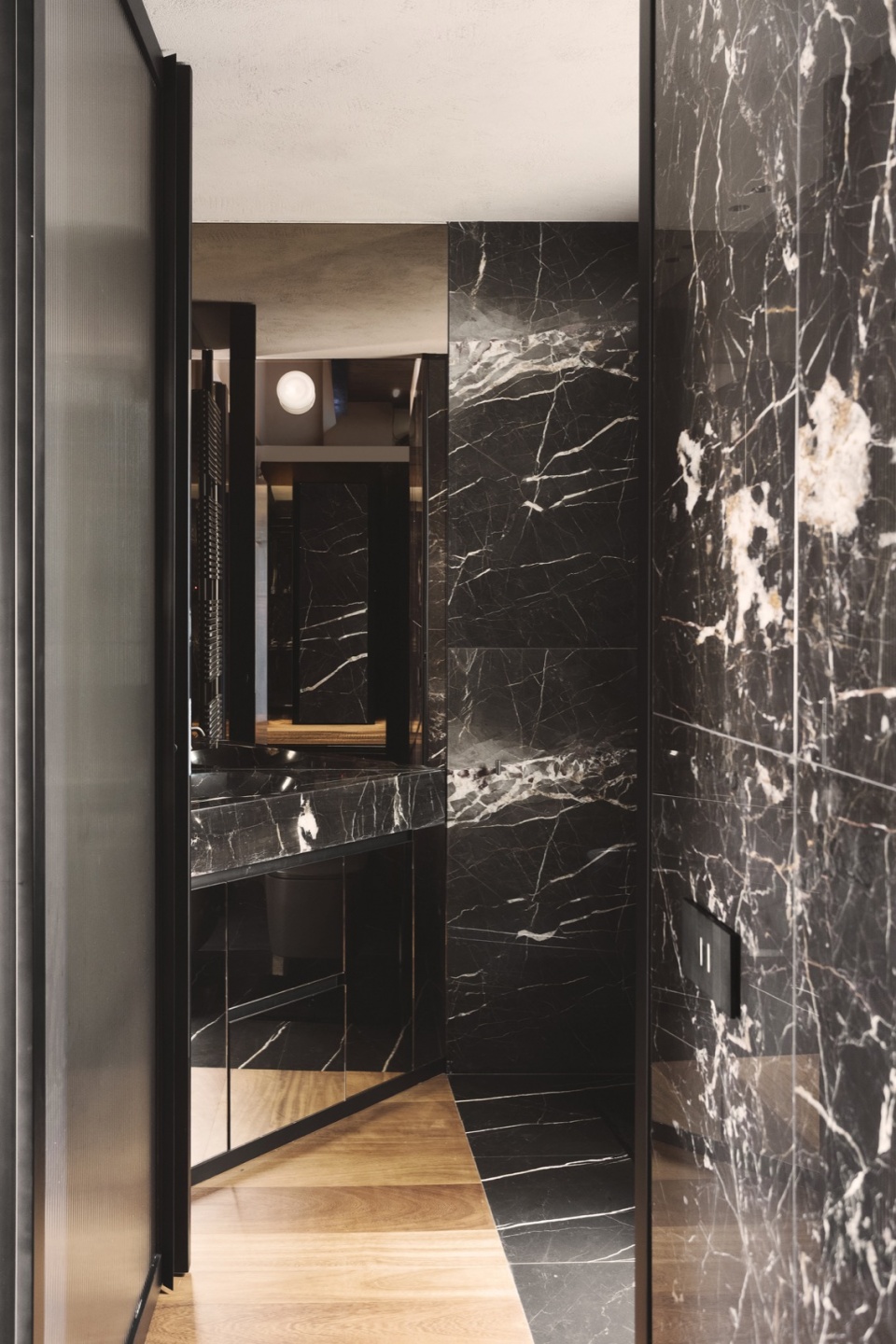
卫生间核心体、厨房岛台以及餐桌均采用法国黑圣劳伦(Noir Saint Laurent)大理石打造。它们以整体式体量置入空间之中,形成深色石材构成的整体性雕塑体,为室内增添丰富的空间层次。卧室区域则以相同原则进行设计;尤其是儿童房采用了更加活泼且富有色彩感的语言,同时仍然保留历史材料肌理与当代介入元素之间的对比关系。
The bathroom core, the kitchen island, and the dining table are crafted from French Noir Saint Laurent marble. They sit within the space as monolithic elements, forming dark stone masses that enrich the interiors. The bedrooms reinterpret the same principle; for the children’s room in particular, a more playful and colorful language has been adopted, while still preserving the contrast between the building’s historic materiality and the contemporary interventions.
▼厨房岛台,kitchen island
▼卫生间核心,bathroom core
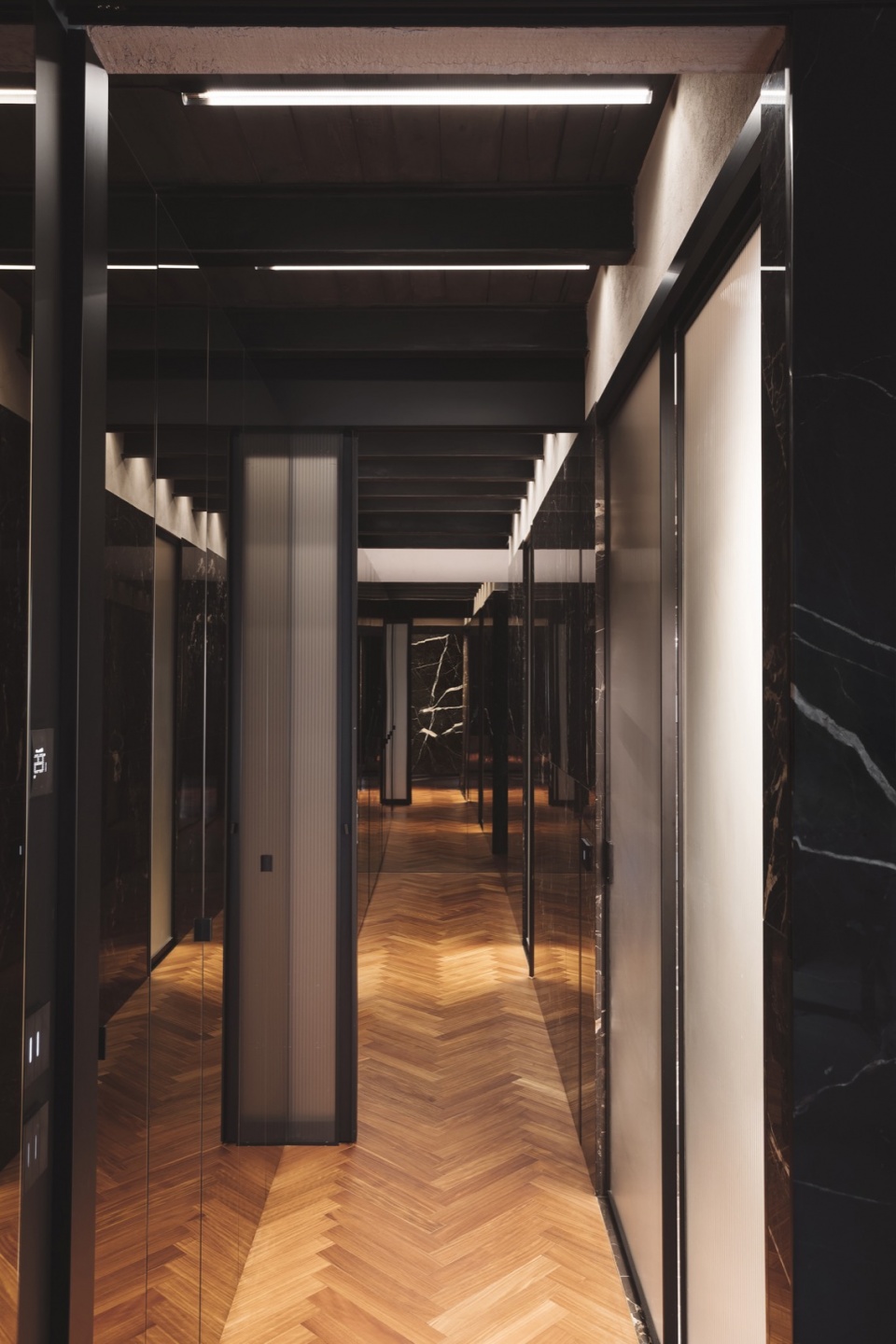
▼一条设有嵌入式衣柜和镜面的走廊通向带独立卫浴的主卧室,
a corridor fitted with built-in wardrobes and mirrors leads to the master bedroom with en-suite bathroom
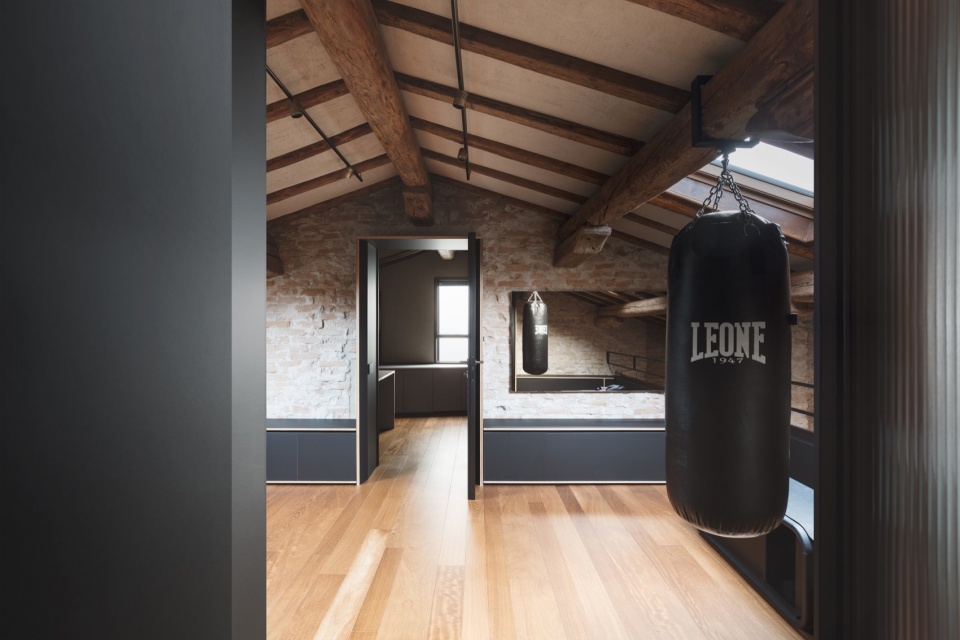
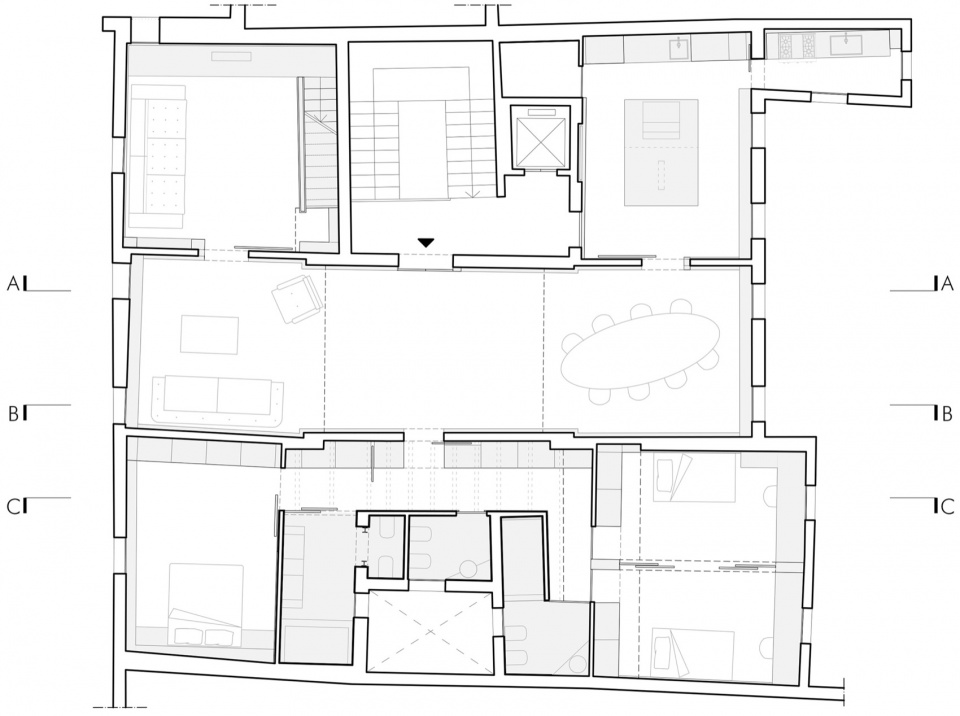
平面布局保留了传统贵族住宅的典型组织方式:一个挑空的双层中央大厅作为核心,其他房间围绕其布置。大厅上方悬置着一处夹层空间,用以连接阁楼区域。夹层整体包覆于反光金属表皮之中,仿佛一个漂浮于历史墙体之间的轻盈体量,在视觉上进一步强化了空间的尺度感。
The floor plan retains the typical layout of noble residences, with a double-height central hall around which the rooms are arranged. Suspended within the hall is a mezzanine that connects the attic spaces: entirely clad in reflective metal, it appears as a lightweight volume floating among the historic walls, visually amplifying the perception of space.
▼俯瞰中央大厅的夹层健身区,a mezzanine gym overlooking the hall
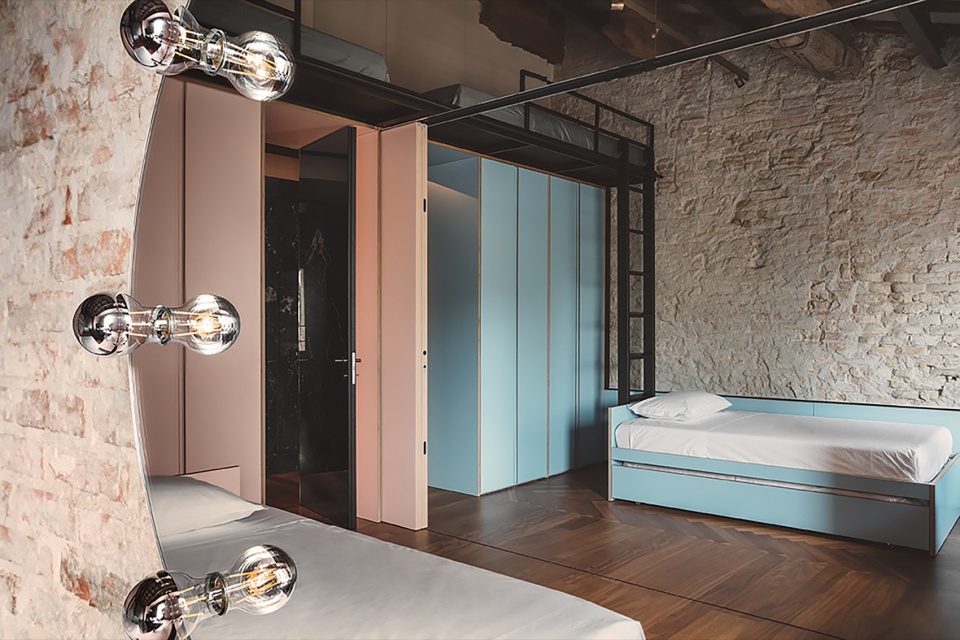
在卧室区域一侧,一条设有嵌入式衣柜和镜面的走廊通向带独立卫浴的主卧室、另外两间完整卫浴以及儿童房。儿童房被构想为一个灵活可变的空间:可移动隔断使其能够分隔为两个独立房间,而利用屋顶高度设置的小型夹层则提供了额外的睡眠空间。
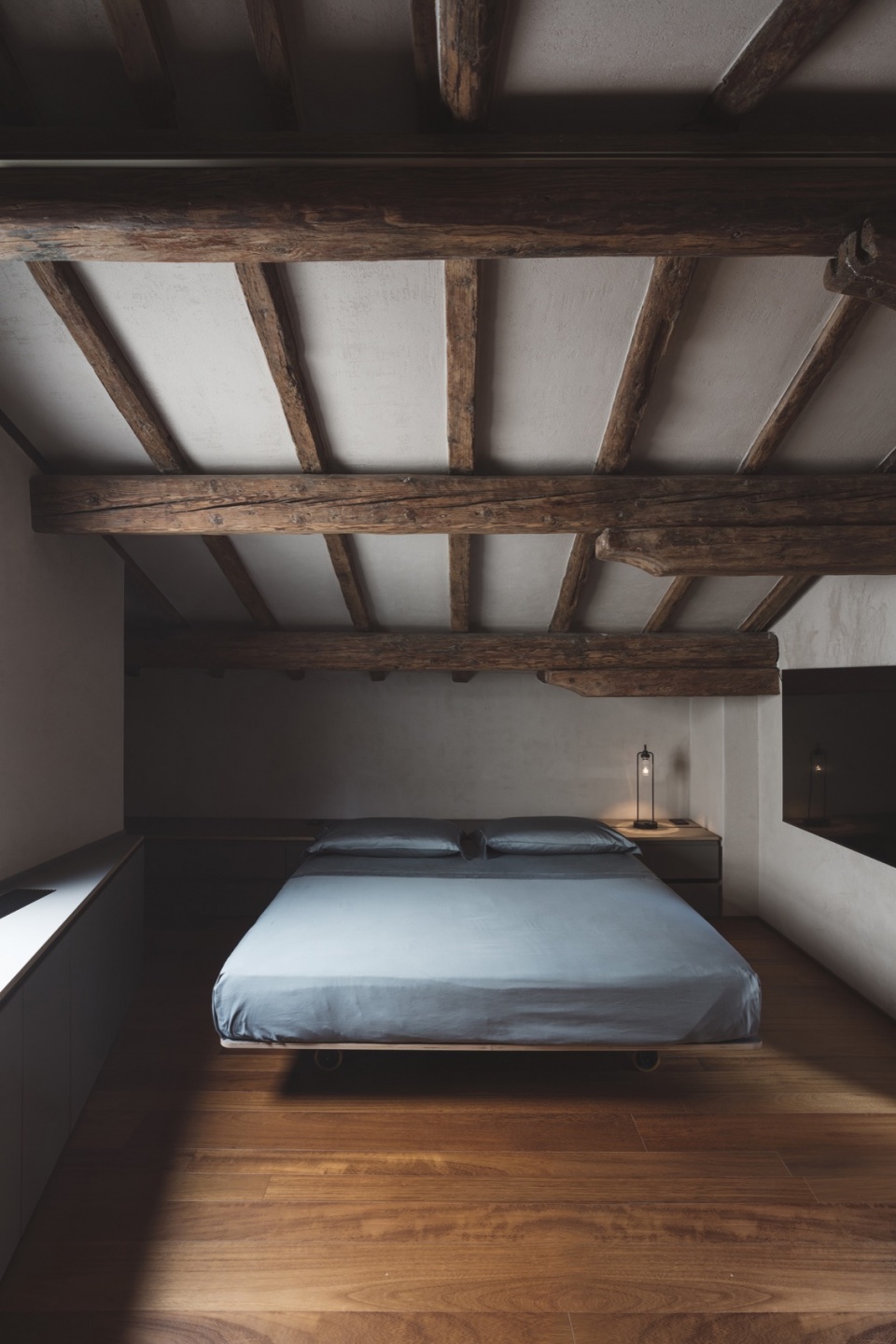
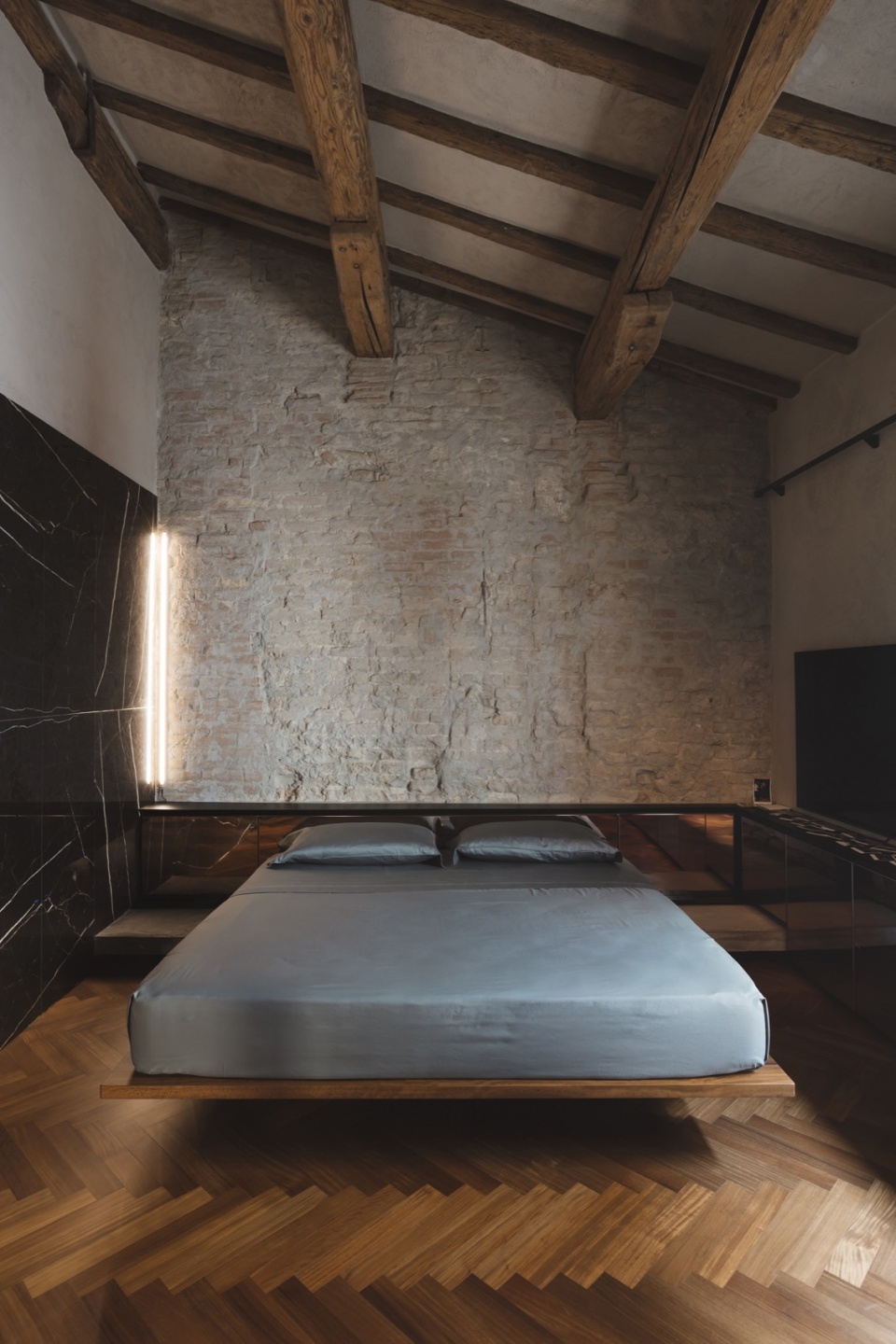
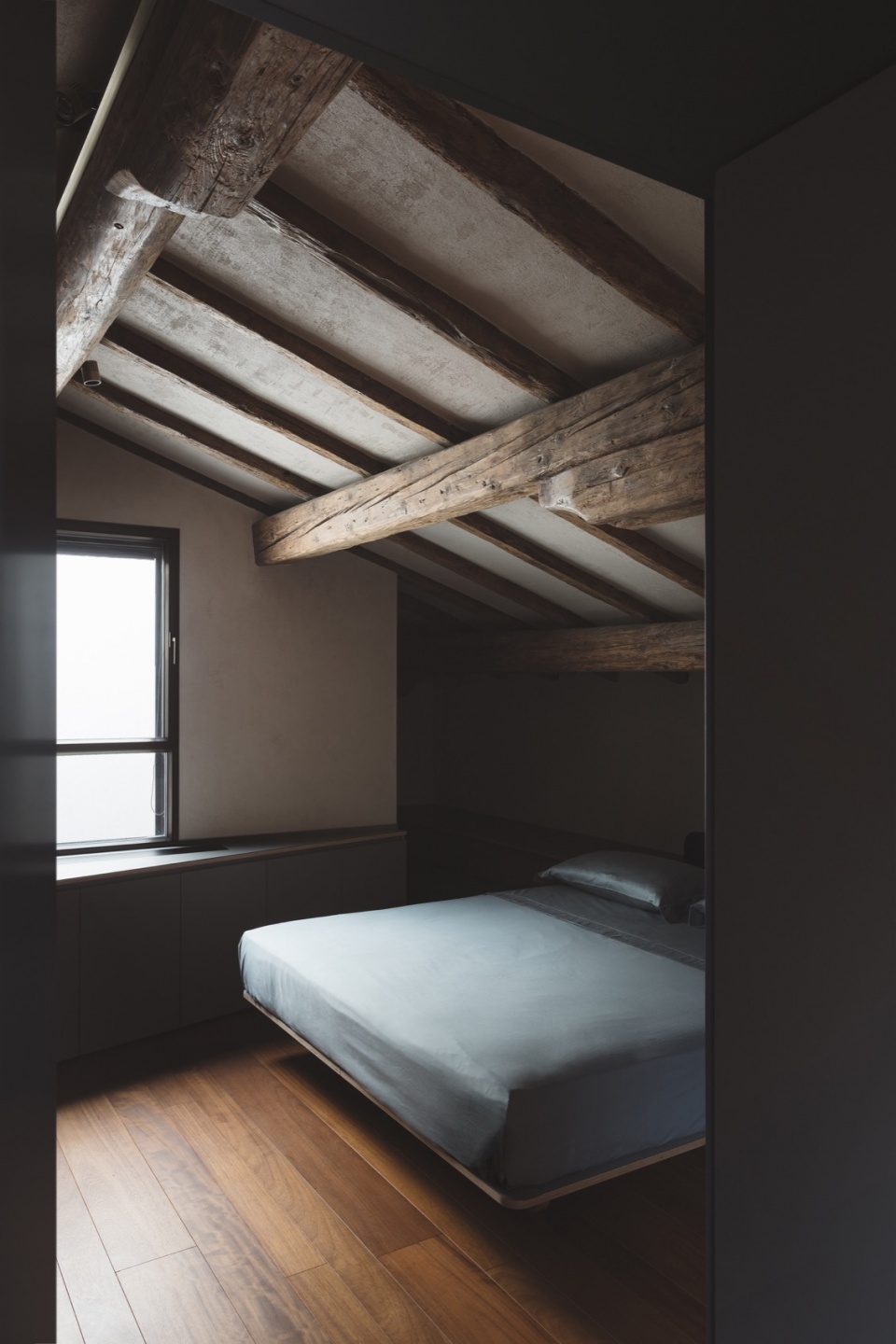
On the sleeping area side, a corridor fitted with built-in wardrobes and mirrors leads to the master bedroom with en-suite bathroom, two additional full bathrooms, and the children’s room. The latter is conceived as a flexible space: a movable partition allows it to be divided into two independent rooms, while small mezzanines take advantage of the roof height to accommodate additional sleeping areas.
▼卧室,bed room
▼儿童房,children’s room
在建筑的另一侧,公共活动空间依次展开。围绕中央岛台组织的厨房与位于主厅中的餐厅相连,而起居室则进一步通向一间更为私密的影音放映室。从这里,一部隐藏式楼梯通往上层空间,其中设有带服务卫生间的洗衣房、一处俯瞰中央大厅的夹层健身区,以及一间配备独立卫浴的额外卧室。
On the opposite side, the social spaces unfold. The kitchen, organized around a central island, connects with the dining area in the main hall, while the living room opens onto a more intimate screening room. From here, a concealed staircase leads to the upper level, which houses a laundry room with service bathroom, a mezzanine gym overlooking the hall, and an additional bedroom with private bathroom.
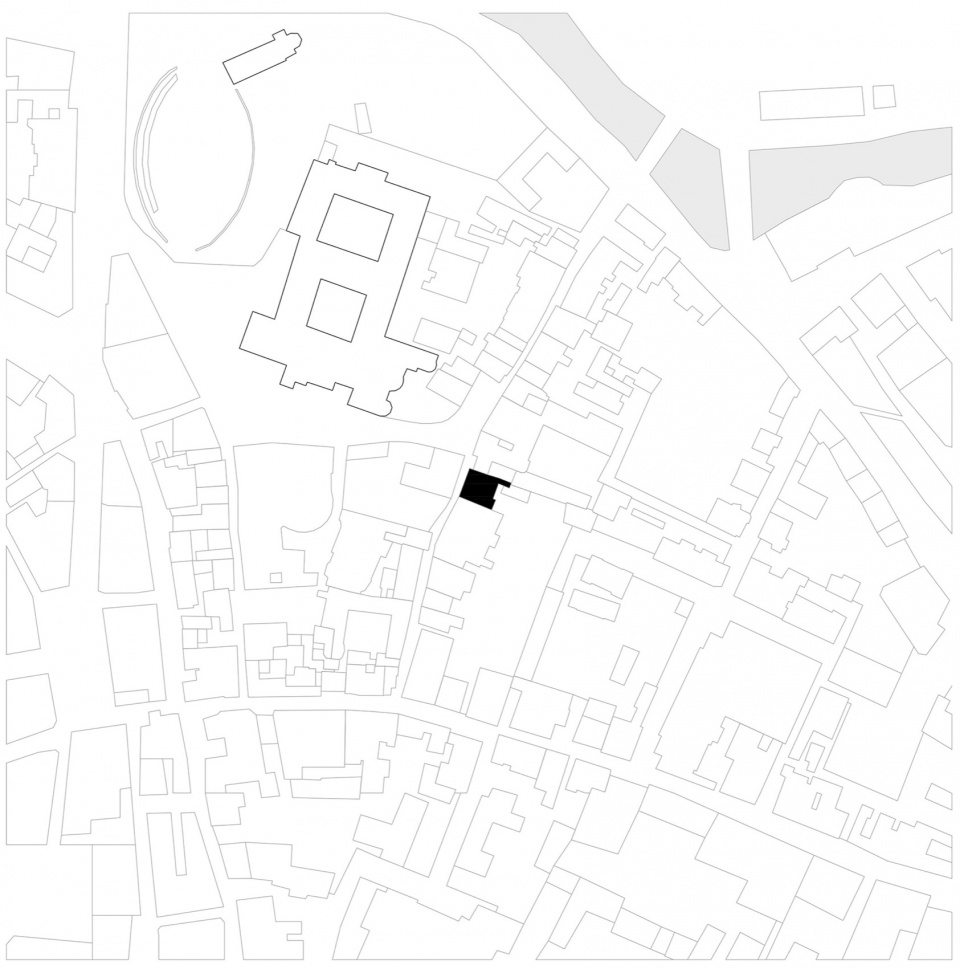
▼区位图,Location map
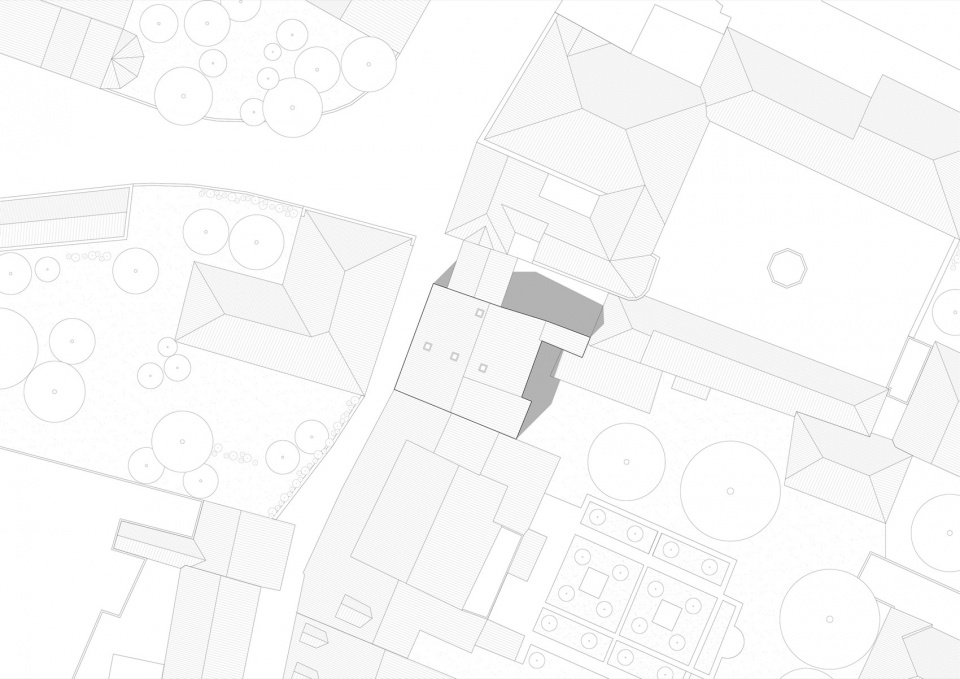
▼场地平面,site plan
▼平面,floor plan
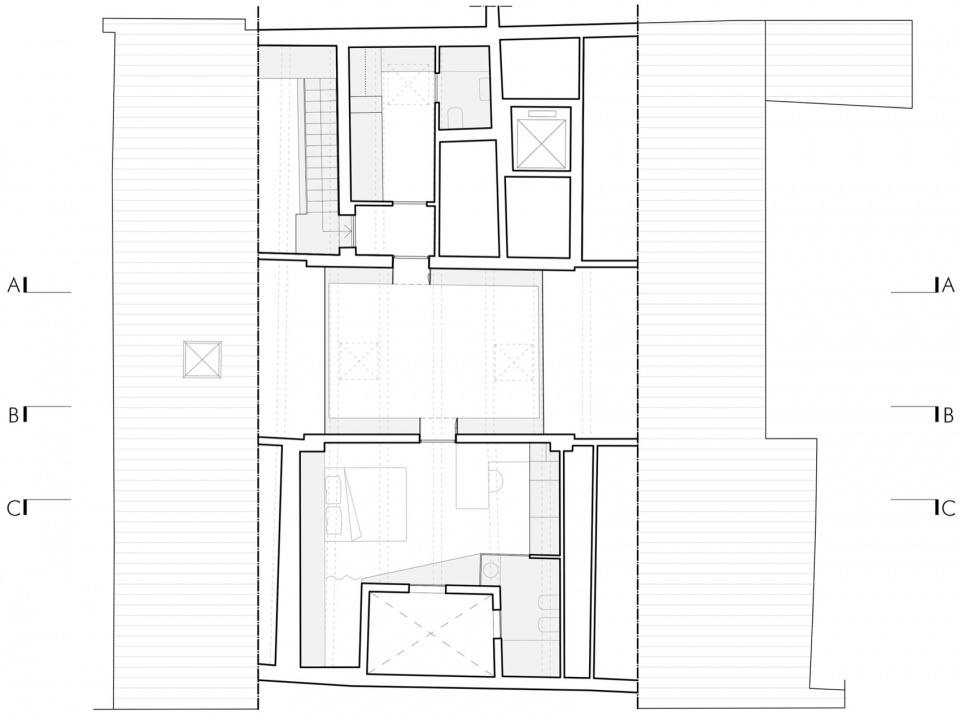
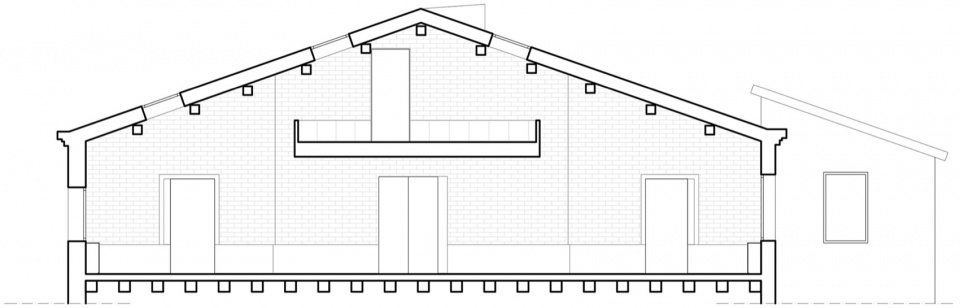
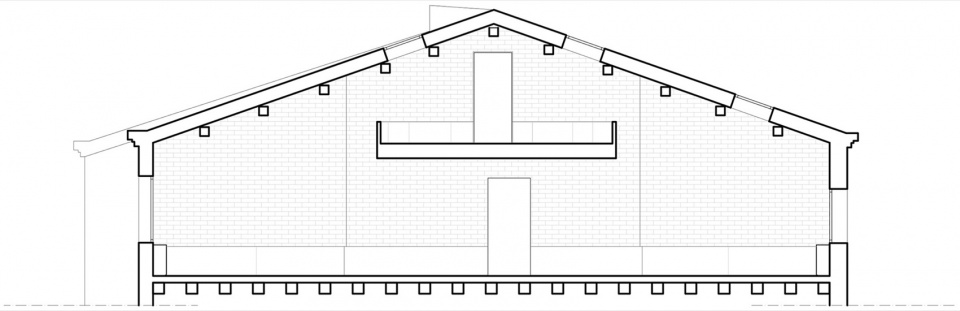
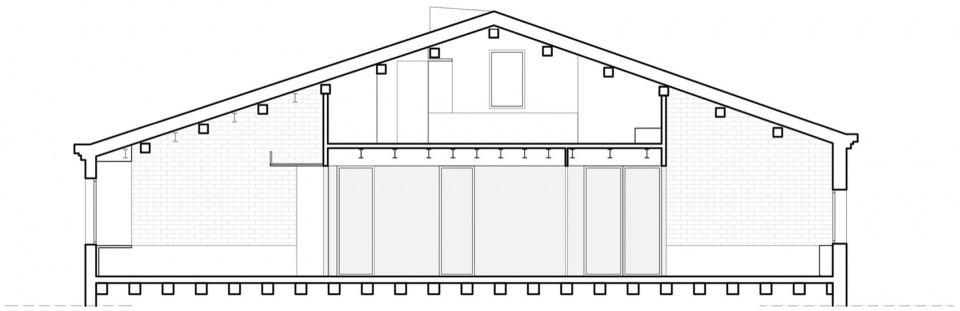
▼剖面,section
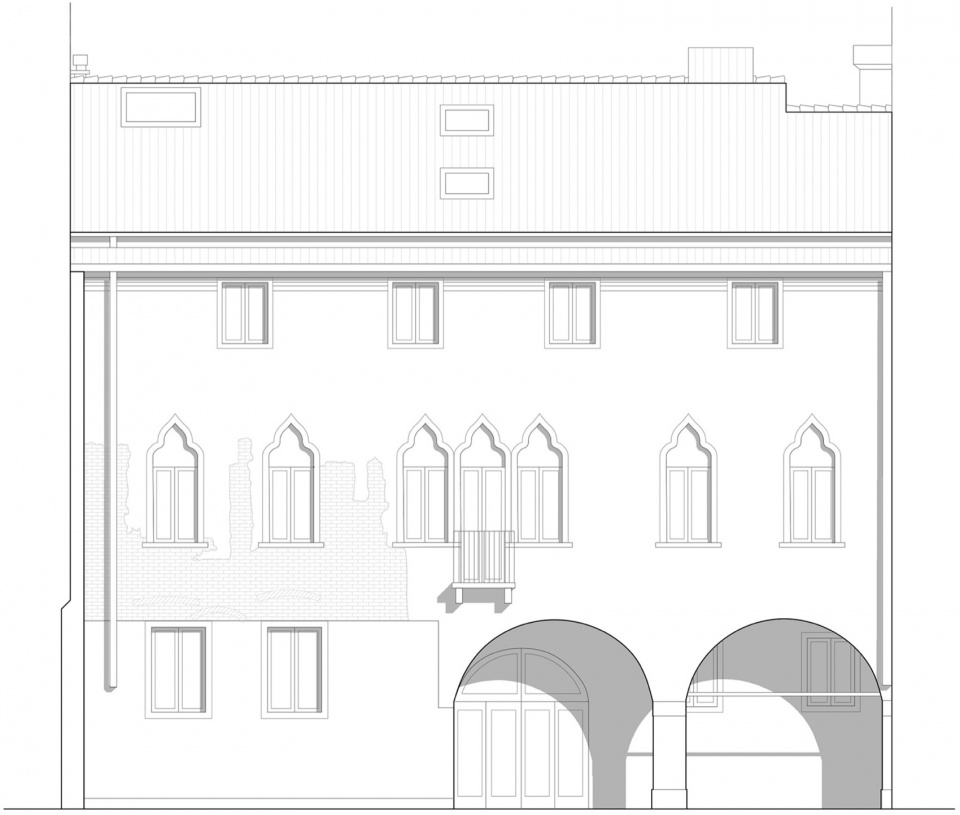
▼立面图,elevation
Collab./ Project Lead Arch. Enrico Berti
Client private
Use residential
Place Padova
Year 2025
Size 250 sqm
Photo credits Lea Anouchinsky