科达利之窗,深圳 / 奥雷•舍人事务所
正在建设中的“科达利之窗〞将成为科达利(KDL)的全球总部。作为高性能电池精密结构件的全球领导者及机器人产业的先行者,科达利以一座紧凑的垂直园区,整合总部办公、研发实验室、短住公寓、报告厅、企业展廊以及一系列社交与协作空间于一体;整个建筑以清晰而精密的组织逻辑展开,并由多个向外伸展的“界面空间“共同塑造其鲜明形象。
Currently under construction, KDL Portal will serve as the new global headquarters for KeDaLi Industries (KDL), a leading manufacturer of structural components for high-performance batteries and a pioneer in the robotics industry. Conceived as a compact vertical campus, the tower integrates offices, R&D labs, short-stay apartments, a lecture hall and a corporate gallery within a single, precisely organised structure defined by a series of collective Portal Spaces.
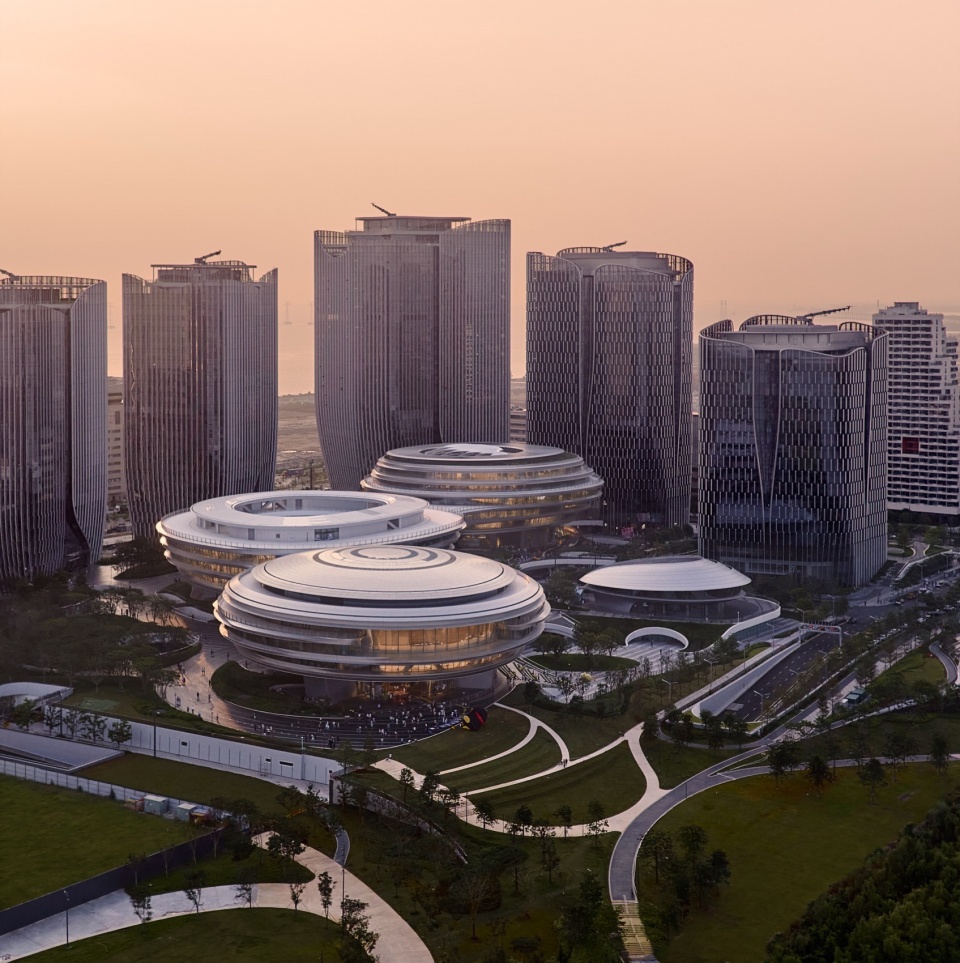
▼项目远景,Project overview
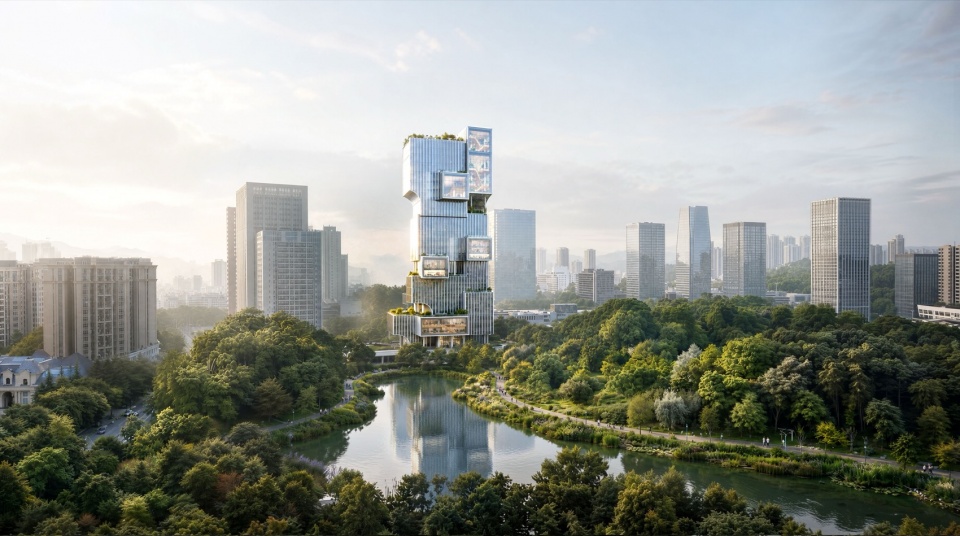
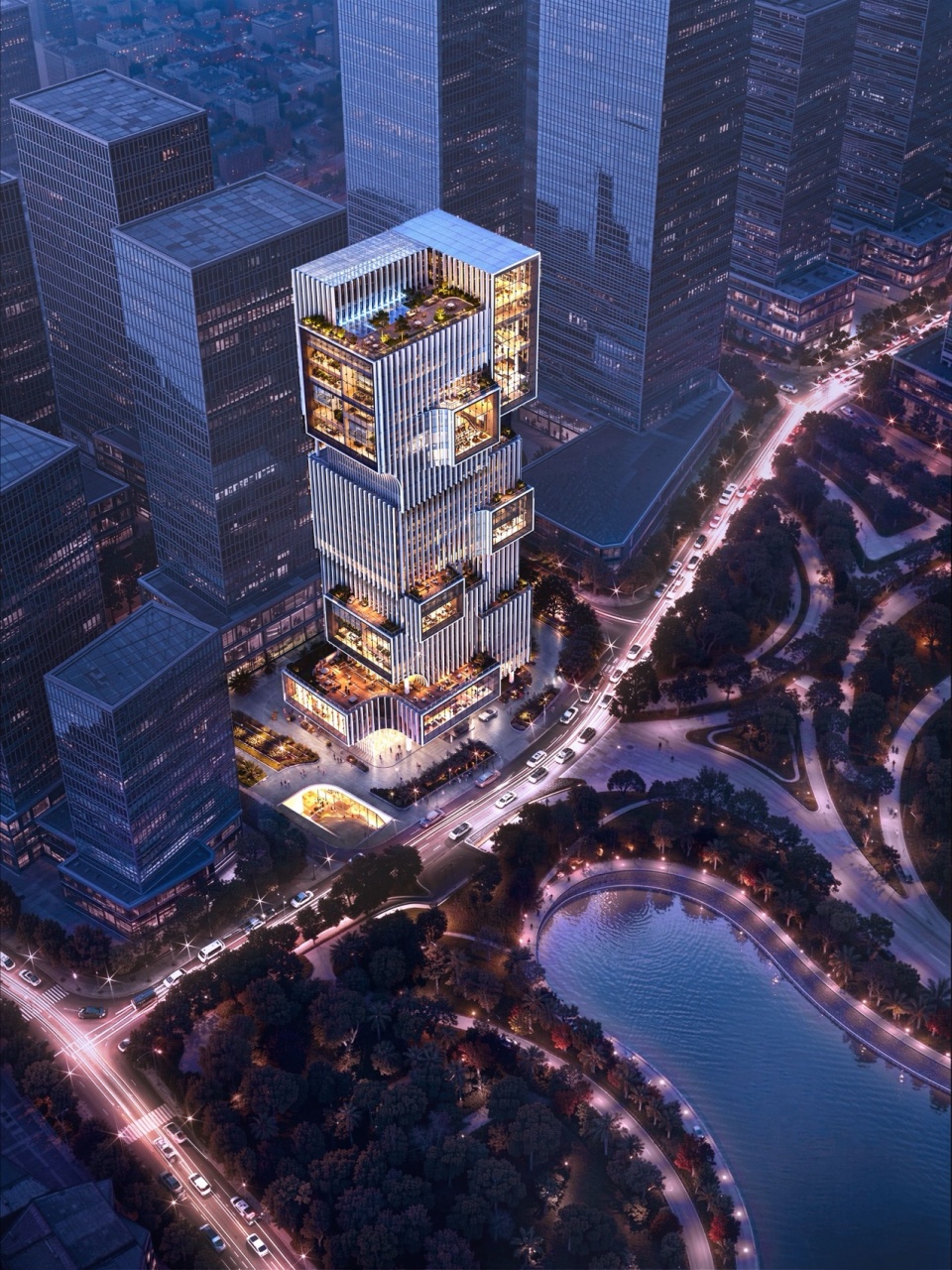
“科达利之窗”坐落于正迅速崛起为深圳新兴核心区域之一的龙华区,紧邻秀美的鹭湖公园。作为鹭湖中心城首批专属且极具辨识度的企业总部之一,项目将在龙华发展为粤港澳大湾区创新与高新技术产业基地的进程中,为科达利与龙华区共同树立鲜明的建筑形象与城市标识,并成为城市生活与自然交织共生的新典范。
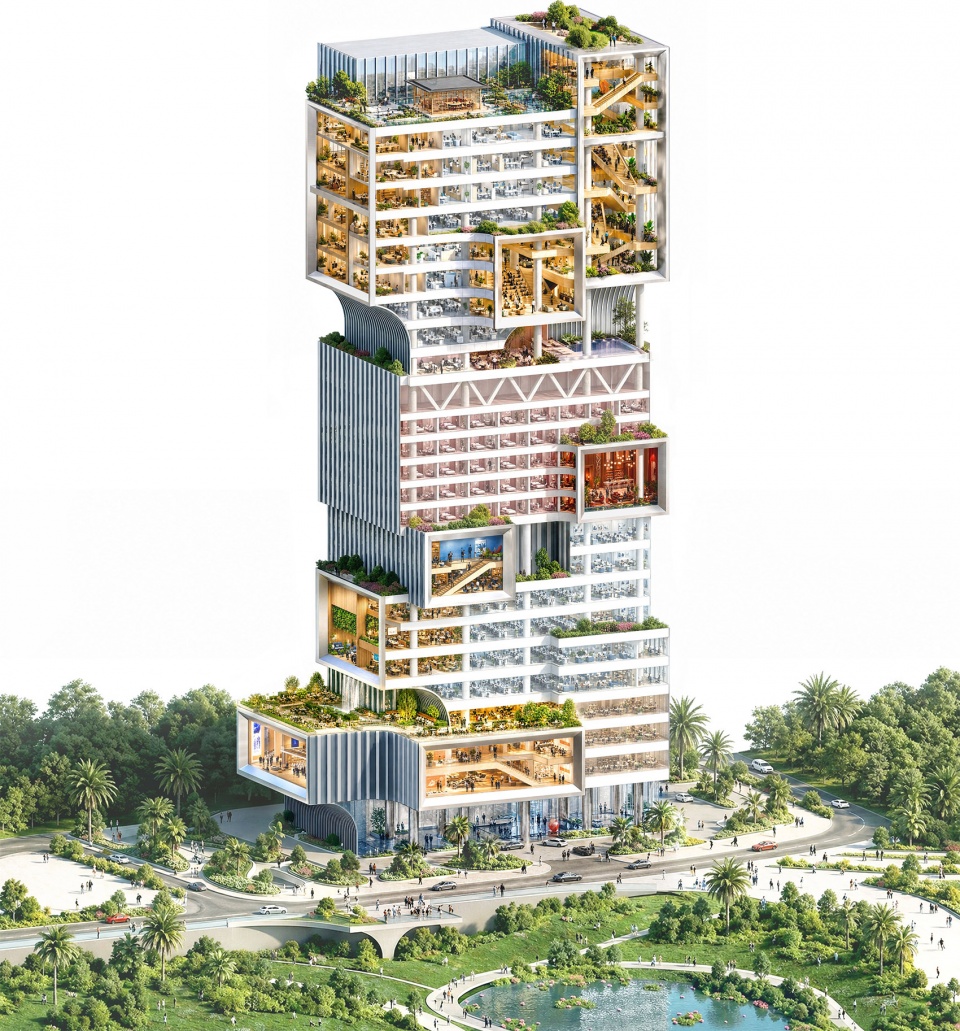
▼模型,Model
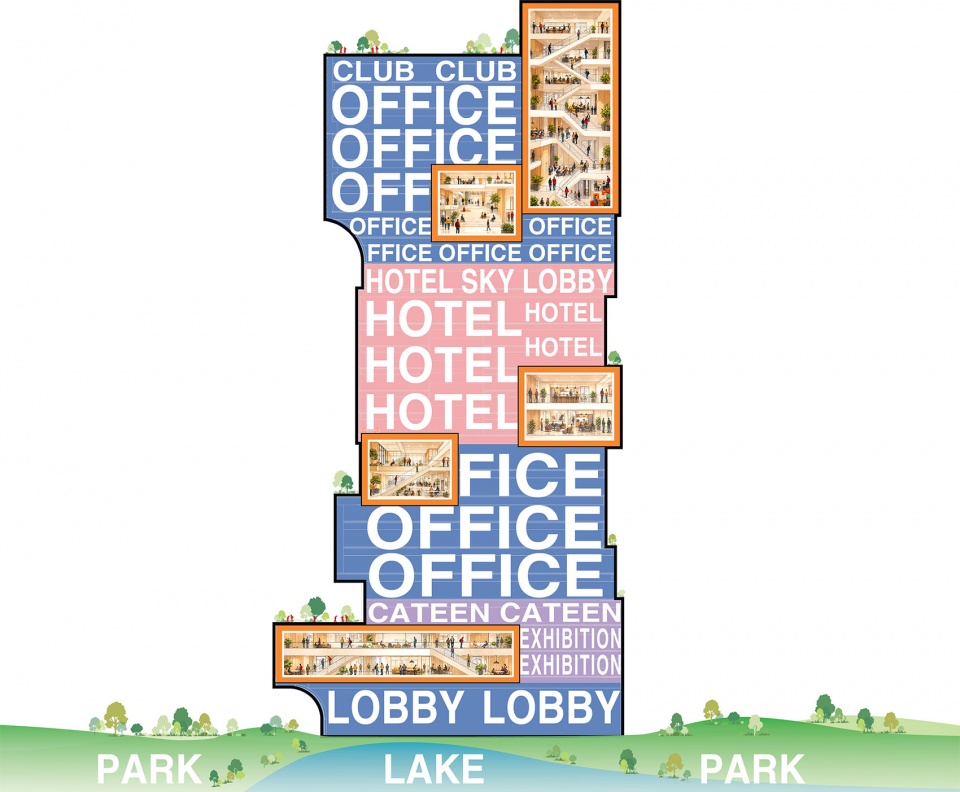
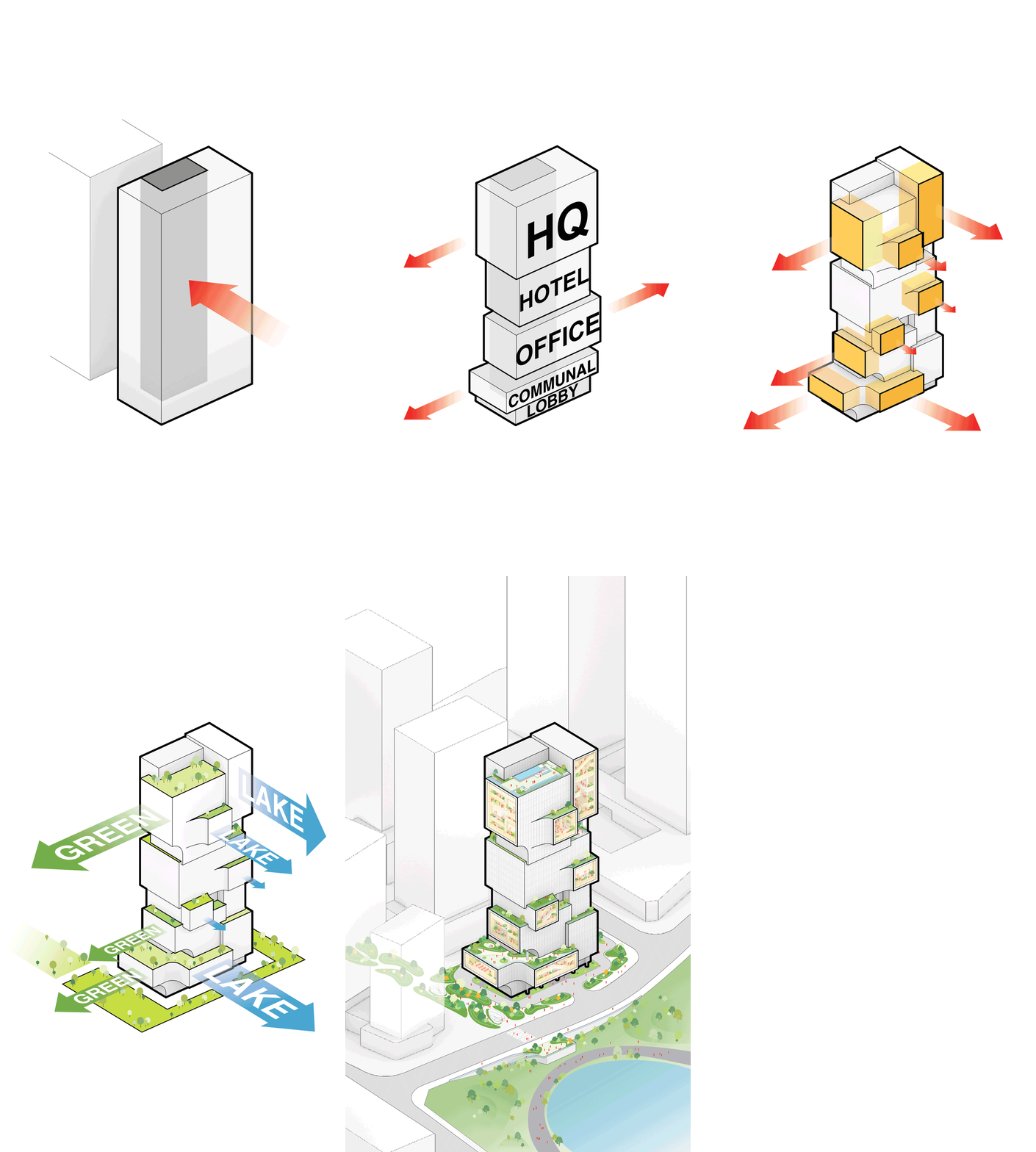
▼功能分区,Function zoning
Located on the edge of a scenic reservoir park in Shenzhen’s Longhua district, KDL Portal occupies a prominent site within one of the city’s emerging business clusters. As one of Longhua’s first high-profile headquarters, it establishes a distinct architectural identity for both the company and the district. KDL Portal marks Longhua’s transformation into a nature-integrated hub for innovative manufacturing companies in China’s Greater Bay Area.
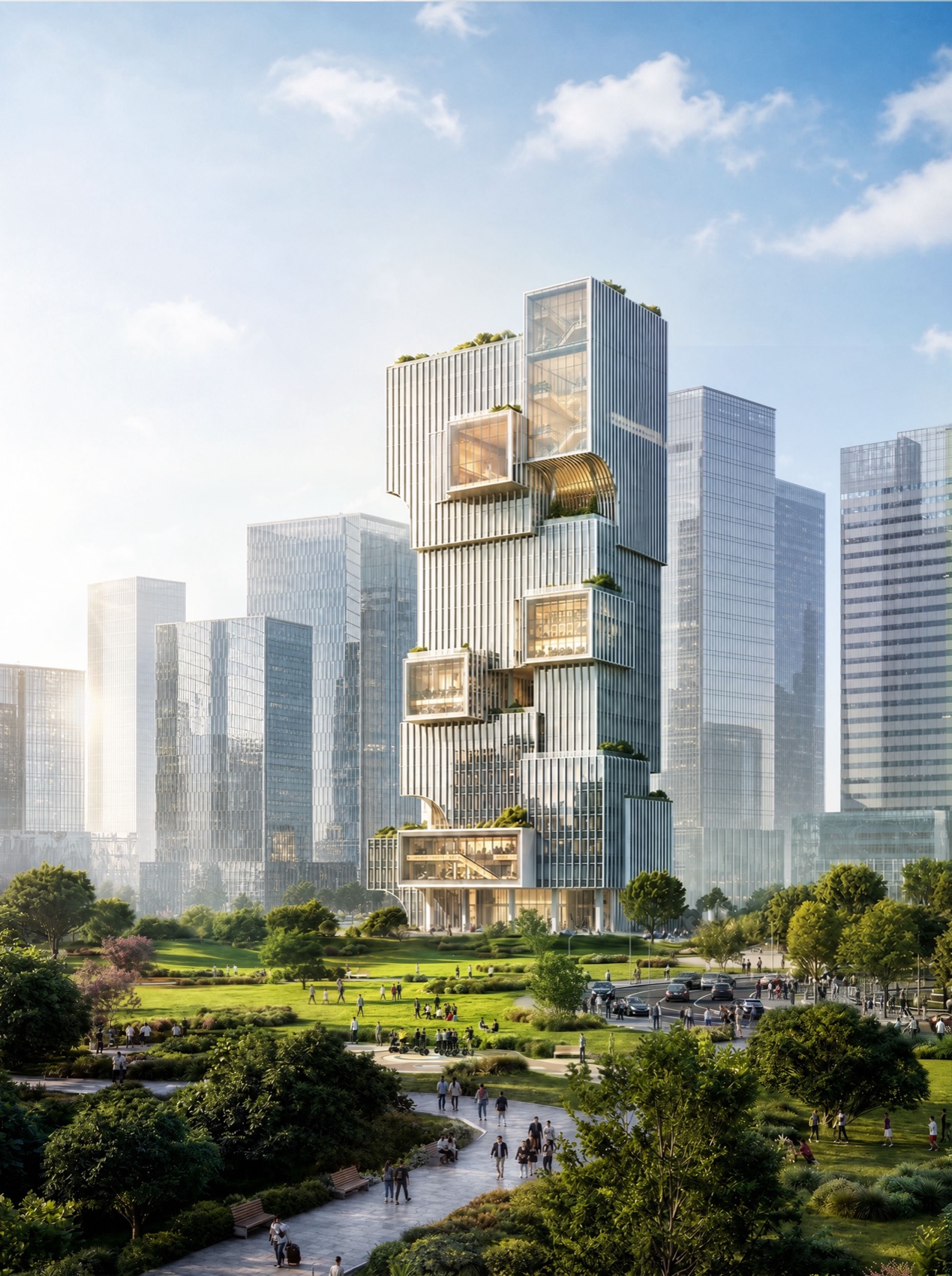
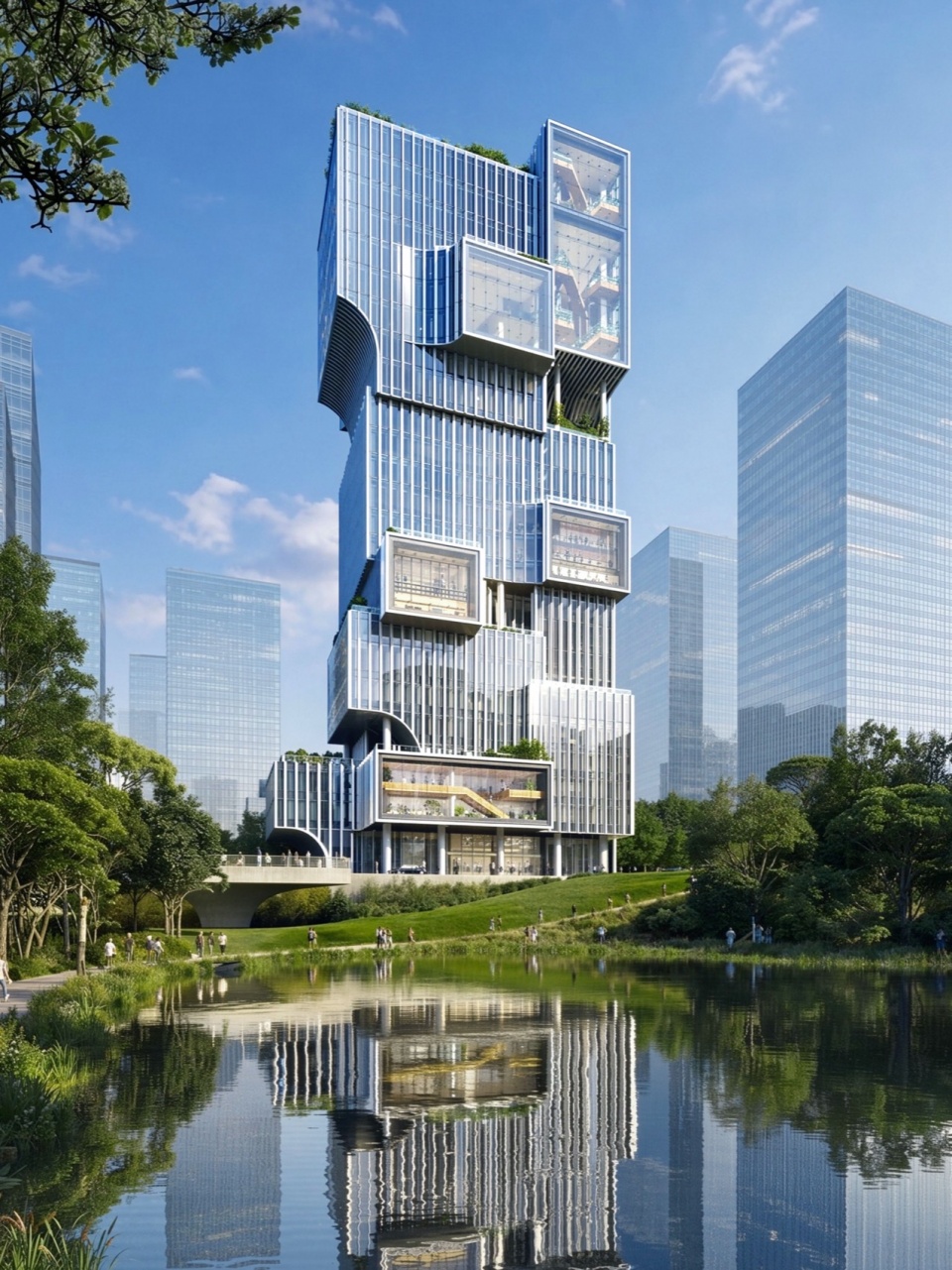
▼总部塔楼面向公园展开界面空间,
Headquarters tower opens toward the park through portal spaces
▼建筑与湖岸景观相互映照,
Building reflected in the lakeside landscape
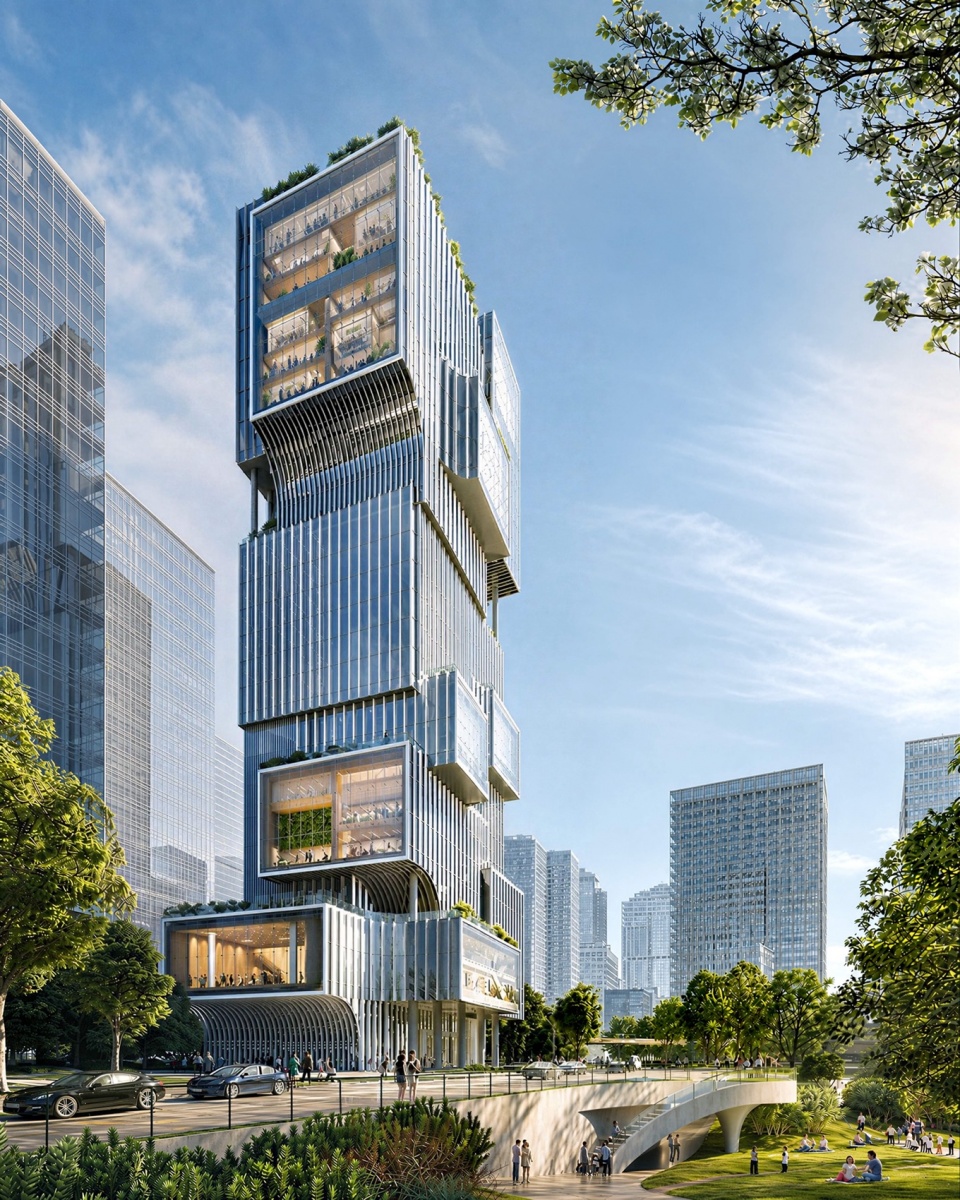
▼多层露台嵌入塔楼体量之中,
Multiple terraces are embedded within the tower mass
“科达利之窗”并非一座传统的办公塔楼,而是被构想为一个创新枢纽,将公司多元且关键的战略职能整合于一个高度互联的垂直环境之中,涵盖总部办公、研发设施、企业展廊、商务会所,以及短住公寓。
▼设计策略,Design strategy
Rather than a conventional office tower, KDL Portal is conceived as an innovation hub that consolidates the company’s diverse functions into a interconnected environment of offices, research and development facilities, a corporate gallerv. a business club and short-stav apartments.
▼仰视层叠体量与悬挑空间,Upward view of stacked masses and cantilevered spaces
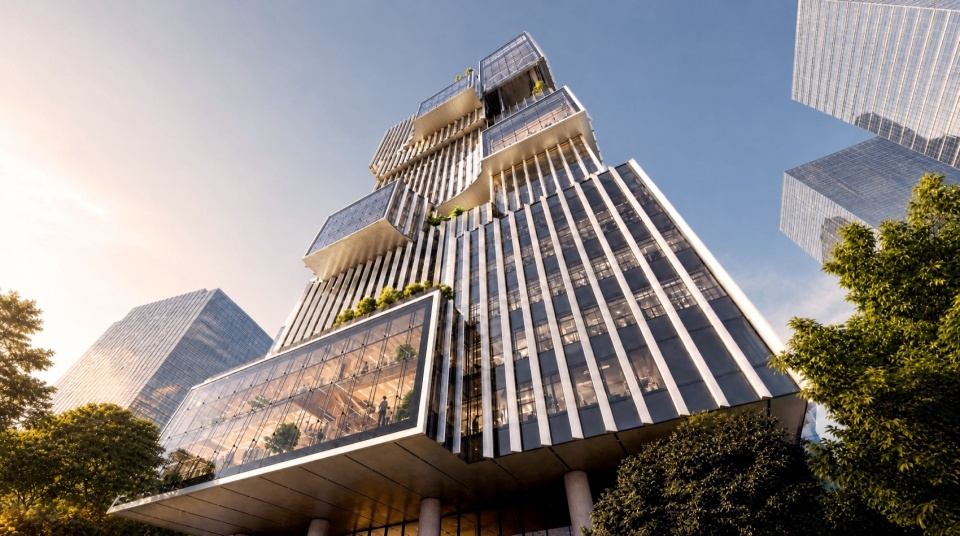
▼层叠体量塑造鲜明城市形象,Stacked volumes create a distinct urban identity
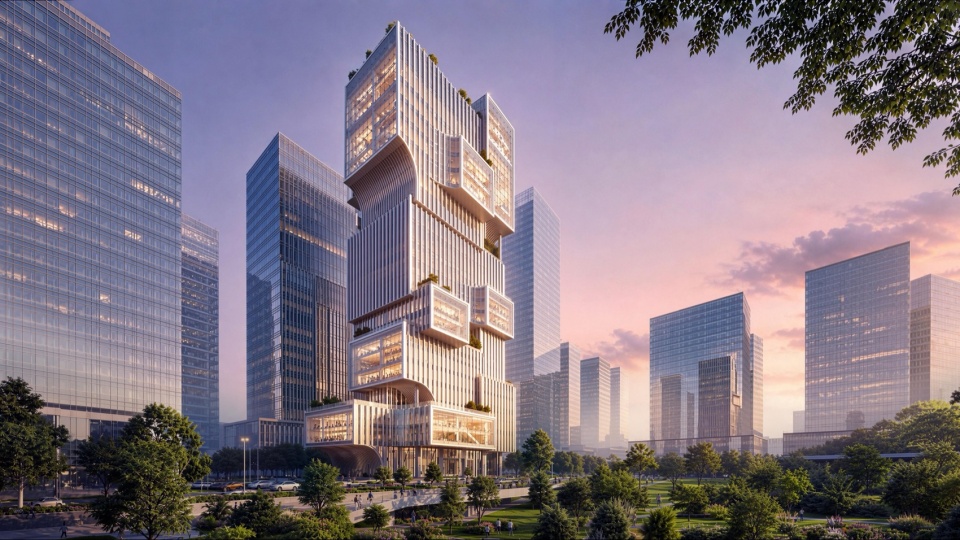
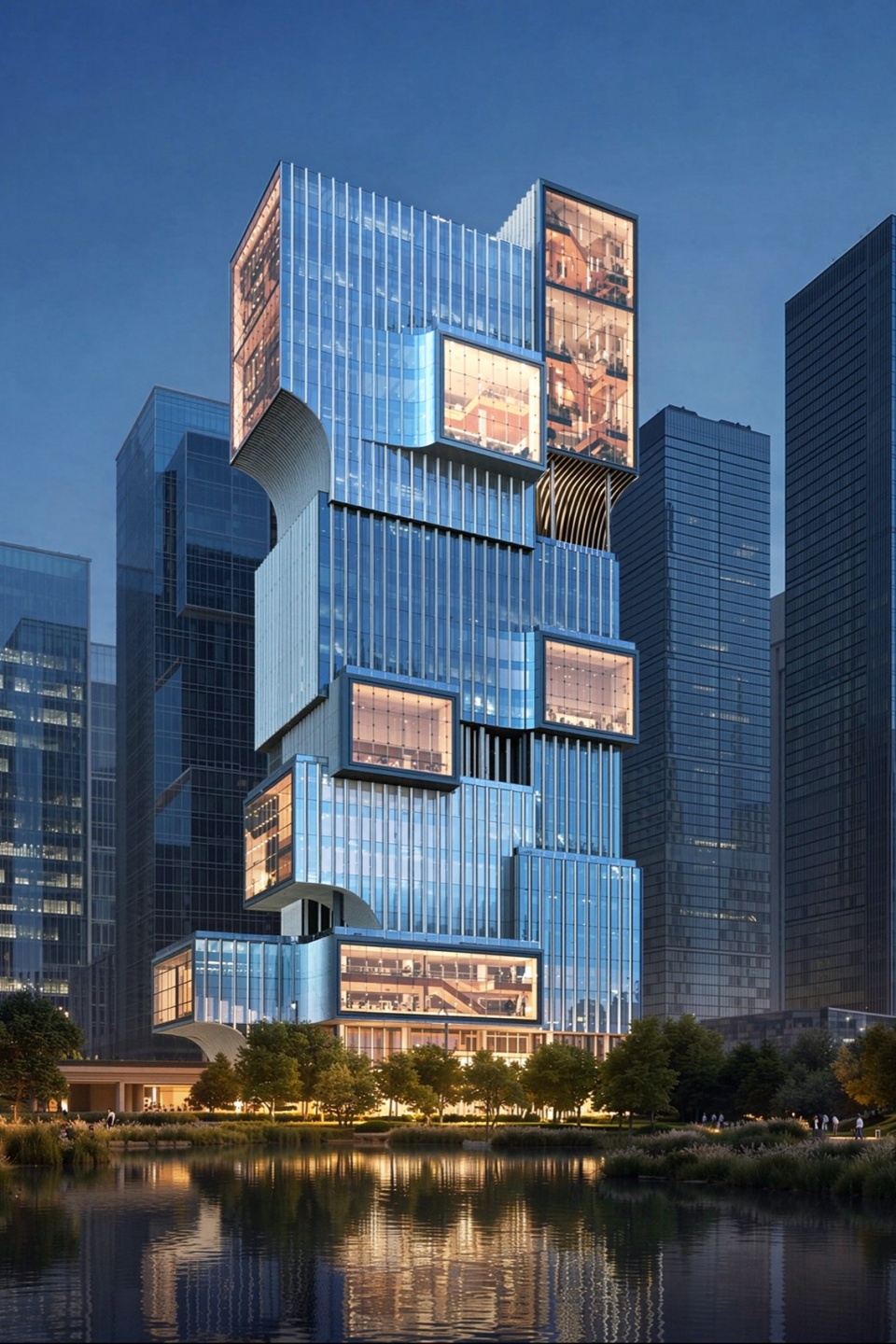
“科达利之窗”高120米,建筑面积36380平方米,由一组错落堆叠的体量构成,其幕墙通过一组简明顺畅的巨大弧面造型,分别朝向城市以及水库与公园景观伸展,并将建筑立面转化为一个被充分使用、层次丰富的界面,精心编排建筑与周边环境之间的关系。这些窗户造型在尺度与比例上各不相同,且均跨越多个楼层,在为建筑打开通向湖面及周边绿带全景视野的同时,也赋予总部大楼在龙华天际线上鲜明而富有雕塑感的形象。
▼开放流线引导人与空间的互动,Open circulation guides interaction between people and space
Rising 120 metres and comprising 36,380 sqm, the tower is organised as a series of stacked and shifting programmatic volumes. These volumes are articulated by a collection of large, curvilinear Portals projecting outward to the city and reservoir park. Acting as visual connectors between nature and architecture, they transform the façade into an Inhabited Interface and choreograph the building’s relationship to its surroundings, framing panoramic views while giving the headquarters a strong sculptural presence on the Longhua skyline.
▼立面开口框取城市与公园景观,Facade openings frame city and park views
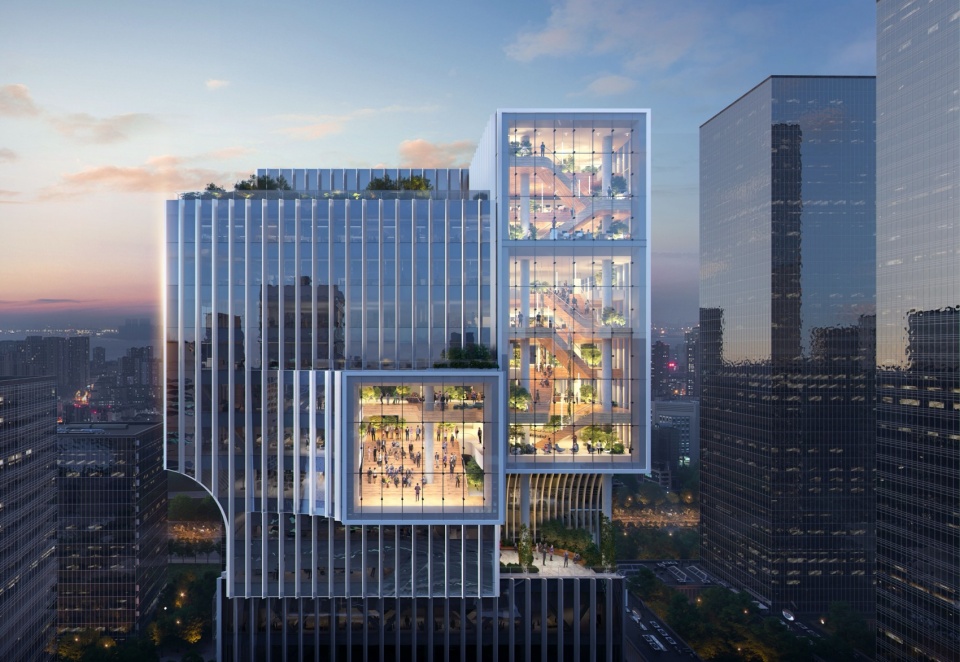
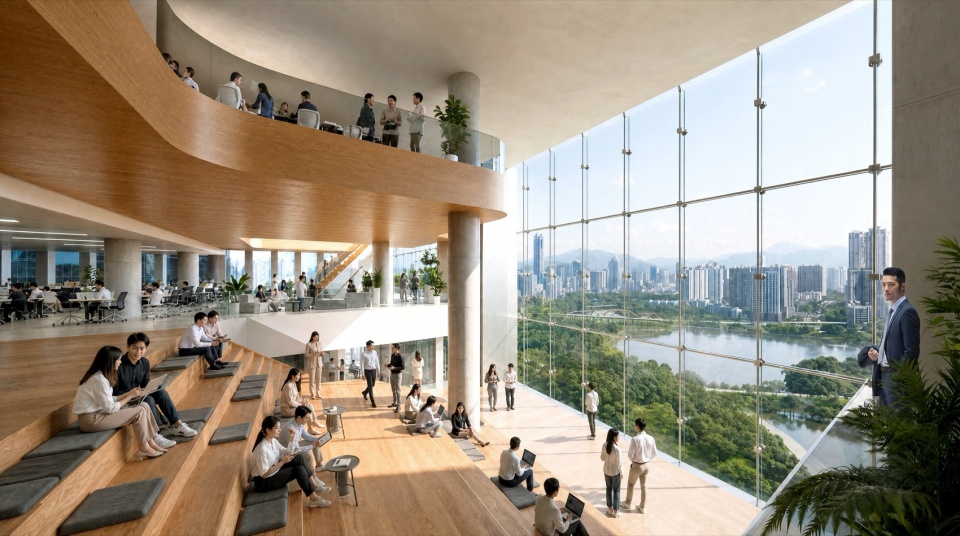
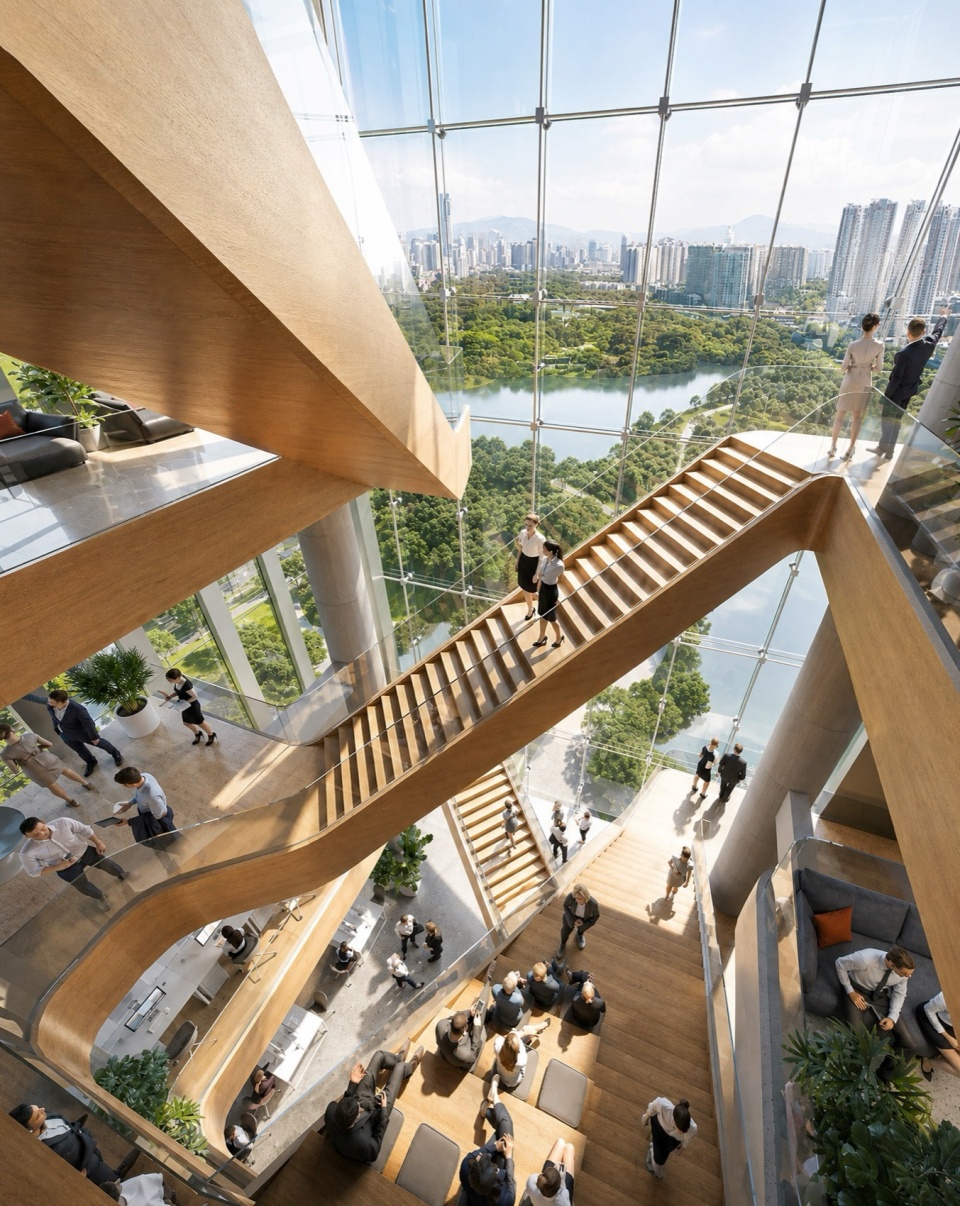
在内部,弧面窗户不仅形成揭示建筑内部多元活动的大尺度开口,更构成深邃、立体且彼此连通的三维“界面空间”,在标准楼层之外提供多样化的工作场所、社交与交流区域以及休闲空间。从体量上看,界面空间还在建筑外部形成一系列开放或半遮蔽的露台,使建筑与周边景观相互衔接。界面空间的变化由各自的朝向所定义:面向南侧广场的空间嵌入可使用的悬浮盒体,用于协作办公、非正式会议及工作坊;面向东侧湖面的空间则由错层楼梯加以激活,连接多个楼层,并形成适用于互动、演讲、社交聚会与日常交流的平台。通过将交通动线与社交空间引入立面,设计使建筑外观充满活力,促进楼层之间可见的流动与视觉联系。
Internally, the Portals form collective spaces that extend the standard floorplate to provide alternative workplaces, exchange zones and leisure spaces.Volumetrically, they also generate a sequence of open and semi-covered terraces, linking it to the surrounding landscape. The Portals’ spatial variation is defined by their respective orientation. Those facing the plaza to the south incorporate inhabitable volumes for collaborative work, informal meetings and workshops. The ones overlooking the lake are activated by staggered staircases that connect multiple levels and platforms for interaction, talks, gatherings and everyday encounters. By drawing circulation and social spaces into the façade, Ole Scheeren’s design activates the building’s appearance, encouraging visible movement and visual connection across floors.
▼交流、工作与休憩活动交织发生,Work, interaction and relaxation coexist within the space
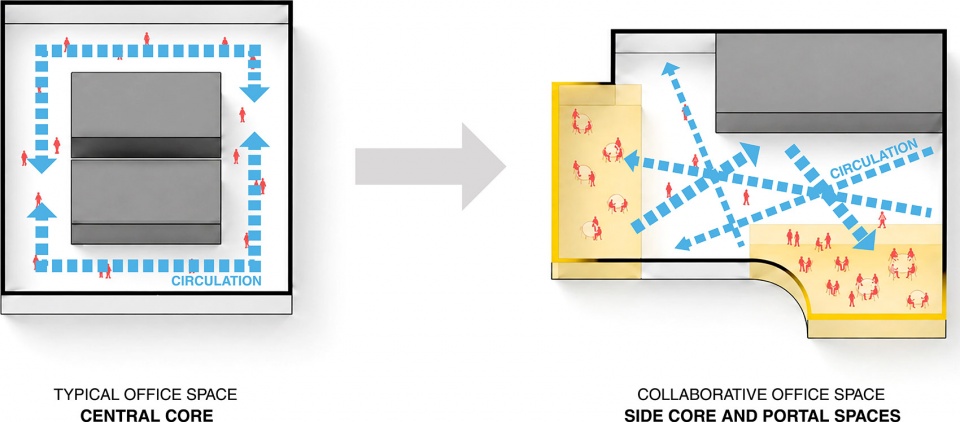
设计的空间策略奠定了建筑突破传统中央核心筒式办公塔楼类型的基础。通过将设备与垂直交通移至一侧,释放出大面积、灵活的楼层平面,得以充分引入自然采光与开阔视野。由此形成的一系列高效而开放的平面,使其能够开放地连接界面空间,并通过高度通透的玻璃幕墙获得充足自然光与开阔视野,最终形成的是一种灵活高效、并可随着时间推移适应不断变化需求的楼板体系。可持续性发展通过双重幕墙系统的设计推行。“界面空间”采用高透明度的索网幕墙系统,以确保视野通透,并将自然采光引入至更深的楼层空间;同时,主体幕墙系统结合高性能玻璃与三角形遮阳构件,将遮阳与自然通风功能整合于一体,外加种植露台、室内绿意、充足的自然光照与开阔的自然视野,共同营造出兼顾专注、恢复、协作与交流的理想环境,进而提升整体的人本体验与福祉。
This spatial strategy underpins the headquarters’ departure from the conventional central core tower typology. By shifting services and vertical circulation to one side, the design frees large, flexible floorplates with open access to the Portal Spaces, daylight and expansive views through a highly transparent glass façade. The result is a flexible and efficient floor plate that can adapt to evolving needs over time.
▼错层楼梯连接多层界面空间,
Staggered staircases connect multiple portal levels
“科达利之窗’并非一个封闭、孤立的建筑物体,而是一个由工作空间、流线系统与共享空间共同构成的连续体系。”奥雷•舍人补充道,“它所提出的是一种创新建筑观:其价值不仅以效率衡量,更以开放性、相遇性与集体体验来衡量—一这种价值观源于我们多年在中国快速城市化进程中的亲身实践,也源于对技术进步与执行能力的持续追求。
“Rather than a closed, singular object, KDL Portal forms a highly integrated system of workspaces, circulation and shared environments,” adds Ole Scheeren. “It is an architecture measured not only in terms of function and efficiency, but also by openness, encounter and collective experience – an approach shaped by years of working within one of the world’s rapidly evolving cities and by a commitment to technical prowess and performance.”
▼夜间灯光勾勒总部建筑轮廓,
Night lighting defines the headquarters silhouette
“科达利之窗“预计于2027年竣工,届时将为这家在电池产业中具有关键战略地位、却长期低调隐身于幕后的全球“隐形冠军”,树立起鲜明可见的城市形象。
Scheduled for completion in 2027, KDL Portal is set to establish a strong architectural presence for one of the electrical industry’s strategically important global players.
▼城市界面与公共空间在夜晚被激活,
Urban frontage and public spaces are activated at night
类型:总部
Type: Headquarters
状态:
2021年委托
2023 年开建
预计 2026 年建成
Status:
Commission: 2021
Construction: 2023
Completion: 2026
客户:科达利
Client: KEDALI
地点:深圳,中国
Location: Shenzhen, China
基地:鹭湖中心城,龙华区
Site: Luhu Lake Industry Campus, Longhua District
规模:
基地面积:6,063 平方米
建筑面积:36,380平方米
Scale:
Site Area: 6,063 sqm
Total GFA: 36,380 sqm
高度:120米
Height: 120m
功能:办公(26,280平方米),短期公寓(7,400 平方米),展览(1,500平方米),餐厅(1,200平方米)
Program:
Office (26,280 sqm), Short-stay Apartments (7,400 sqm), Exhibition (1,500 sqm), Canteen (1,200 sqm)
设计建筑师:
Büro Ole Scheeren
设计主持:
Ole Scheeren
合伙人:
Dan Cheong
副合伙人:
Chao Wei
团队:
Peiwen Deng, Hugo Zhang, Bin Liu, Hanwen Ji, Jiarui Li, Hangda Lv, Jialin Liang, Chunxiao Wu, Man Wu, Mingchuan Yang, Peng Zhang, Henry Chan, Hualin Yang
With: Yuan Cui, Yuxuan Deng, Jingwen Jiao, Mingrui Jiang, Yufeng Lin, Wuyue Meng, Jun Qian, Shanil Riyaz, Yanling Shi, Justin Tan, Hokan Wong, Hank Ye, Yiqu Zhang, Bruno Zhao, Shengxiao Zhao
概念团队:
Chao Wei, Dream Chittmittrapap, Giulio Marchesani, Harry Musson, Hao Wang, Houzhe Xu, Ibrahim Rajah, Irene Hsu, Jianfeng Yin, Nicolas Madariaga Frez, Nina Sattler, Pinelopi Kourti, Shanil Riyaz, Xuecheng Wang
顾问:
本地设计院:SZAD
结构工程师:SZAD
幕墙顾问:SZAD
室内设计:Büro Ole Scheeren / LYCS
景观设计:Büro Ole Scheeren / NCD Studio
项目图像:
Buro Ole Scheeren, Atchain, Shard Island
实体模型:RJ Models